
The Reich's Coal: the State or the Barons of the Ruhr
In early 1941, mobilizing the German war economy demands a firm hand over coal, the lifeblood of steel, electricity, and synthetic fuels. Coal commissioner wants to reorganize the entire sector on the state-run model of the Reichsnaehrstand: he denounces the traders as parasites to be eradicated and demands centralized control by the administration.
The great ironmasters of the Ruhr, Krupp, Flick, and the coal syndicates, flatly reject this state direction. They propose instead an organization run by the industrialists themselves, under loose state oversight, which would preserve the private character of the sector.
During a stormy meeting in February 1941, the conflict erupts into the open before Goering and Minister Funk. Goering, supreme arbiter of the Four-Year Plan, must decide between two opposing visions of the war economy.
Should Goering entrust the organization of coal to the State or to the industrialists themselves?
Goering sided with the industrialists. By a decree of 3 March 1941, he approved the creation of the Reichsvereinigung Kohle (Reich Coal Association), formally established by the Minister of Economics on 21 April 1941. At the unanimous request of the industrialists, he entrusted its chairmanship to , co-founder of the Reichswerke . The statutes were drafted according to the wishes of industry: the organization preserved the private character of mining operations and limited the influence of the State. 's statist plan was set aside, and Walter left the scene after Funk had branded his project Bolshevik.
Learn more about this event
Related polls
10
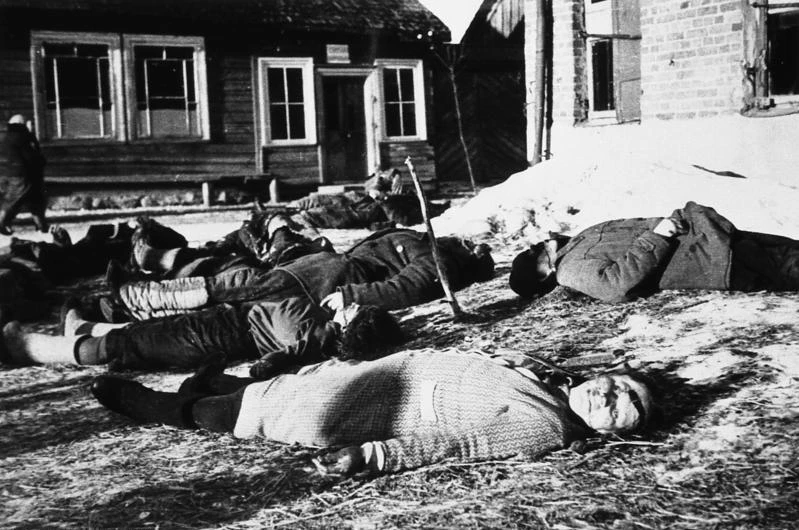
Generalplan Ost — the Hunger Plan
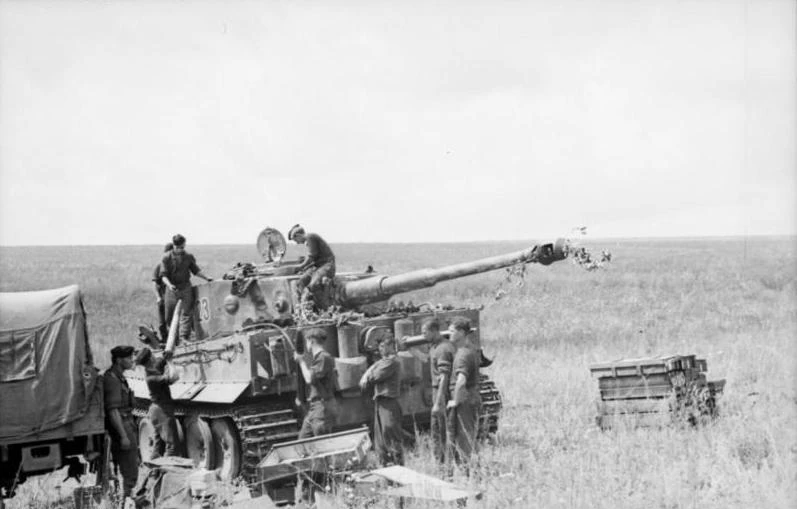
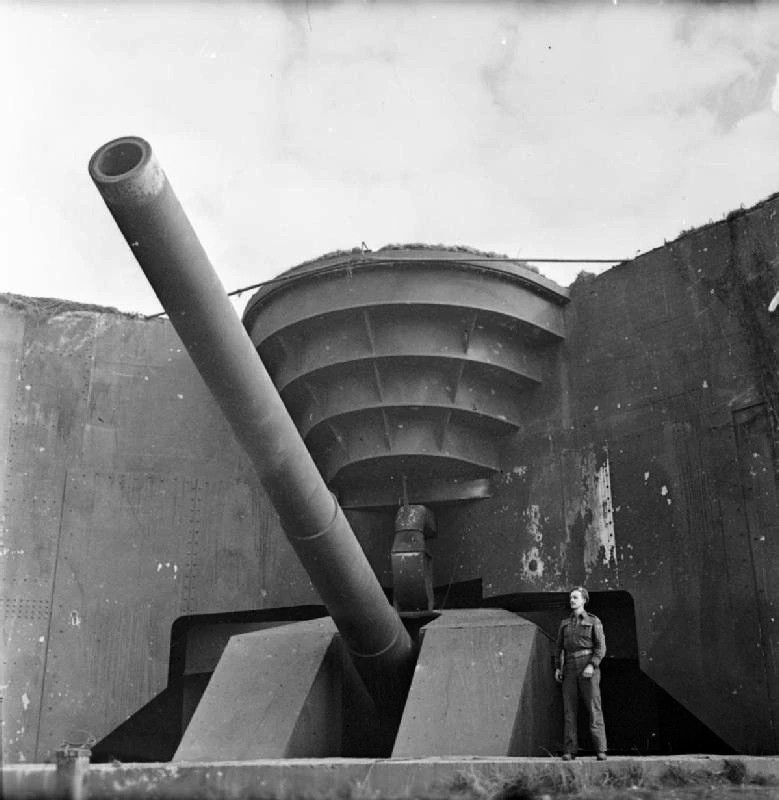
Krupp and the Beast's Cannon
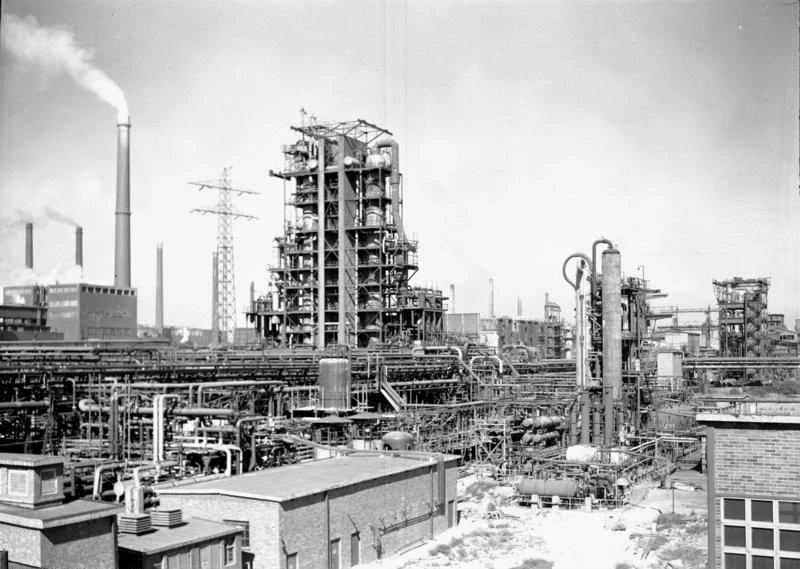
Making oil from coal
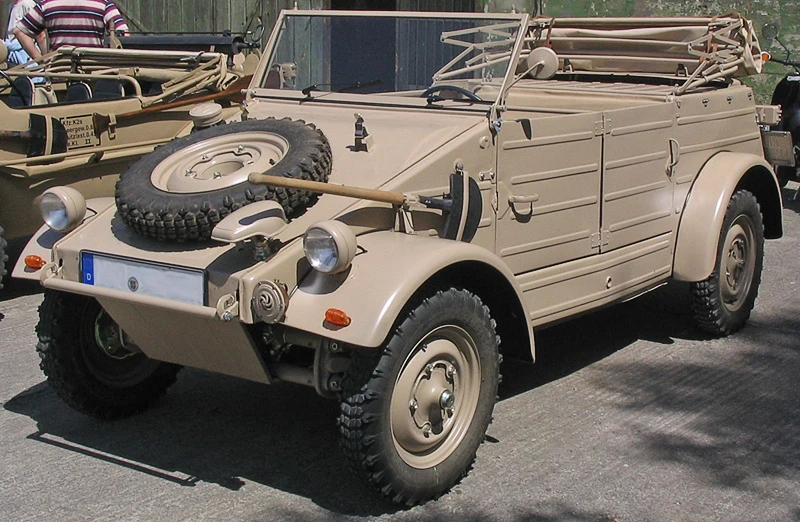
The People's Car Goes to War
The rubber that won't grow in the Reich
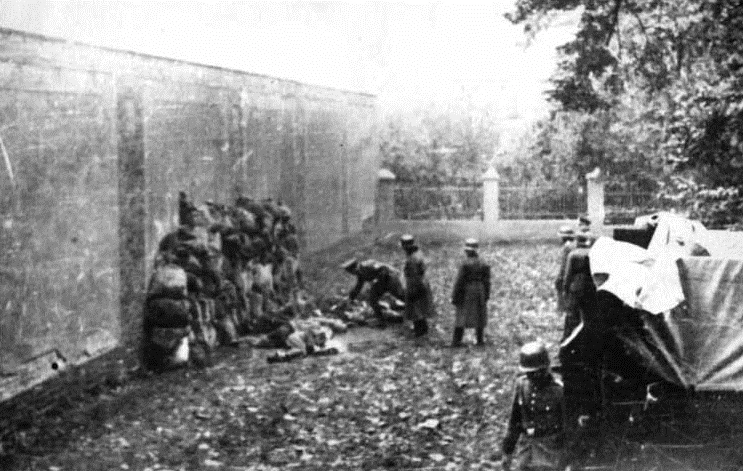
The Warsaw Ghetto — the ration of hunger
The metal without which cannons cannot be forged
The Otto Programme — expanding the rail network toward the East
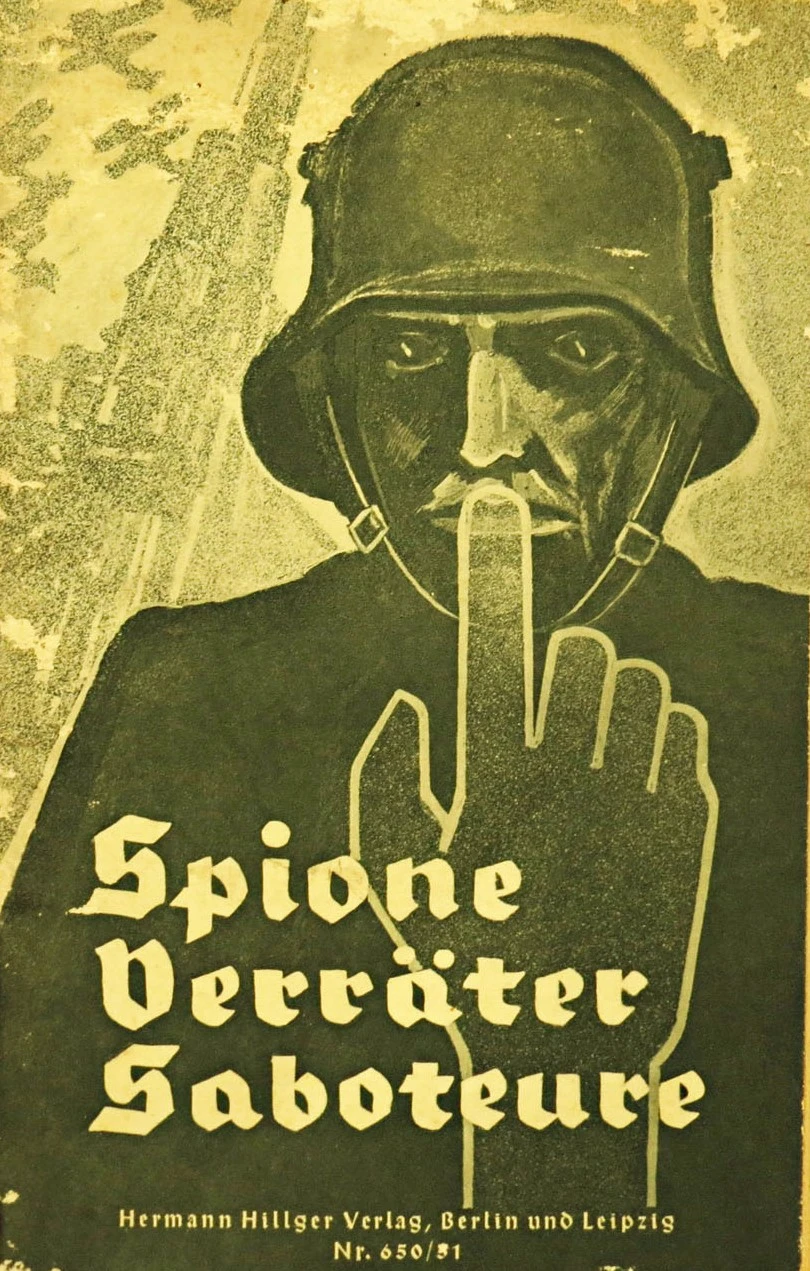
The Karten: Rationing Germany at War
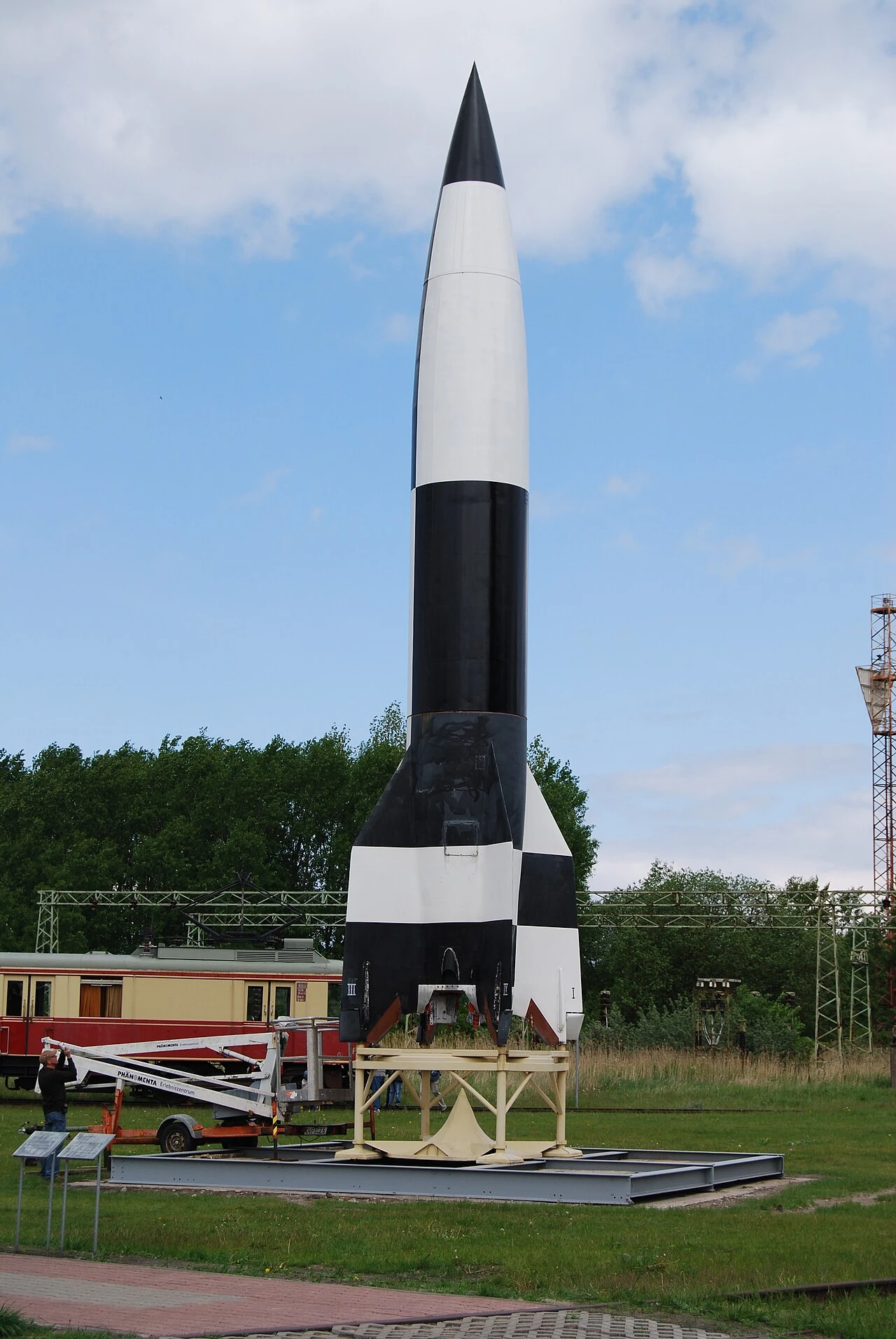
Peenemünde: producing before flying
Generalplan Ost — the Hunger Plan
Krupp and the Beast's Cannon
Making oil from coal
The People's Car Goes to War
The rubber that won't grow in the Reich
The Warsaw Ghetto — the ration of hunger
The metal without which cannons cannot be forged
The Otto Programme — expanding the rail network toward the East
The Karten: Rationing Germany at War