
Paget at Åndalsnes — Sickleforce
To counter the German occupation of Norway, London launches Operation Maurice: a landing at Åndalsnes (west coast, Romsdalen fjord) to attack Trondheim from the south. Force "Sickleforce": 5,000 men of the and the , commanded by Major-General , 53. Mission: to take Dombås, which locks the railway line to Trondheim, then to advance on Lillehammer.
Landing at Åndalsnes on 18 April 1940 without initial opposition. But the equipment is unsuited: summer kit for soldiers advancing through 1.5 m of snow, no skis, no heavy artillery, no air support (the local airstrips are frozen). Opposite advances the German under General Pellengahr, coming up from the south with massive air support — the Stukas of and 2 harry the British troops in stretched-out columns.
On 23 April, first unfavourable engagement at Tretten: the 148th Brigade is driven back with losses. The logistics buckle. Paget must decide what comes next: try to hold, abandon, or push on to Trondheim regardless.
What should Paget do after the unfavourable engagement at Tretten?
Paget chooses B. From 30 April to 2 May 1940, Sickleforce is evacuated under continuous Luftwaffe bombardment. 5,000 men brought back to Scapa Flow by destroyers. Balance: 1,300 killed or taken prisoner, heavy equipment abandoned, 17 British destroyers damaged by the Stukas. Åndalsnes is the first major Allied setback of the war. The parliamentary debate that follows — the Norway Debate — brings down Chamberlain. Paget returns to service, commands the at El Alamein in 1942, then becomes Allied commander-in-chief in Italy in 1944. He survives the war and dies in 1961. Strategic lesson taken on board by Dowding and the RAF staff: the Luftwaffe dominates the Channel and the North Sea. That lesson will shape British air defence doctrine for the Battle of Britain.
Learn more about this event
Related polls
10
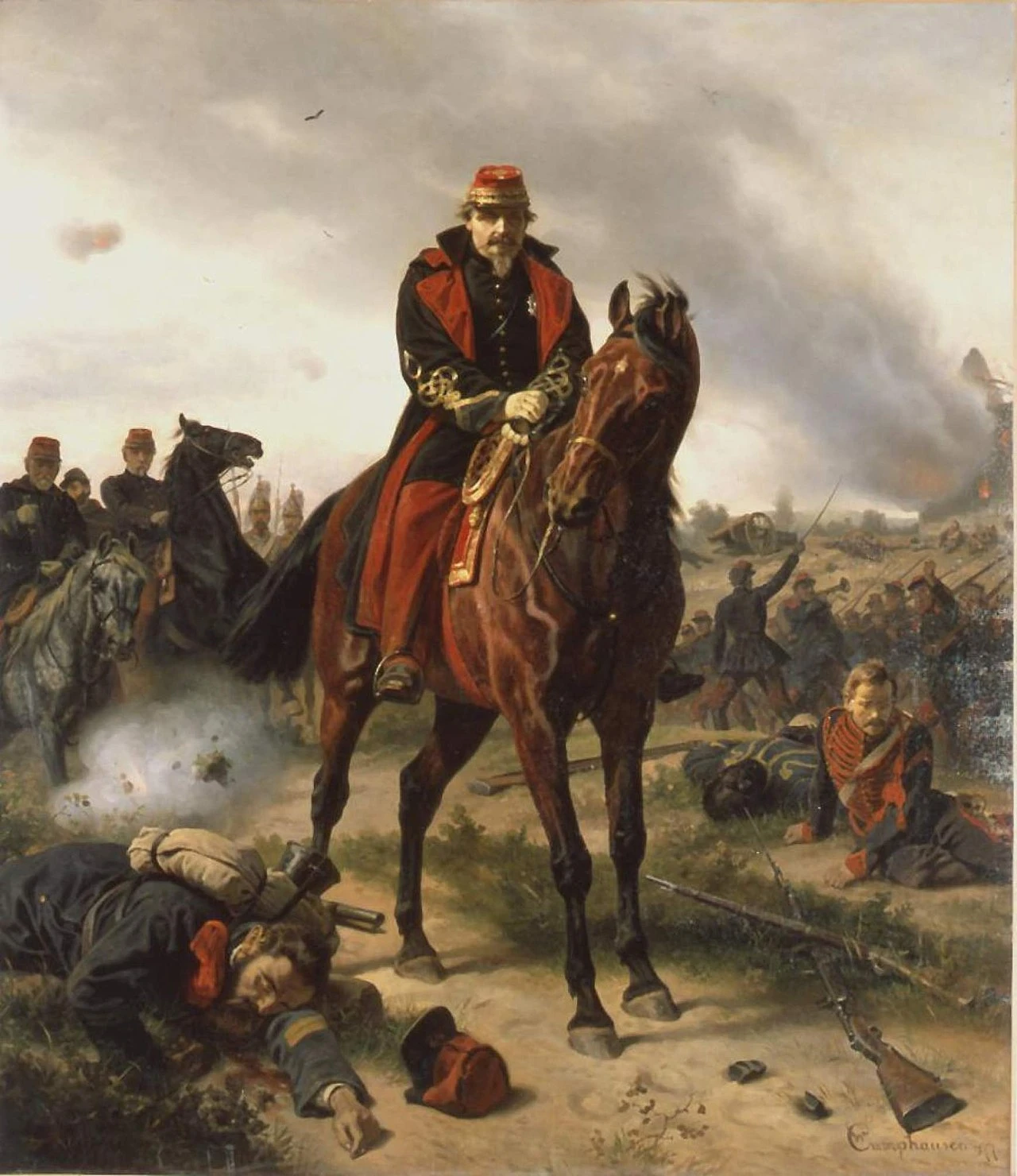
Bulson — Lafontaine and the 02:00 rumour
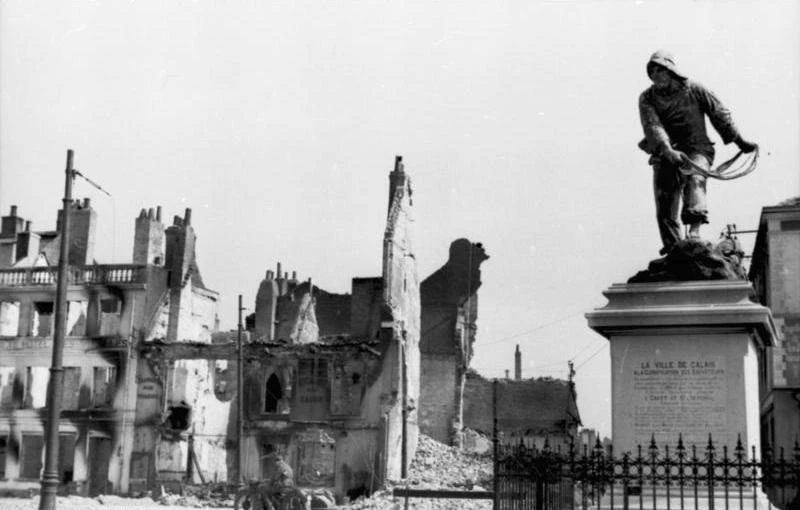
Calais — Nicholson facing the ultimatum
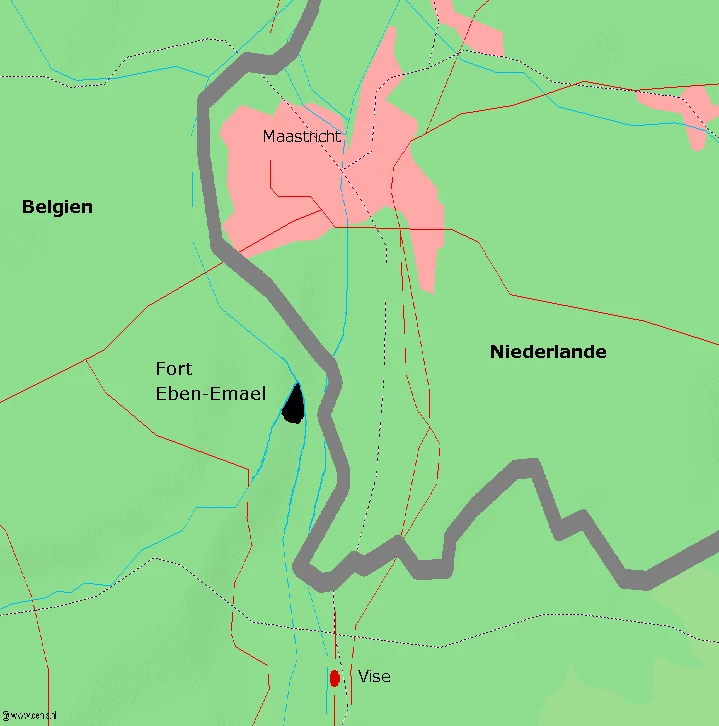
Eben-Emael — Jottrand under the explosions
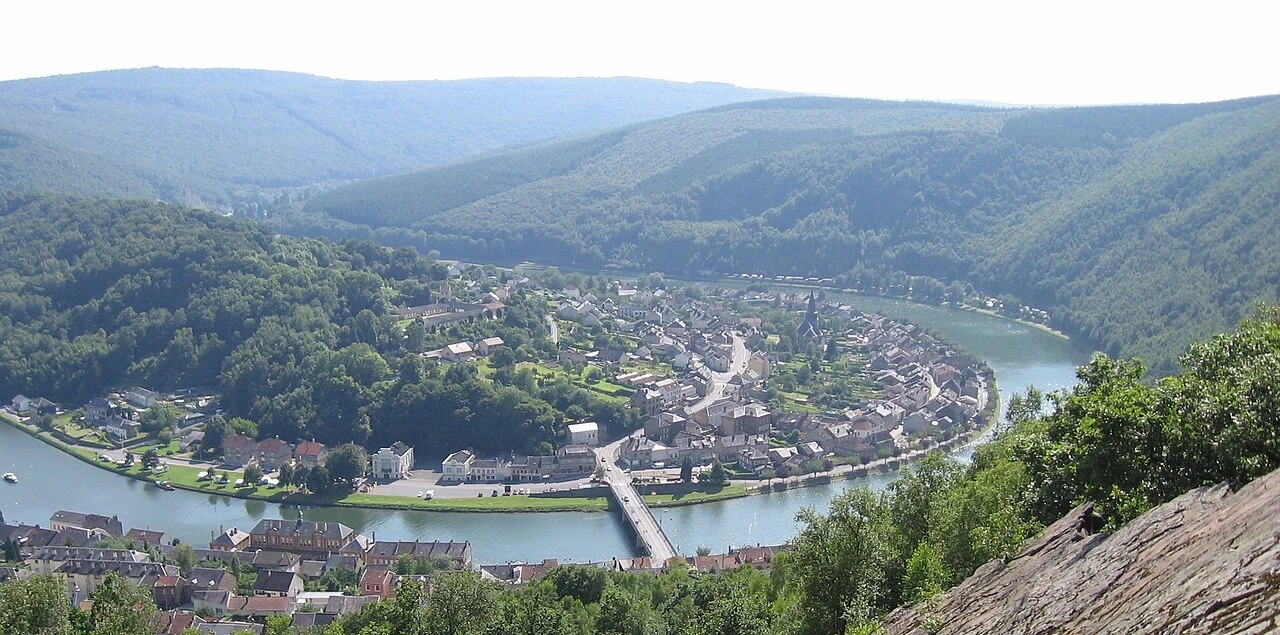
Monthermé — Portzert in the Meuse loop
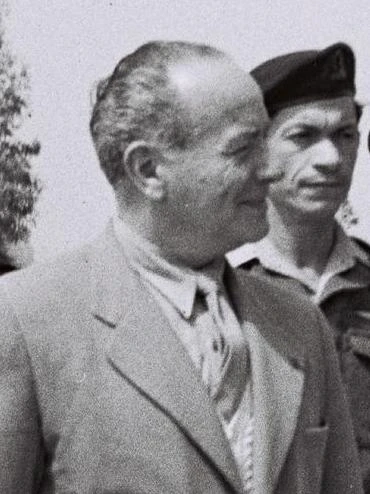
Stonne — Billotte facing the Panzer column
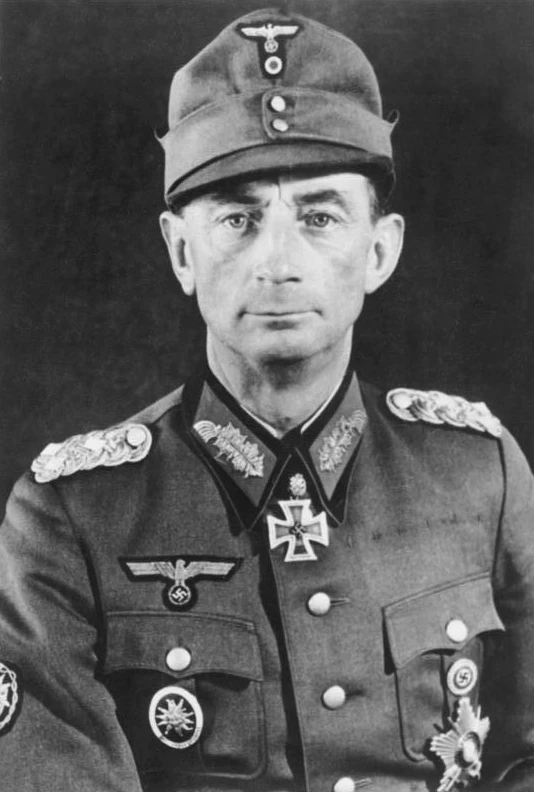
Dietl in the fjords — Narvik defence
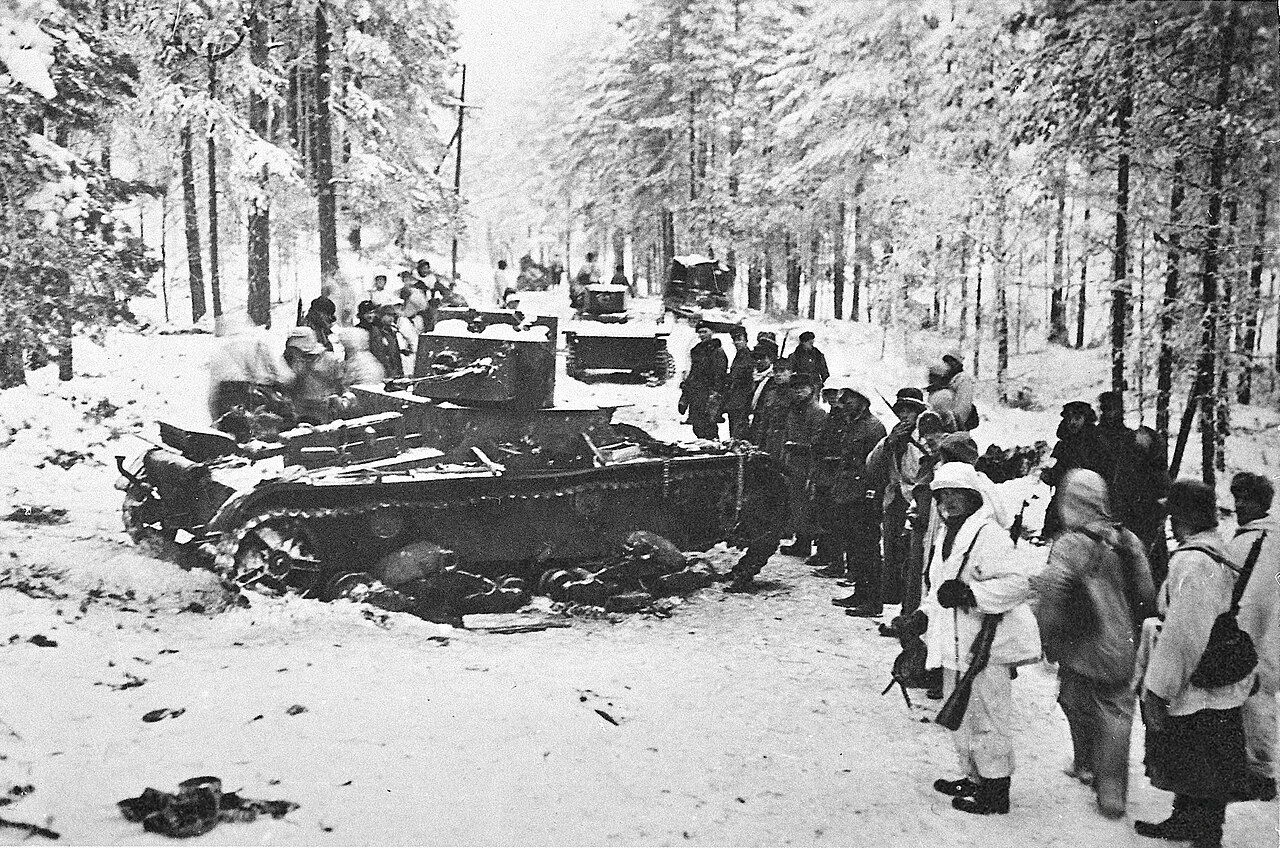
Pajari at Tolvajärvi — 12 December, 04:00
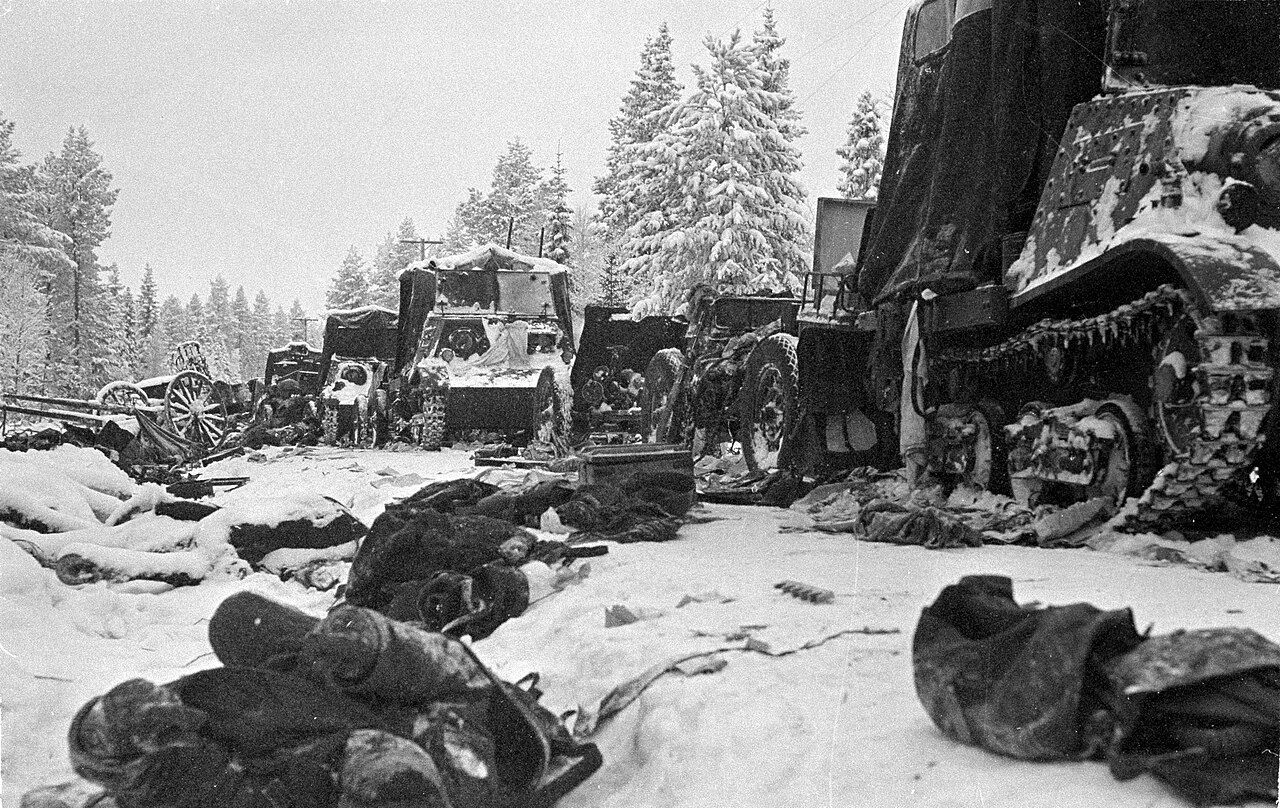
Raate — Vinogradov on the frozen road
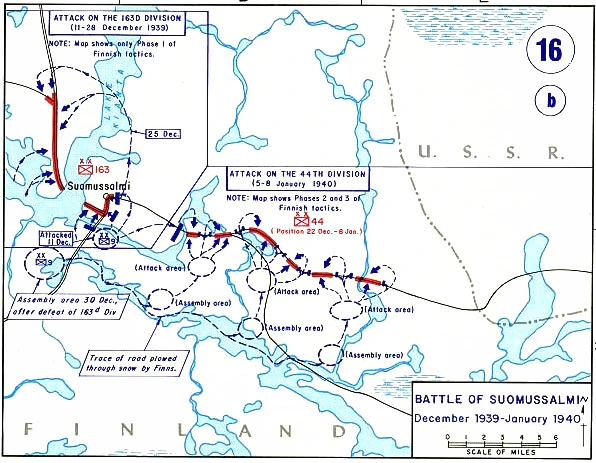
Suomussalmi — Siilasvuo against the 163rd
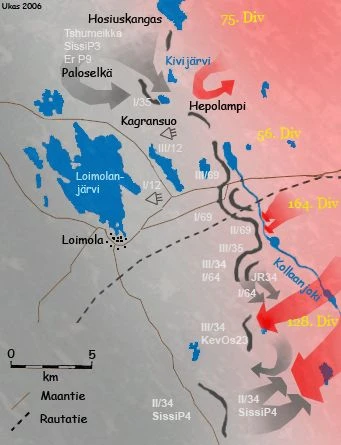
Svensson on the Kollaa front
Bulson — Lafontaine and the 02:00 rumour
Calais — Nicholson facing the ultimatum
Eben-Emael — Jottrand under the explosions
Monthermé — Portzert in the Meuse loop
Stonne — Billotte facing the Panzer column
Dietl in the fjords — Narvik defence
Pajari at Tolvajärvi — 12 December, 04:00
Raate — Vinogradov on the frozen road
Suomussalmi — Siilasvuo against the 163rd