
The Panzers' logistical gamble
The lightning race of the Panzers towards the Channel rests on a bold logistical gamble. An armoured division consumes enormous quantities of fuel, ammunition and spare parts; to advance fast and far is to stretch the supply lines dangerously, expose the fuel columns and risk running dry at the worst moment — as shown by the fate of the French at Flavion, but also by the vulnerability of the Germans themselves.
The German supply services must choose the tempo. Keep up with the pace of the tanks at all costs, pushing fuel forward by every means, at the risk of breakdowns. Impose regular halts to rebuild the stocks and maintain the vehicles, at the cost of speed. Or have the units live off the land (requisitions, captured fuel) to free themselves from the rear lines.
Fuel is the sinew of the "Blitzkrieg": without it, the tanks are nothing but inert steel. The whole art consists in sustaining the momentum without breaking the machine — a balance that the armoured commanders (Guderian, Rommel) tend to push, much to the dismay of logistical caution.
Should the supply services keep up with the tanks at all costs, impose halts, or have the units live off the land?
The Germans practise mainly A, supplemented by C: the supply services push fuel forward at a relentless pace, and the units seize French and Belgian fuel stocks along the way (often undestroyed) to sustain their momentum. The crews, dosed with Pervitin (methamphetamine) to keep going without sleep, advance almost without respite. The logistical gamble succeeds — narrowly — but it exposes the Panzers to critical situations that only Allied disorganisation prevents them from being made to pay for. The (relative) mastery of fuel, the audacity and the capture of enemy depots are among the often-underestimated factors of the German victory of 1940.
Learn more about this event
Related polls
10
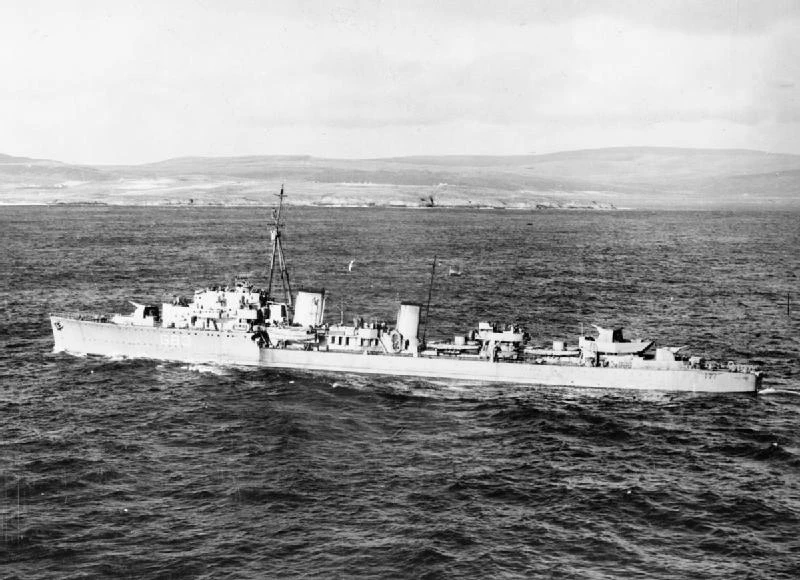
The Dutch hulls on the Rotterdam slipways
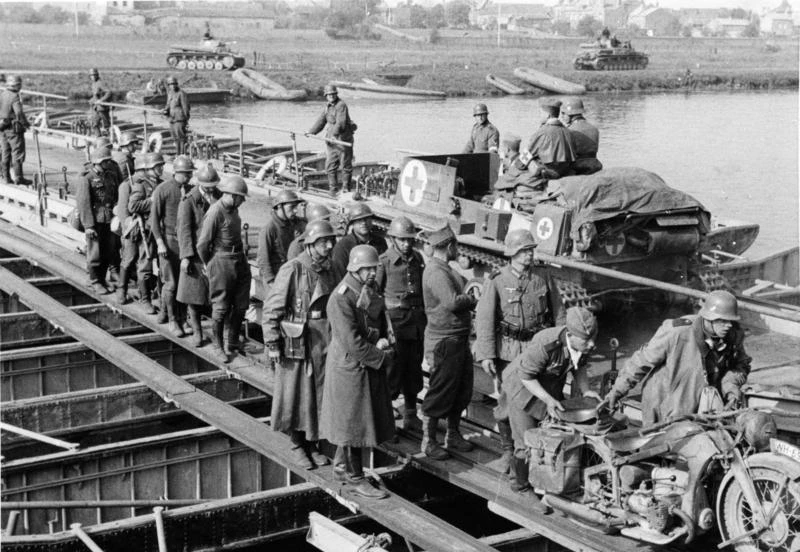
The deluge of Stukas over Sedan
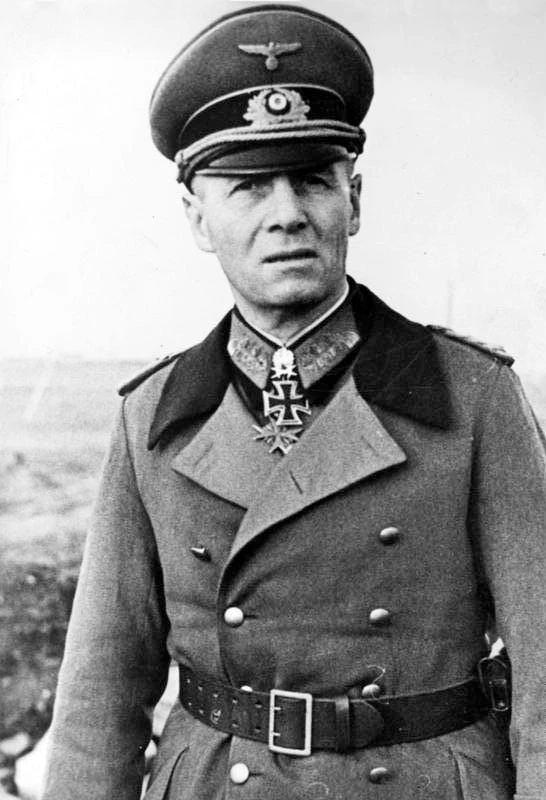
Rommel's ghost division
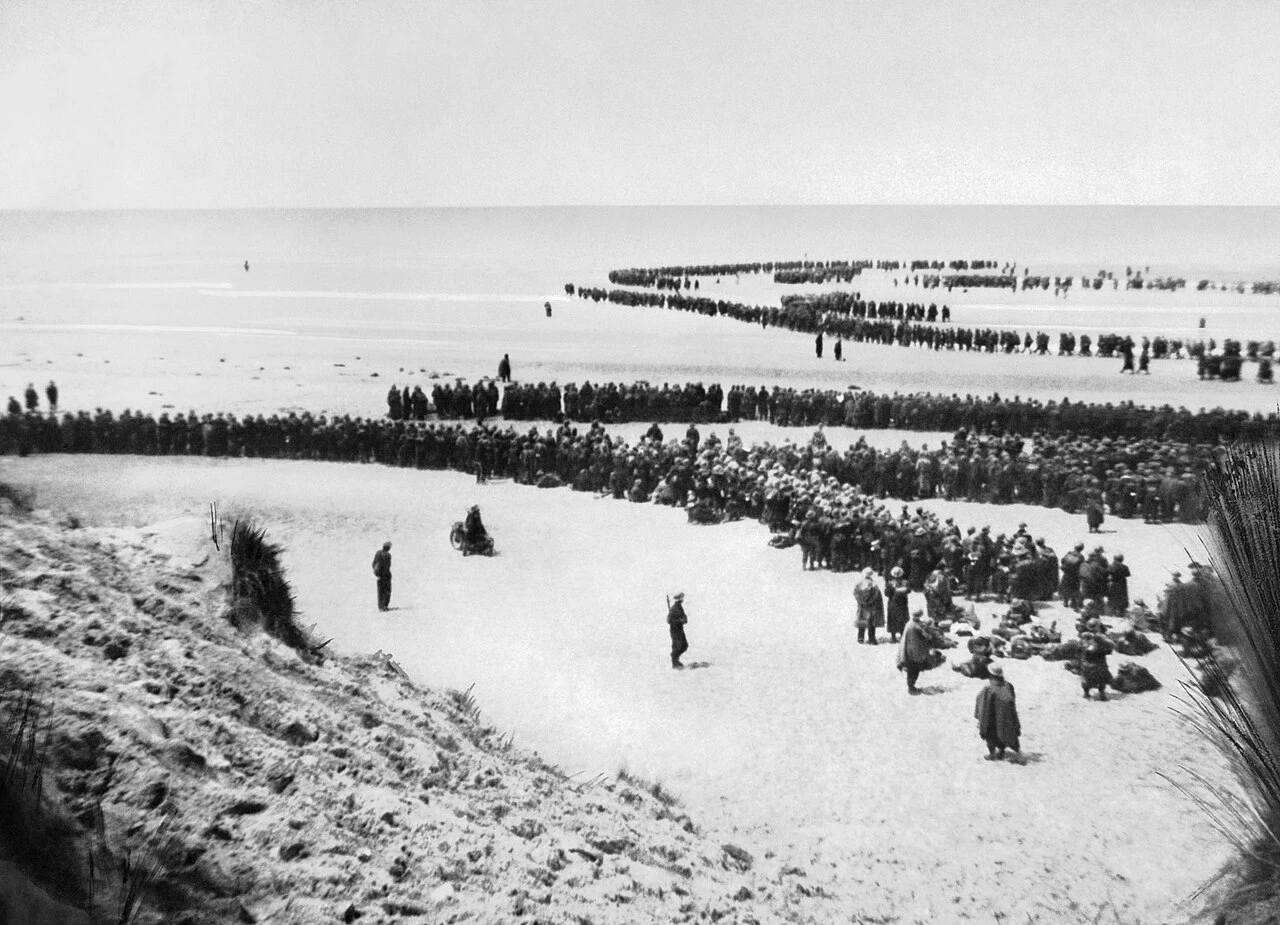
The "Halt Order" before Dunkirk
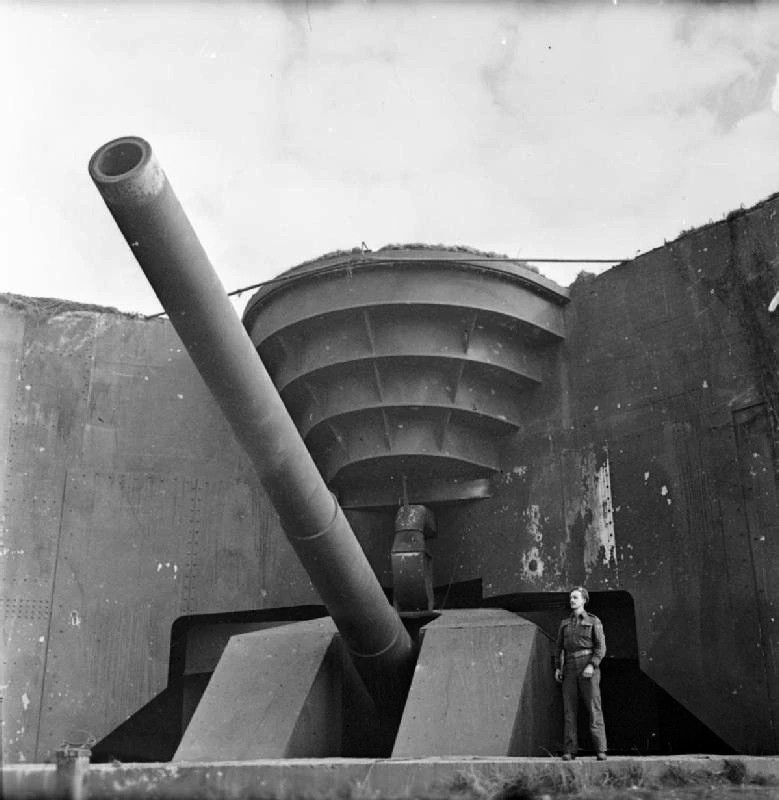
The Otto Programme — expanding the rail network toward the East
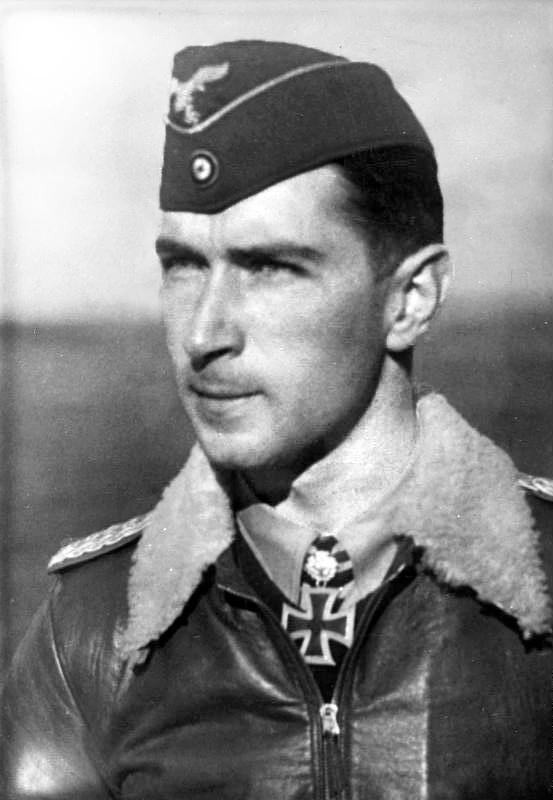
Mölders above the columns — 18 May
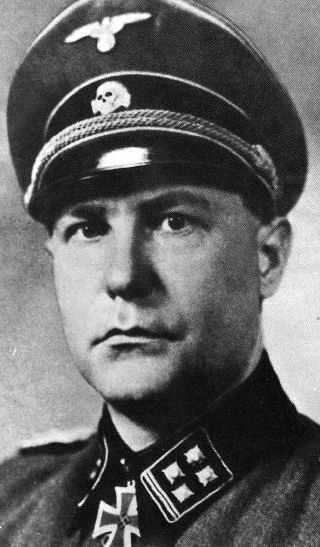
Le Paradis — the barn at Cornet-Malo
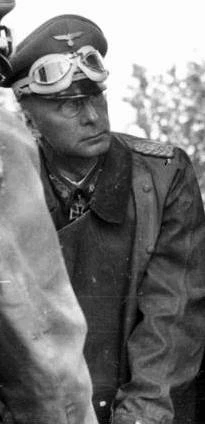
Reinhardt toward the ports — the Arras threat
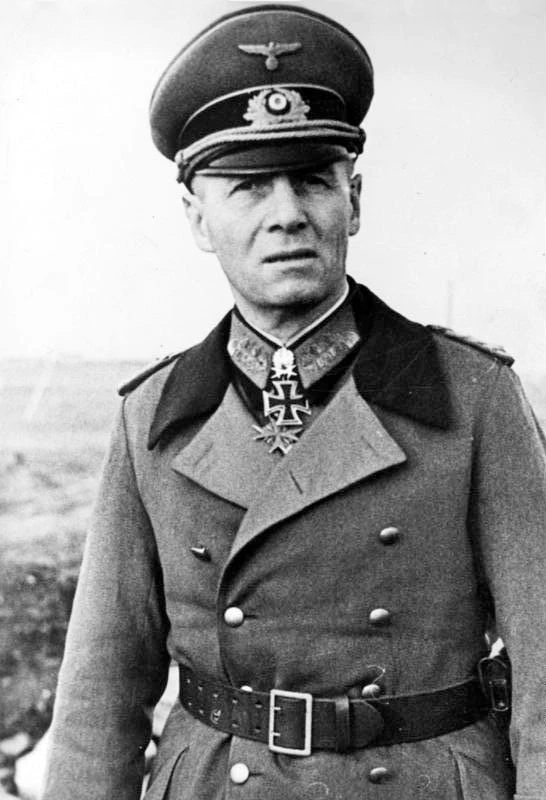
Rommel before the Serre — the Crécy bridge
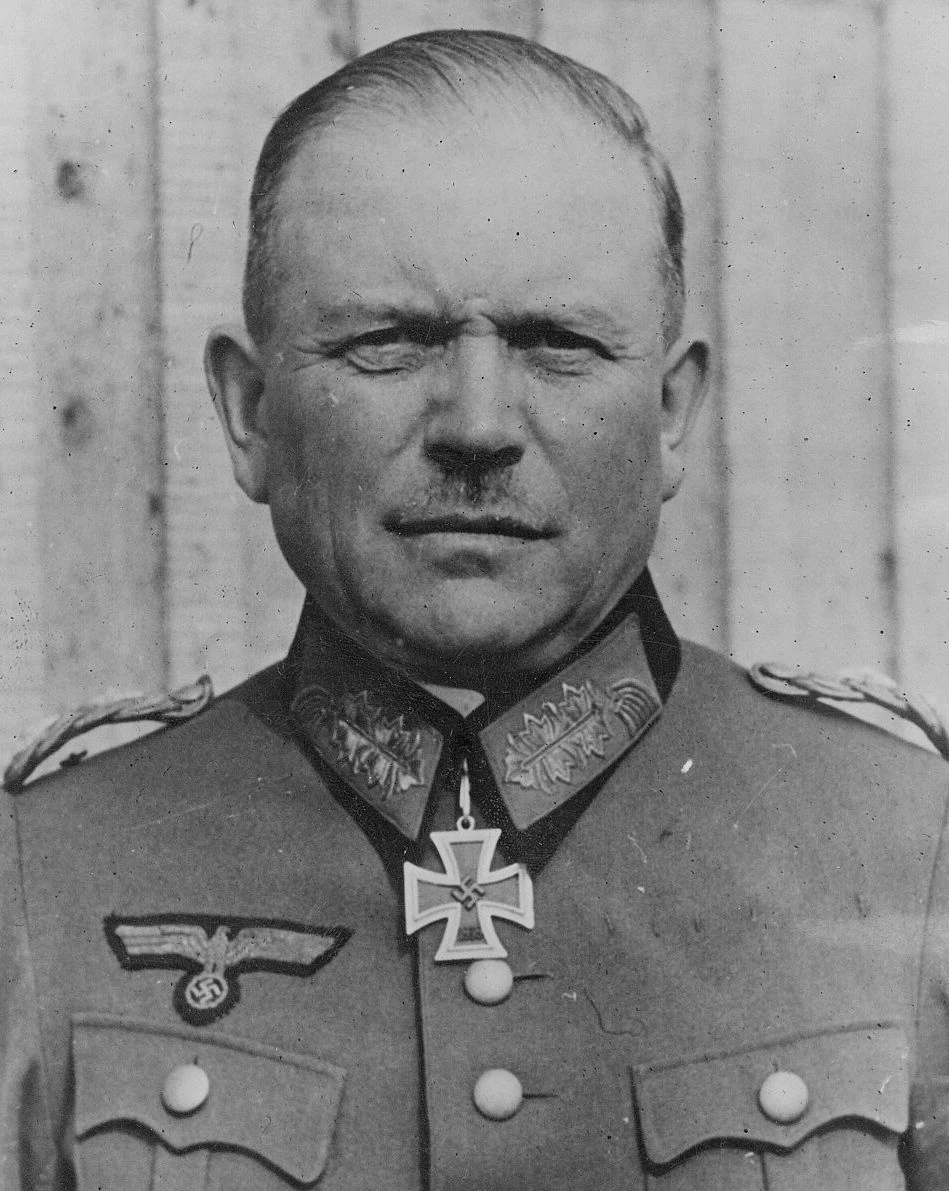
Sedan — Guderian on the Meuse
The Dutch hulls on the Rotterdam slipways
The deluge of Stukas over Sedan
Rommel's ghost division
The "Halt Order" before Dunkirk
The Otto Programme — expanding the rail network toward the East
Mölders above the columns — 18 May
Le Paradis — the barn at Cornet-Malo
Reinhardt toward the ports — the Arras threat
Rommel before the Serre — the Crécy bridge