
Mussolini — Palazzo Venezia, 1 September
, 56, has ruled Italy since 1922. In May 1939 he signed the Pact of Steel with Nazi Germany — a military alliance binding Rome to enter any war on Germany's side within the agreed timetable. His son-in-law , foreign minister, had signed the accord believing there would be a delay of three or four years before any outbreak.
On 11 August 1939, Ciano meets at Salzburg, then Hitler at the Berghof. He discovers that Germany will attack Poland within days. Mussolini is informed. On 25 August 1939, by letter, the Duce tells Hitler: "If Germany attacks Poland and the Allies counter-attack, Italy will not be able to take part at once owing to the state of her preparations." He asks for massive deliveries of raw materials (twelve million tons of matériel), impossible to supply. Hitler accepts.
On 1 September 1939 the invasion begins. Mussolini has to choose his public position. Italian opinion is overwhelmingly opposed to war. The army is not ready: 1.7 million men, but obsolete equipment, a navy without aircraft carriers, an air force whose strength has been wildly overstated. King , Badoglio and the finance minister Thaon di Revel all press for abstention. Three options sit on Ciano's desk.
Which formula should be announced publicly on 1 September?
Mussolini chooses B. At 18:00 on 1 September the Italian Council of Ministers adopts the formula of "non-belligerence" — Italy does not enter the war, but does not give up the right to do so later. On 2 September Mussolini proposes a five-power conference to Paris and London (on the Munich model) to settle the Polish crisis — a diplomatic initiative dead on arrival (the British refuse, and the Poles are already under attack). Italian non-belligerence lasts until 10 June 1940, when Mussolini enters the war against France and the United Kingdom, judging German victory imminent and wanting "a share of the cake". The phrase "non-belligerence" becomes a classic term in international law.
Learn more about this event
Related polls
10
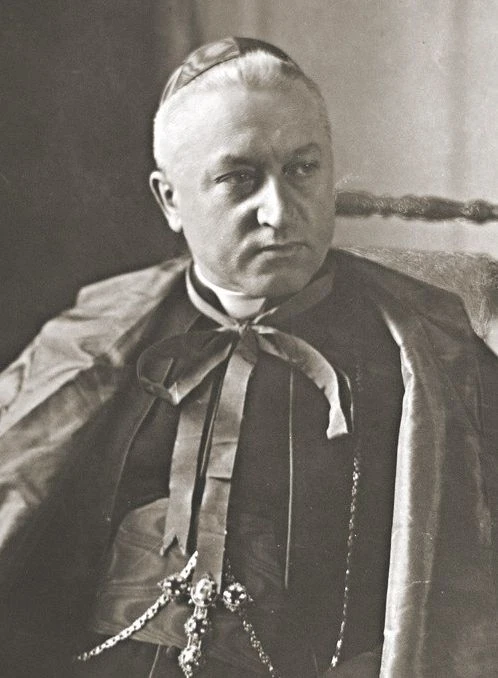
Cardinal Hlond — the Vatican's instruction
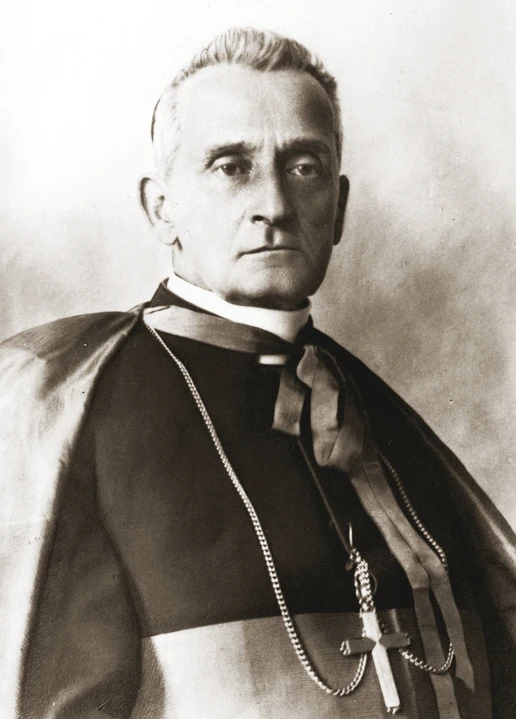
Cardinal Sapieha — Krakow under Occupation
Chamberlain — 11:15 BST
Christian X — Amalienborg, 1 September
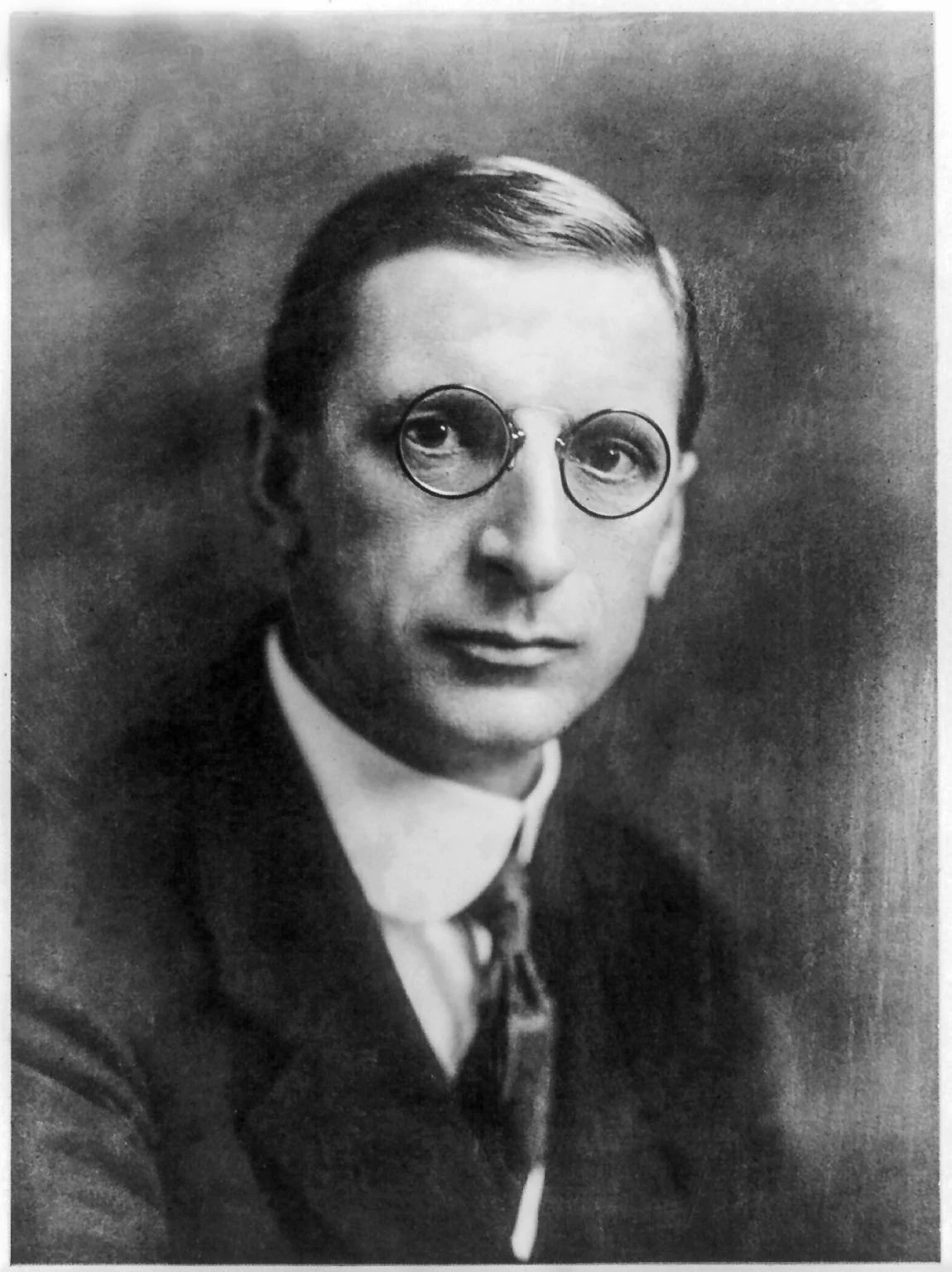
De Valera — Leinster House, 2 September
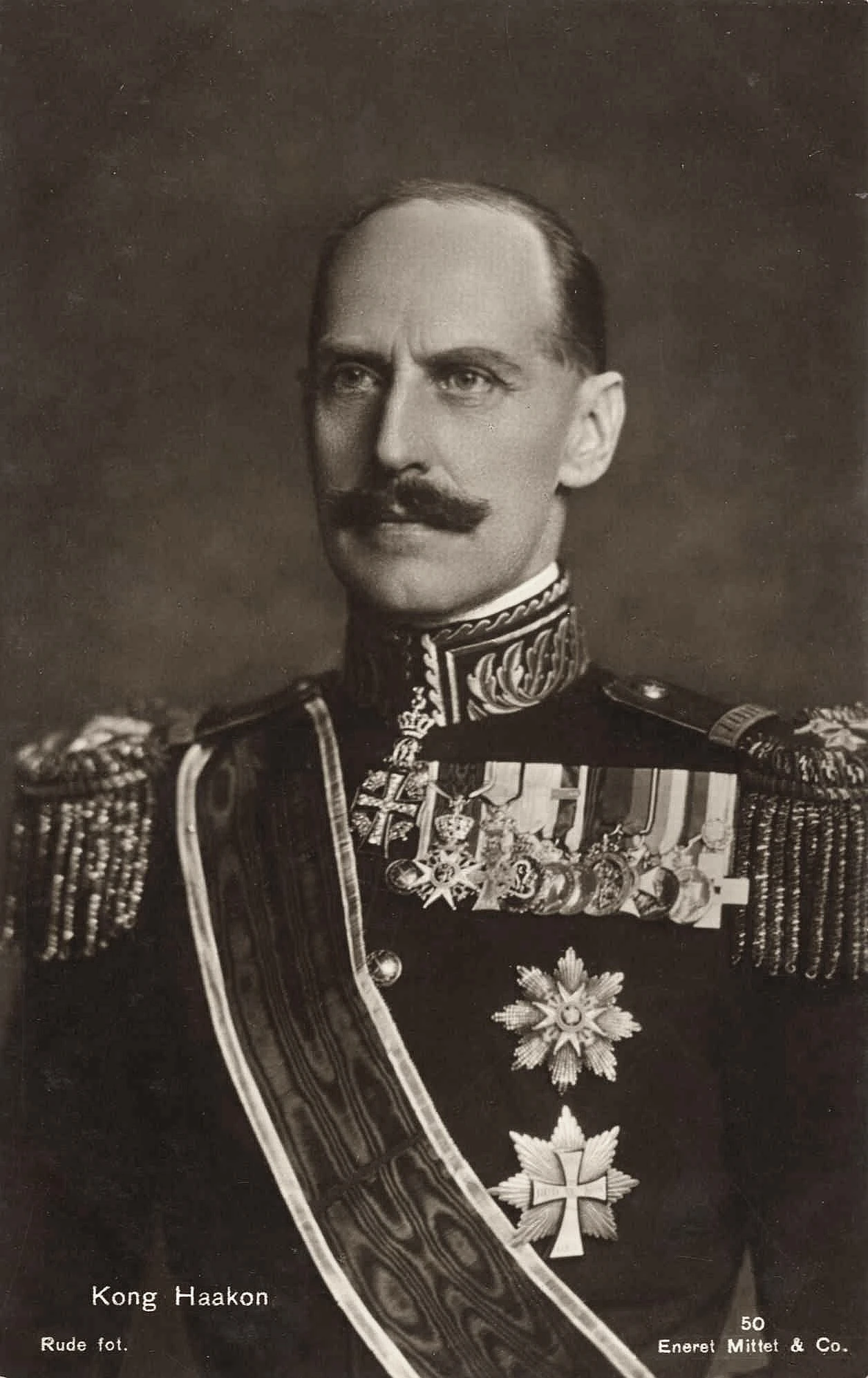
Haakon VII — Facing the Cross-Pressures
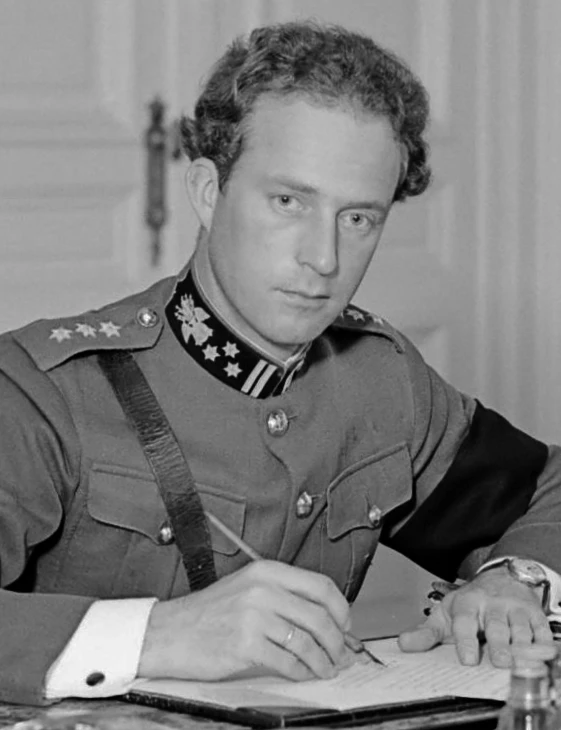
Leopold III — Brussels, 3 September
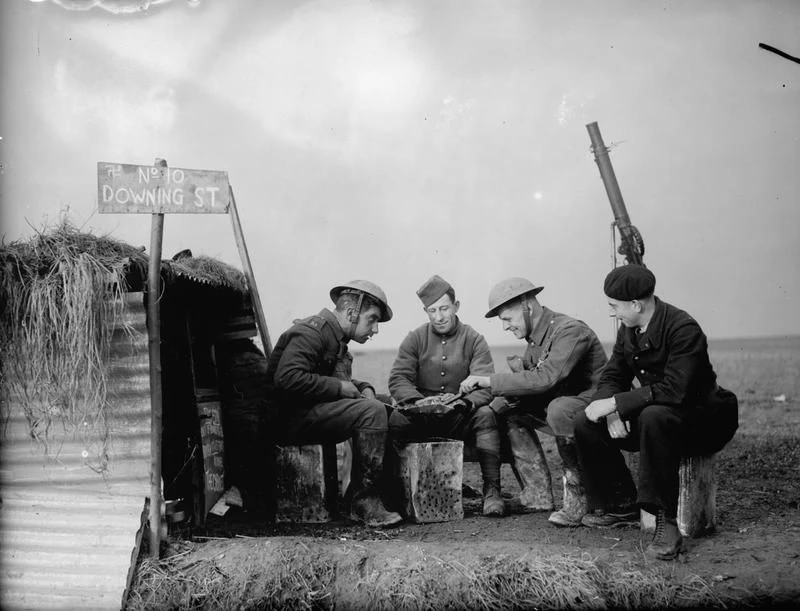
Maurras and the phoney war
Bishop Adamski in annexed Katowice
The Gold of the Bank of Poland — the destination of the SS Eocene
Cardinal Hlond — the Vatican's instruction
Cardinal Sapieha — Krakow under Occupation
Chamberlain — 11:15 BST
Christian X — Amalienborg, 1 September
De Valera — Leinster House, 2 September
Haakon VII — Facing the Cross-Pressures
Leopold III — Brussels, 3 September
Maurras and the phoney war
Bishop Adamski in annexed Katowice