
Brześć — Plisowski faces Guderian
, 49, is a former officer of the Imperial Russian Army who rallied to Poland in 1918 — a veteran of the Polish-Soviet War. On 11 September 1939, Rydz-Śmigły entrusts him with organising the defence of the fortress of Brześć Litewski (Brest, in Polesie), a nineteenth-century Russian citadel commanding the crossing of the Bug, 200 km east of Warsaw. It is a vast quadrilateral of 1,200 hectares, made up of four fortified river islands and 84 buildings.
The forces at Plisowski's disposal are thin — between 2,500 and 4,000 men depending on the source. He musters four infantry battalions, two march squadrons of cavalry, two armoured trains named Pierwszy Marszałek and Smiały, a battery of anti-aircraft guns most of which lack ammunition, and twelve Renault FT-17 tanks dating from 1918. The fortress itself has not been modernised since.
On 13 September, General 's arrives before Brześć, at the end of a lightning advance from East Prussia — some 700 km in thirteen days. He brings three divisions, the , the and the , about 42,000 men and 350 tanks.
The attack opens on 14 September at 14:00. The Germans take unexpected losses: lying in ambush in the citadel's gateways, the old Polish FT-17s knock out the leading Panzer IIs. On 16 September Plisowski is wounded twice. By the morning of the 17th, he has only a thousand fit men left, and his ammunition is running out.
Plisowski must decide how to break off.
How to break off on the morning of the 17th?
Plisowski chooses A. In the night of 16-17 September, a breakout in force across the eastern bridges of the fortress toward Kowel. About 1,000 men cut their way through the German lines, with losses. Plisowski himself, gravely wounded, is captured en route near Sarny by the on 28 September (the Soviet invasion had overtaken him). Transferred to the camp at Starobielsk, he is among the 3,820 Polish officers murdered in the spring of 1940 at Kharkov by the NKVD (a branch of Katyn). His body would be identified in 1990 by the Soviet exhumations at Piatikhatky. The Brześć fortress is officially handed over to the Soviets on 22 September in a joint Wehrmacht- parade presided over by Guderian and the kombrig — an emblematic image of the German-Soviet partition of Poland. Brześć becomes Soviet, then Belarusian in 1991 (Brest).
Learn more about this event
Related polls
10
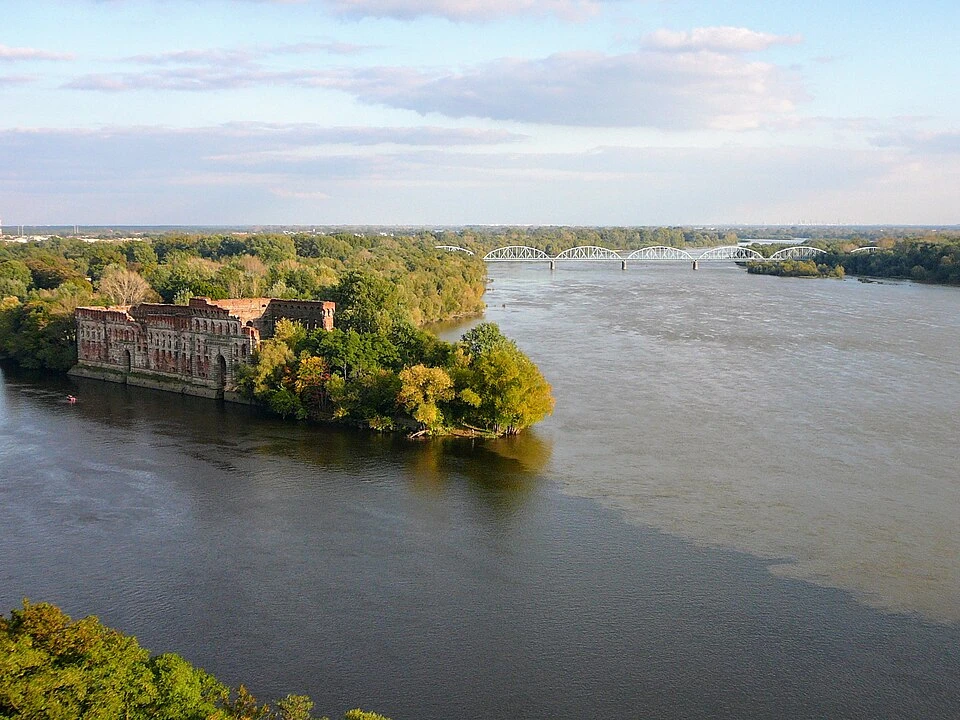
Modlin — Thommée at the last fortress
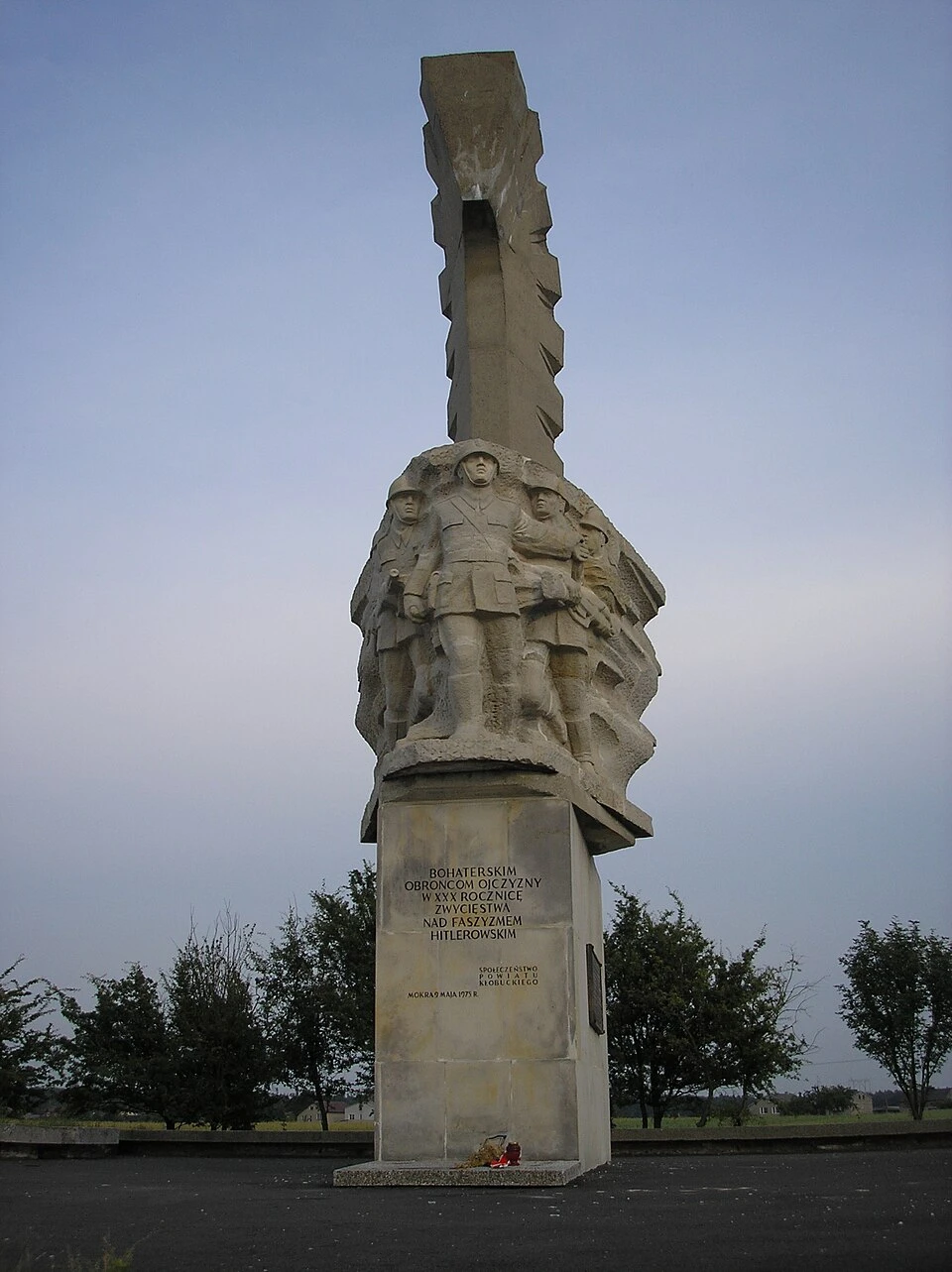
Mokra — Filipowicz and the Volhynian Brigade
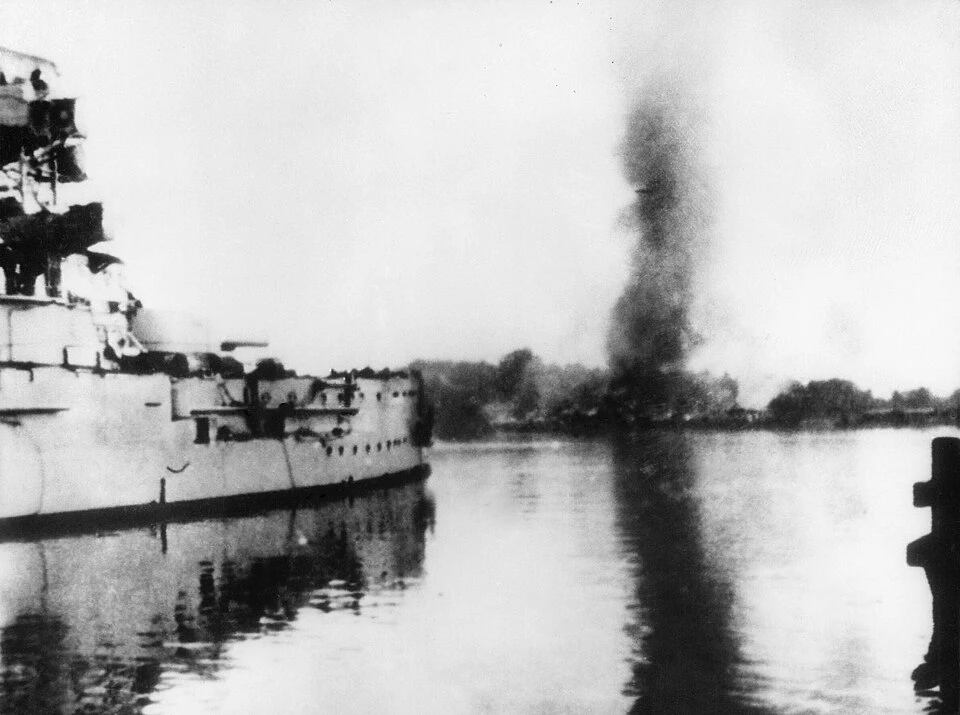
Westerplatte — Sucharski under the Schleswig-Holstein's guns
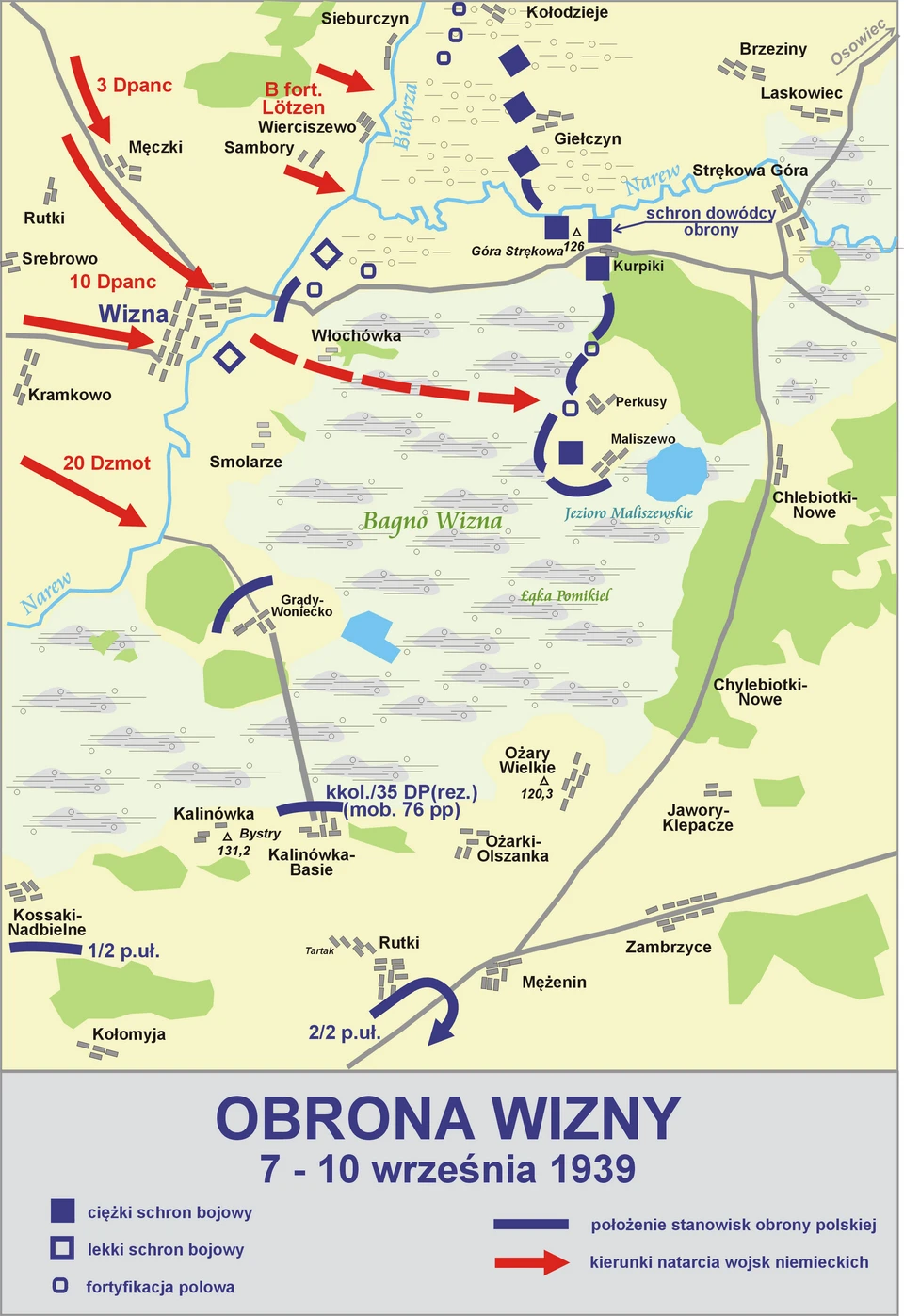
Wizna — Raginis in the Górka bunker
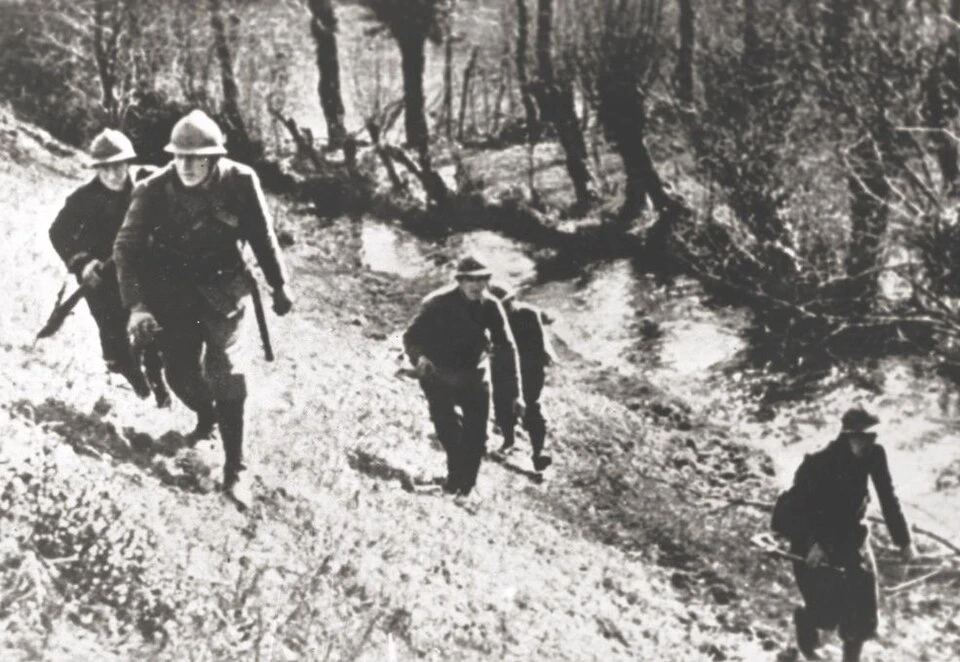
Kock — Kleeberg on the morning of 6 October
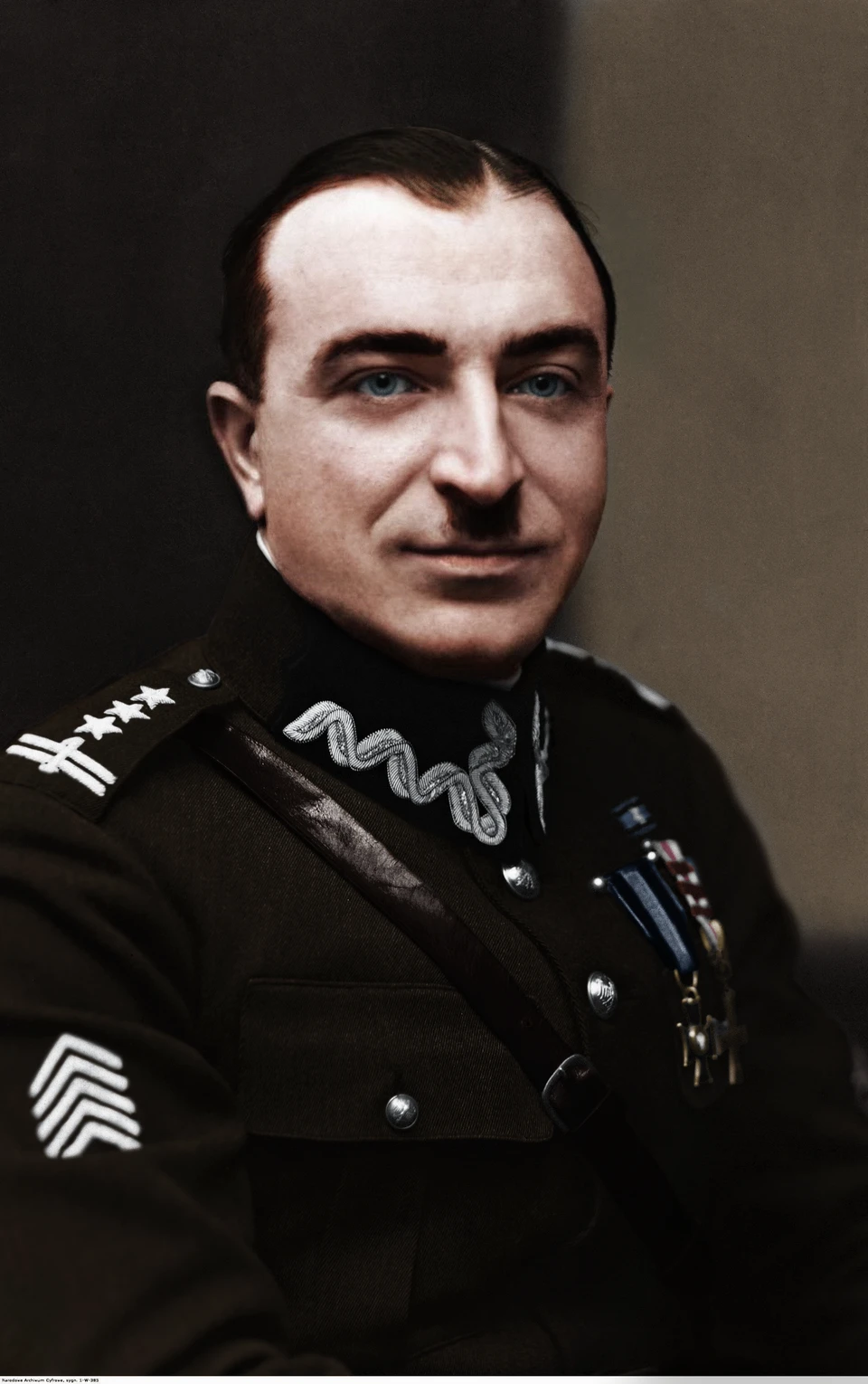
Wytyczno — Orlik-Rückemann after Szack
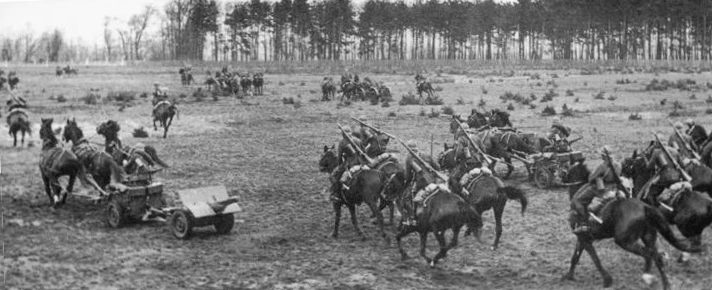
The Bzura — Kutrzeba faces the trap
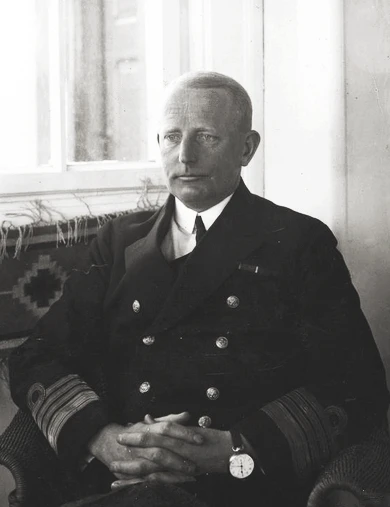
Hel — Unrug faces the German envoy
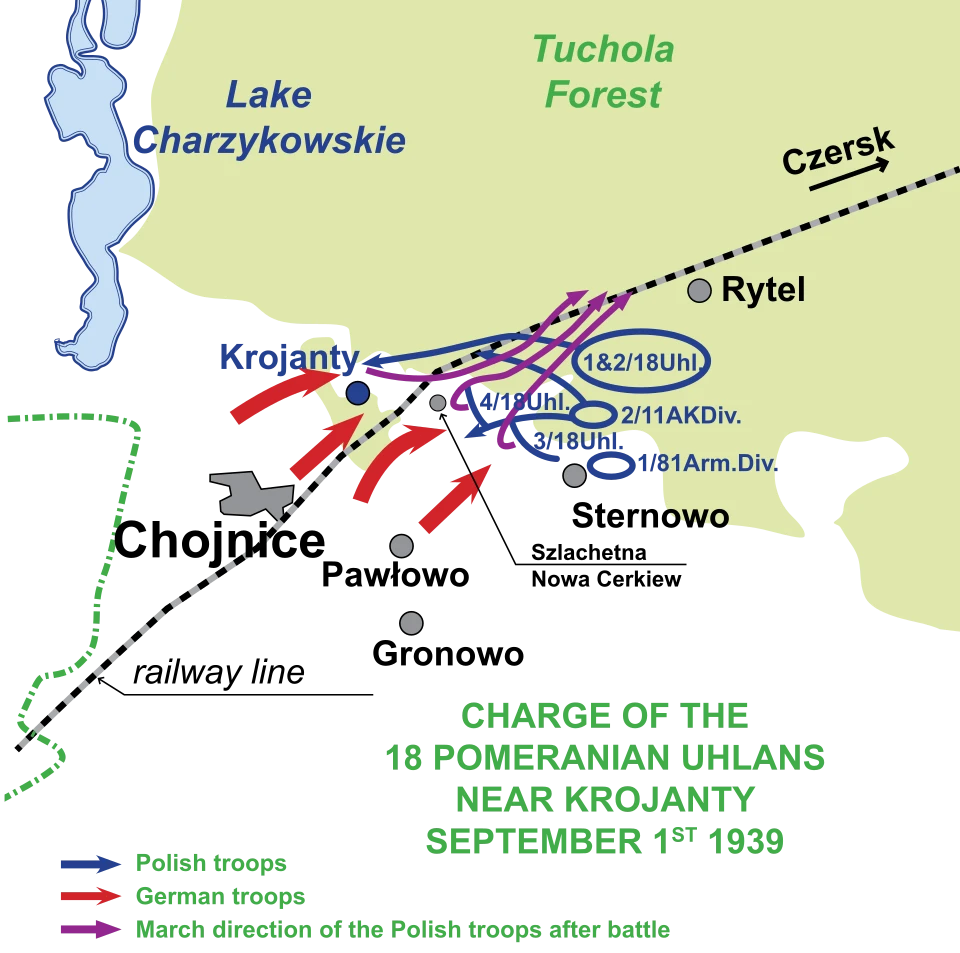
Krojanty — Mastalerz and the 18th Uhlans
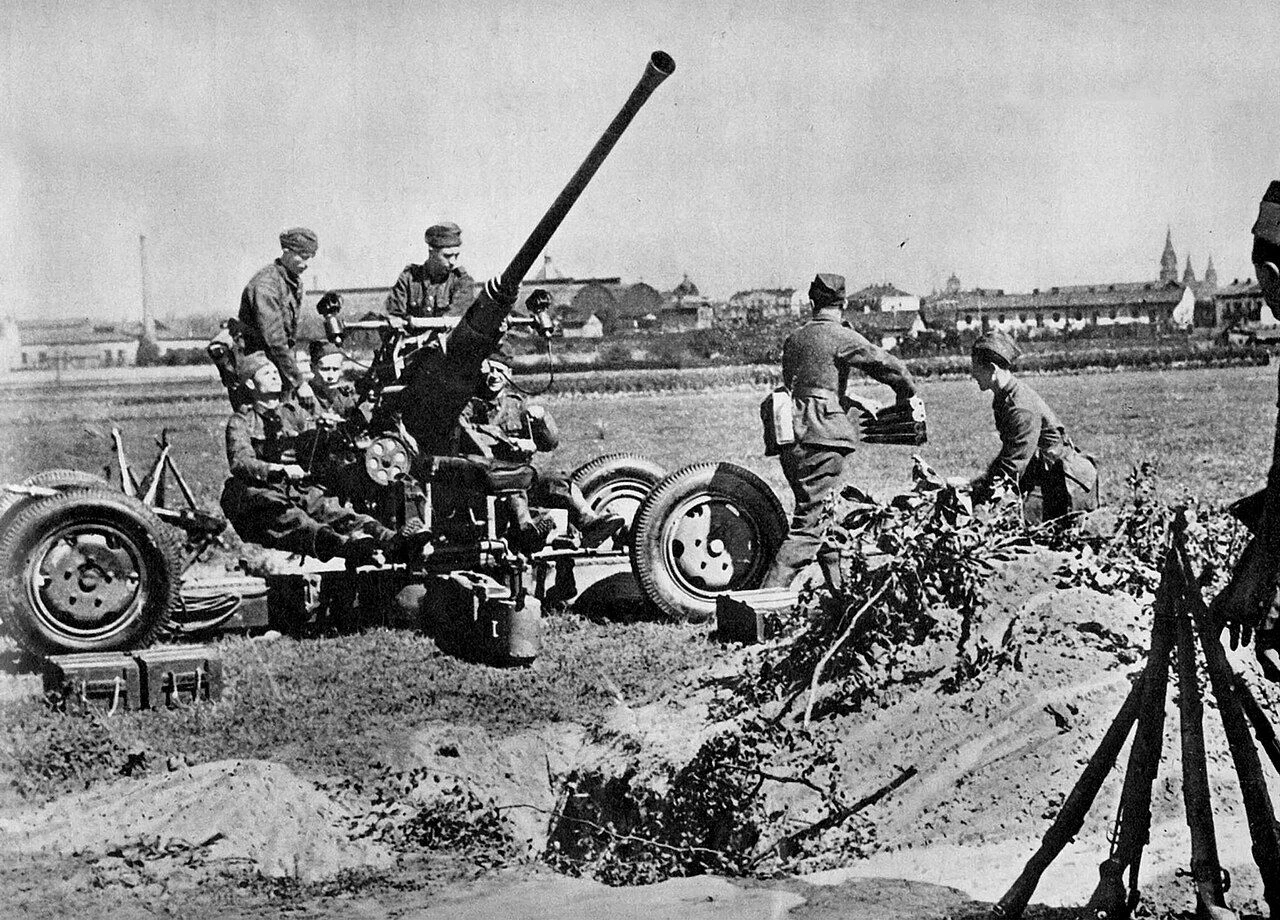
Lwów — Langner between two occupiers
Modlin — Thommée at the last fortress
Mokra — Filipowicz and the Volhynian Brigade
Westerplatte — Sucharski under the Schleswig-Holstein's guns
Wizna — Raginis in the Górka bunker
Kock — Kleeberg on the morning of 6 October
Wytyczno — Orlik-Rückemann after Szack
The Bzura — Kutrzeba faces the trap
Hel — Unrug faces the German envoy
Krojanty — Mastalerz and the 18th Uhlans