
Czerniaków — the offer of the Judenrat
, 59, is a chemical engineer by training (Warsaw Polytechnic, doctorate at Dresden 1908). A senator since 1931 — one of the two Jewish representatives in the Polish Senate. Vice-president of the Council of the Jewish Community of Warsaw (Gmina Wyznaniowa Żydowska) since 1937. A liberal conservative, a moderate Zionist, in favour of Polish cultural integration.
On 23 September 1939, as the siege of Warsaw enters its third week, the elected president of the Jewish community, , flees the city. Mayor urgently summons Czerniaków and by decree names him president of the Warsaw Jewish community — at that point some 375,000 people. Czerniaków accepts on the afternoon of the 23rd.
By 27 September, after the Polish capitulation, the German occupier reopens contact with him. On 4 October 1939, the authorities of the Generalgouvernement (still being set up under ) announce to him that he will be officially recognised as president of a Judenrat (an imposed Jewish council) on the Nazi model. His duties: to carry out German orders concerning the Jewish population, to organise the collection of fines, to provide lists, to administer the wearing of the star armband (decree of 23 November 1939). He has, in theory, a power of internal administration, in exchange for obedience to German orders.
What answer should he give to the offer of the Judenrat presidency?
Czerniaków chooses A. He accepts the Judenrat presidency and keeps it until his death. For 33 months he keeps a personal diary (published posthumously) in which he records every day the humiliations, the fines (the first, of one million złotys, demanded on 5 October 1939), the constraints, his attempts at negotiation. He fights antisemitic rumours, organises food relief, finances the soup kitchens, keeps the hospitals of the Warsaw Ghetto running (the ghetto was created in October 1940). On 22 July 1942, the first day of the great deportation to Treblinka, the SS demand that the Judenrat hand over a list of 6,000 children. Czerniaków refuses, withdraws to his office, and swallows a cyanide capsule he had kept since 1939. His death, followed by a message to his wife — "They demand that I kill with my own hands the children of my people. I can only die." — becomes one of the best-known acts of protest of the Shoah. His diary, recovered in 1968, is one of the major sources on daily life in the Warsaw Ghetto. calls him "the tragic president of a condemned community".
Learn more about this event
Related polls
10
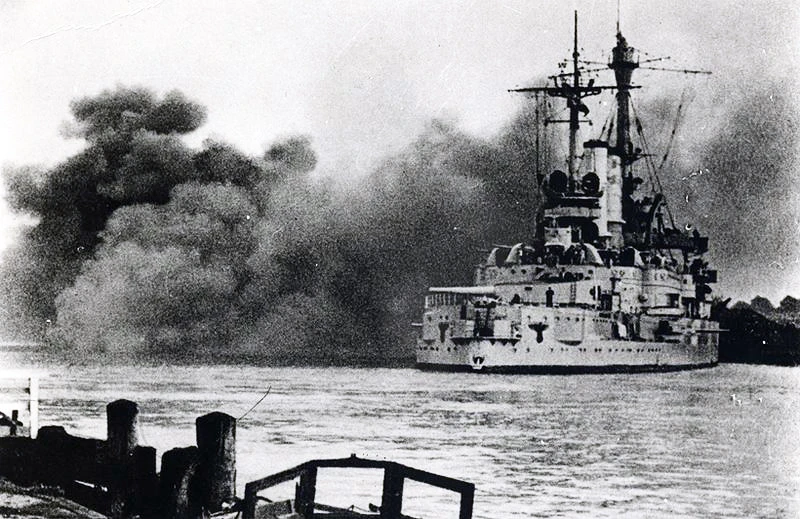
Danzig, September 1939 — the policeman of the Free City
Hans Frank — the taking of the Wawel
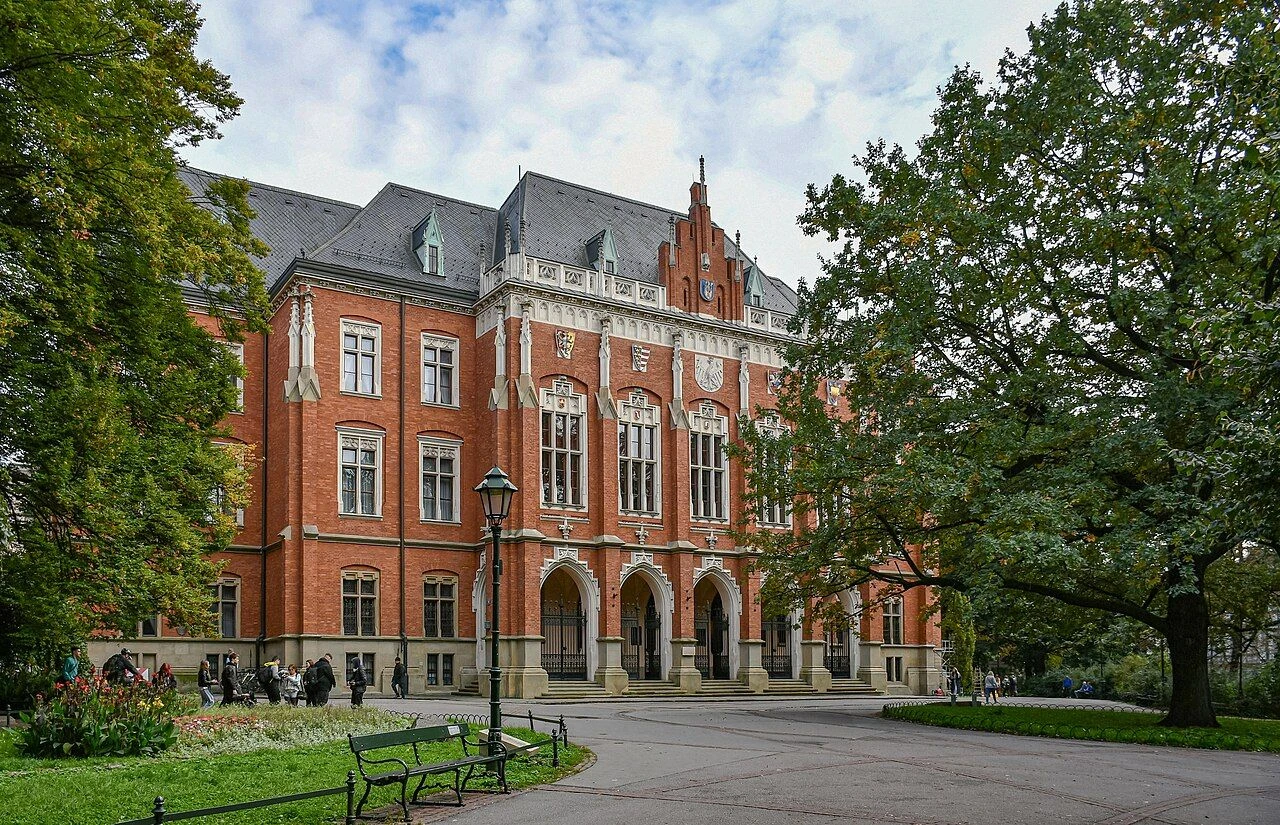
The University of Warsaw under the Bombs
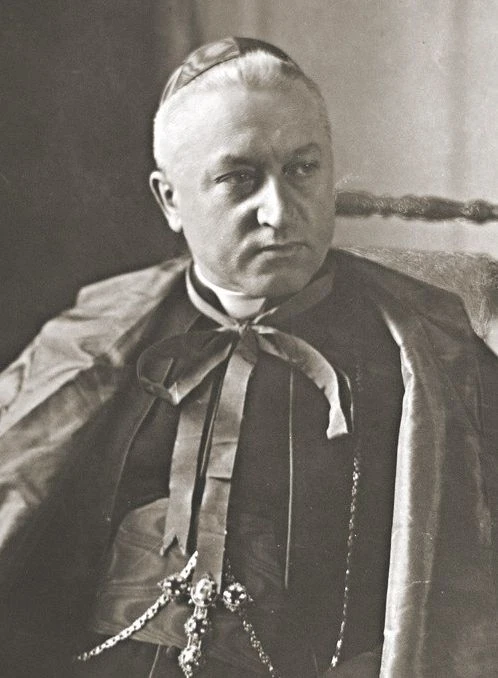
Cardinal Hlond — the Vatican's instruction
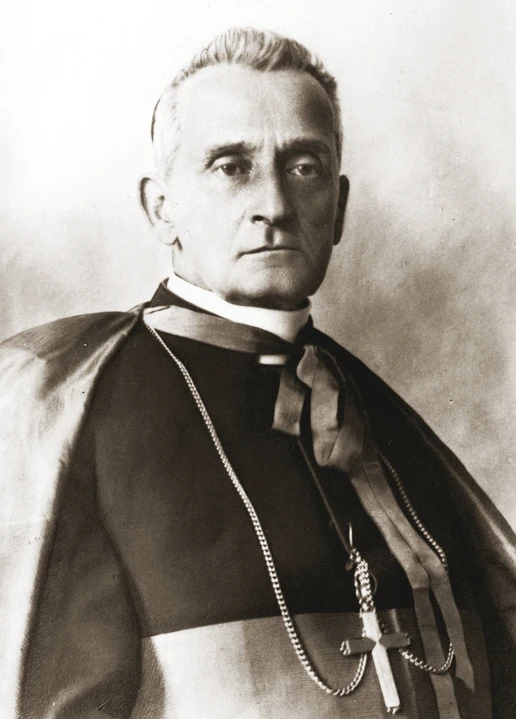
Cardinal Sapieha — Krakow under Occupation
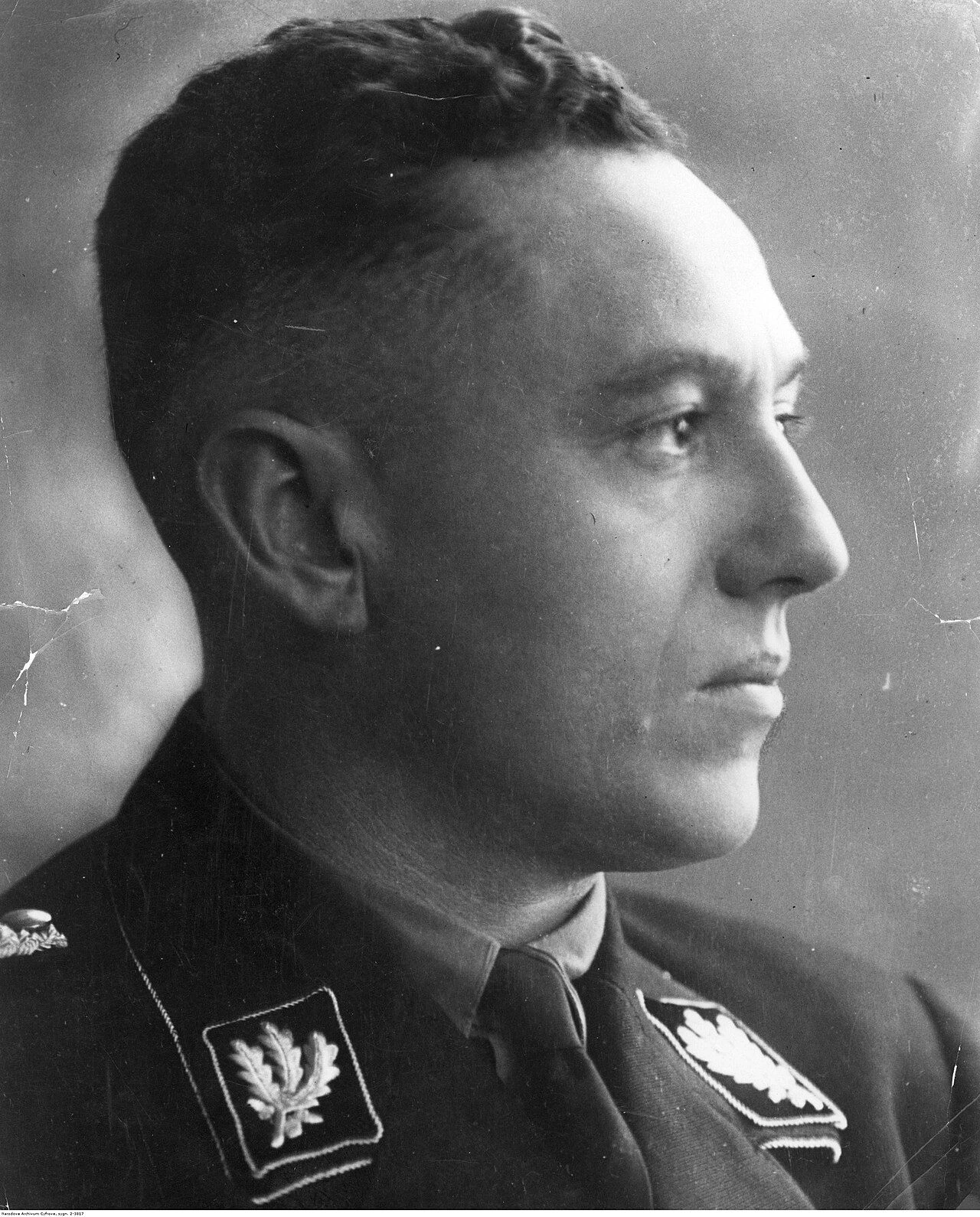
Forster — Kashubians and Kociewiacy
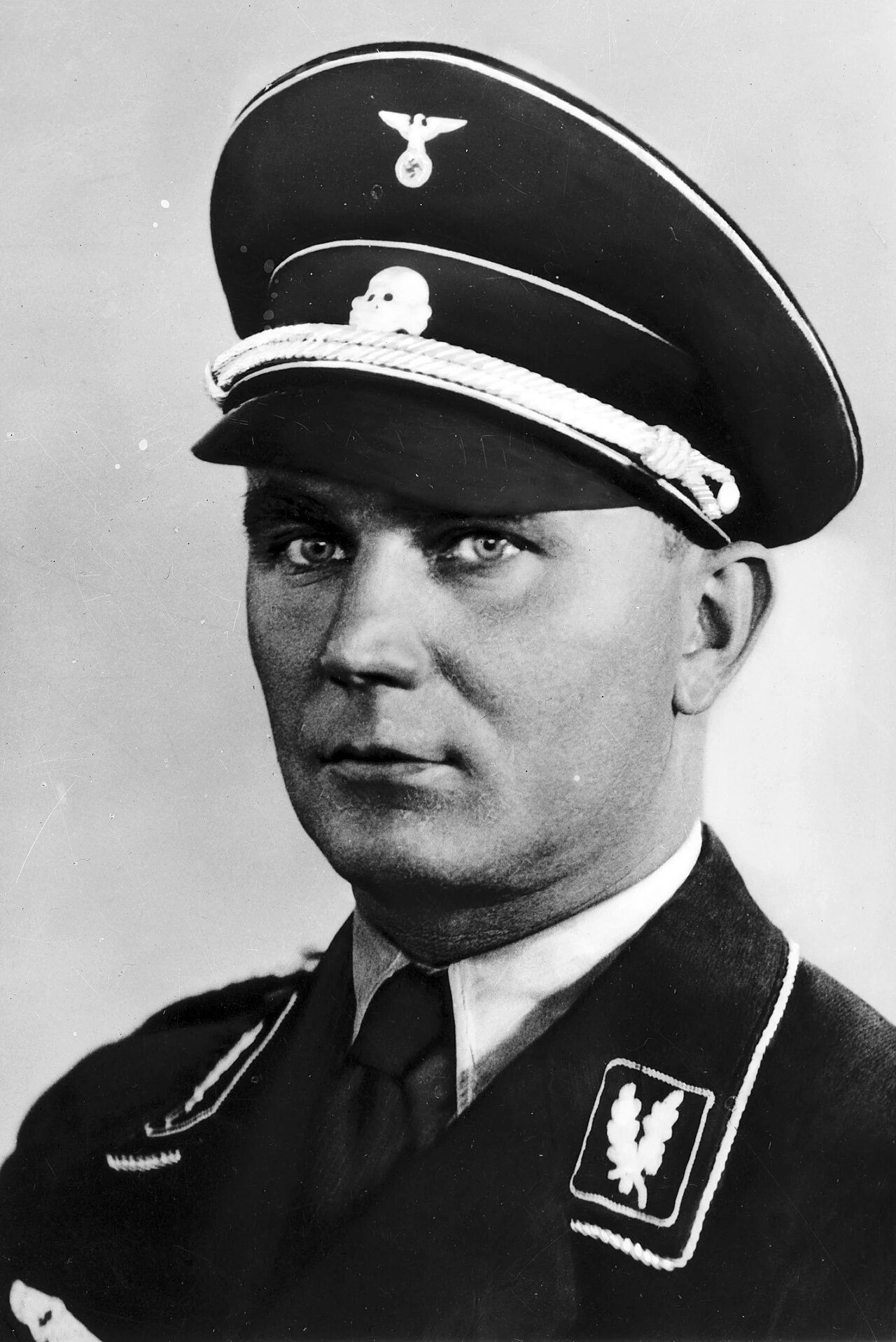
Greiser — the Priority of the Wartheland
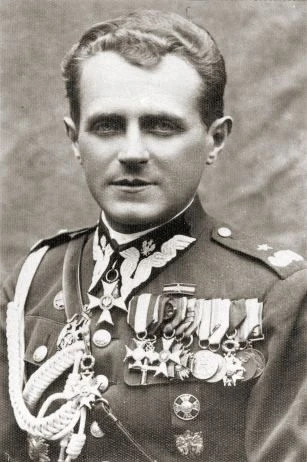
Karaszewicz-Tokarzewski — Founding the SZP
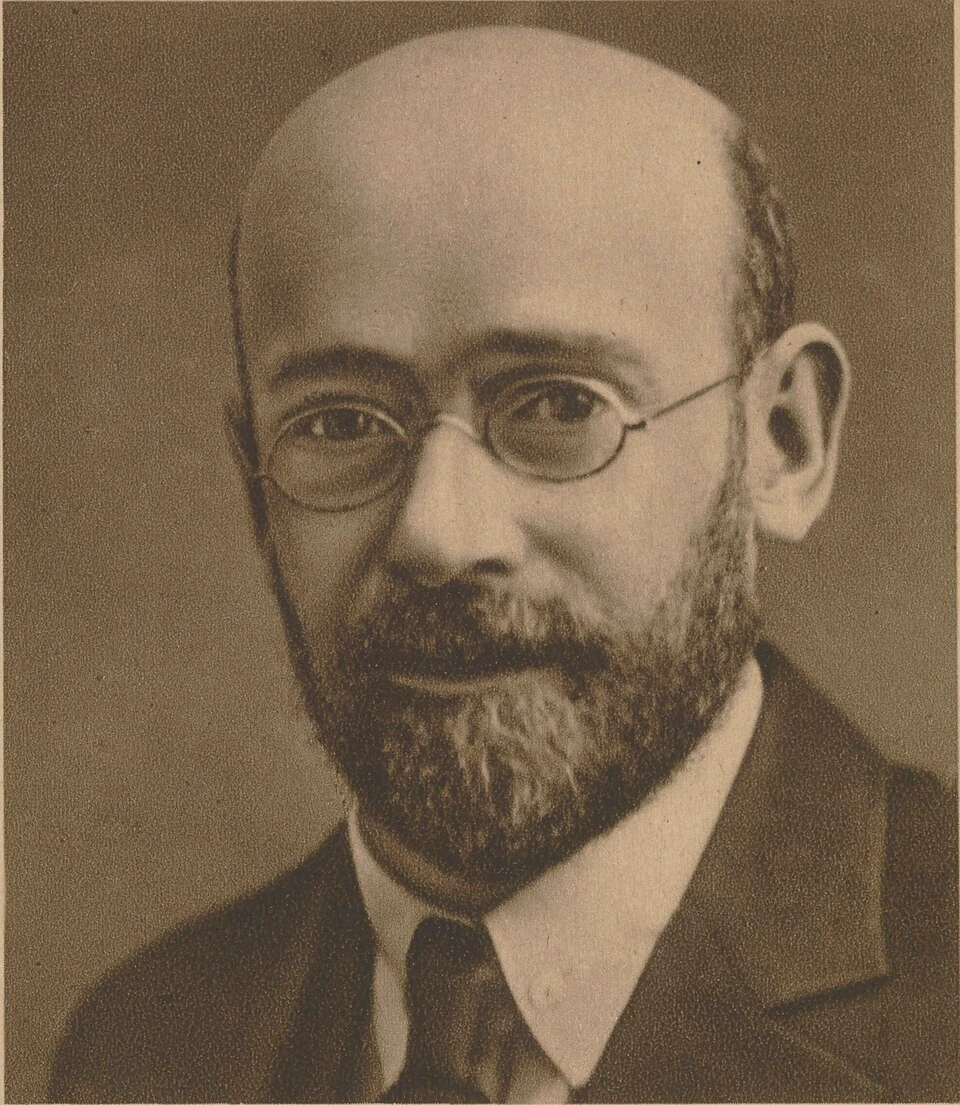
Korczak — facing the siege of Warsaw
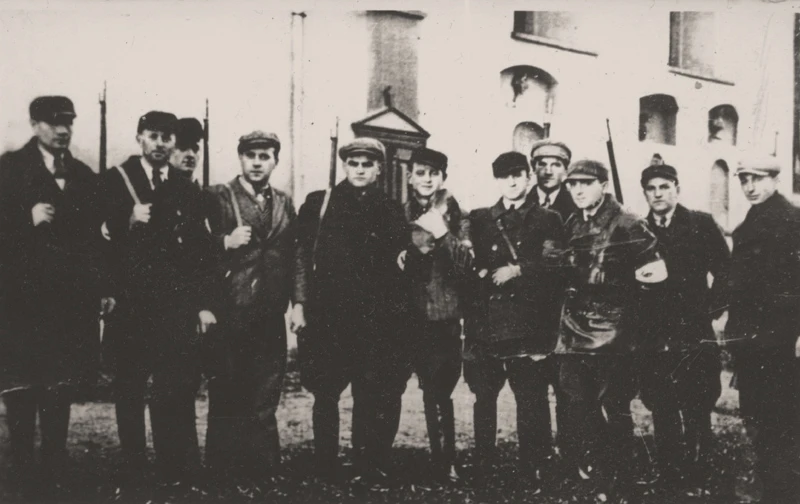
The Volksdeutsche Conscripted into the Selbstschutz
Danzig, September 1939 — the policeman of the Free City
Hans Frank — the taking of the Wawel
The University of Warsaw under the Bombs
Cardinal Hlond — the Vatican's instruction
Cardinal Sapieha — Krakow under Occupation
Forster — Kashubians and Kociewiacy
Greiser — the Priority of the Wartheland
Karaszewicz-Tokarzewski — Founding the SZP
Korczak — facing the siege of Warsaw