
The Free City of Danzig, placed under the authority of the League of Nations but populated in its overwhelming majority by Germans, has become the seat of the crisis. Its Senate, dominated by 's local Nazis, multiplies provocations: clandestine importation of arms, formation of paramilitary militias, harassment of Polish officials.
Poland holds rights there — customs, access to the port, diplomatic representation — which it intends to defend. During the summer of 1939, a quarrel breaks out over the Polish customs inspectors, whom the Danzig authorities wish to oust. The affair becomes a test of will.
Beck's government must calibrate its response. To address a firm ultimatum to Danzig, warning that any attempt at annexation or infringement of Polish rights would be considered a casus belli? To compromise so as not to offer Berlin a pretext for intervention? Or to respond with measured firmness, defending Polish rights without yielding to escalation? Every incident at Danzig can serve as a spark, and all of Europe watches for Warsaw's reaction.
Faced with Danzig's provocations, should Warsaw brandish an ultimatum, compromise, or offer measured firmness?
Warsaw chooses C, with overtones of A: at the height of the customs inspectors' crisis, the Polish government makes clear that it will defend its rights and that an incorporation of Danzig into the Reich would be a casus belli, while avoiding giving Berlin the pretext for an immediate riposte. The customs quarrel subsides provisionally, but the tension remains: Danzig stays the fuse Hitler intends to light. Polish firmness, supported by the British guarantee, seals the impossibility of a negotiated settlement and brings the reckoning nearer. Berlin, for its part, continues to stoke tensions at Danzig, of which it makes the avowed pretext for its demands.
Learn more about this event
Related polls
10
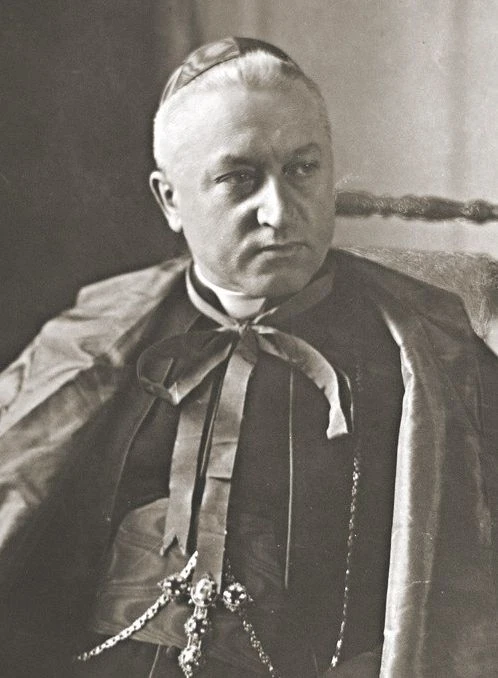
Cardinal Hlond — the Vatican's instruction
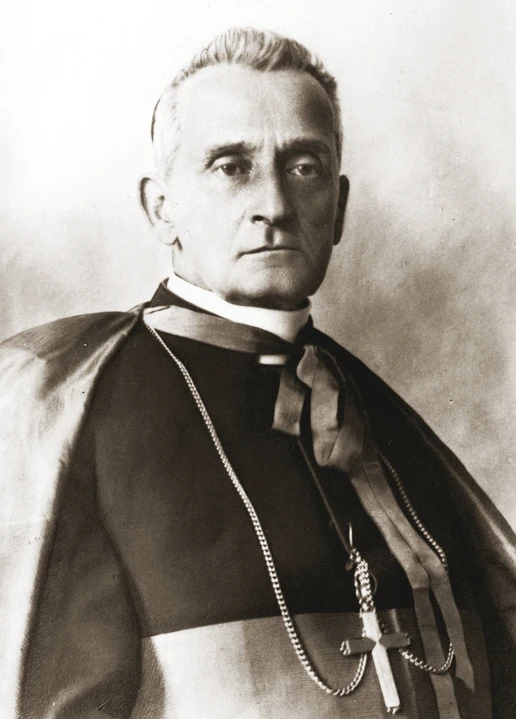
Cardinal Sapieha — Krakow under Occupation
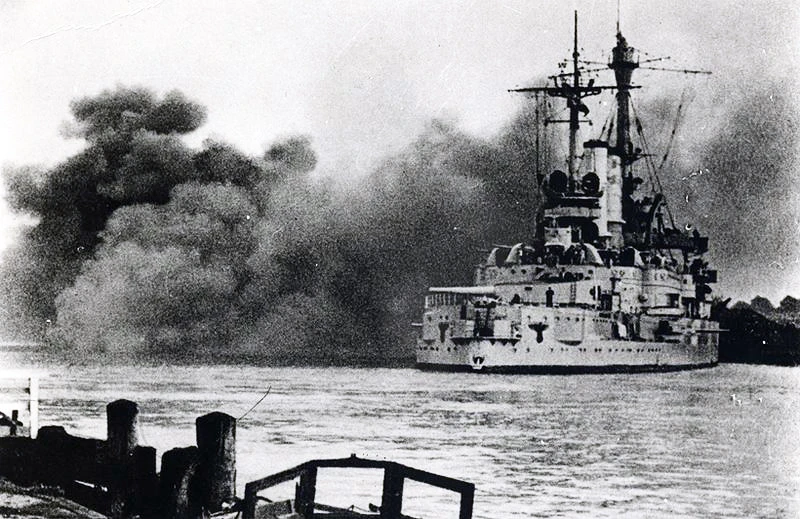
Danzig, September 1939 — the policeman of the Free City
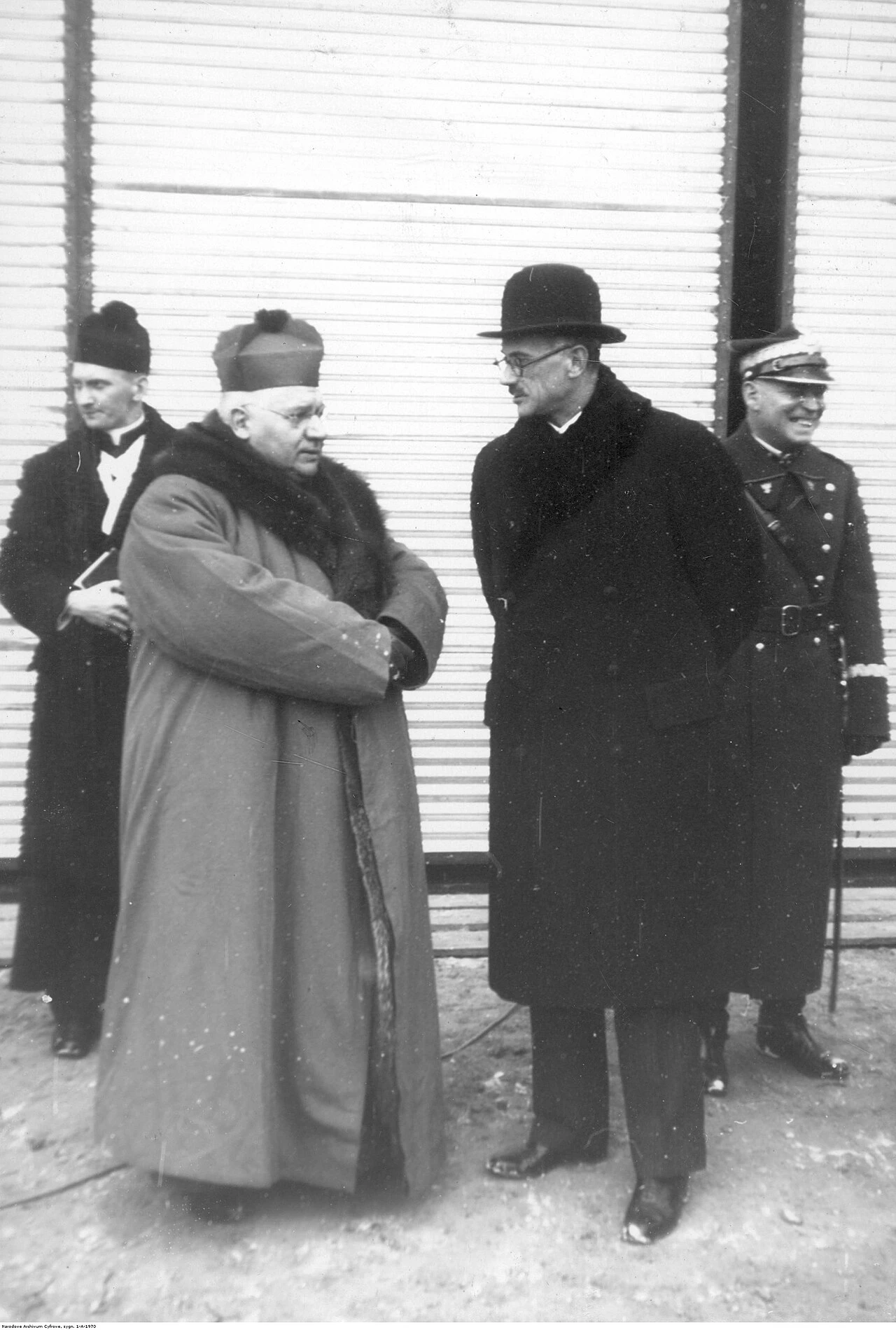
Bishop Adamski in annexed Katowice
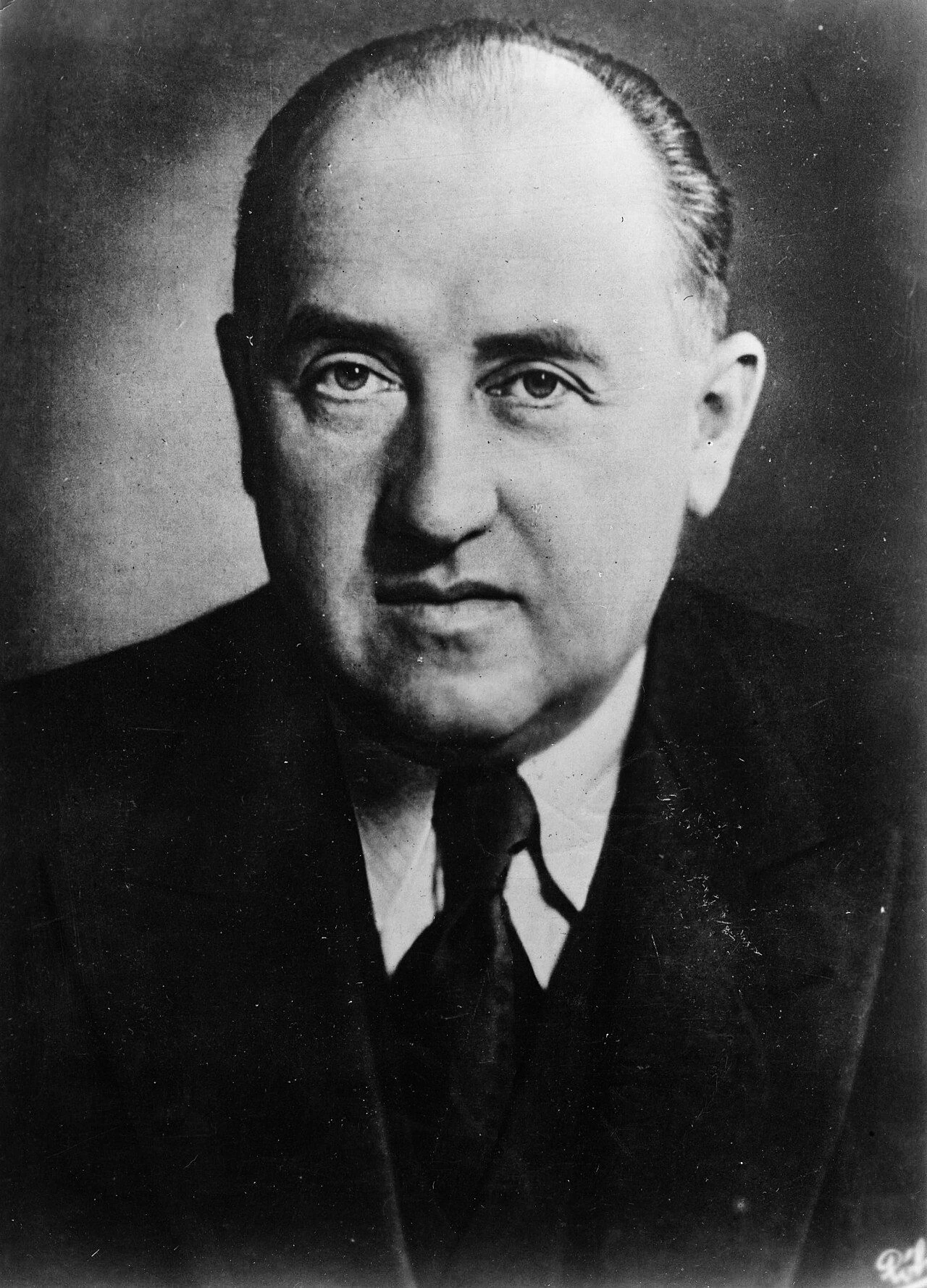
The Gold of the Bank of Poland — the destination of the SS Eocene
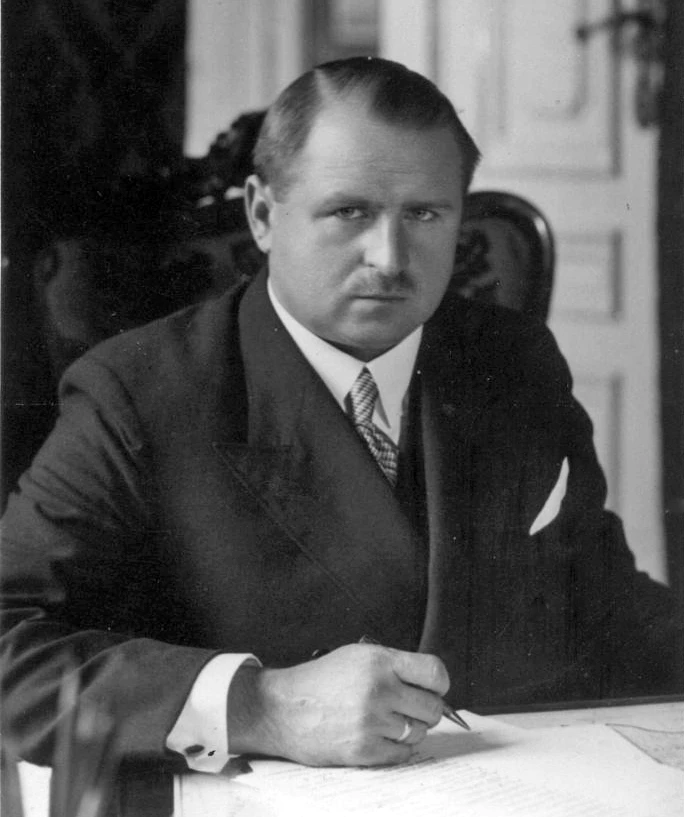
Starzyński — Mówi Warszawa
Wasilewska in Lwów, then Moscow
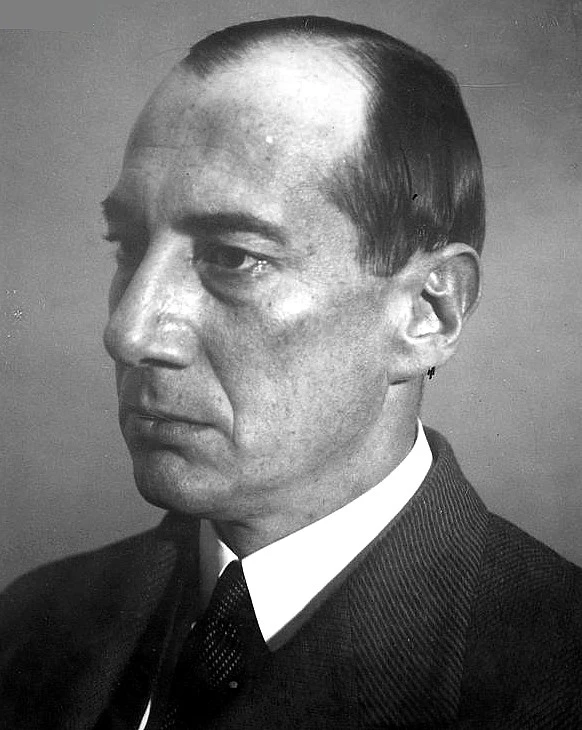
Beck Before the Sejm
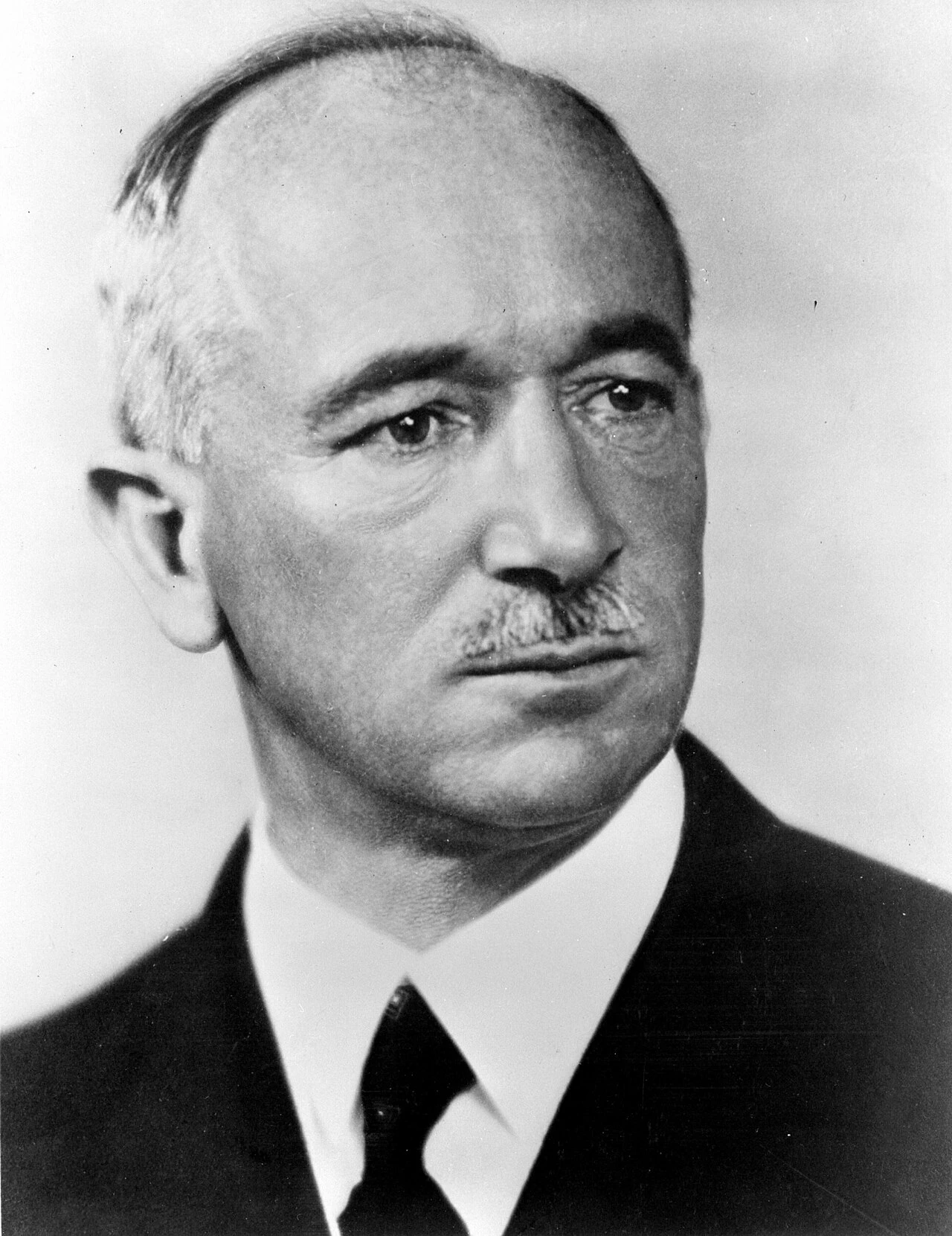
Beneš in London — autumn 1939
Borakowski and the merchant fleet
Cardinal Hlond — the Vatican's instruction
Cardinal Sapieha — Krakow under Occupation
Danzig, September 1939 — the policeman of the Free City
Bishop Adamski in annexed Katowice
The Gold of the Bank of Poland — the destination of the SS Eocene
Starzyński — Mówi Warszawa
Wasilewska in Lwów, then Moscow
Beck Before the Sejm
Beneš in London — autumn 1939