
The Statute of Westminster of 1931 recognised the autonomy of the Dominions — Canada, Australia, New Zealand, South Africa — including in matters of foreign policy. In theory, each can now decide alone whether or not to enter a war, even when the United Kingdom is engaged.
In the summer of 1939, with war threatening in Europe, this autonomy raises a burning question. In Australia, Prime Minister , in office since April, must define his country's position. In Canada, Prime Minister King intends to let Parliament decide. In South Africa, the government is deeply divided between proponents of neutrality and proponents of engagement.
Menzies must choose. To assert that Australia, bound to the Crown, will automatically enter the war alongside the United Kingdom, out of loyalty and imperial interest? To claim a fully independent decision, submitted to the Australian Parliament? Or to temporise, waiting to see how the European crisis evolves? The answer involves the war effort of an entire continent and the very nature of the imperial bond.
Should Australia automatically follow the United Kingdom into war, or decide in full independence?
Menzies chooses A: on 3 September 1939, he announces on the radio that, the United Kingdom being at war with Germany, Australia is so 'as a consequence'. Canada, for its part, will wait for a parliamentary vote a few days later, thus affirming its autonomy while entering the war. South Africa will experience a governmental crisis: the proponent of neutrality, Hertzog, will be overthrown in favour of Smuts, who will bring the country into the conflict. The Dominions thus illustrate the whole range of responses — from loyal compliance to sovereign decision — that their new autonomy permitted. The Dominions' war effort, in men and resources, will weigh heavily in the Allied balance as the conflict unfolds.
Learn more about this event
Related polls
10
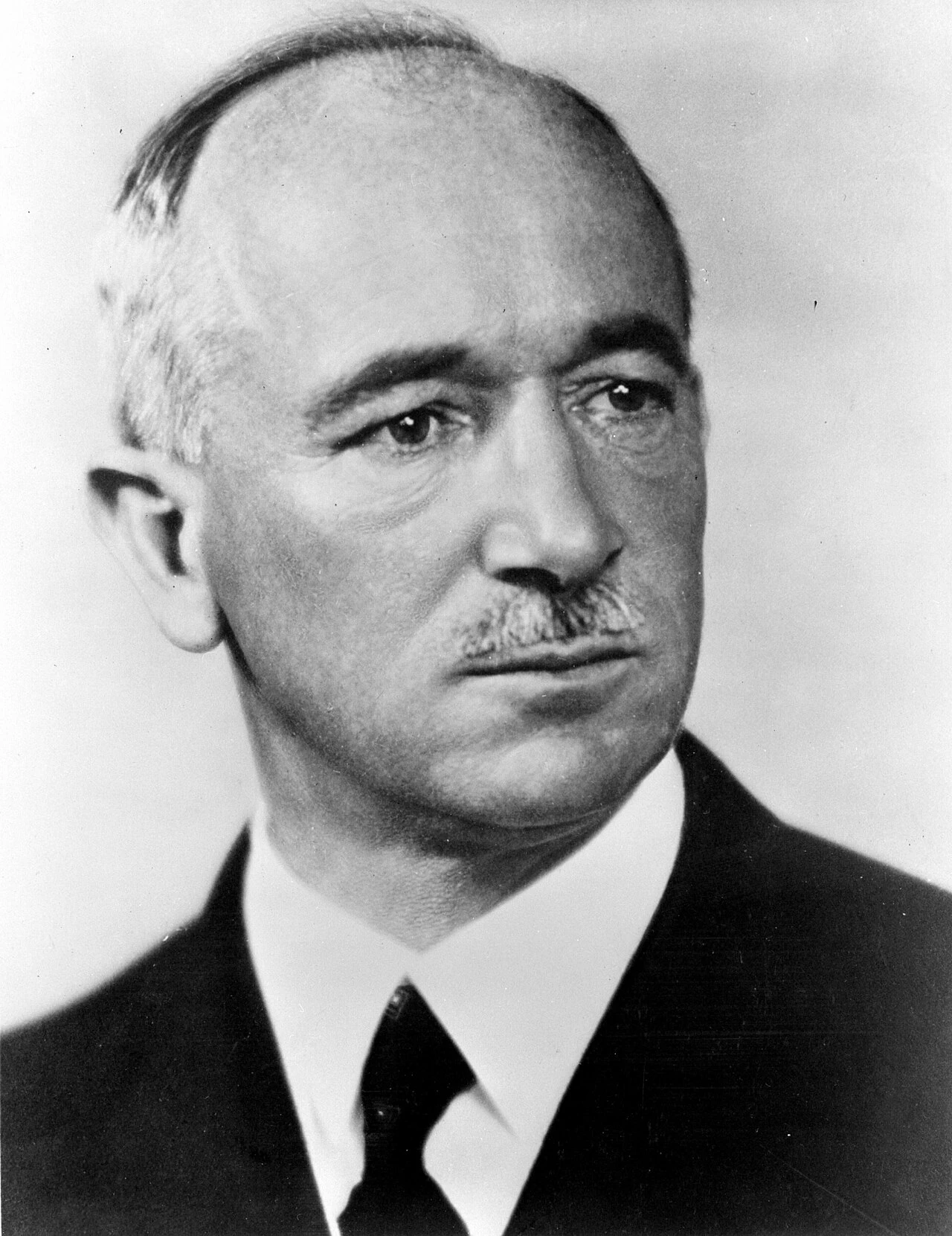
Beneš in London — autumn 1939
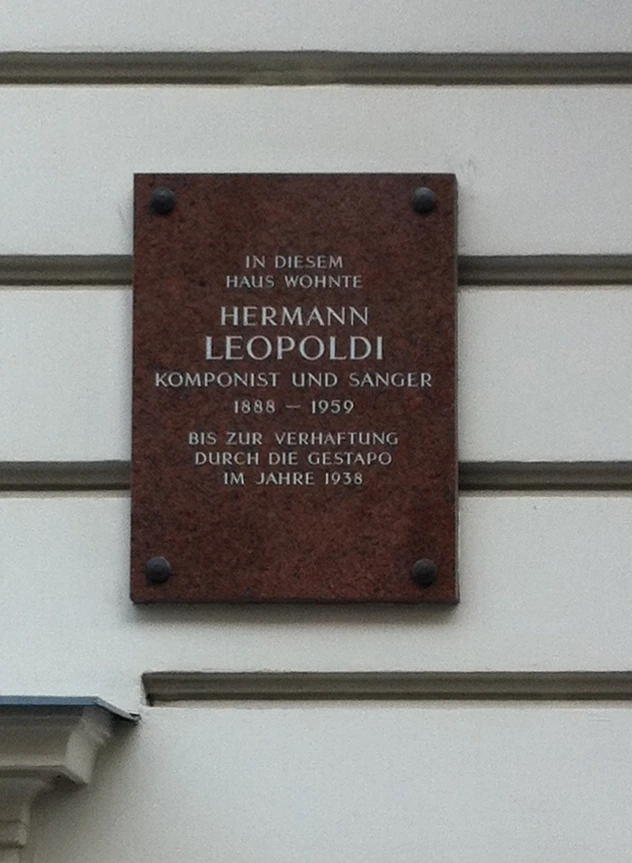
Informing on a Jewish Neighbor in Vienna
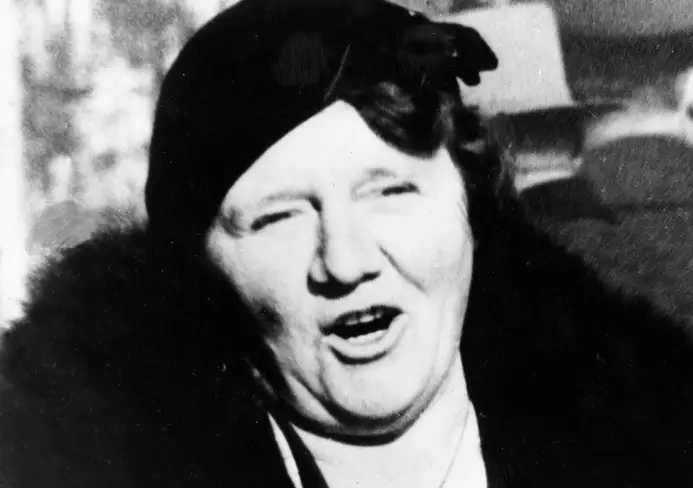
The Youth of the Reich
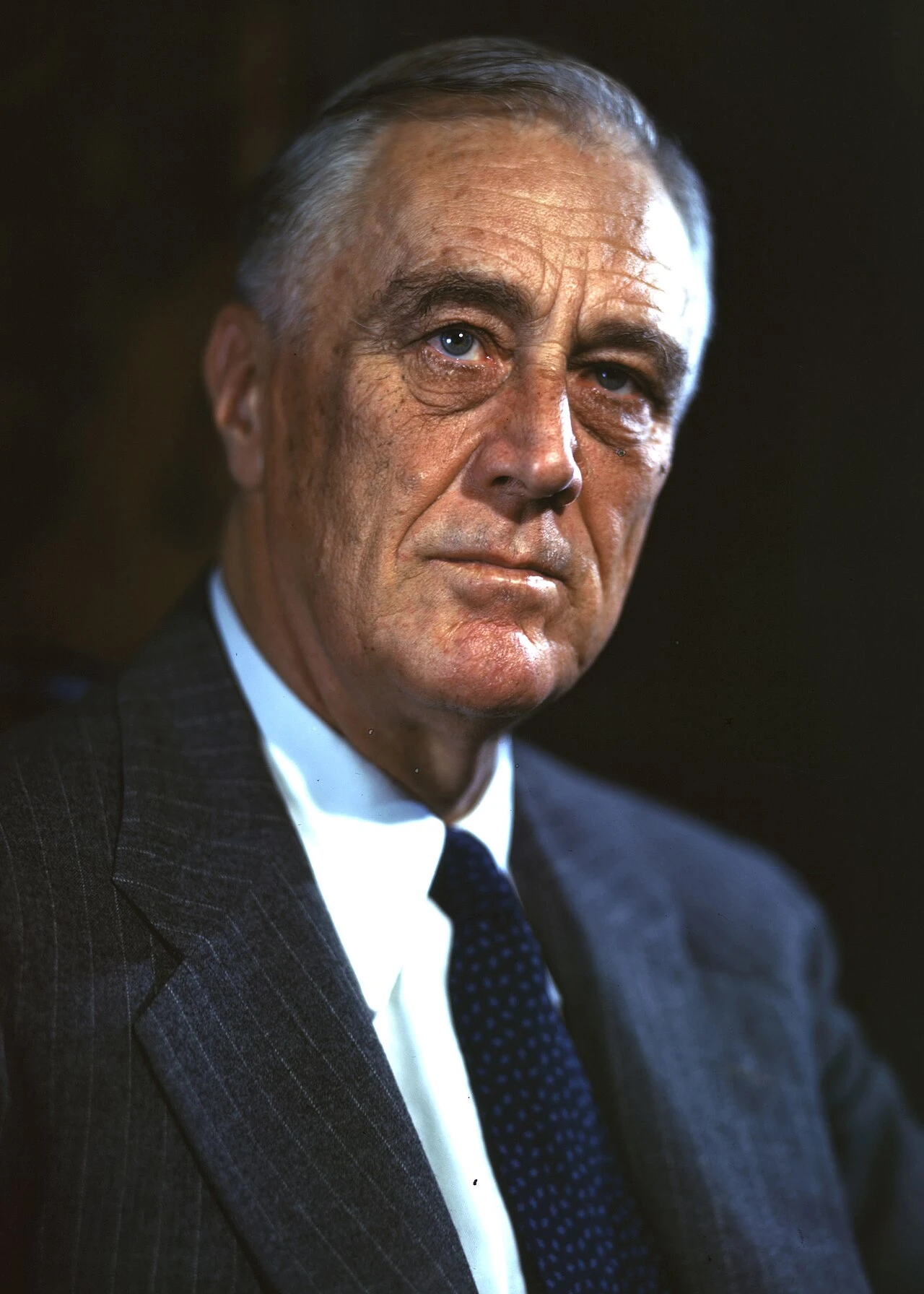
Roosevelt and the Arms Embargo
Turkey Draws Closer to the Allies
Buy Each for Themselves or with a Single Voice
The Anglo-Polish Alliance

Baumgartner and the gold of the Banque de France
Beck in Bucharest — the Internee
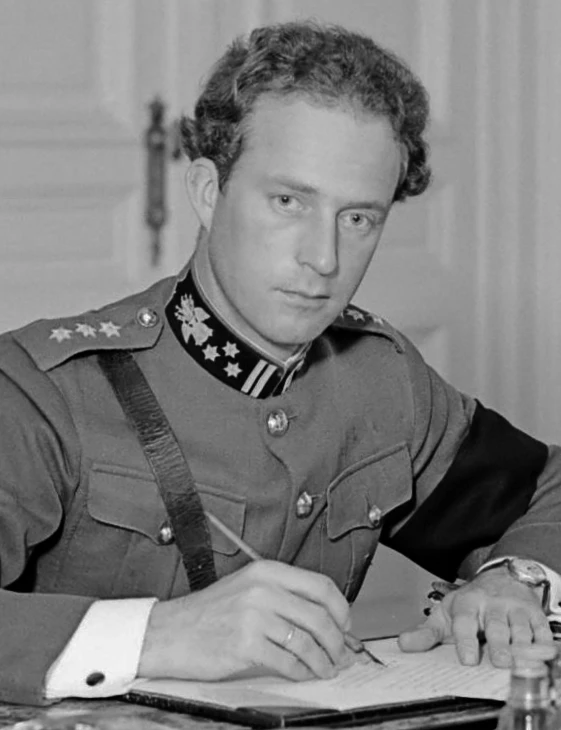
Brussels, September 1939: a small country's tightrope walk
Beneš in London — autumn 1939
Informing on a Jewish Neighbor in Vienna
The Youth of the Reich
Roosevelt and the Arms Embargo
Turkey Draws Closer to the Allies
Buy Each for Themselves or with a Single Voice
The Anglo-Polish Alliance
Baumgartner and the gold of the Banque de France
Beck in Bucharest — the Internee