
Tsolakoglou and the surrender of the Greek army
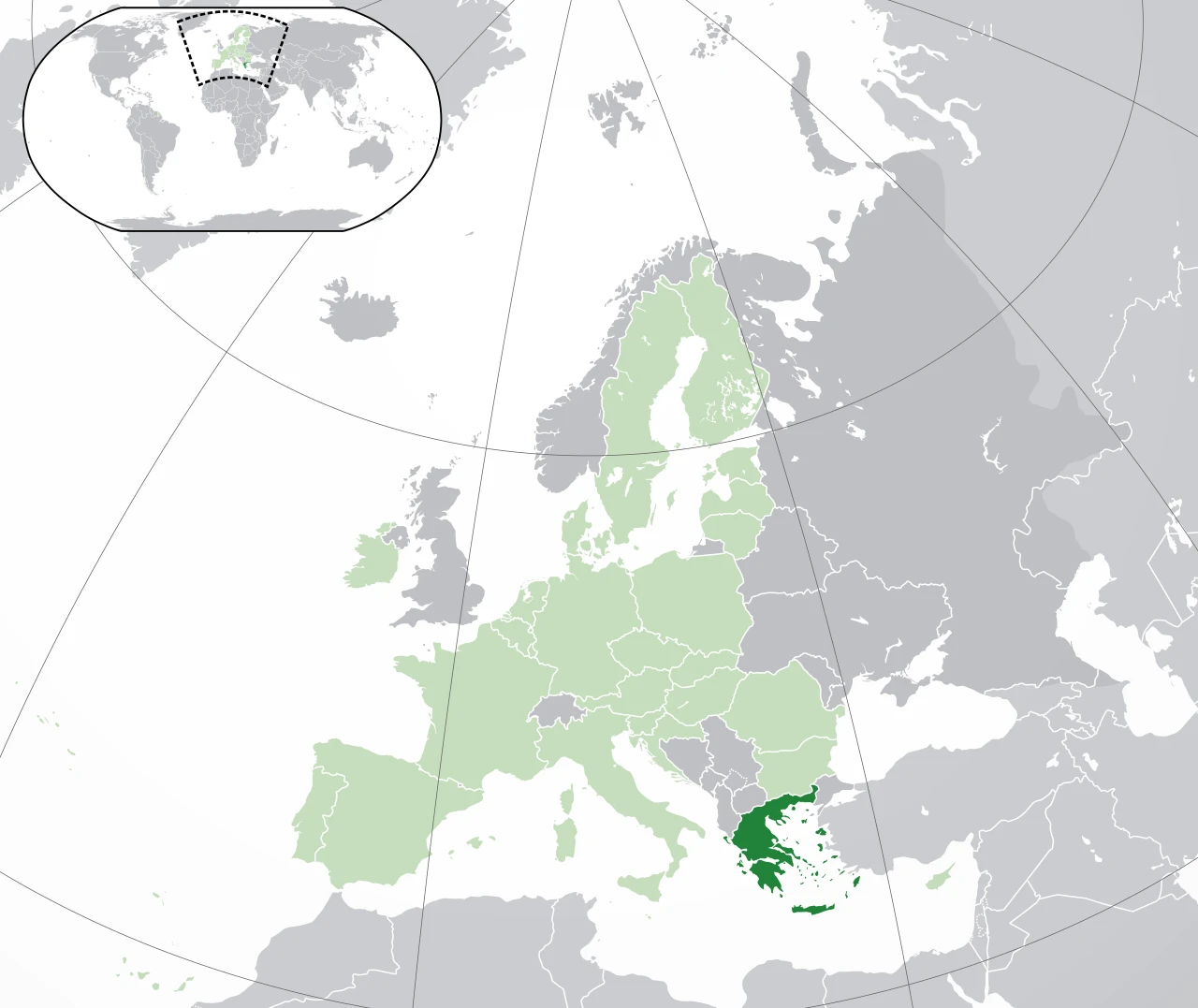
Lieutenant-General , born in 1886, commands the , that is, the bulk of the Greek forces engaged since the autumn against the Italians in Albania. For months, his divisions have driven back Mussolini's offensive and even advanced into Albanian territory — a humiliation for Rome.
But on 6 April 1941, the Wehrmacht crossed the frontier from Bulgaria. The Metaxas Line has fallen, Salonika is taken, and the German armoured columns are now bypassing the Greek armies in Albania from the west, threatening to trap them.
For Tsolakoglou, the situation is hopeless: his fourteen divisions are exhausted, short of ammunition, and risk total encirclement. The commander-in-chief is far away, the government is tottering. A surrender seems inevitable. There remains a question that gnaws at him: to whom to surrender.
For the idea of capitulating to the Italians — whom he reckons he has beaten in the field — is unbearable to him. Yet the German , who commands the brigade facing him, is not the Italian. Without any authorisation from Athens, Tsolakoglou must decide how to lay down his arms.
Should Tsolakoglou negotiate a formal surrender before both Axis partners, parley in secret with the Germans alone, or obey Papagos and fight to the end?
Tsolakoglou chose A: without a mandate from his hierarchy, he dispatched emissaries towards the German lines and, on 20 April 1941, signed a surrender protocol with SS-Obergruppenführer . The text, on Hitler's orders, was kept secret from the Italians and deliberately mentioned no Axis partner: the aim was to deprive Mussolini of a victory deemed undeserved. Papagos, furious, at once ordered that Tsolakoglou be relieved and that the resistance continue — in vain. The next day, at Larissa, the unconditional surrender of the was formalised. Faced with Mussolini's indignation, a third ceremony, this time involving the Italians, was re-enacted on 23 April. A few days later, Tsolakoglou agreed to head the collaborationist government of occupied Greece — a choice that would lead him, after the war, to a death sentence later commuted.
Learn more about this event
Related polls
10
Casting Out the Victors — Air Ministry, November 1940
Hess — the fixed idea of a separate peace
Salonika lost: surrendering the Metaxas Line
The Appeal of 18 June
Auchinleck replaces Wavell
Borakowski and the merchant fleet
The fall of Athens
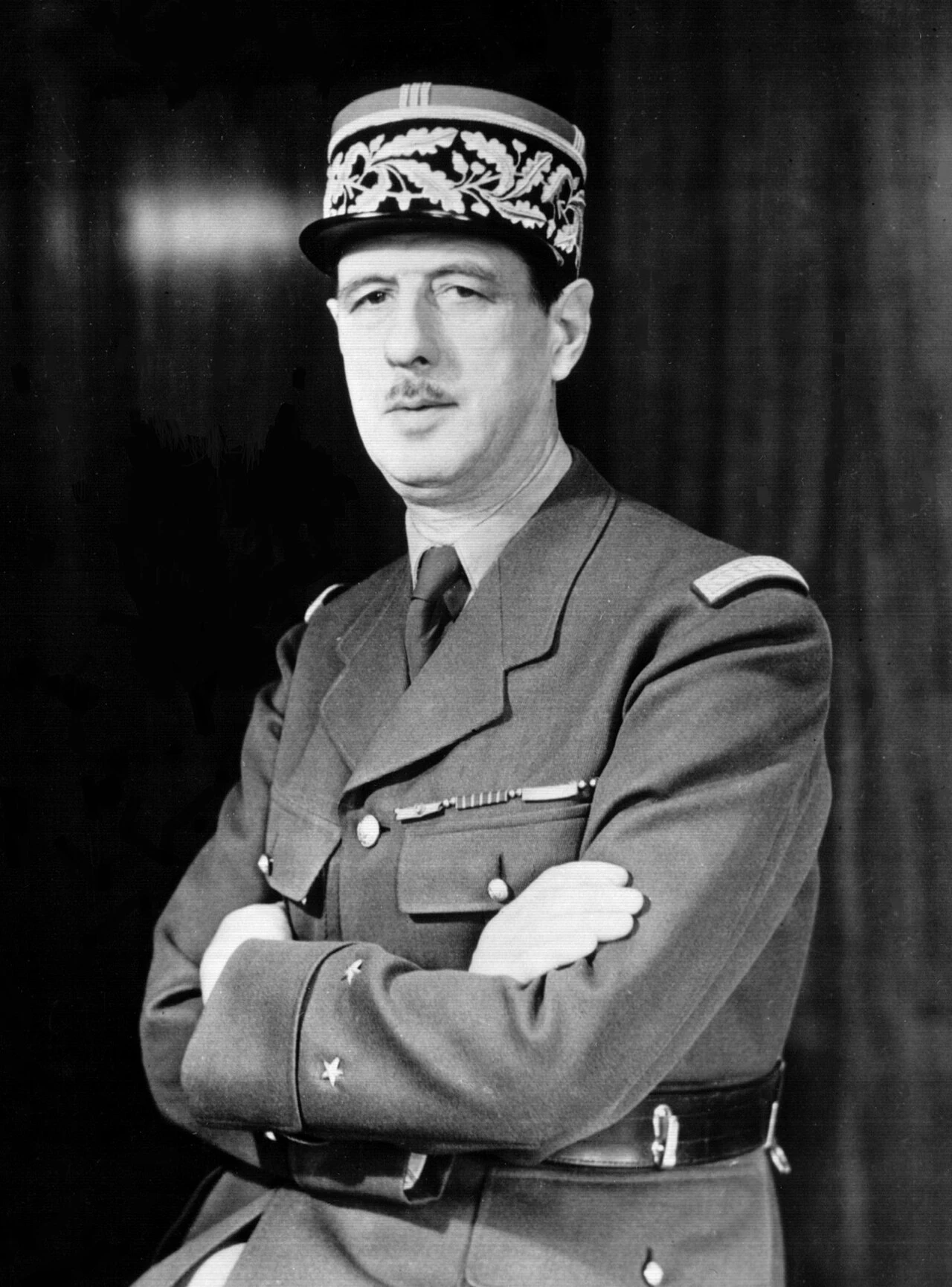
De Gaulle at the BBC microphone — 18 June, 18:00
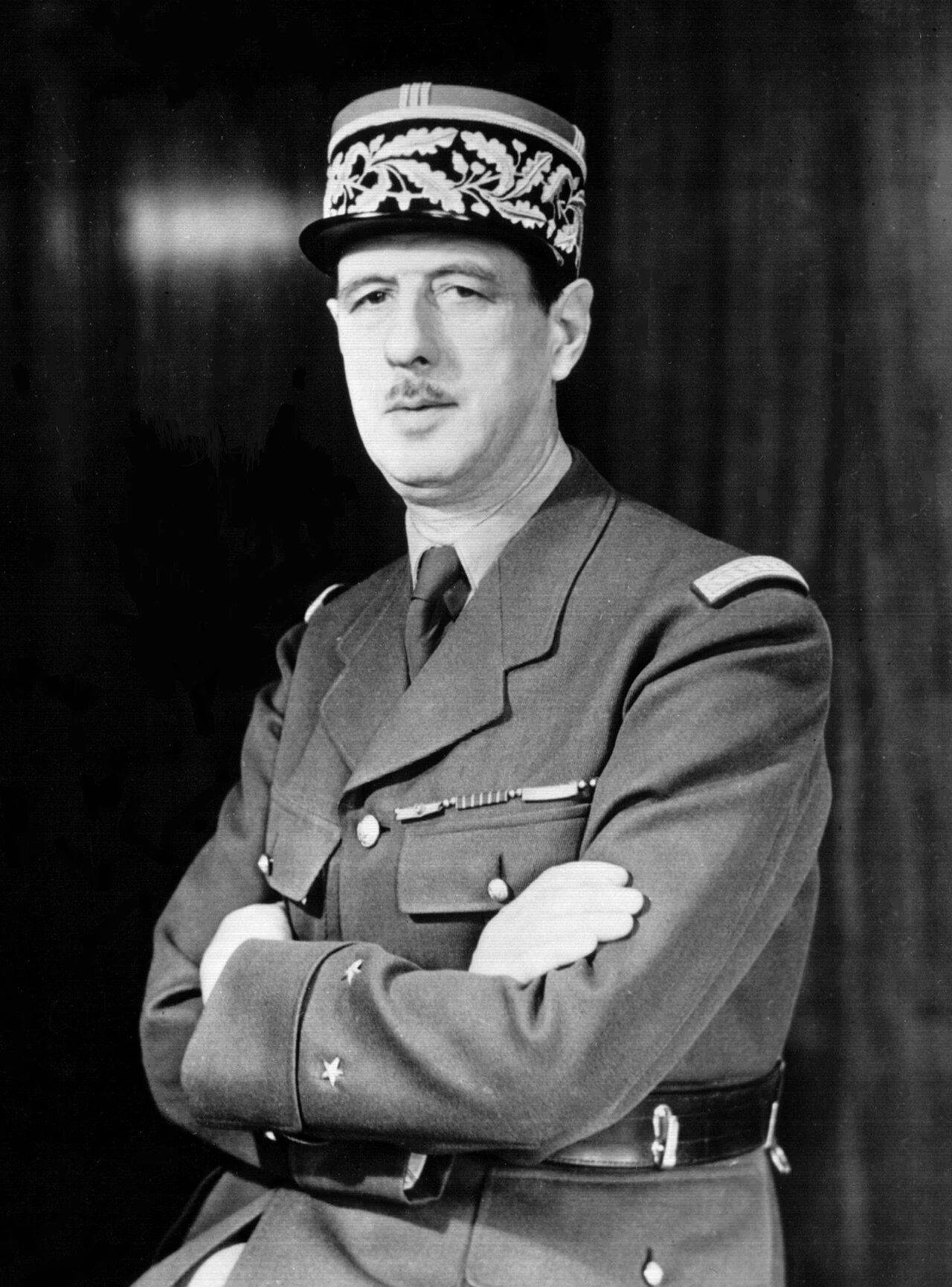
De Gaulle calls on Churchill — 9 June
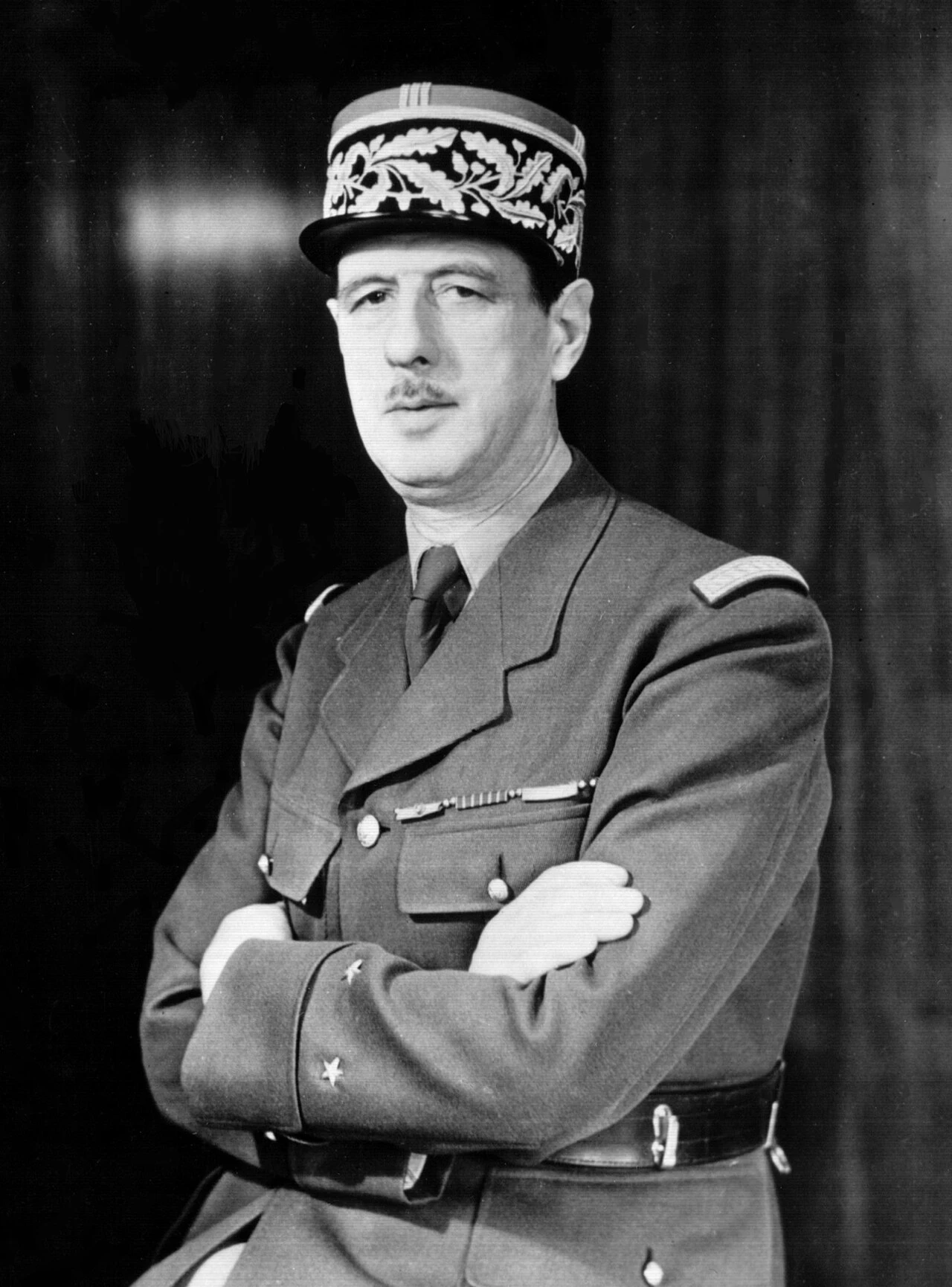
De Gaulle joins the government — 5 June
Casting Out the Victors — Air Ministry, November 1940
Hess — the fixed idea of a separate peace
Salonika lost: surrendering the Metaxas Line
The Appeal of 18 June
Auchinleck replaces Wavell
Borakowski and the merchant fleet
The fall of Athens
De Gaulle at the BBC microphone — 18 June, 18:00
De Gaulle calls on Churchill — 9 June