
Bulson — Lafontaine and the 02:00 rumour
The French under General held the immediate Sedan sector, some 10 miles of the Meuse anchored on about fifty scattered casemates. It was a Series B division: average age 35, insufficient training, Hotchkiss machine guns from 1914 and only two 25 mm anti-tank guns.
On the evening of 13 May, after six hours of Stuka bombing and the crossing of the river by German infantry, the was shaken. Around 21:00, Lafontaine received the order from Huntziger to hold and to prepare the next day's counter-attack. But at 22:00, a rumour spread through the ranks: "The German tanks are at Bulson," five miles behind the front. No one knew the source. The gave way to panic, which spread to the and then to the command post of the .
At 02:00 on 14 May, a captain in tears reported the arrival of the Panzers at the Bulson command post. Yet at that hour no German armour had yet crossed the Meuse in force. Lafontaine had to decide.
Believe the rumour and order a withdrawal, or deny it and restore order?
Lafontaine applied B. Overwhelmed and believing the rumour, he ordered the withdrawal of the on Le Chesne. The decision was catastrophic: the division abandoned its positions without serious fighting on the night of 13-14 May, and nearly 8,000 men flowed to the rear without having fired a shot. When German vanguards reached Bulson on the morning of 14 May, they found the trenches empty. The "Bulson panic" became the symbol of the French collapse of 1940. Lafontaine was relieved and then struck off the rolls in 1941, and died in 1955. , a witness to the debacle, would make of it in L'Etrange Defaite (written in 1940, published in 1946) the illustration of the French malady: under-training, compartmentalised hierarchies, vulnerability to rumour and the absence of reliable communications. Historians see in it the archetype of the "moral defeat" before the military defeat.
Learn more about this event
Related polls
10
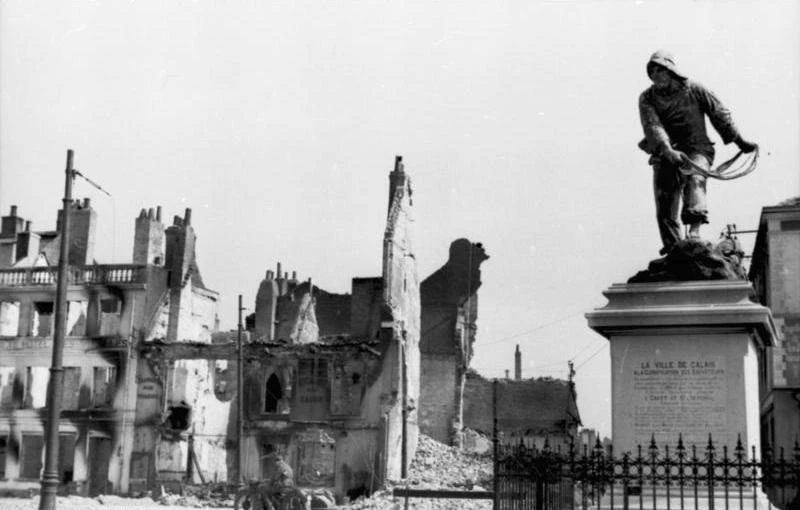
Calais — Nicholson facing the ultimatum
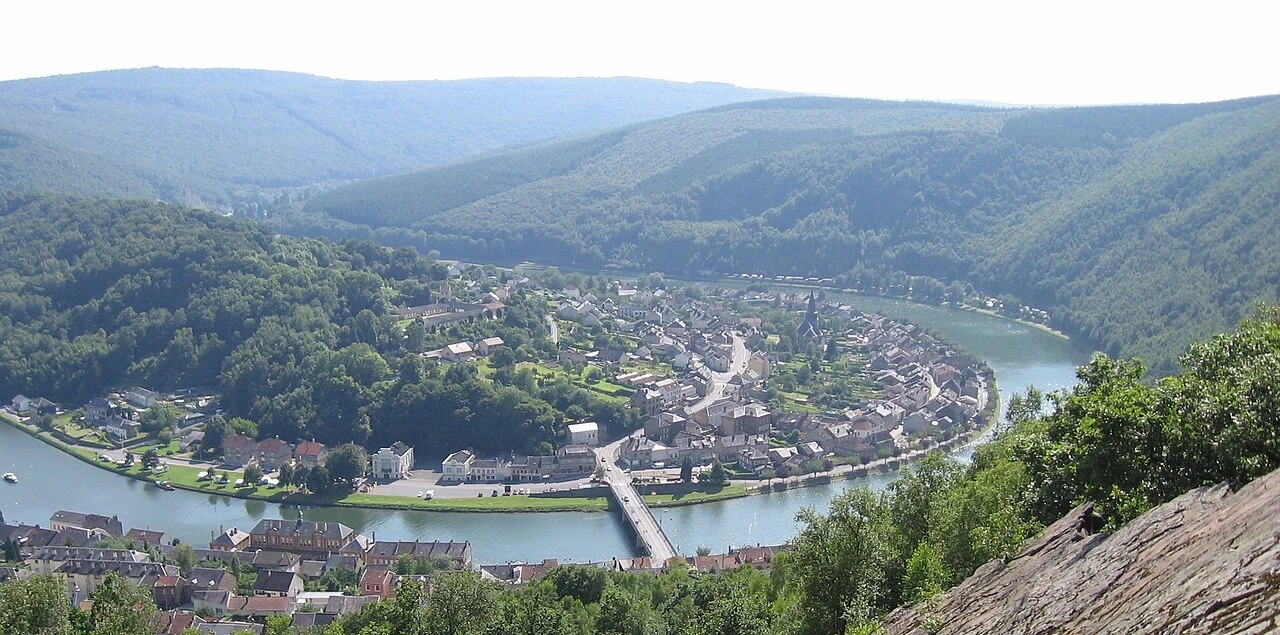
Monthermé — Portzert in the Meuse loop
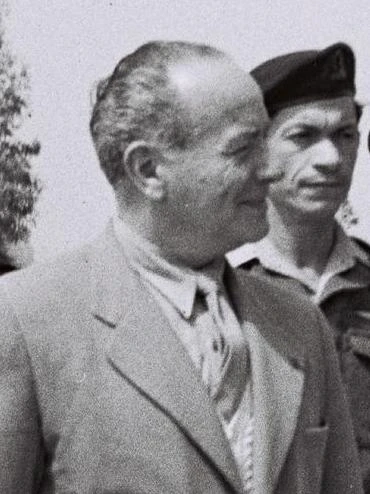
Stonne — Billotte facing the Panzer column
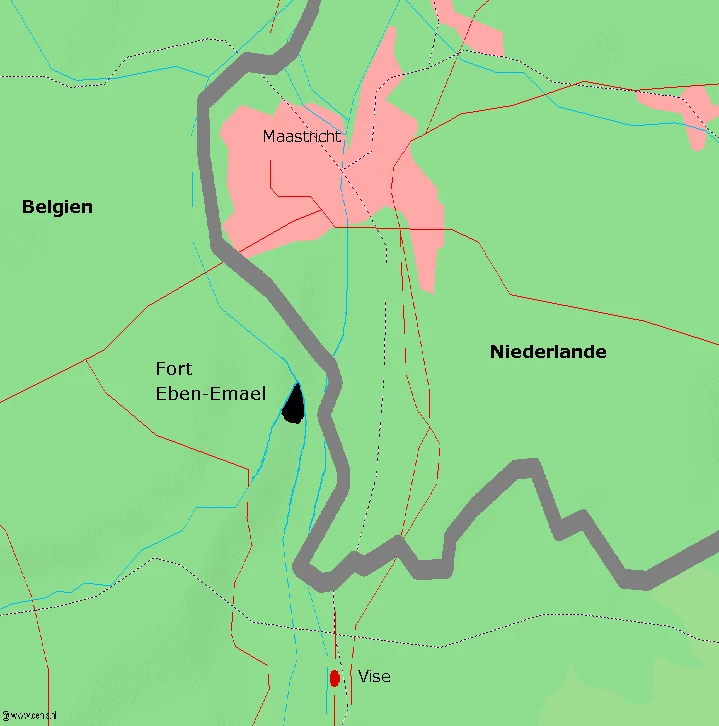
Eben-Emael — Jottrand under the explosions
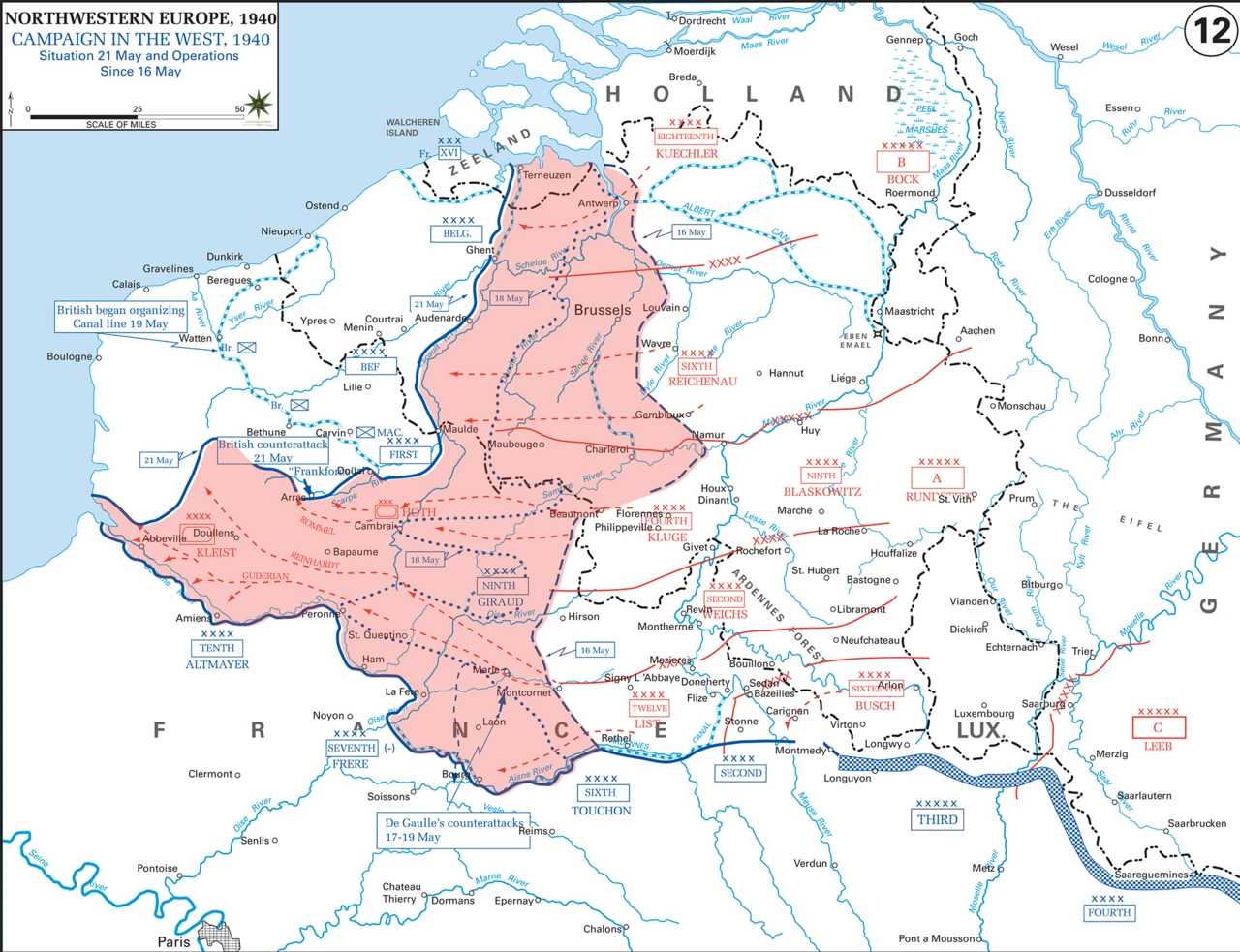
Boulogne — Fox-Pitt and the Guards facing the port
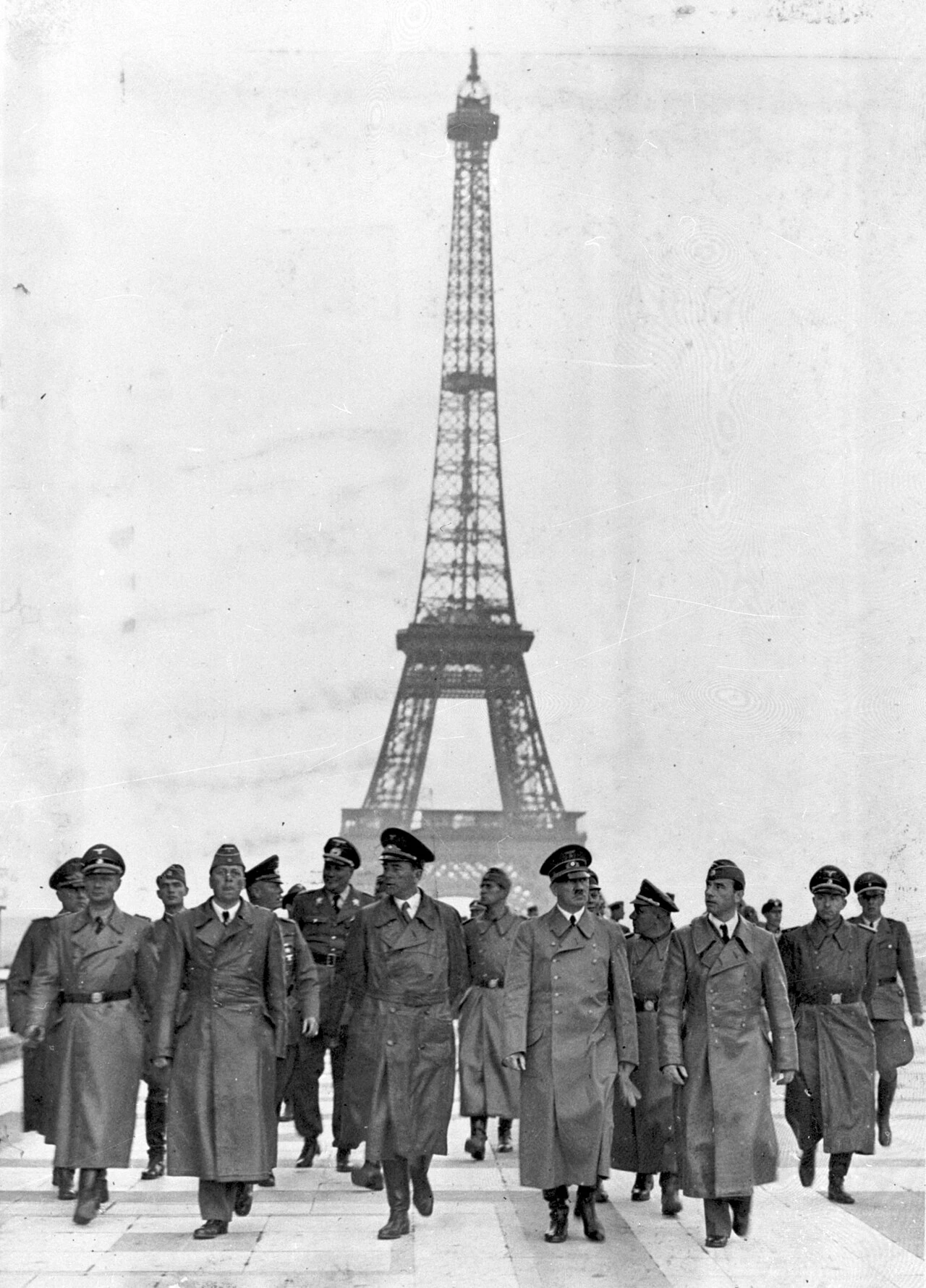
The Defence of Boulogne
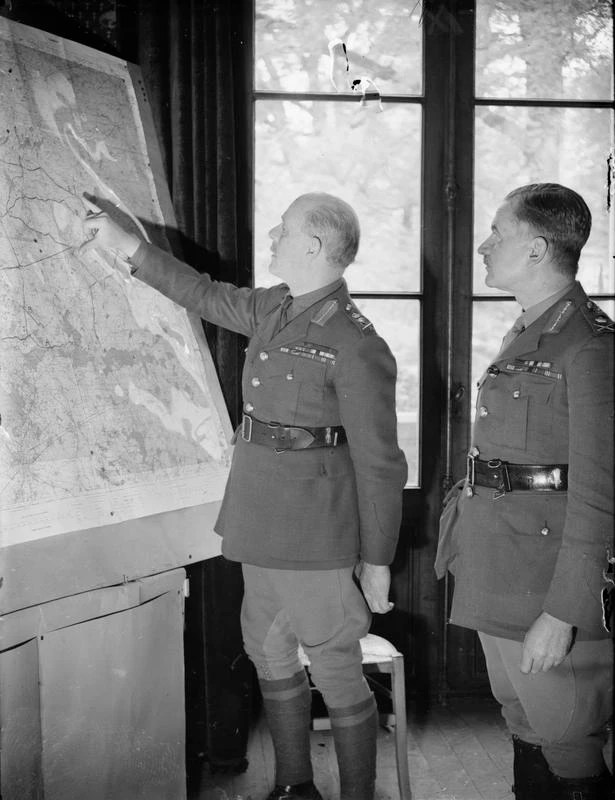
Gort at Habarcq — trust in the French plan
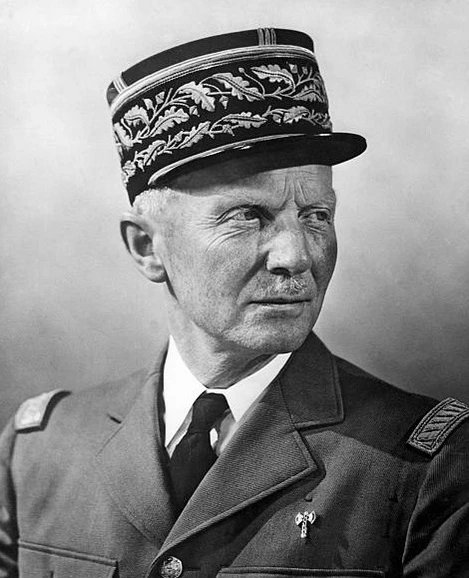
Huntziger over the Sedan reports — 13 May
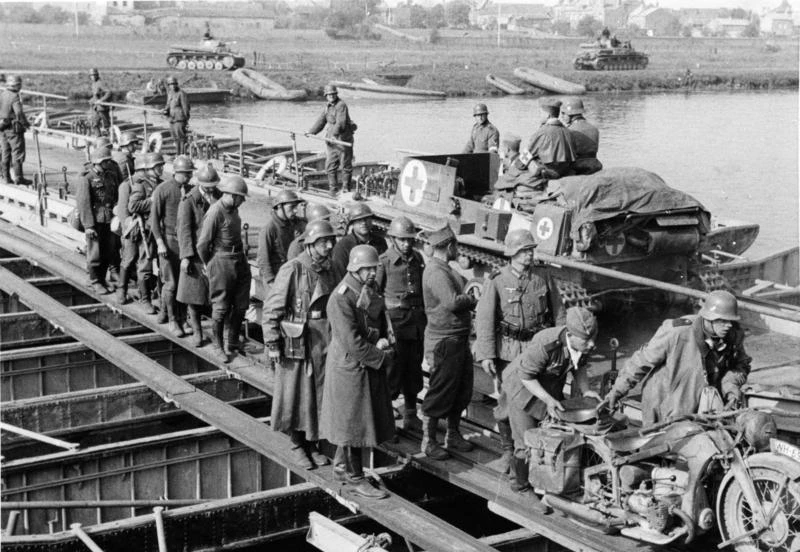
The panic of Bulson
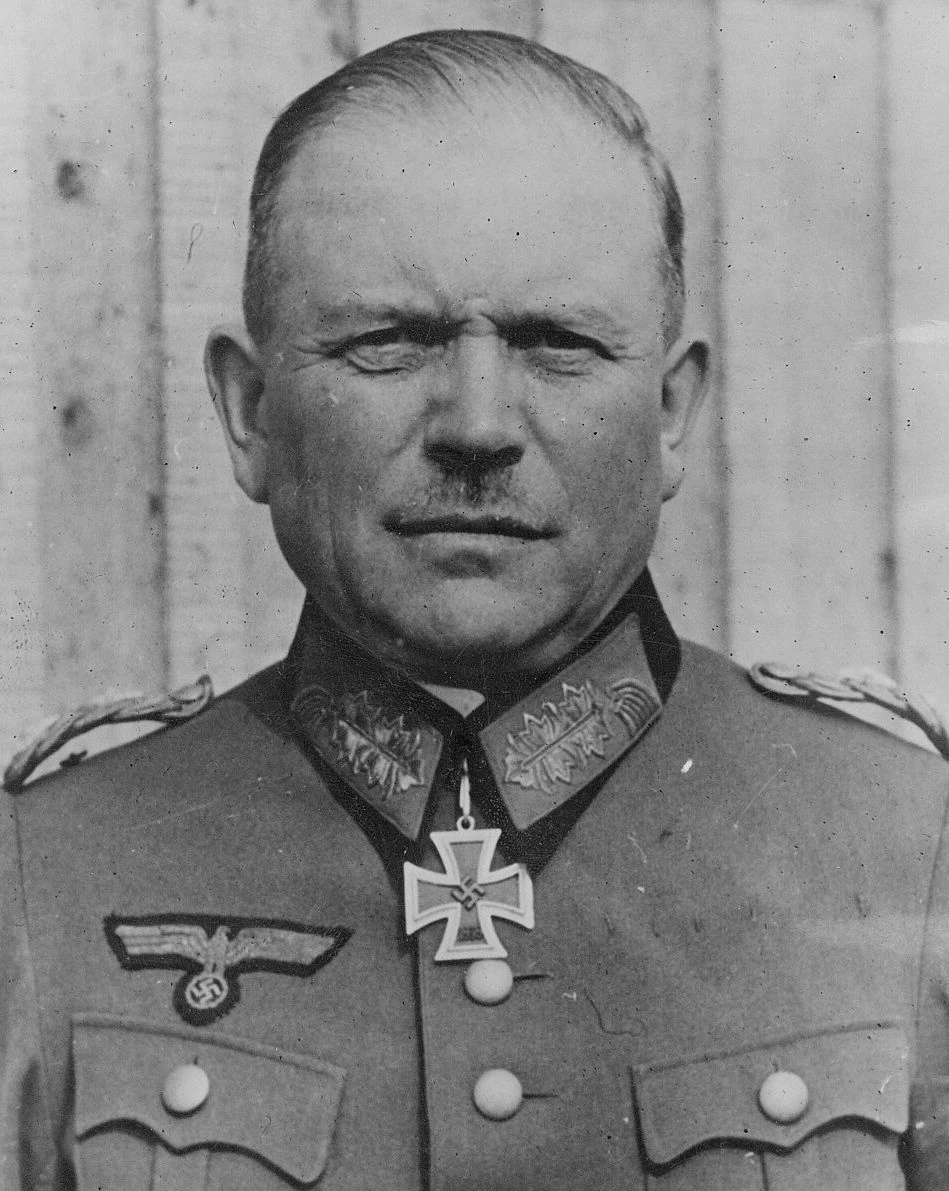
Brześć — Plisowski faces Guderian
Calais — Nicholson facing the ultimatum
Monthermé — Portzert in the Meuse loop
Stonne — Billotte facing the Panzer column
Eben-Emael — Jottrand under the explosions
Boulogne — Fox-Pitt and the Guards facing the port
The Defence of Boulogne
Gort at Habarcq — trust in the French plan
Huntziger over the Sedan reports — 13 May
The panic of Bulson