
, 41, Radical-Socialist deputy for Hérault, witnesses the manoeuvre by which Laval intends to have constituent full powers voted to Pétain. On 10 July 1940, at the Vichy Casino, he has drafted with a few friends a counter-motion proposing an alternative formula: full powers strictly limited to the duration of hostilities, without constitutional revision or abandonment of the Republic.
Badie knows he will be in the minority. The atmosphere is heavy: the defeat, the German presence a few dozen kilometres away, Laval's pressure, and the absence of many opponents (prisoners or stuck on the Massilia) crush any inclination to resist. Many sense that voting against will cost dearly.
A Radical-Socialist attached to secularism and the Republic, Badie has few illusions about the outcome of the ballot. The dilemma is one of political courage in a time of collapse. He can vote no publicly and sign a protest, at the risk of reprisals; vote yes with an interpretive declaration to preserve the future; or abstain so as not to expose himself. Badie must choose before the vote opens.
What position should Badie take at the moment of the vote?
Badie chooses A: he tries to defend his counter-motion and votes against full powers, alongside 79 other parliamentarians — the 'Vichy 80,' among them many Socialists, a few Radicals, and figures such as and (, , and Daladier figured among the opponents, some absent because blocked on the Massilia). The Badie motion is set aside by the presiding officer. These 80 'noes' will become the symbol of parliamentary resistance to abdication; several of their authors will be arrested, interned or deported. At the Liberation, their vote will bring them political rehabilitation, while those who voted 'yes' will be barred from holding office.
Learn more about this event
Related polls
10
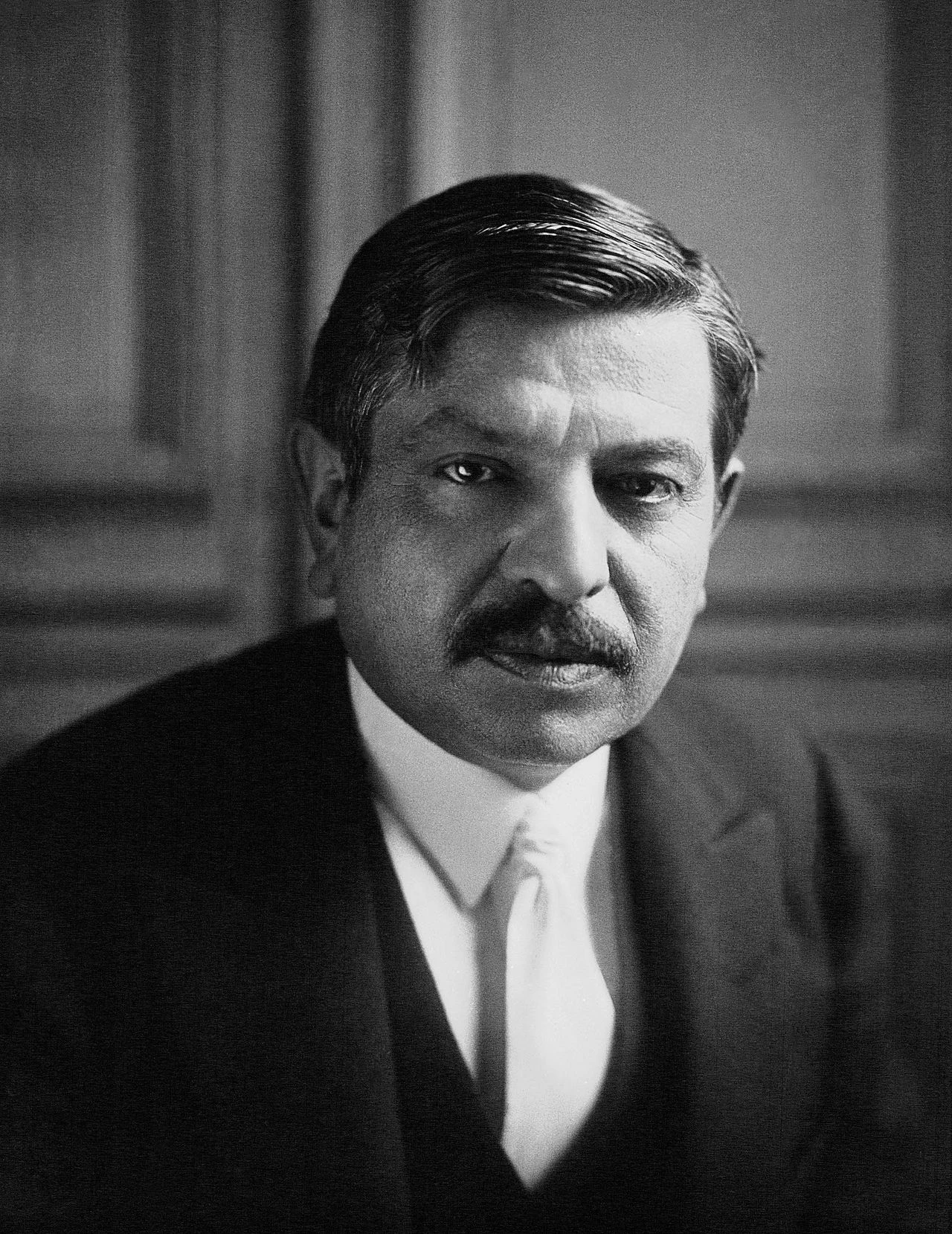
Laval at the Vichy Casino — 10 July
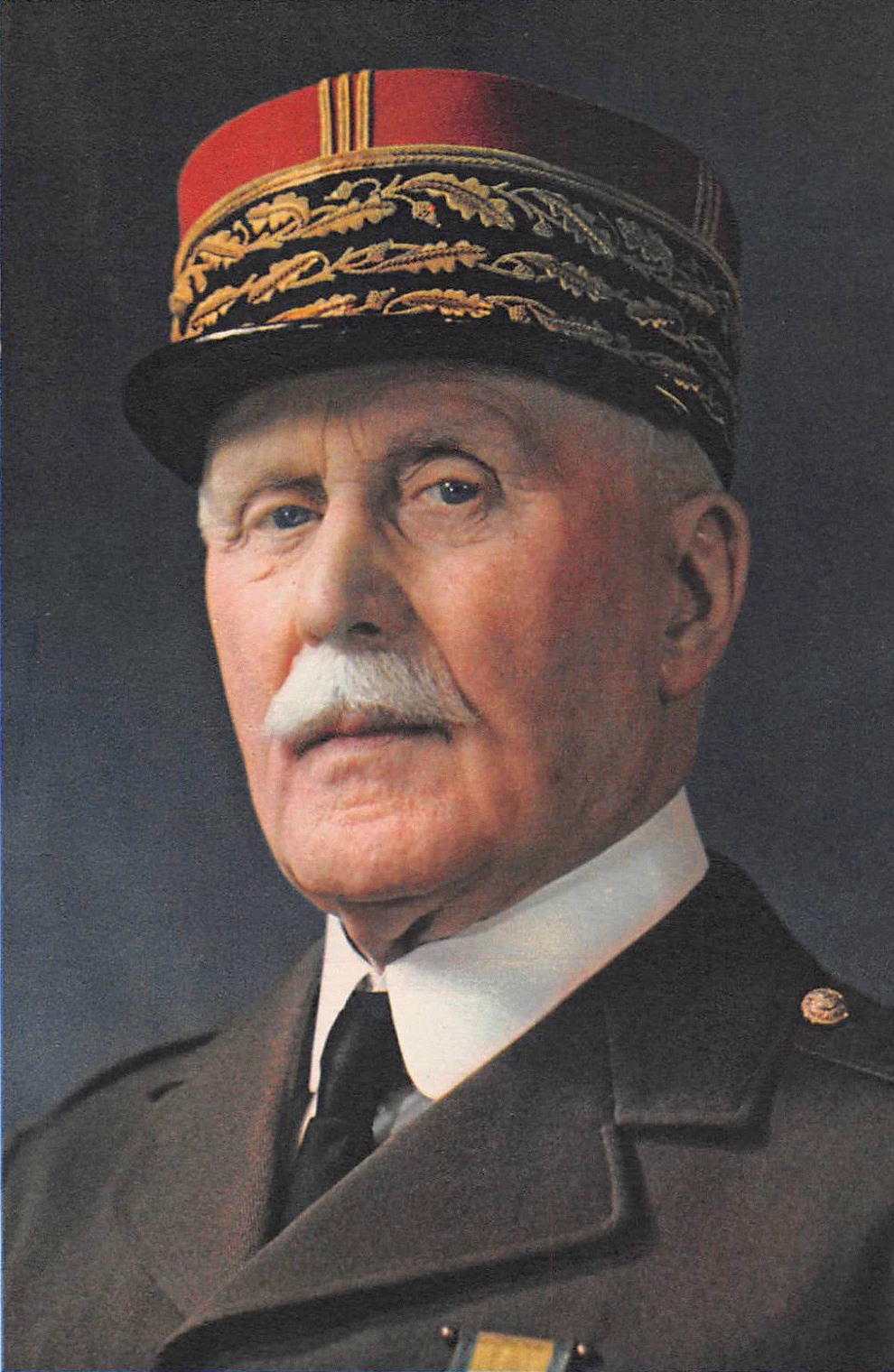
Pétain Faces Mers-el-Kébir
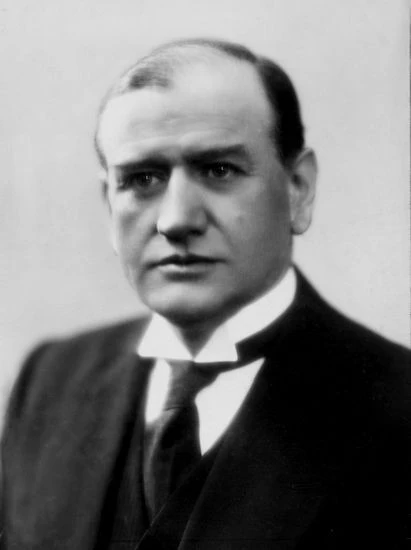
Daladier asked to leave the War Ministry
Hannah Arendt, Stateless and Interned, Facing Exile
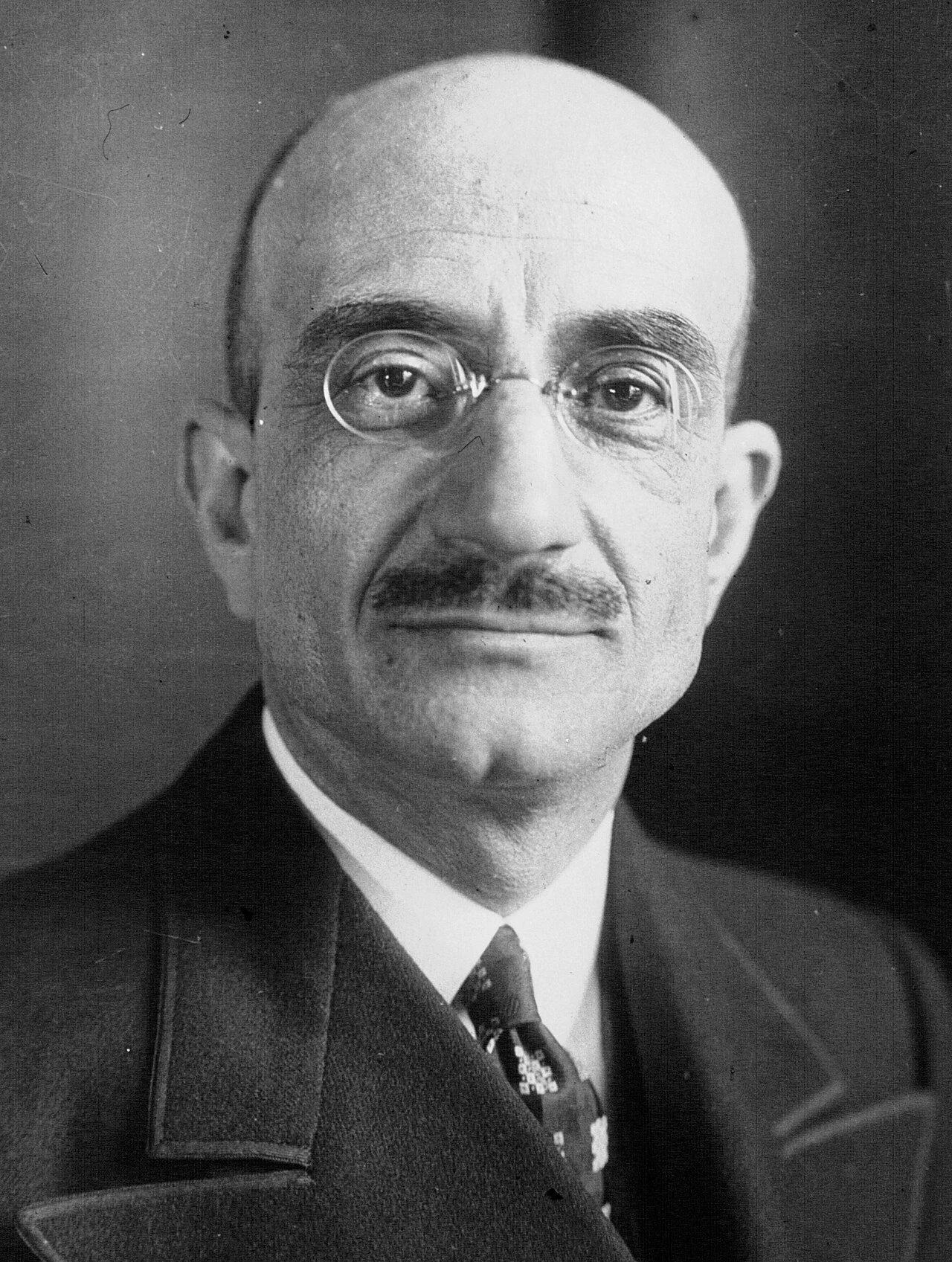
Langeron — Prefecture of Police, 14 June
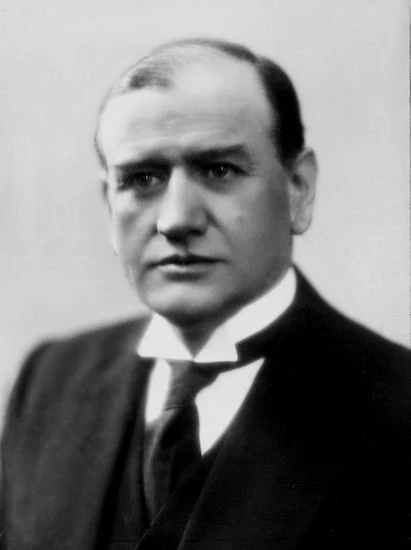
The Massilia — Bordeaux 21 June
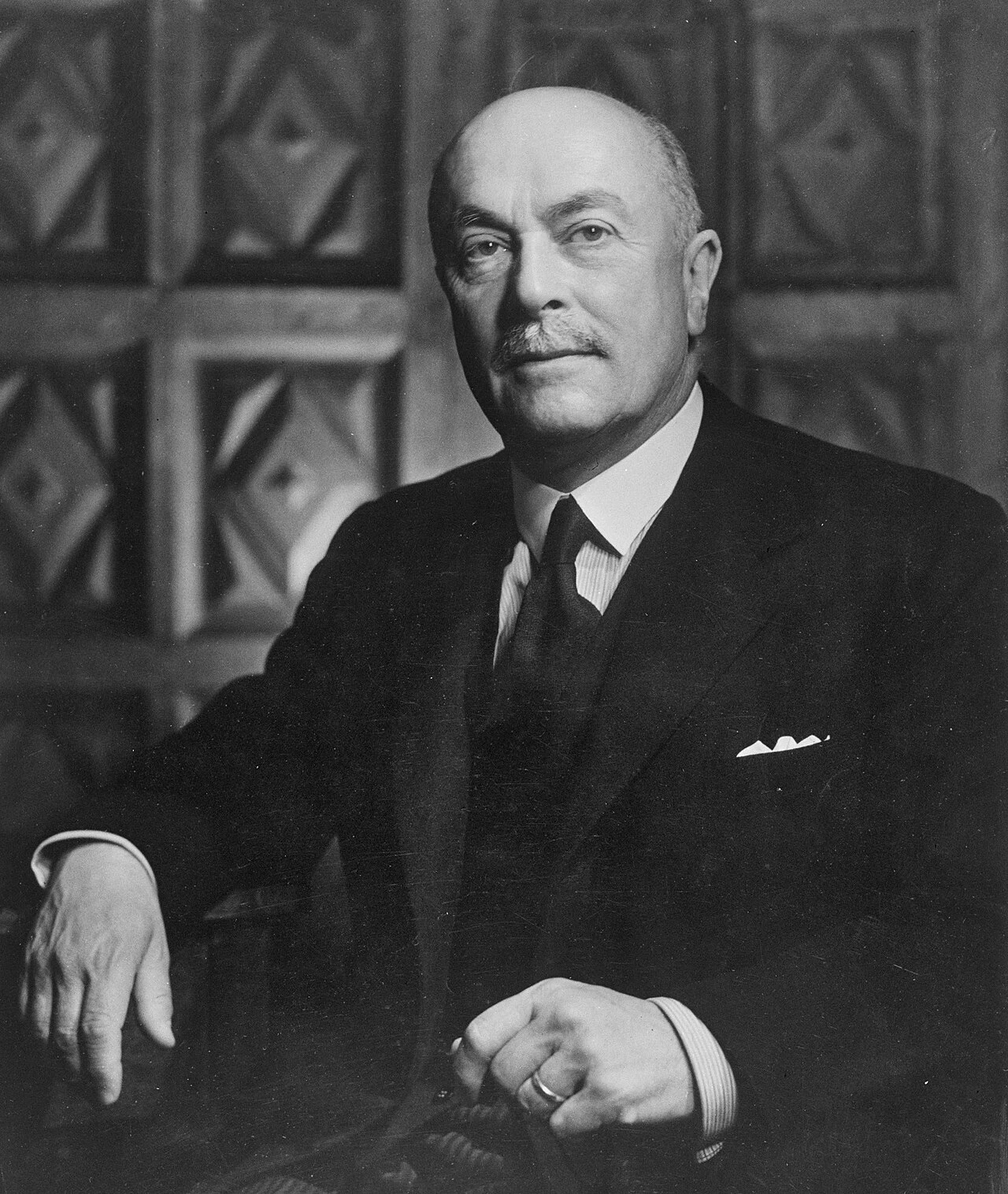
Pierlot at Limoges — from where to carry on?
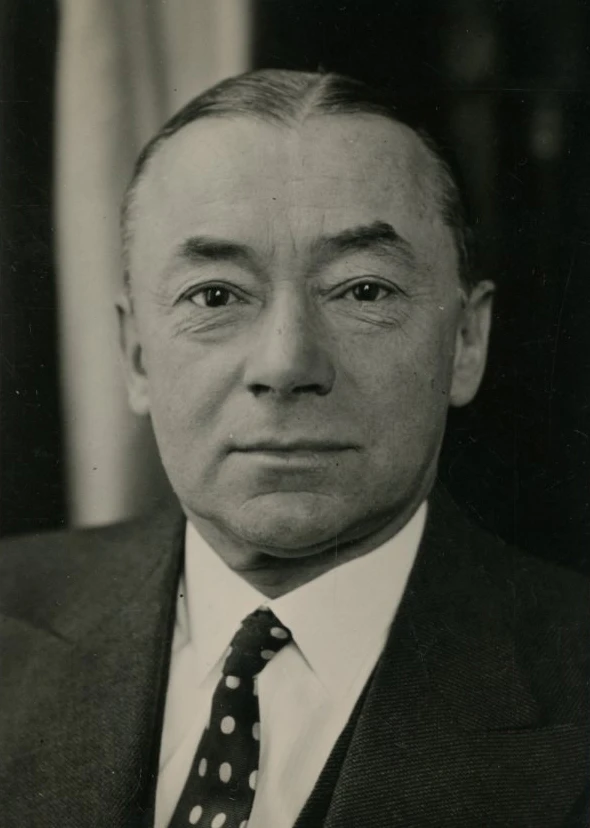
Reynaud faces the Council — Bordeaux, 16 June, 22:00
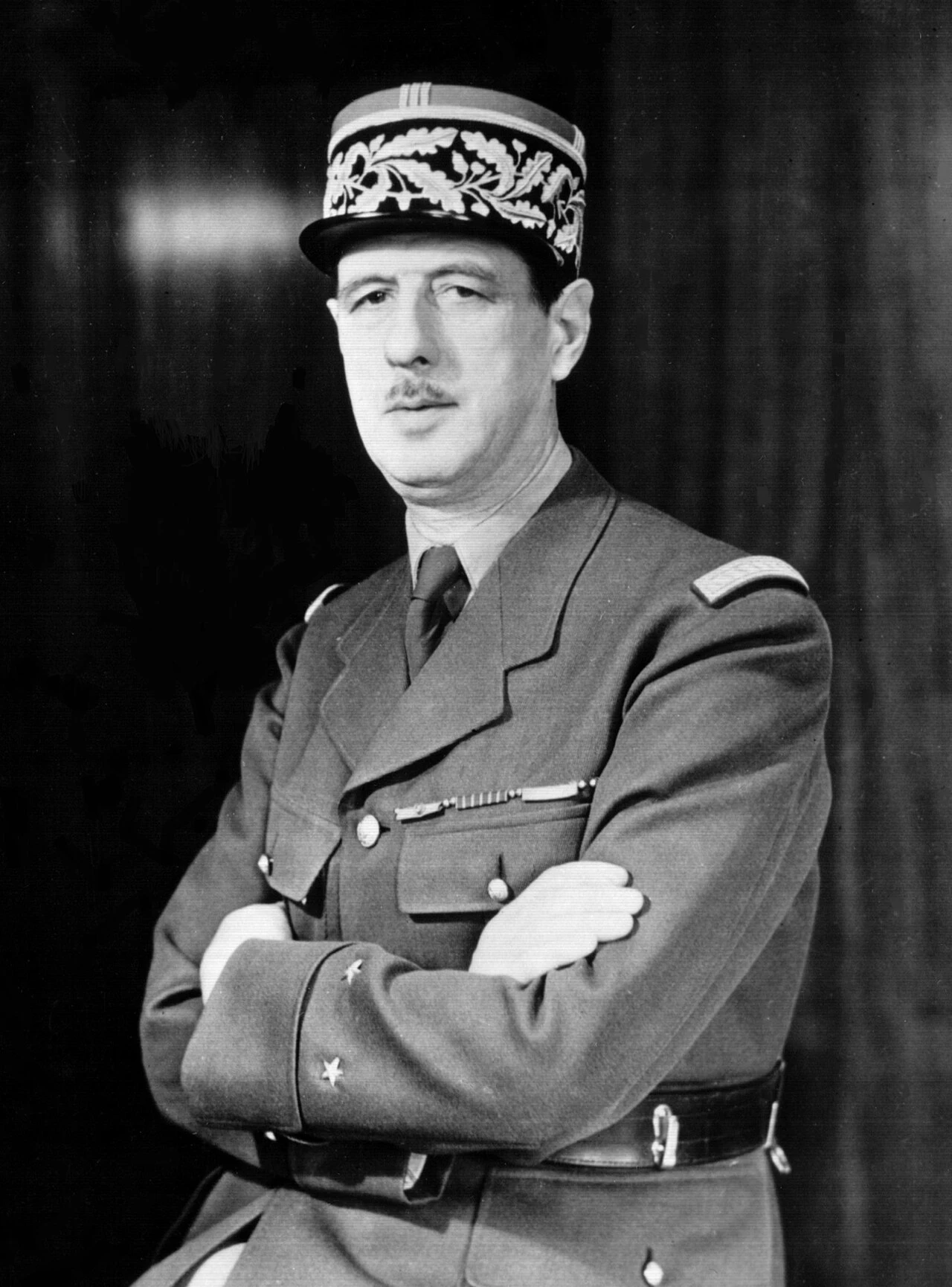
De Gaulle joins the government — 5 June
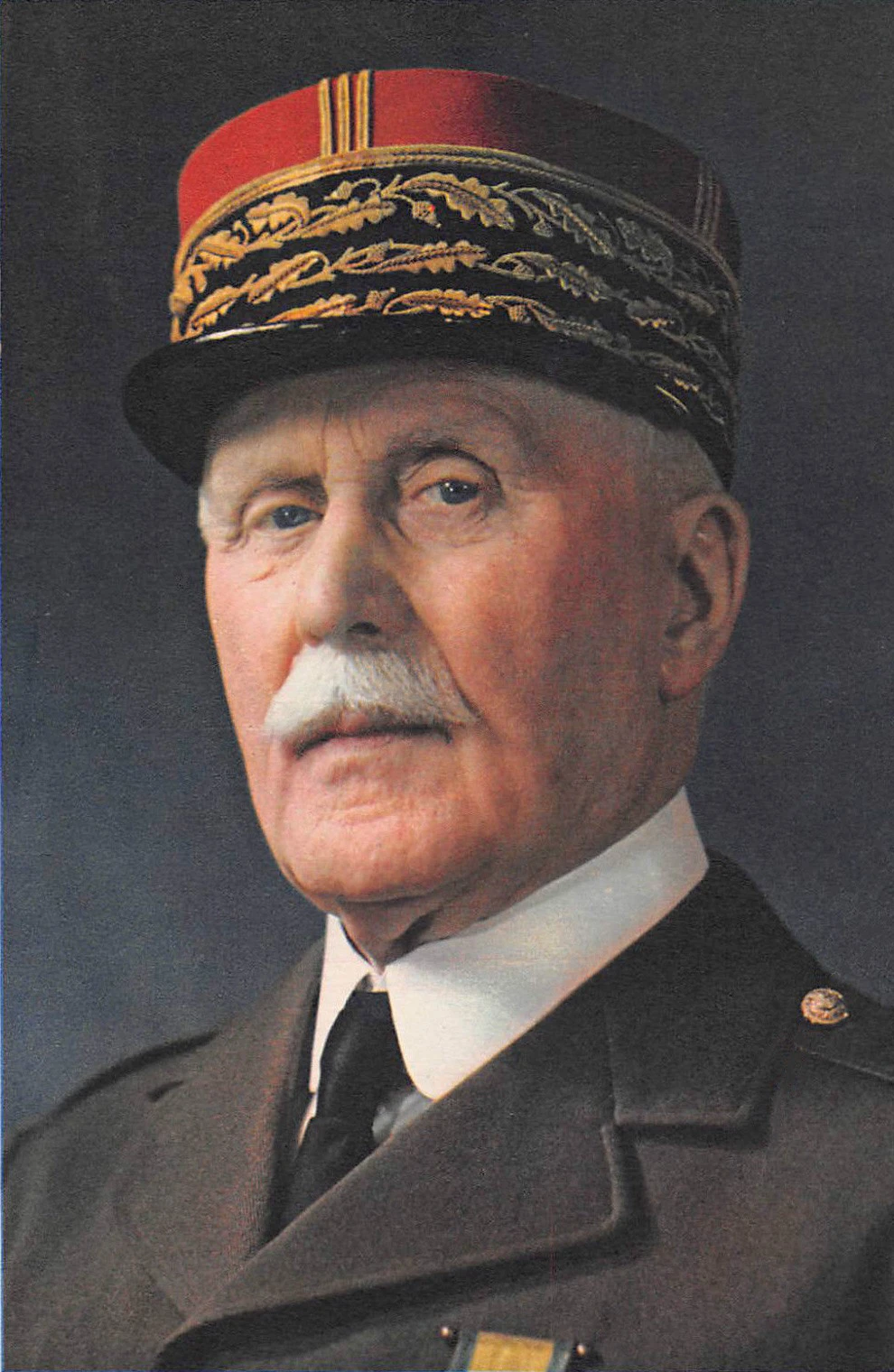
The hero of Verdun recalled from Madrid
Laval at the Vichy Casino — 10 July
Pétain Faces Mers-el-Kébir
Daladier asked to leave the War Ministry
Hannah Arendt, Stateless and Interned, Facing Exile
Langeron — Prefecture of Police, 14 June
The Massilia — Bordeaux 21 June
Pierlot at Limoges — from where to carry on?
Reynaud faces the Council — Bordeaux, 16 June, 22:00
De Gaulle joins the government — 5 June