
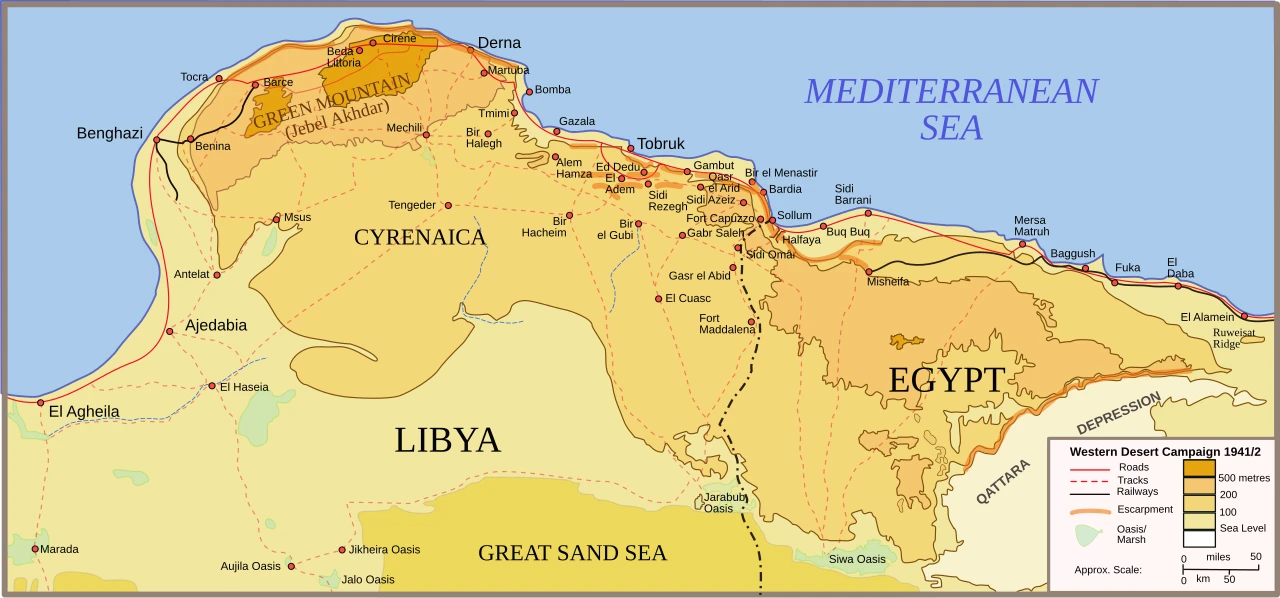
In early February 1941 Operation Compass nears its climax. After Tobruk and Derna the Italian falls back in haste along the Cyrenaican coast, toward Tripoli, by the Via Balbia. General O'Connor learns from intelligence that the enemy has no intention of defending Benghazi and plans to slip away to the west.
O'Connor seizes the chance for a decisive maneuver: cut the Italian retreat by sending a column across the inland desert of the Jebel to bar the coast road south of Benghazi before the main Italian body escapes. But his means are at the end of their tether: the has only a handful of tanks still running, transport is worn out, supply is stretched over hundreds of kilometers. The intercepting column — — would have to stand alone, heavily outnumbered, against an entire fleeing army.
O'Connor must decide: attempt the bold dash across the desert to trap the , at the risk of seeing his column crushed; pursue the enemy cautiously along the coast without cutting him off; or halt to reconstitute his exhausted forces.
Should O'Connor launch the dash across the desert to cut the Italian retreat?
O'Connor dared A. crossed the Jebel and established itself on 5 February on the Via Balbia, at Beda Fomm, south of Benghazi, just before the fugitives arrived. For two days a handful of British troops contained the disorganized assaults of an Italian army vastly superior in numbers; on 7 February the surrendered — some 25,000 more prisoners, a hundred tanks, hundreds of guns. O'Connor signaled his victory with a message that became famous. In two months Compass had destroyed ten Italian divisions and advanced nearly 800 km. But the triumph would have no morrow: the arrival of Rommel and the diversion of forces to Greece would, by spring, lose back almost all the ground won.
Learn more about this event
Related polls
10
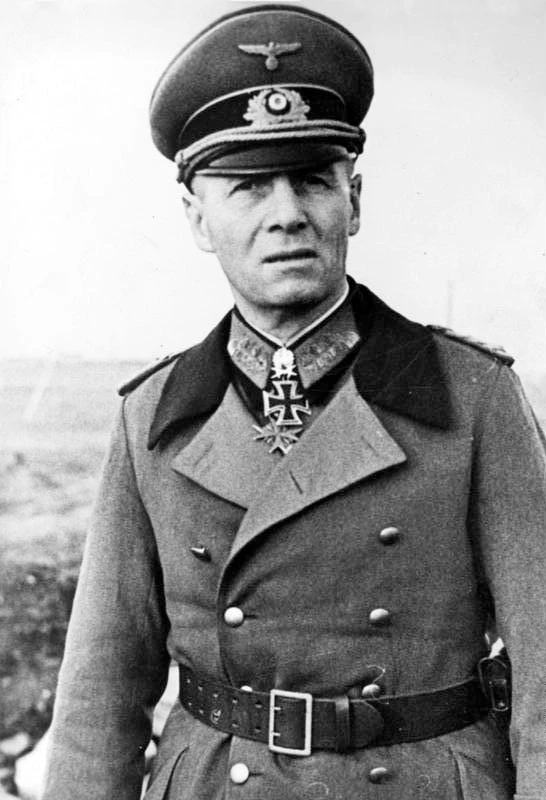
Hitler sends Rommel to Africa
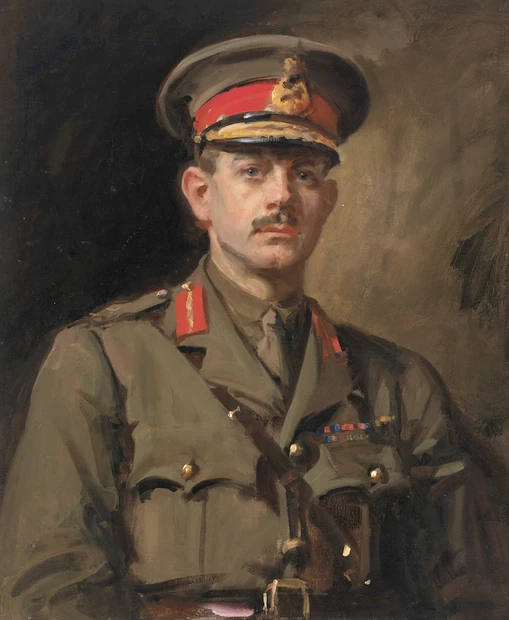
Mackay before Tobruk — the assault
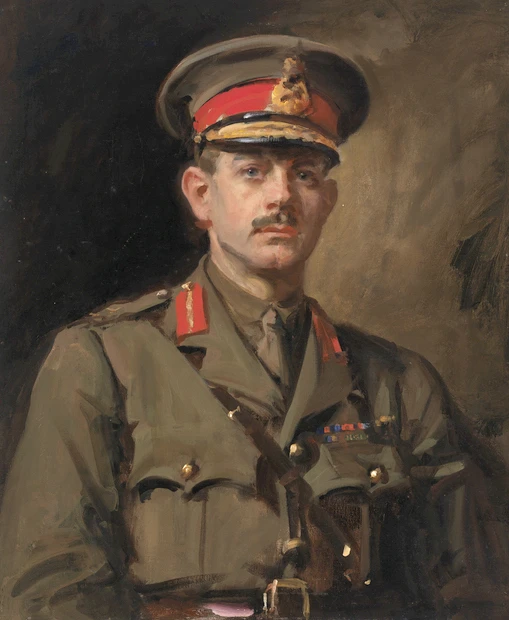
Mackay and the Australians at Bardia
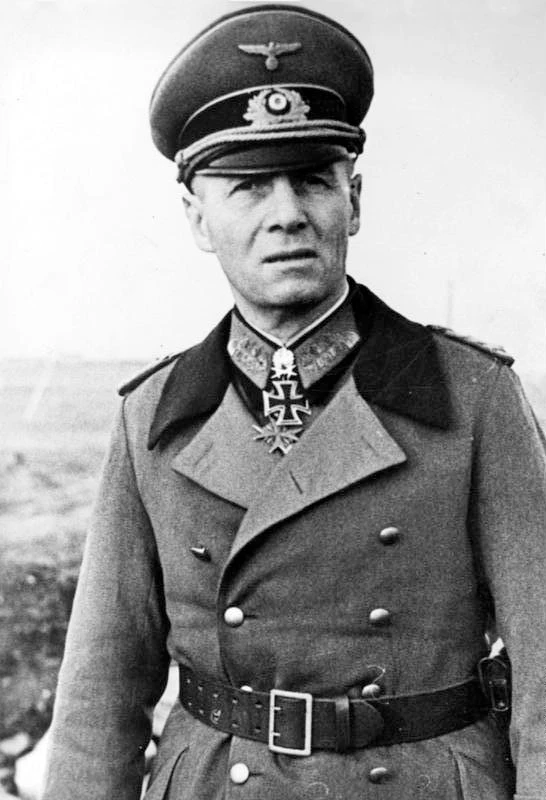
Rommel at El Agheila — orders or audacity?
Cunningham toward Mogadishu
Crusader: The Generals' Doubt
Graziani inherits the Libyan desert
O'Connor launches Compass — Sidi Barrani
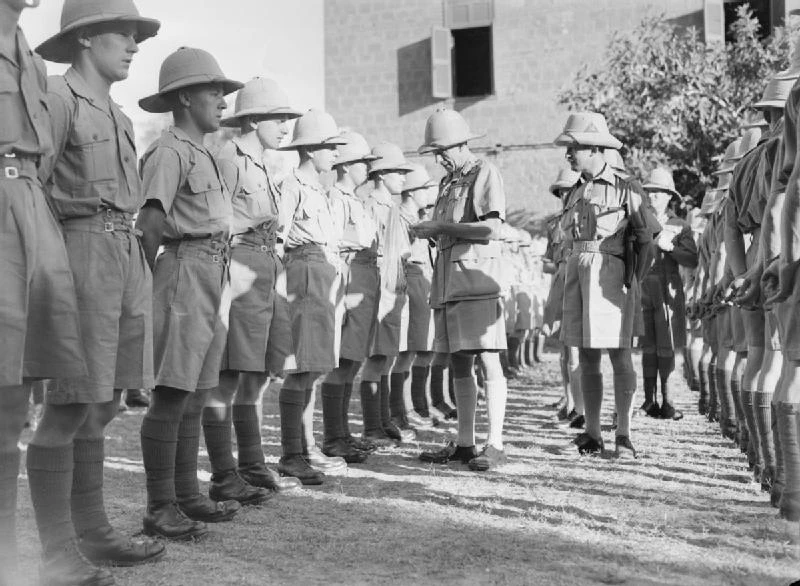
Platt before Kassala — January 1941
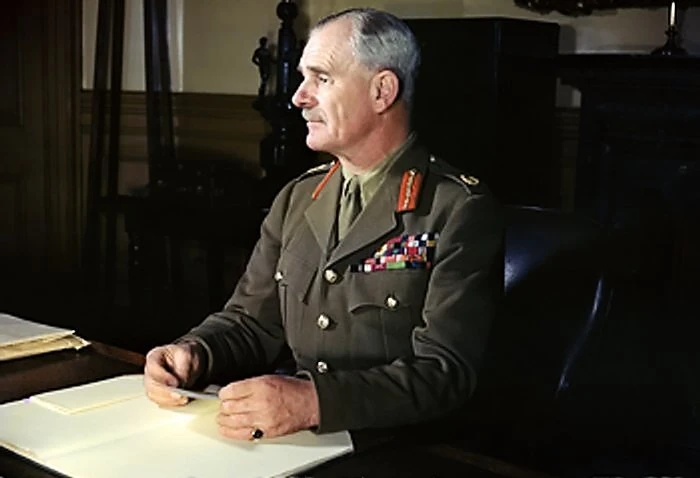
Battleaxe — Wavell before Halfaya
Hitler sends Rommel to Africa
Mackay before Tobruk — the assault
Mackay and the Australians at Bardia
Rommel at El Agheila — orders or audacity?
Cunningham toward Mogadishu
Crusader: The Generals' Doubt
Graziani inherits the Libyan desert
O'Connor launches Compass — Sidi Barrani
Platt before Kassala — January 1941