
U-110 — a U-boat abandoned but afloat
In the spring of 1941, the Battle of the Atlantic was raging: the U-boats were decimating the convoys, and the Royal Navy most often did not know their positions, for lack of being able to read German communications enciphered by the Enigma machines. Cracking this code was the obsession of the codebreakers at Bletchley Park, who were cruelly short of authentic German material to that end.
On 9 May 1941, convoy OB 318, south of Greenland, was attacked by U-110 of Commander — the officer who had sunk the liner Athenia on the very first day of the war. Spotted, the U-boat was forced to the surface by the escorts' depth charges. The crew abandoned it, convinced it was sinking. But the submarine remained afloat.
The captain of the destroyer HMS Bulldog had to decide in a few minutes: ram and sink the enemy submarine, the normal reflex of anti-submarine warfare; or stay his hand and send a party to board her, at the risk of an explosion or scuttling, to try to seize what she contained. The window was narrow: U-110 could founder or be scuttled at any moment.
What should the Bulldog do with U-110, abandoned but still afloat?
The captain chose B. A boarding party led by the young Sub-Lieutenant went down into U-110 and removed everything portable — including an intact Enigma machine, its current settings and secret documents, notably the short-term cipher tables. Lemp, realising his submarine was not sinking and trying to return to scuttle her, perished at sea. The prize, kept strictly secret (U-110 sank under tow the next day, concealing the capture), gave Bletchley Park valuable help in reading German naval traffic. Combined with other seizures, it contributed to the regular reading of the U-boat code, a decisive and long-hidden asset in the Battle of the Atlantic.
Learn more about this event
Related polls
10
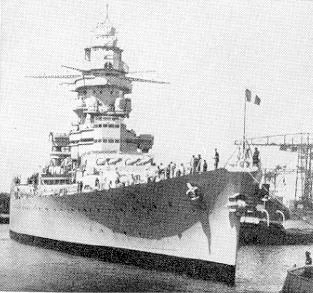
The Admiralty and the Strasbourg Rumour
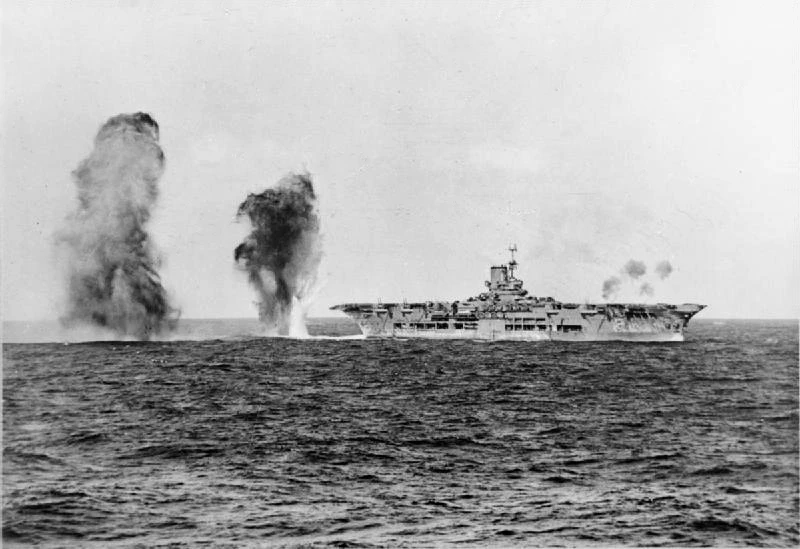
Cape Matapan — Cunningham against Iachino
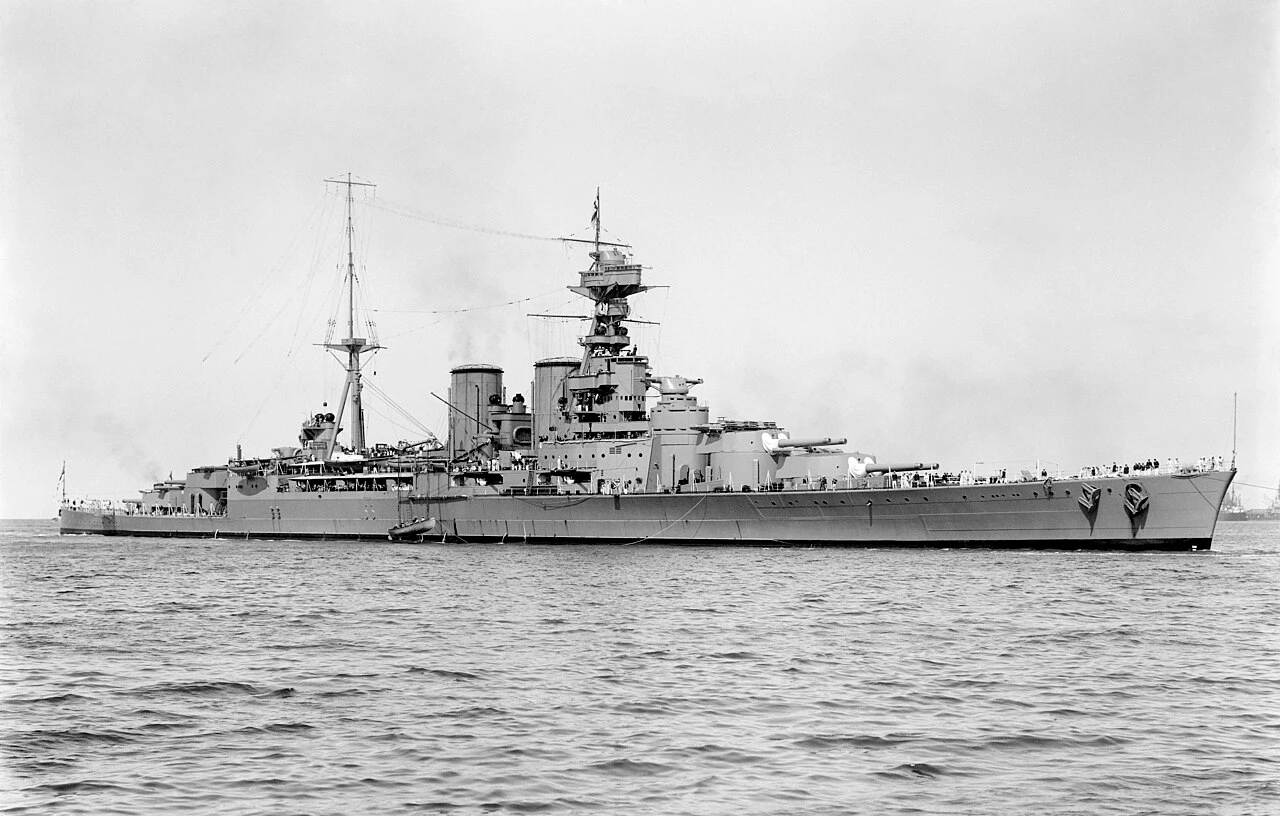
The Hood against the Bismarck

The Cambridge mathematician sworn to secrecy at Bletchley
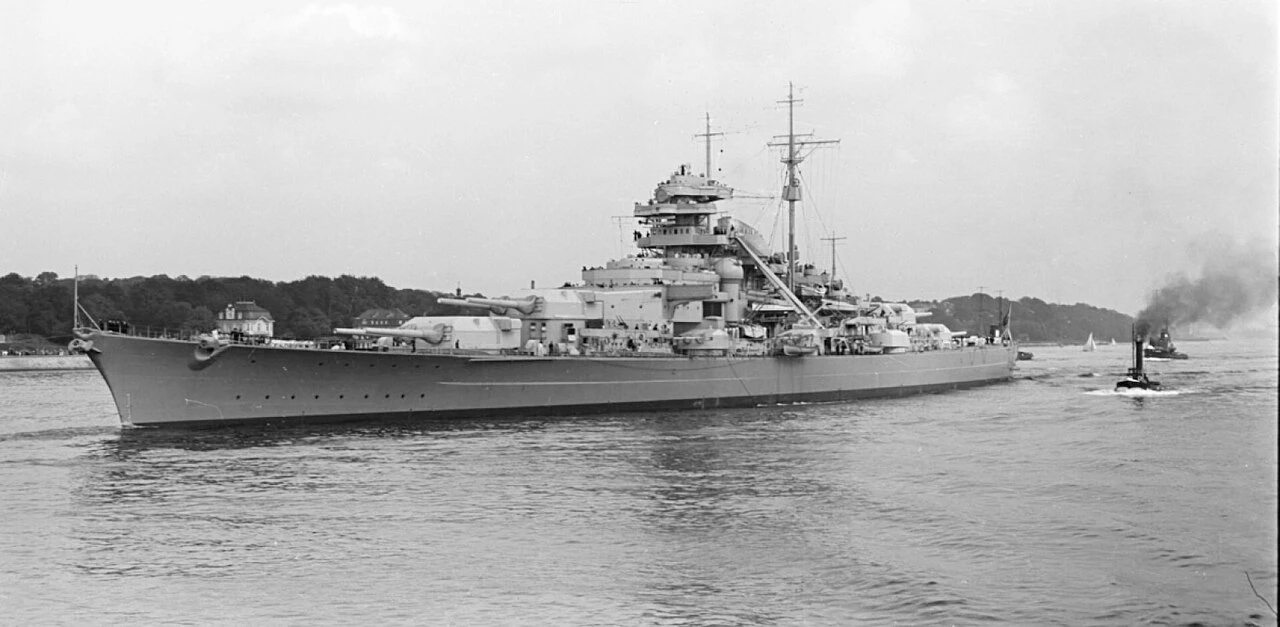
Tovey — the Bismarck running for France
The turned agent and what he is allowed to say
Bletchley breaks the Norway Enigma
The blockade of Germany
Fegen and the Jervis Bay — convoy HX-84
HMS Courageous — Makeig-Jones after the Torpedoes
The Admiralty and the Strasbourg Rumour
Cape Matapan — Cunningham against Iachino
The Hood against the Bismarck
The Cambridge mathematician sworn to secrecy at Bletchley
Tovey — the Bismarck running for France
The turned agent and what he is allowed to say
Bletchley breaks the Norway Enigma
The blockade of Germany
Fegen and the Jervis Bay — convoy HX-84