
Korczak — facing the siege of Warsaw
, 61, is known by his literary pseudonym . A paediatrician, a children's author (Król Maciuś Pierwszy, 1923 — King Matt the First — is a classic of world children's literature), an educationalist who theorised the rights of the child as early as 1925 (a theory later taken up by the international Convention of 1989). Since 1912 he has run the Dom Sierot — an orphanage for Jewish children at 92 Krochmalna Street in Warsaw, which in 1939 houses about 200 children aged 7 to 14.
The siege of Warsaw begins on 8 September. 92 Krochmalna is in the north-western quarter, only 600 metres from the German positions of early September. The air raids — by the Heinkel He 111s of and 53 — strike civilian districts from 7 September. Provisions are running short. The Dom Sierot kitchen has a fortnight's flour. The water mains run intermittently.
On 12 September, friends of Korczak — of the Nasz Dom orphanage and several members of the Komitet Pomocy Żydom (Committee to Aid the Jews) — propose evacuating the children eastward, into the zone that would later fall to the Soviets. The educationalists reckon the children have a chance of surviving if they are moved. Korczak is Jewish. He knows the German occupation will be especially violent for Jews. He also knows he has 200 children in his charge, some of them babies.
What to do with the children in the face of the siege?
Korczak chooses B. He refuses the offers of evacuation, holding that the orphanage must remain a stable home for the children, in Warsaw, where they have their bearings. During the siege he goes out wearing the Polish Wehrmacht uniform of 1918 (which he put on again that month in defiance) to ask for food donations from shopkeepers and individuals. He keeps his Diary of the Siege (published posthumously). After the capitulation he carries on running the orphanage. In October 1940 the orphanage is forced by German order to move into the Warsaw Ghetto. Korczak refuses several offers of escape from non-Jewish Polish friends (notably , who offers him false papers in 1941). On 6 August 1942, during the great deportation from the ghetto to Treblinka, Korczak refuses a last offer of escape and walks with his 192 children to the Umschlagplatz, then onto the train, then into the gas chamber. The account of his walk down Sienna Street has become one of the iconic moments in the memory of the Shoah.
Learn more about this event
Related polls
10
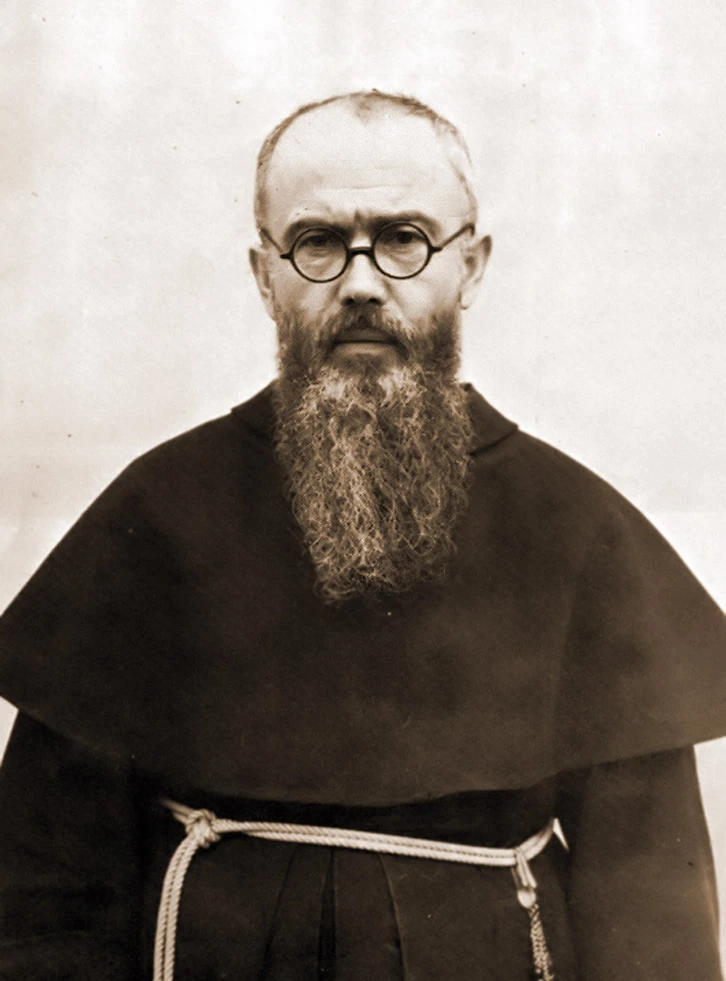
Father Kolbe — the Wehrmacht arrives at Niepokalanów
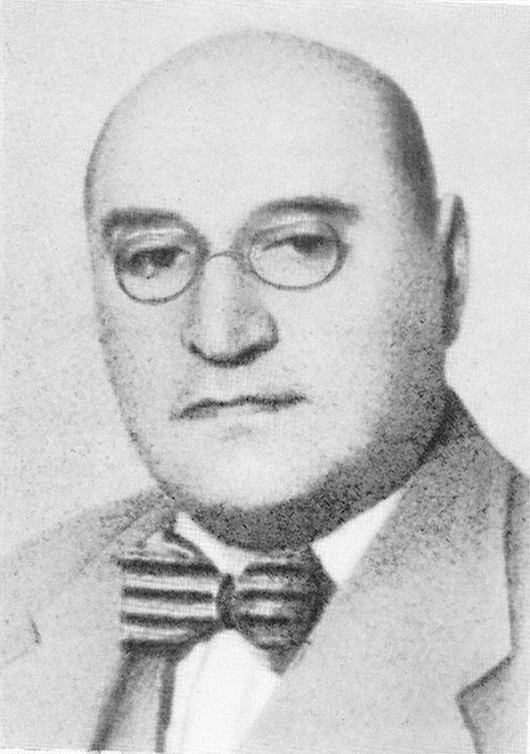
Czerniaków — the offer of the Judenrat
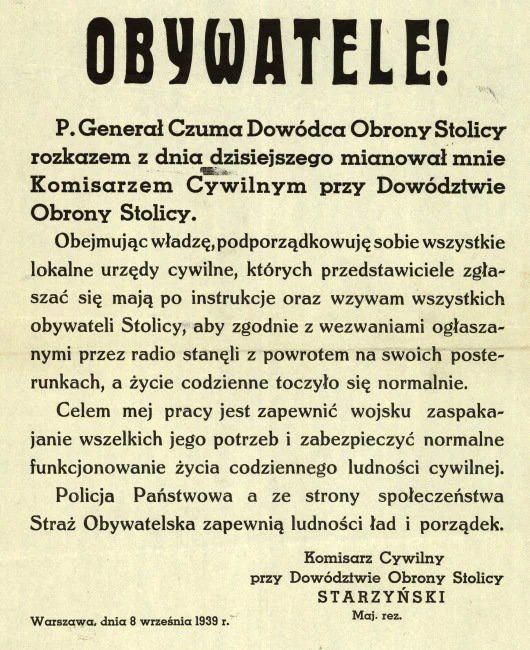
Warsaw Under Siege: Feeding the City or the Front
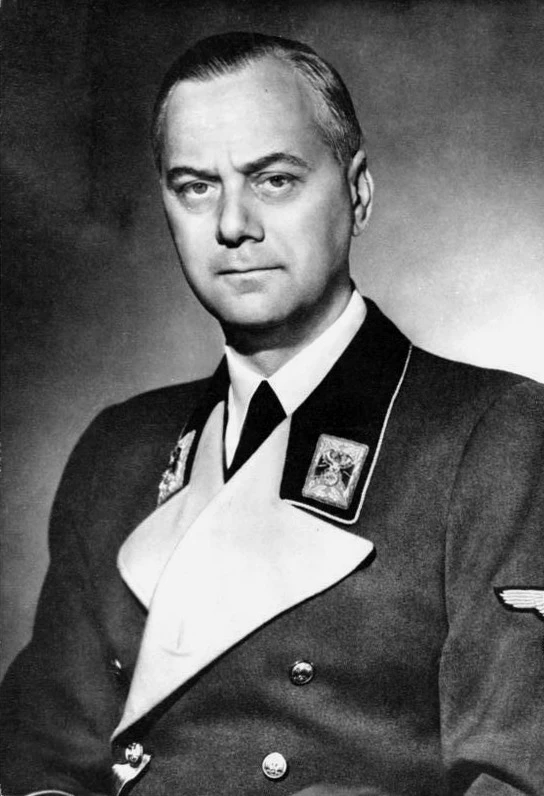
The Evacuation of the Children
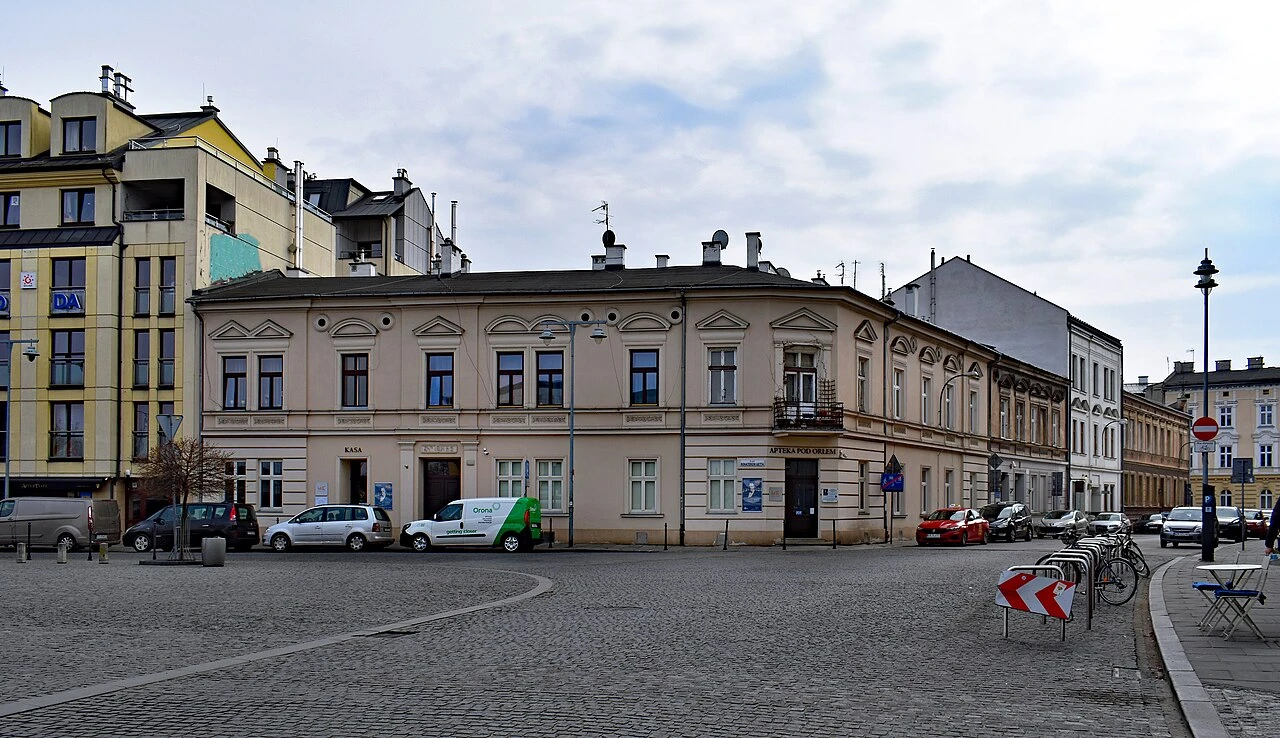
The apothecary of the Kraków Ghetto
The Conscientious Objector
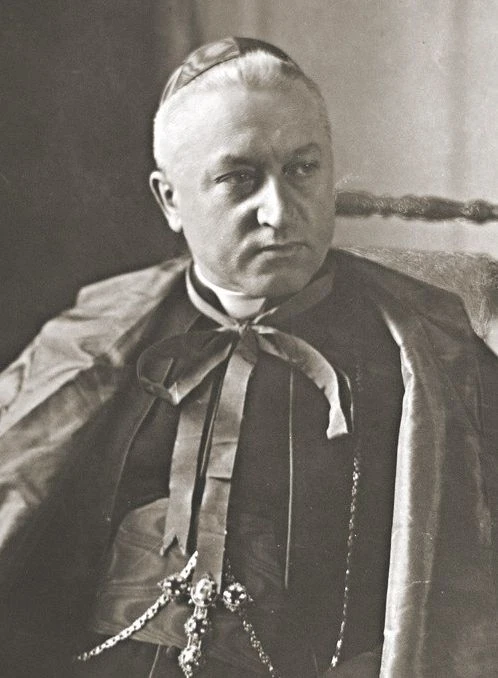
Cardinal Hlond — the Vatican's instruction
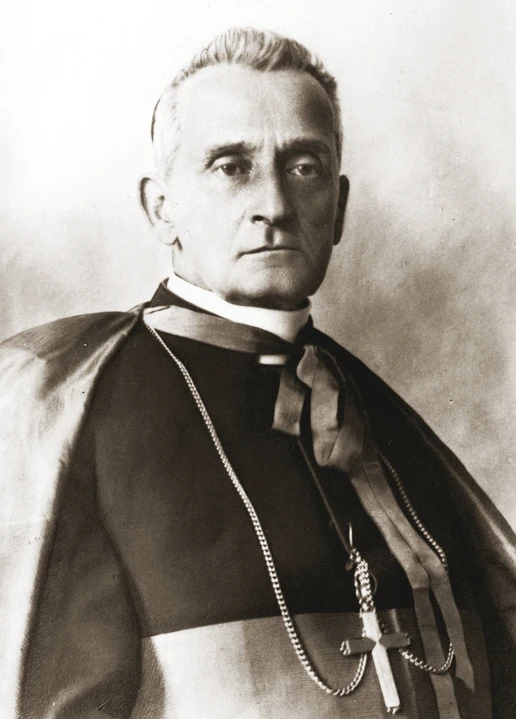
Cardinal Sapieha — Krakow under Occupation
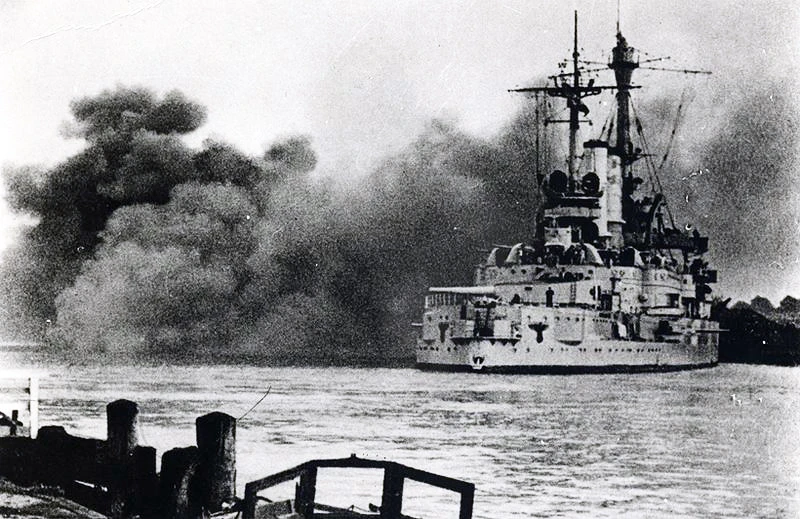
Danzig, September 1939 — the policeman of the Free City
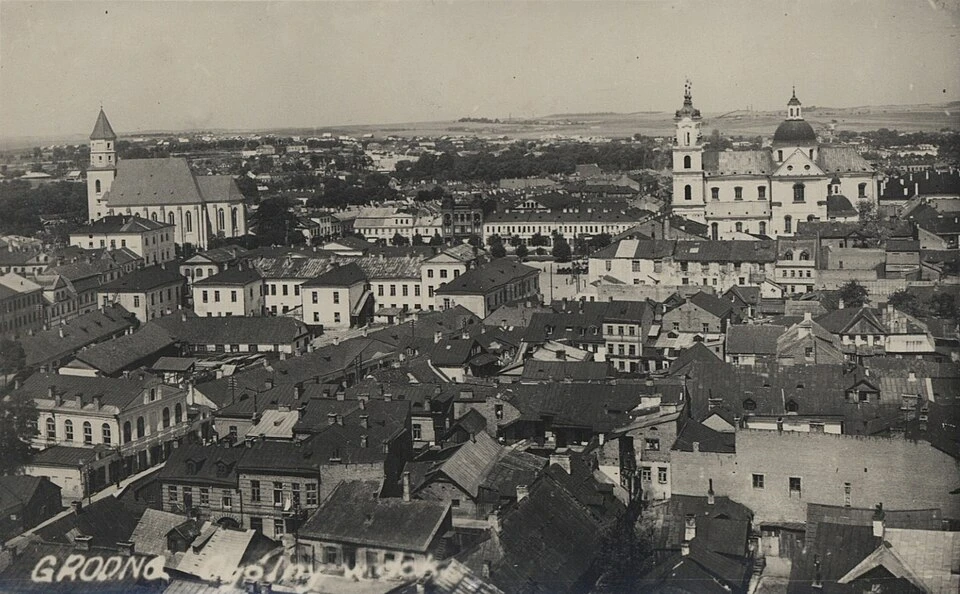
Grodno — the harcerze on Skidelska Street
Father Kolbe — the Wehrmacht arrives at Niepokalanów
Czerniaków — the offer of the Judenrat
Warsaw Under Siege: Feeding the City or the Front
The Evacuation of the Children
The apothecary of the Kraków Ghetto
The Conscientious Objector
Cardinal Hlond — the Vatican's instruction
Cardinal Sapieha — Krakow under Occupation
Danzig, September 1939 — the policeman of the Free City