
Carmille and the Vichy Punch Cards
In the autumn of 1941, heads the National Statistics Service (SNS), created a few months earlier in Vichy by merging the demographic services and the general statistics office. A graduate of the École Polytechnique and Inspector General of the Army, he has equipped the SNS with hundreds of Bull and Hollerith punch-card tabulating machines, capable of processing millions of individual files in series. It is one of the most powerful administrative machines in Europe for counting and classifying the population.
The regime intends to mobilize this tool. The law of 11 October 1940 instituted an individual identification number and a major census of all inhabitants. The columns of the questionnaire provide for recording religion and origin, in line with the Jewish Statute of October 1940 and the registration already begun by the Paris police prefecture. The German authorities, like the General Commissariat for Jewish Affairs, expect the SNS to produce nominal lists.
Carmille thus finds himself at the heart of an administrative apparatus whose uses carry grave consequences. A civil servant of the French State and a recognized technician, he knows that his decision involves at once his career, his institution, and the fate of the targeted populations. Caught between the orders he has received, the expectations of the occupier, and his own conscience, the head of the National Statistics Service must settle on a course of action.
What should René Carmille do about the census and the registration of Jews?
Carmille chose to quietly sabotage the processing of the data: in fact a Resistance agent (the Marco Polo network), he never produced the nominal file of Jews demanded by the authorities. Column 11, meant to record religion, was simply never tabulated; the corresponding cards remained unprocessed. Better still, he diverted the SNS's enormous tabulating capacity to prepare a clandestine mobilization, notably by identifying men fit for military service with a view to an army of revenge. His double game delayed and hampered the statistical work expected by Vichy and the occupier. Unmasked, he was arrested by Klaus Barbie's Gestapo in Lyon in February 1944, tortured, then deported; he died at Dachau concentration camp in January 1945. Historians, including Robert Carmille and the American Edwin Black, have since emphasized that his sabotage of the "religion" column probably helped to limit the administrative identification of Jews in the unoccupied zone.
Learn more about this event
Related polls
10
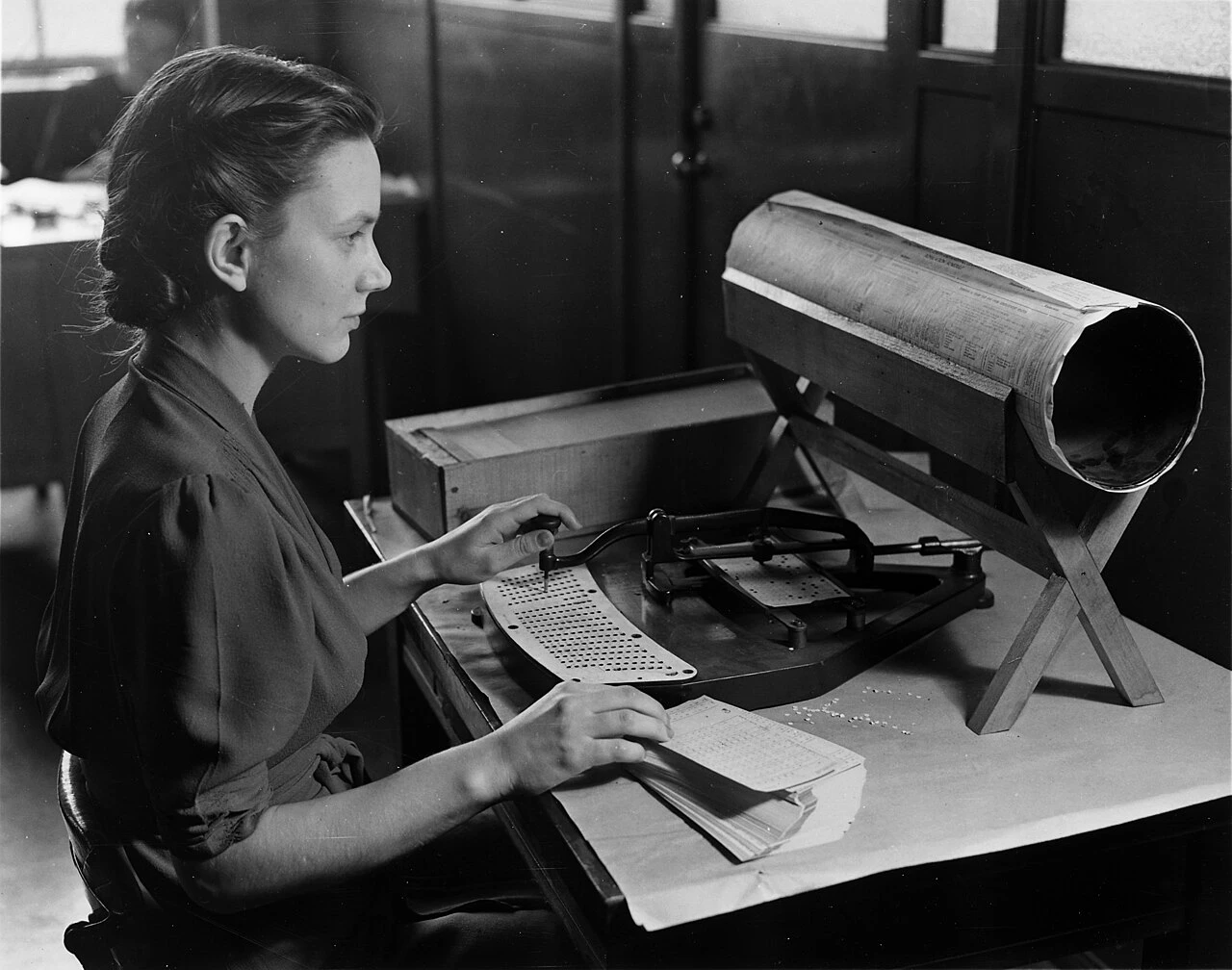
The Punch-Card Machine Controller
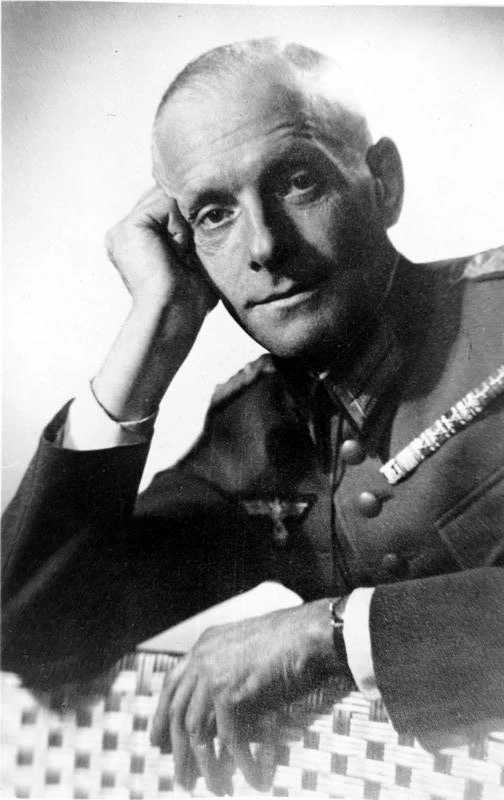
Oster picks up the telephone
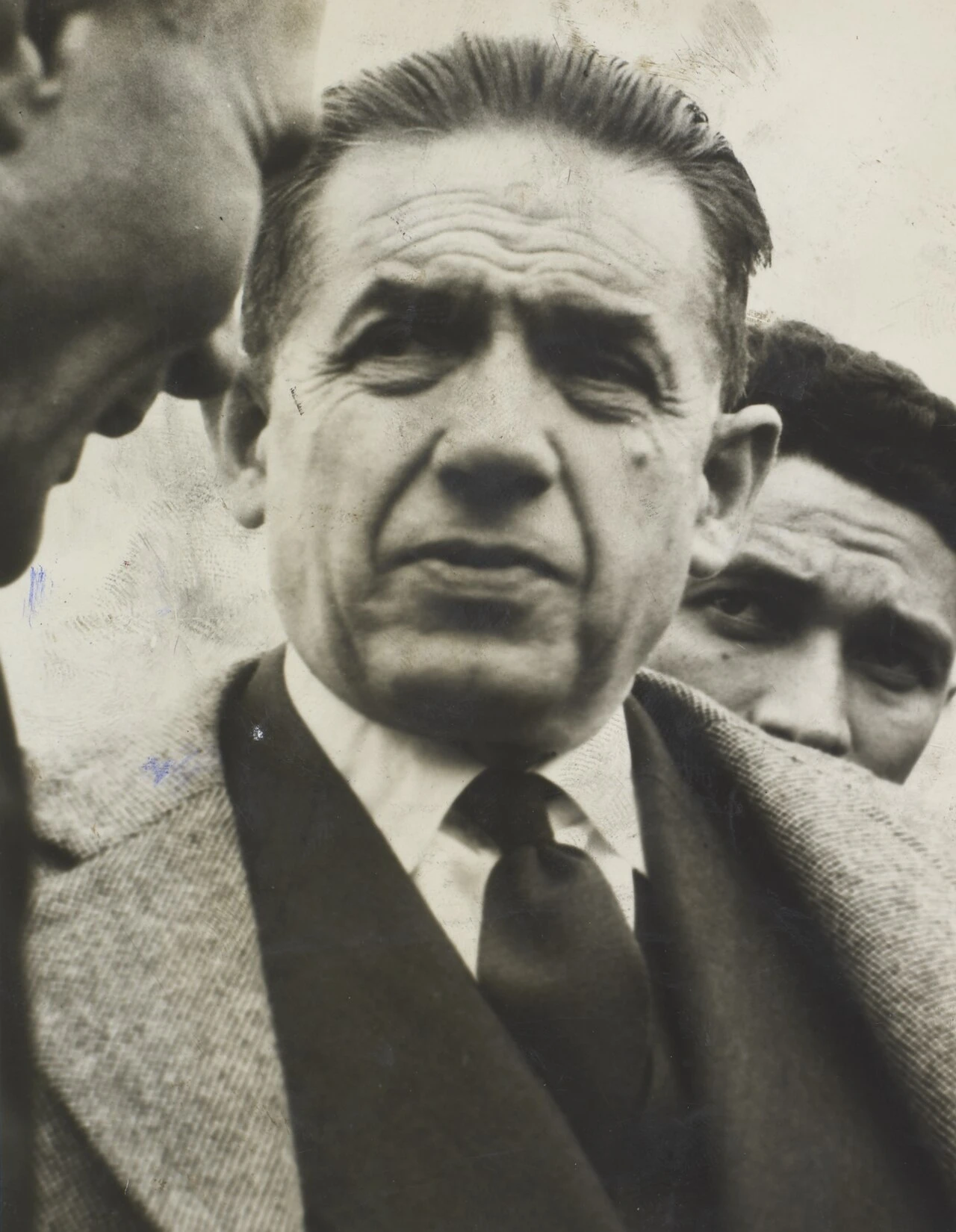
Edmond Michelet — Brive leaflet, 18 June
Gilbert Renault — the road to London
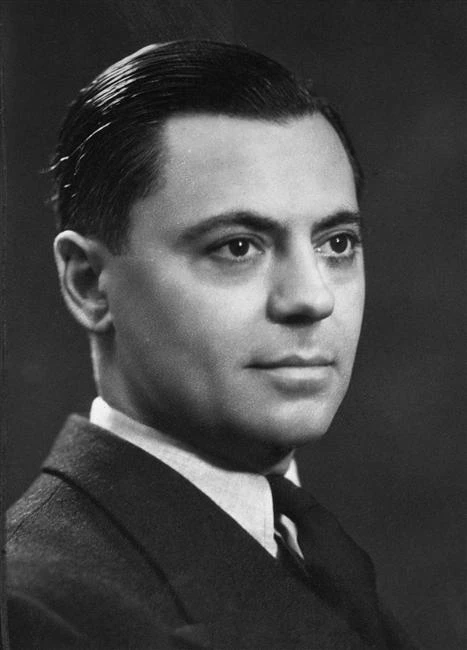
Jean Moulin — Chartres, 17 June
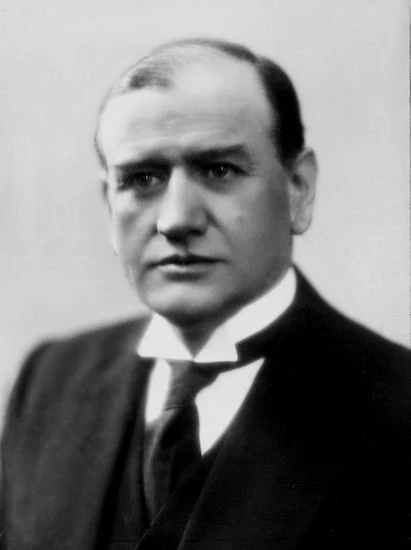
The Massilia — Bordeaux 21 June
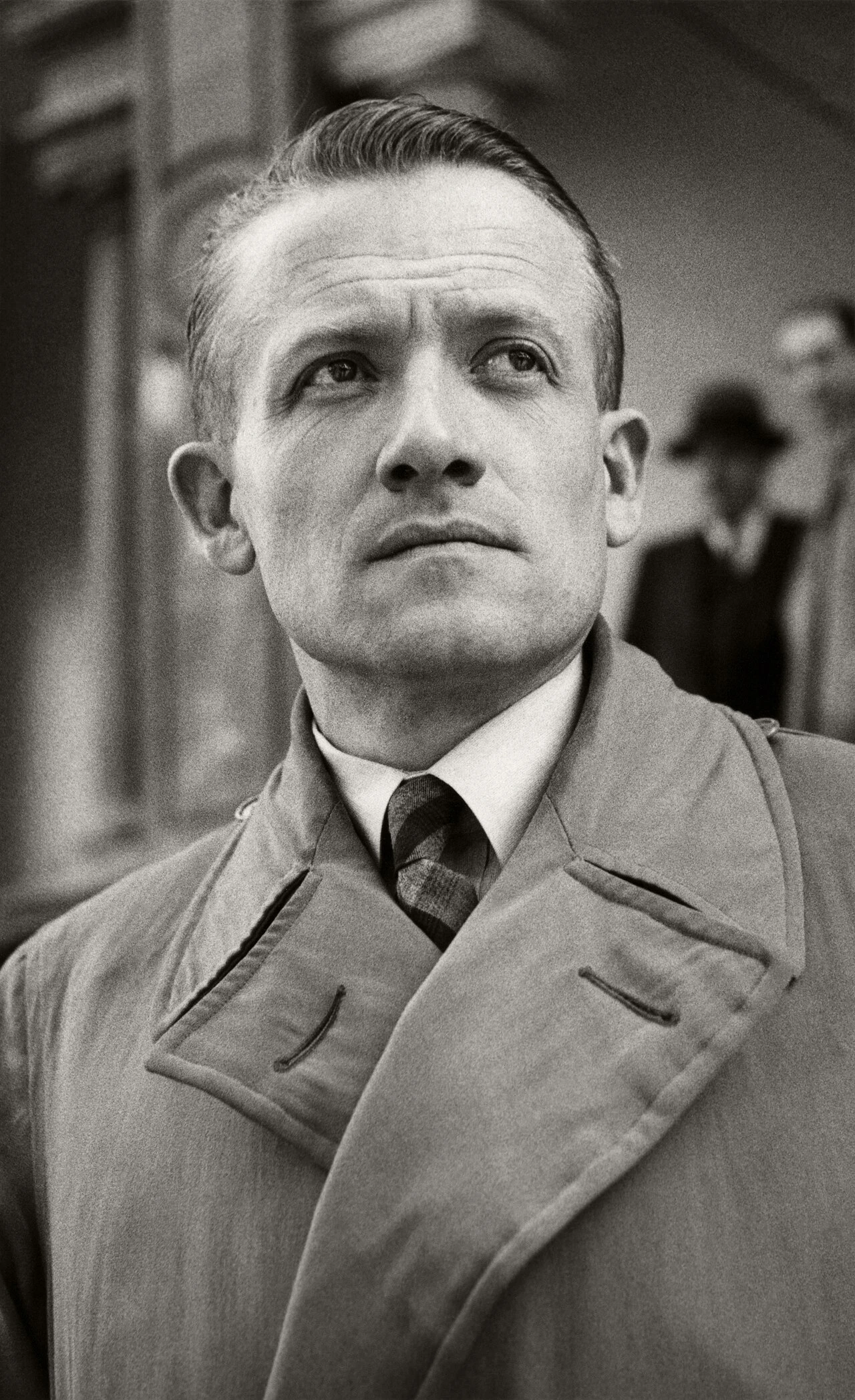
Henri Frenay at Marseille — August 1940

The Parisian concierge facing informing under the Occupation
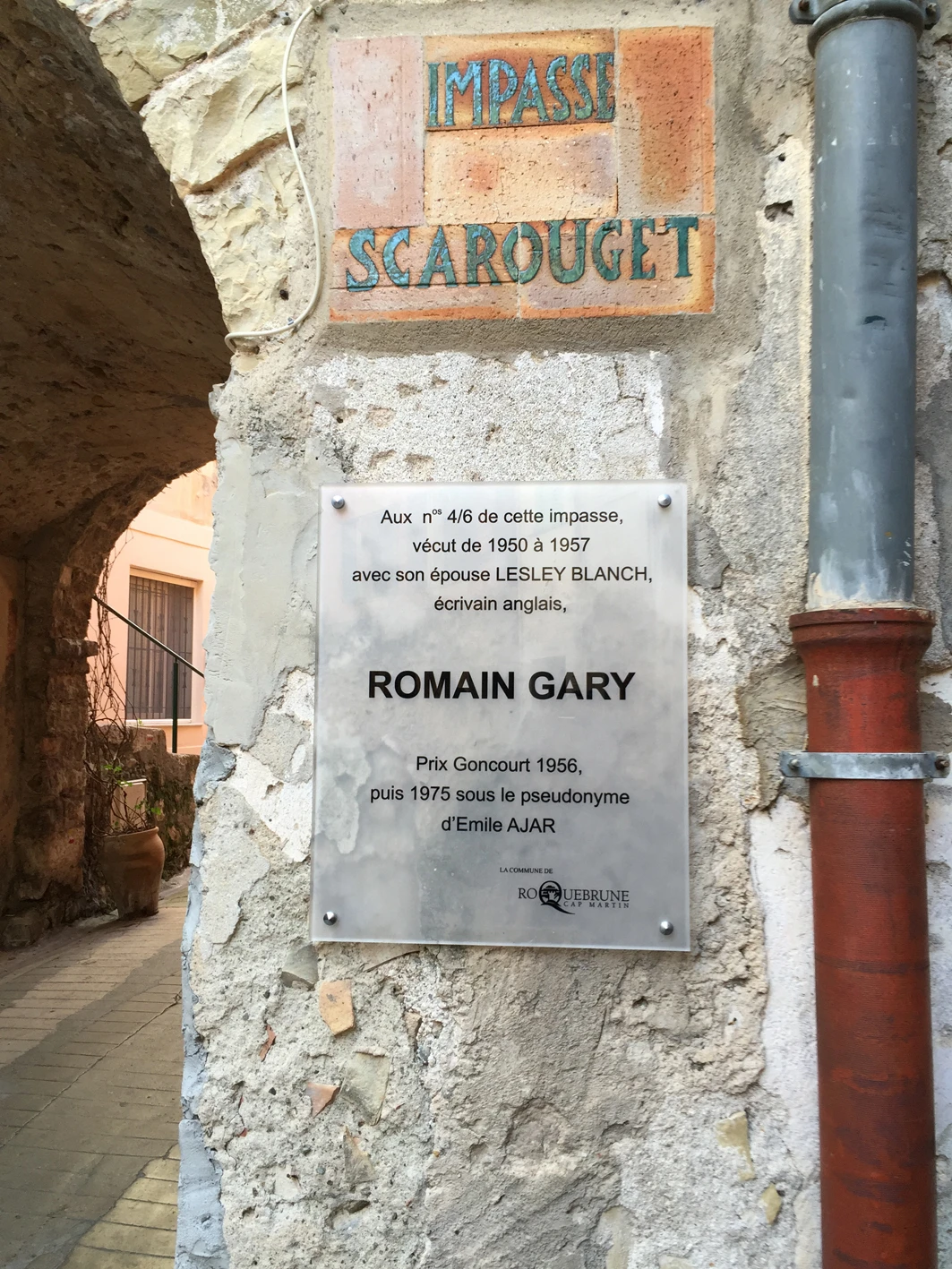
Romain Gary at Salon — 17 June
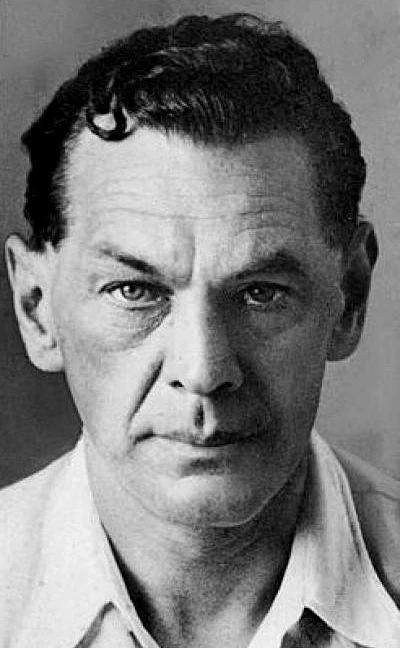
Sorge in Tokyo: The Net Tightens
The Punch-Card Machine Controller
Oster picks up the telephone
Edmond Michelet — Brive leaflet, 18 June
Gilbert Renault — the road to London
Jean Moulin — Chartres, 17 June
The Massilia — Bordeaux 21 June
Henri Frenay at Marseille — August 1940
The Parisian concierge facing informing under the Occupation
Romain Gary at Salon — 17 June