
Rotterdam under the threat from the air
On 14 May 1940, Dutch resistance still held around Rotterdam, where German paratroopers had been engaged since 10 May. To break the defence and hasten the capitulation of the Netherlands, the German command considered a massive bombing of the densely populated city centre.
Yet surrender negotiations were under way. To launch the raid just as an ultimatum had been transmitted was to risk striking a city on the point of surrendering, at the cost of many civilian victims. To forgo it was to grant the defence a respite.
The German command could bomb the centre to terrorise it and force an immediate surrender. It could suspend the raid until the ongoing negotiations were concluded. Or it could strike only the military objectives while sparing the city. The confusion of communications, the ultimatum and the tempo of the offensive would weigh on a decision with dramatic consequences for the population.
Should the Luftwaffe bomb the centre of Rotterdam, suspend the raid, or strike only the military objectives?
The command settled on A: on 14 May, despite surrender talks, the Luftwaffe bombed the centre of Rotterdam. The recall orders arrived too late for some of the aircraft. The raid destroyed the historic heart of the city and caused, according to present-day estimates, around 800 to 900 deaths and tens of thousands of homeless — a heavy toll, but far below the 30,000 deaths once put forward by propaganda and the Allied press. Under the threat of an identical fate for Utrecht and Amsterdam, the Netherlands capitulated that same day. Rotterdam became a symbol of terror bombing and, in turn, nourished the Allied doctrine of bombing German cities.
Learn more about this event
Related polls
10
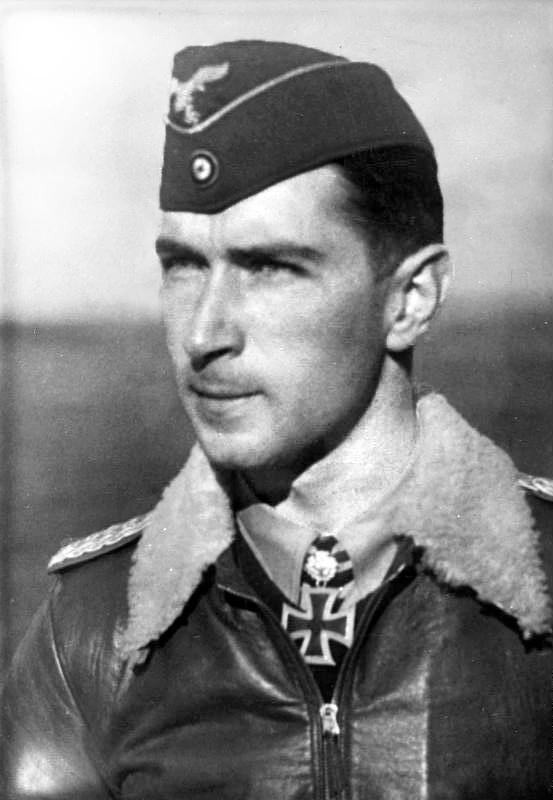
Mölders above the columns — 18 May
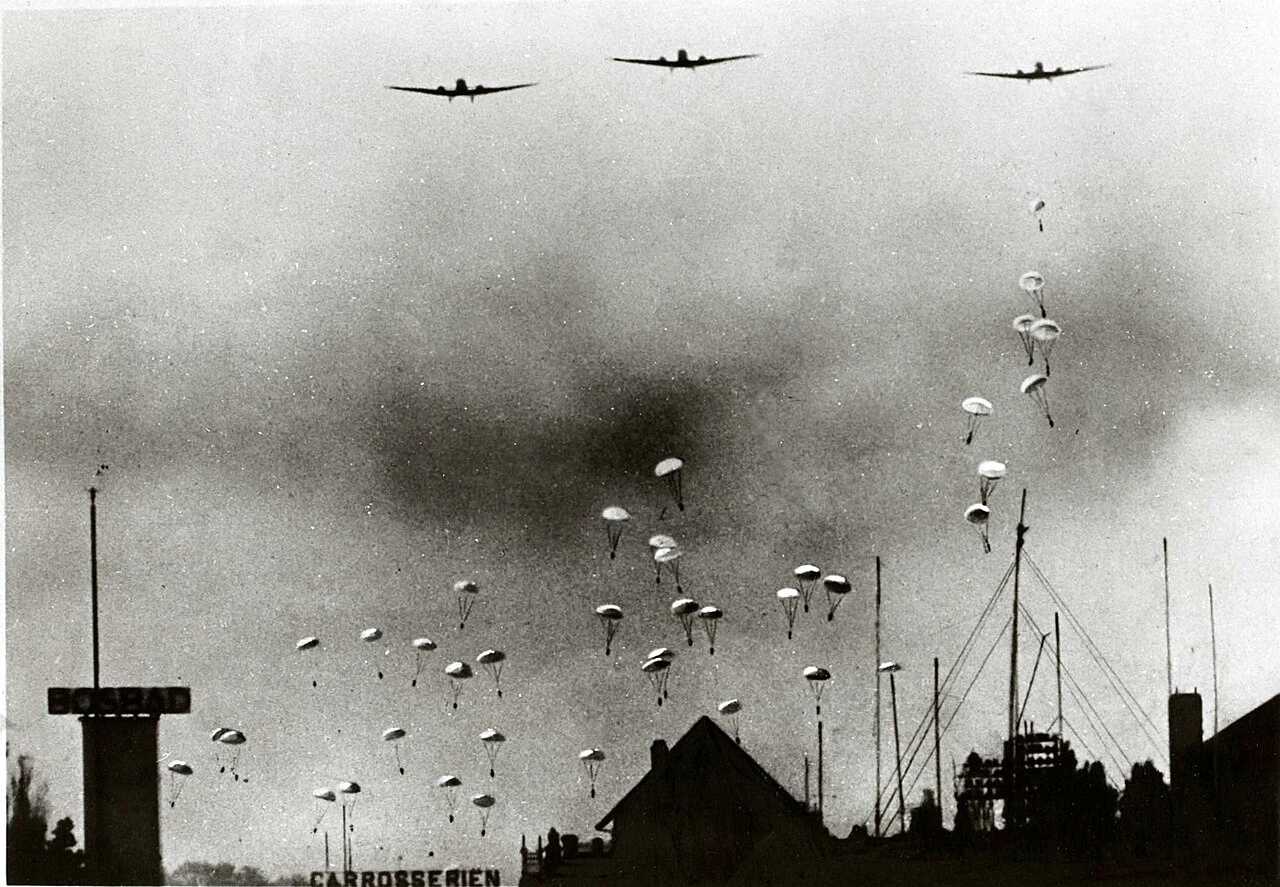
The paratroopers on The Hague
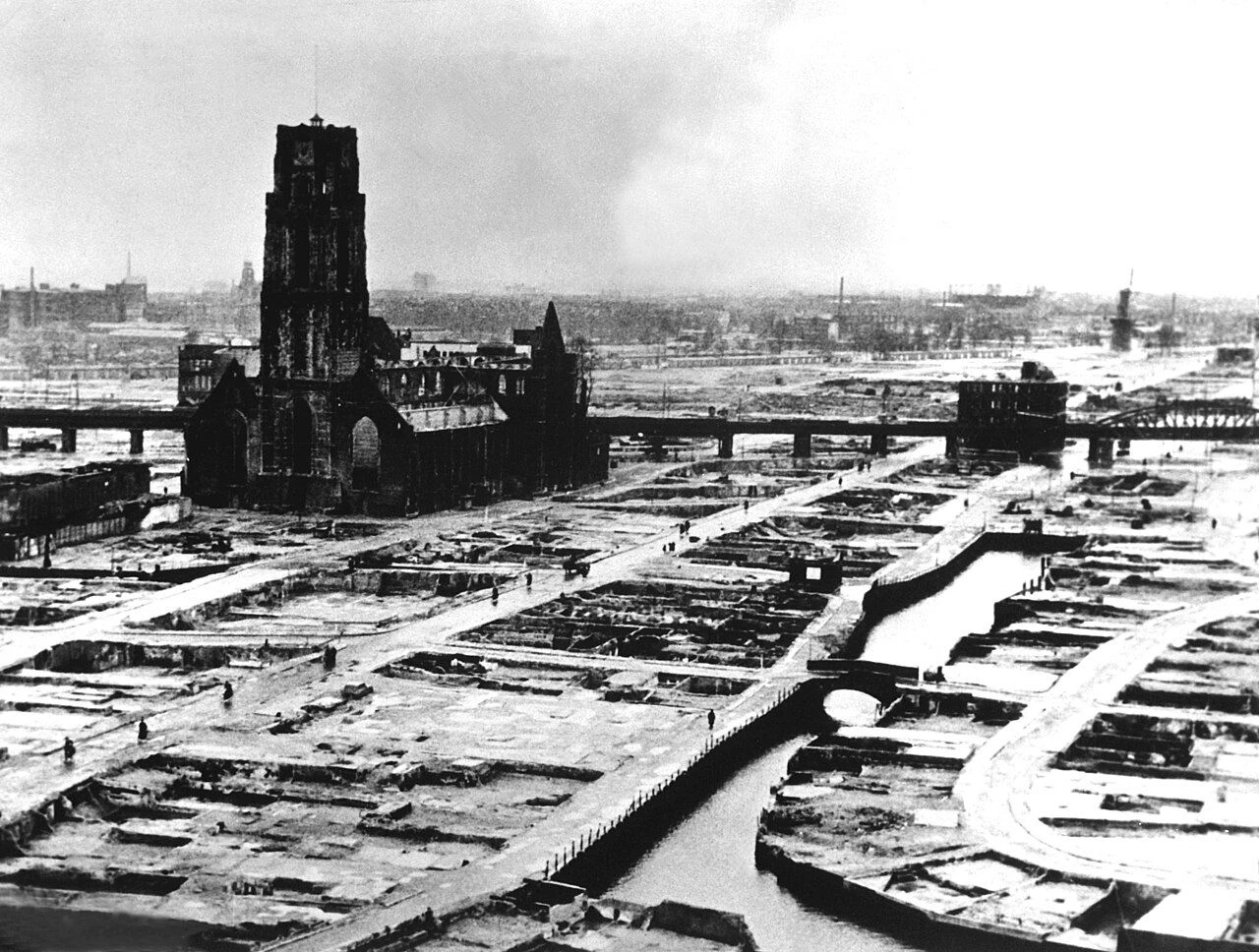
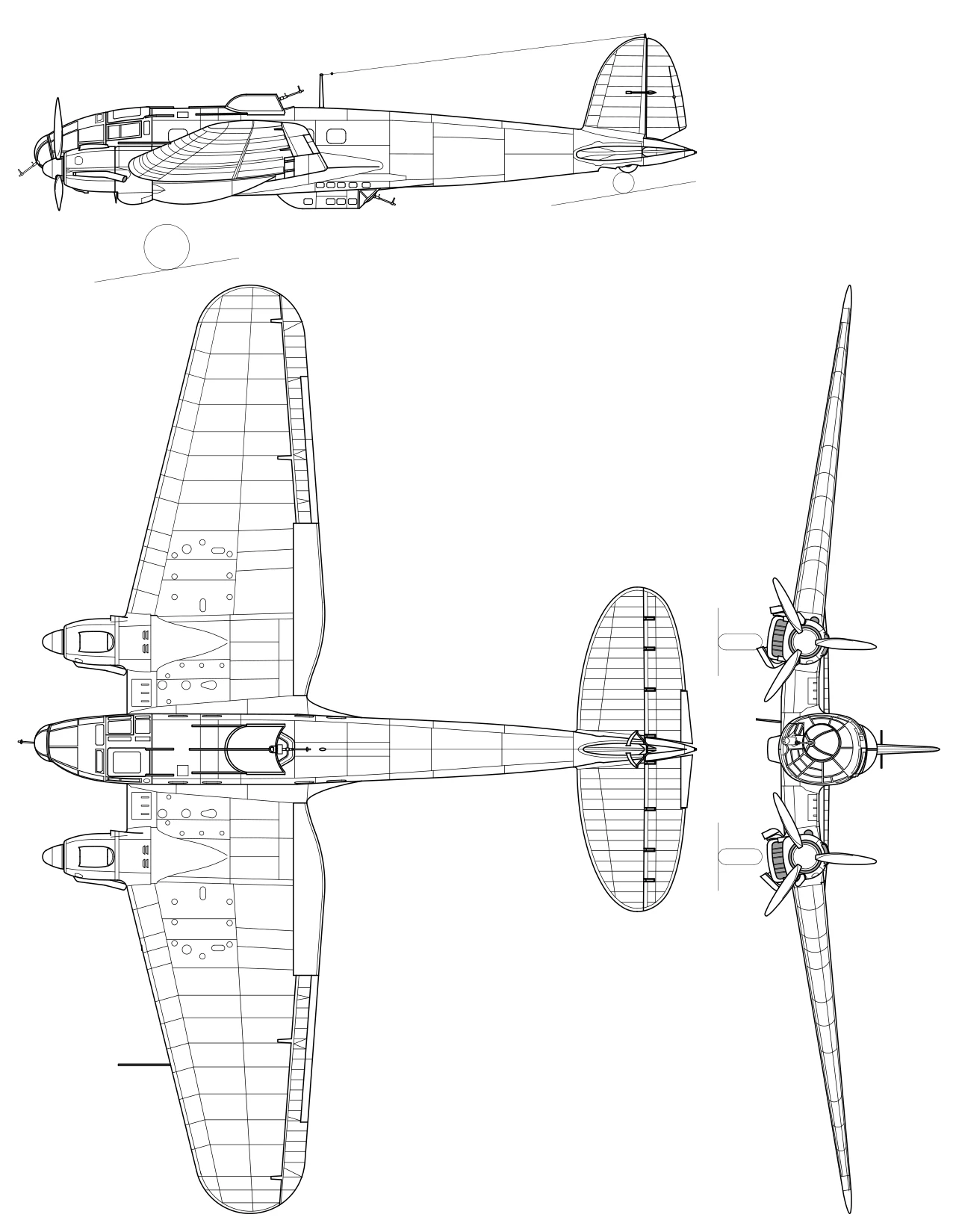
Rotterdam — 100 He 111s over the city
Valkenburg — paras on a grass strip
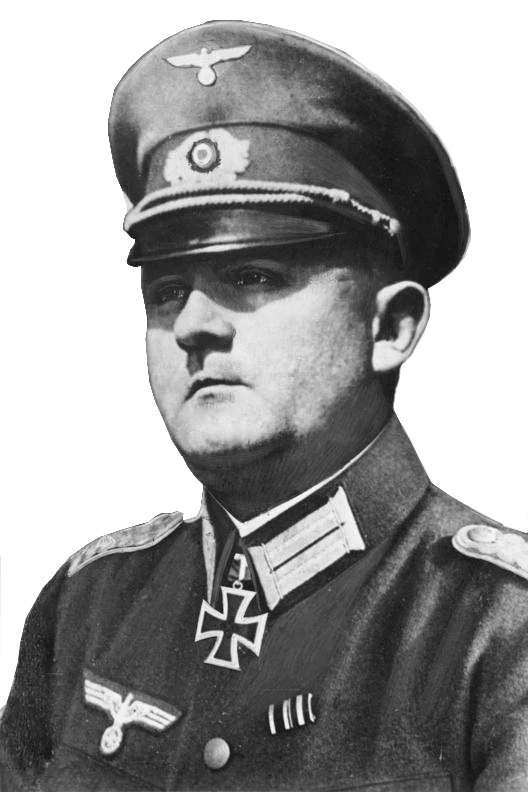
Waalhaven — assault on the Rotterdam airfield
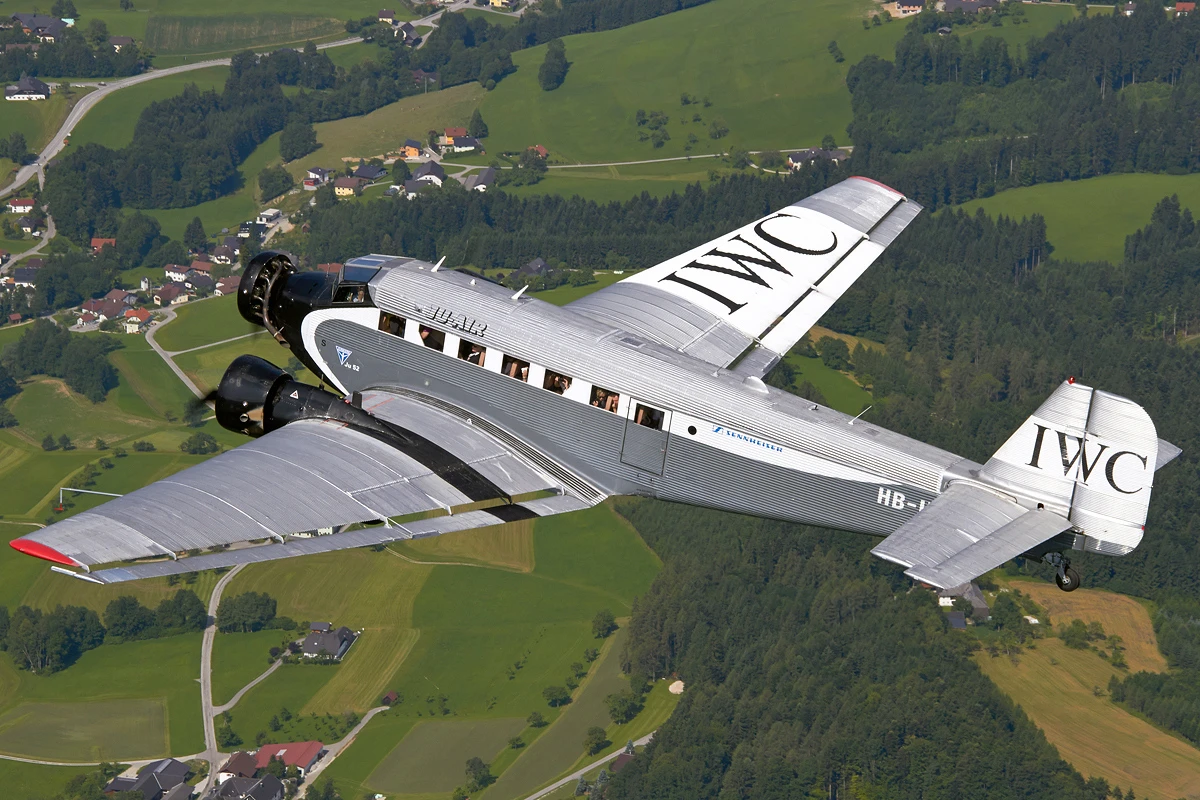
Ypenburg — German paras outside The Hague
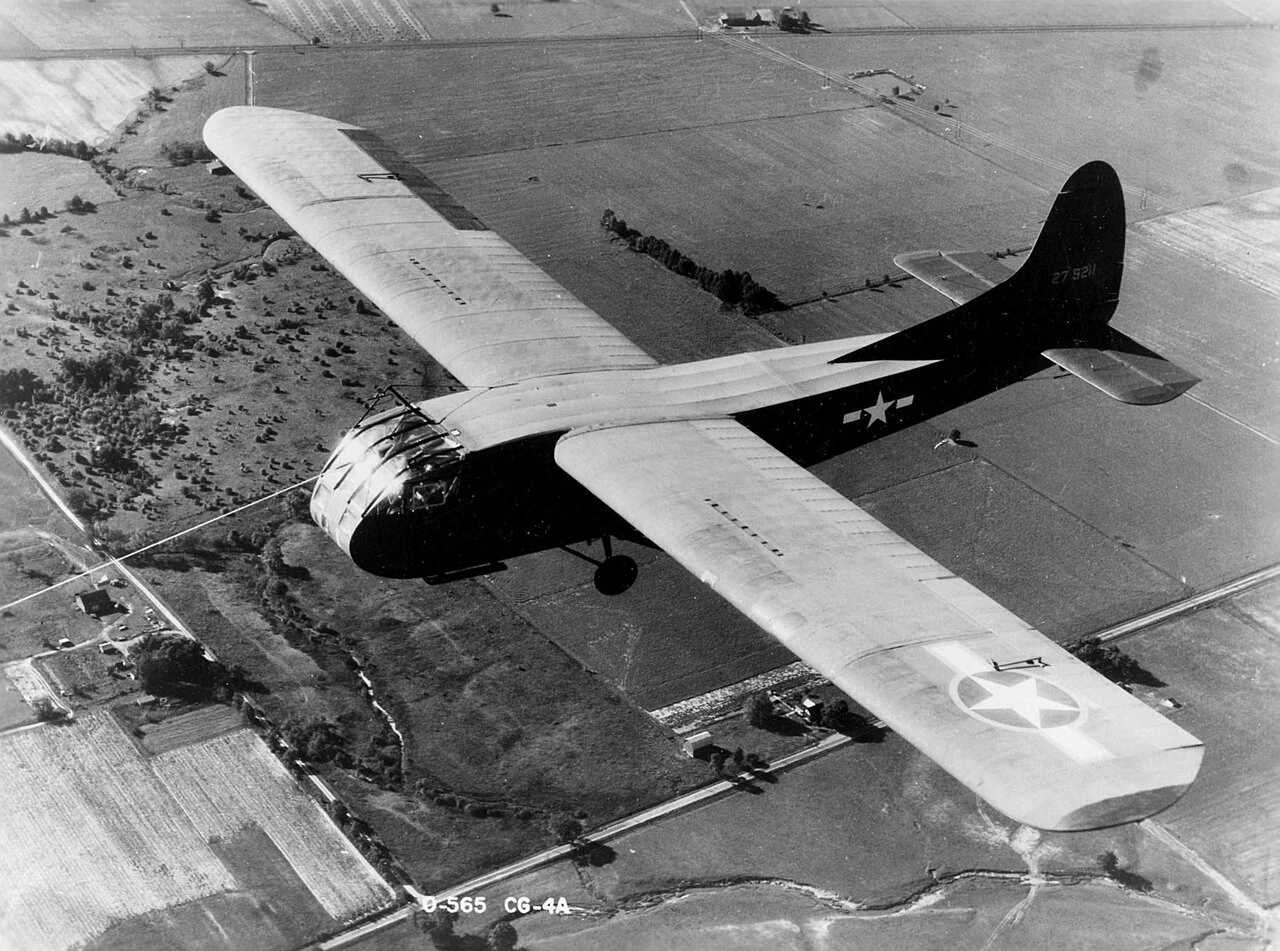
The coup de main on Ében-Émael
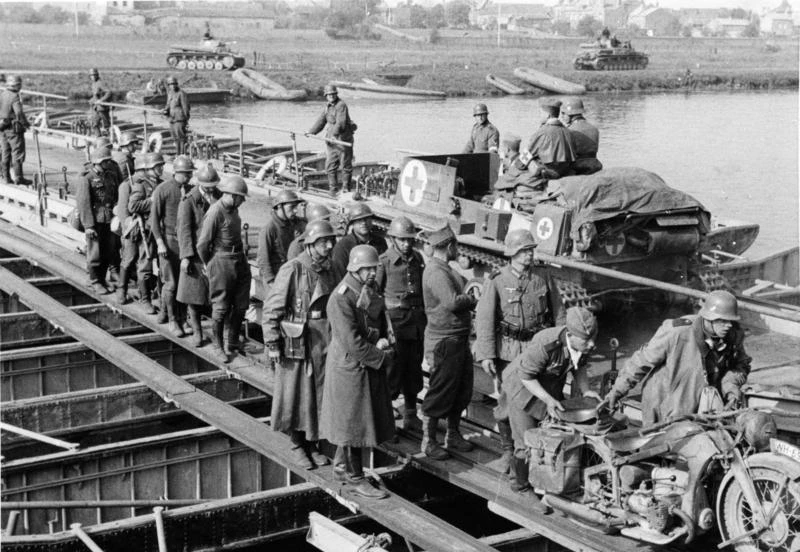
The deluge of Stukas over Sedan
The doctrine of terror bombing
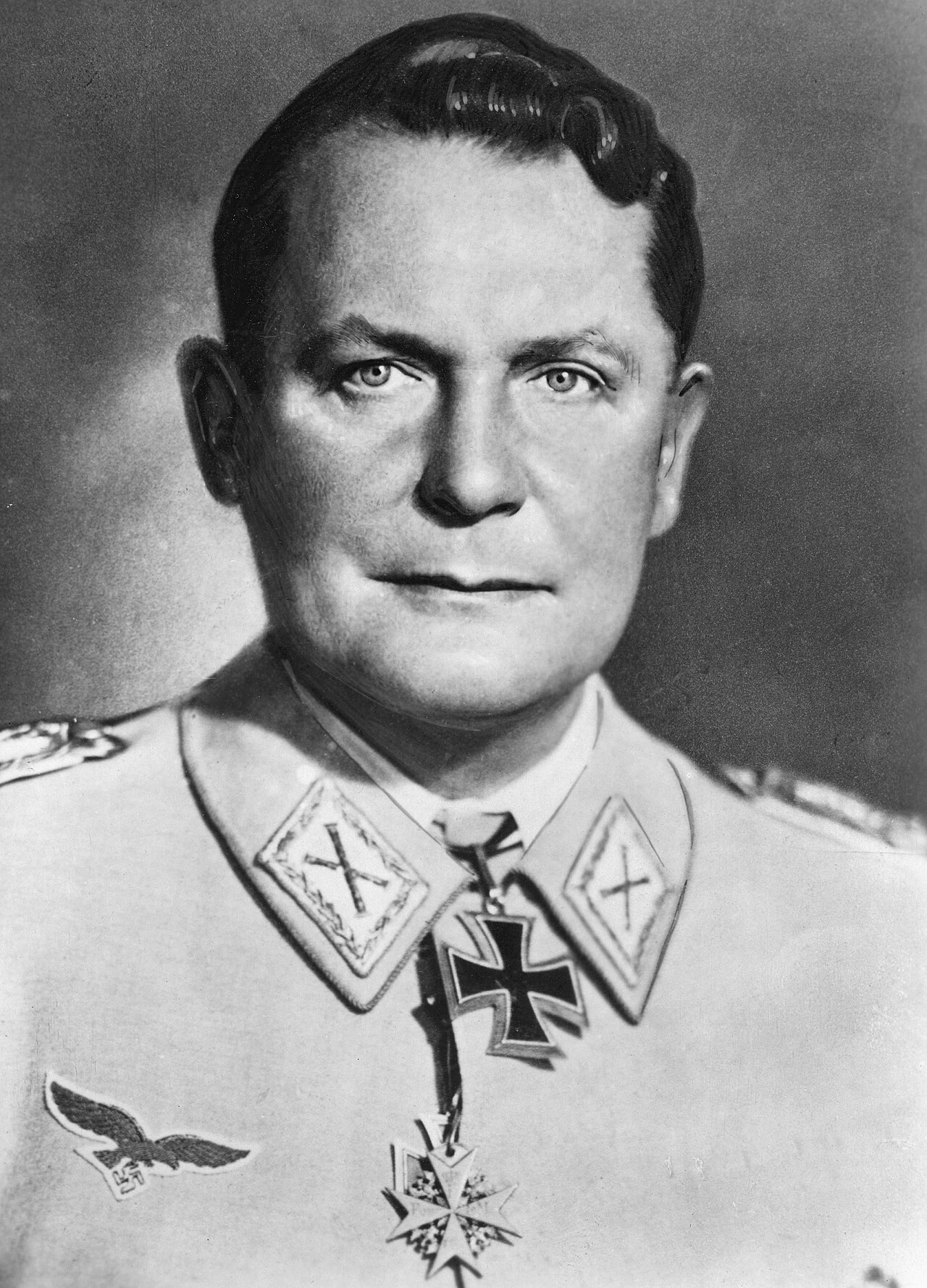
Goering at Carinhall — the promise to Hitler
Mölders above the columns — 18 May
The paratroopers on The Hague
Rotterdam — 100 He 111s over the city
Valkenburg — paras on a grass strip
Waalhaven — assault on the Rotterdam airfield
Ypenburg — German paras outside The Hague
The coup de main on Ében-Émael
The deluge of Stukas over Sedan
The doctrine of terror bombing