
Opel under the wartime Reich: what does General Motors do?
Since 1929, the automaker General Motors has owned Adam Opel AG, Europe's largest car manufacturer, whose Rüsselsheim plant and Brandenburg-an-der-Havel truck facility now supply the Wehrmacht with the Opel Blitz. The outbreak of war in Europe in September 1939, followed by the halt of civilian production, places the American executives in an explosive situation: their Detroit-owned company is working for the German war machine.
The American managers installed at the head of Opel report back to New York with increasing difficulty, and their presence at the controls of a Reich armaments plant is becoming politically untenable. In the spring of 1940, as it prepares to publish the annual report for the 1939 financial year, GM's leadership must decide how much control it intends to exercise over its subsidiary.
With its German subsidiary caught up in the Reich's war effort, what course does General Motors' leadership adopt?
GM chose the middle path (option B). The annual report published in April 1940 announced that the company had 'withdrawn the American personnel previously in charge of management' and entrusted administration to German nationals; in June 1940 the boards were reorganized ( and moved from the management board to the supervisory board). But GM kept all of the voting shares and remained represented by two American directors: legal control stayed in Detroit. It was not until November 1942, after the United States entered the war, that Opel passed under the authority of the Reich's custodian of enemy property, with becoming sequestrator-administrator. GM would not regain effective control until after 1945.
Learn more about this event
Related polls
10
Should Stalin Be Armed?
Vinson and the Two-Ocean Navy Act
Washington, March 1941: Arming Without Entering the War
Biebow at Litzmannstadt — 8 February
Eindhoven under the heel: the lamp empire put to the test
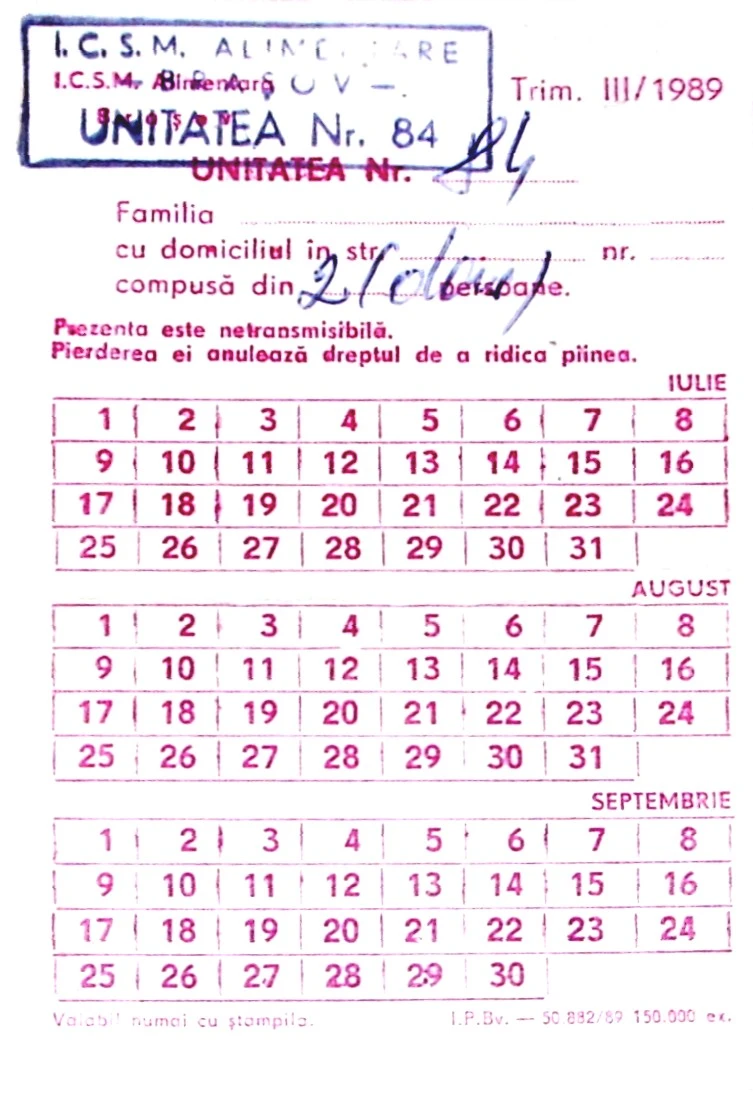
France's March 1940 Ration Card
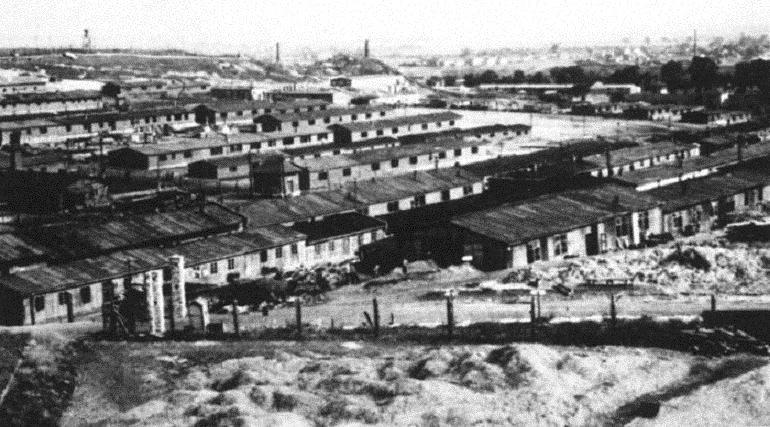
The Upper Silesian Pole Subjected to Forced Labour
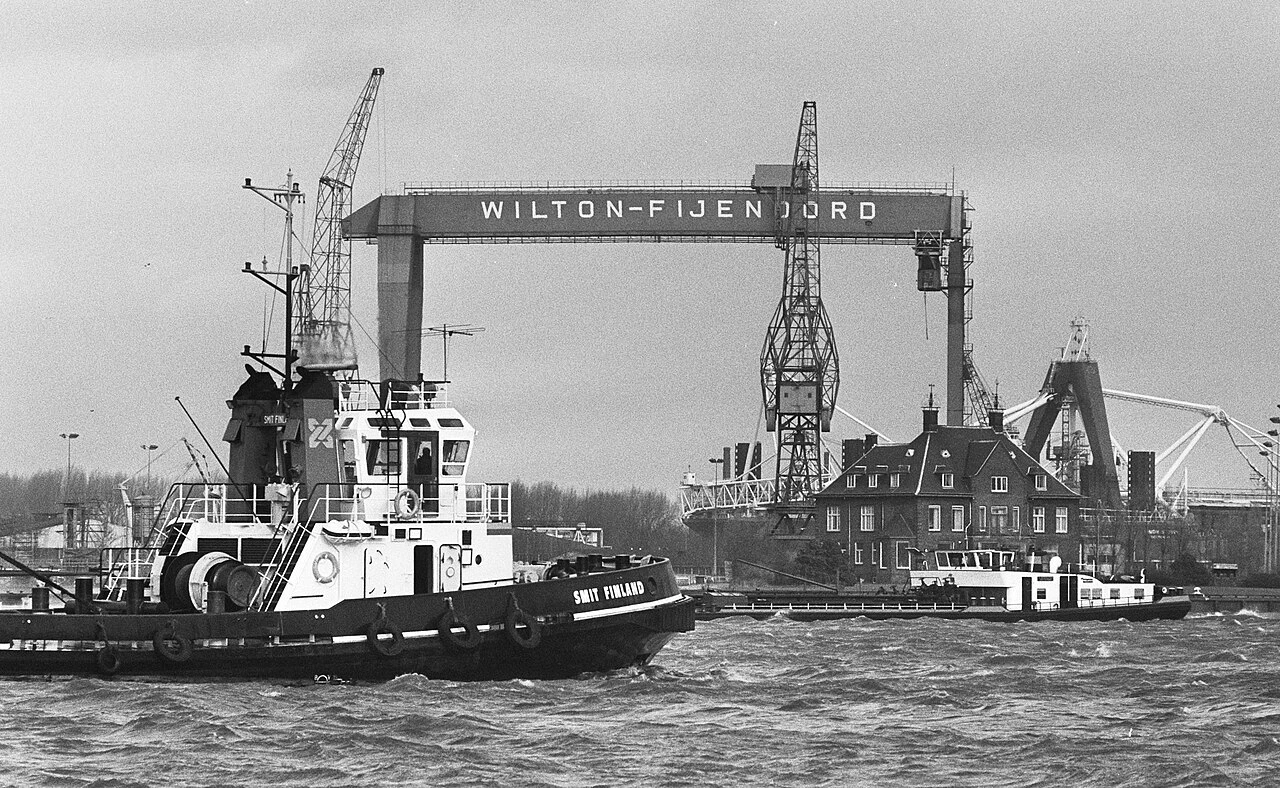
Wilton-Fijenoord: the shipyard's management faces the occupier
Carol II in Bucharest — the Romanian balance
The Galopin Doctrine — whether to produce under the occupier
Should Stalin Be Armed?
Vinson and the Two-Ocean Navy Act
Washington, March 1941: Arming Without Entering the War
Biebow at Litzmannstadt — 8 February
Eindhoven under the heel: the lamp empire put to the test
France's March 1940 Ration Card
The Upper Silesian Pole Subjected to Forced Labour
Wilton-Fijenoord: the shipyard's management faces the occupier
Carol II in Bucharest — the Romanian balance