
Khalkhin Gol — the First Clash
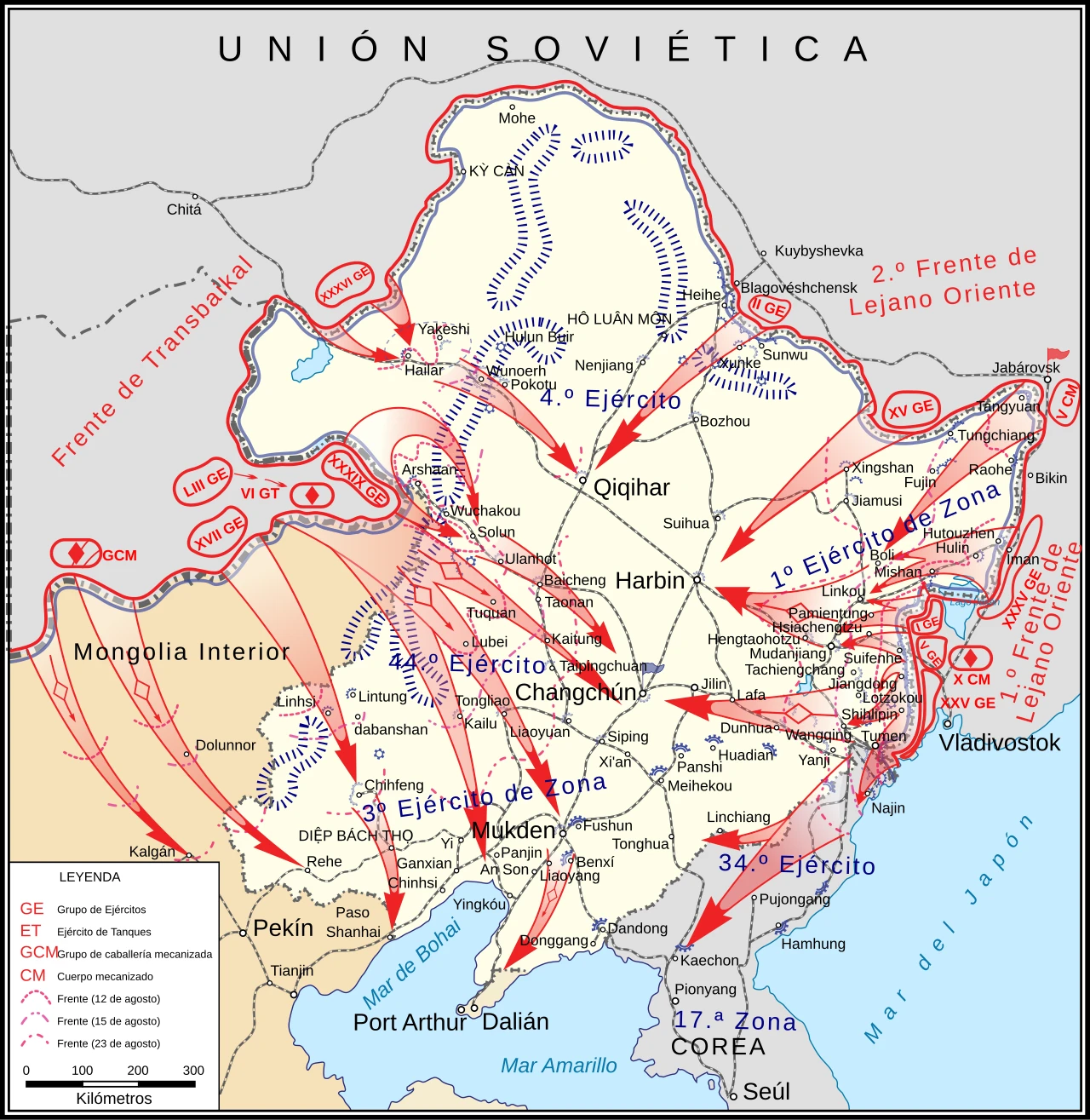
The border between Mongolia, an ally of the USSR, and Manchukuo, Japan's puppet state, is poorly demarcated along the Khalkhin Gol river. Tokyo and Moscow keep wary troops there. On 11 May 1939, Mongol horsemen cross the river near Nomonhan to graze their beasts; the Manchukuoan guards drive them back. The incident, banal in appearance, sets the powder alight.
The , an elite Japanese force stationed in Manchuria, cultivates a notorious autonomy from Tokyo: its officers have, in the past, provoked faits accomplis that the government has had to ratify. Its commanders see in the incident the opportunity to teach the Soviets a lesson and to assert the firmness of the border.
But the escalation is dangerous. The USSR has considerable armoured and aerial means in the Far East, and Japan is already bogged down in the war in China. Should it respond with a show of force, contain the affair locally, or refer it to Tokyo, which preaches prudence? Everything will depend on the scale the local commanders will wish — or be able — to give their riposte, far from Tokyo's gaze.
Should the Kwantung Army turn a border incident into a show of force against the USSR?
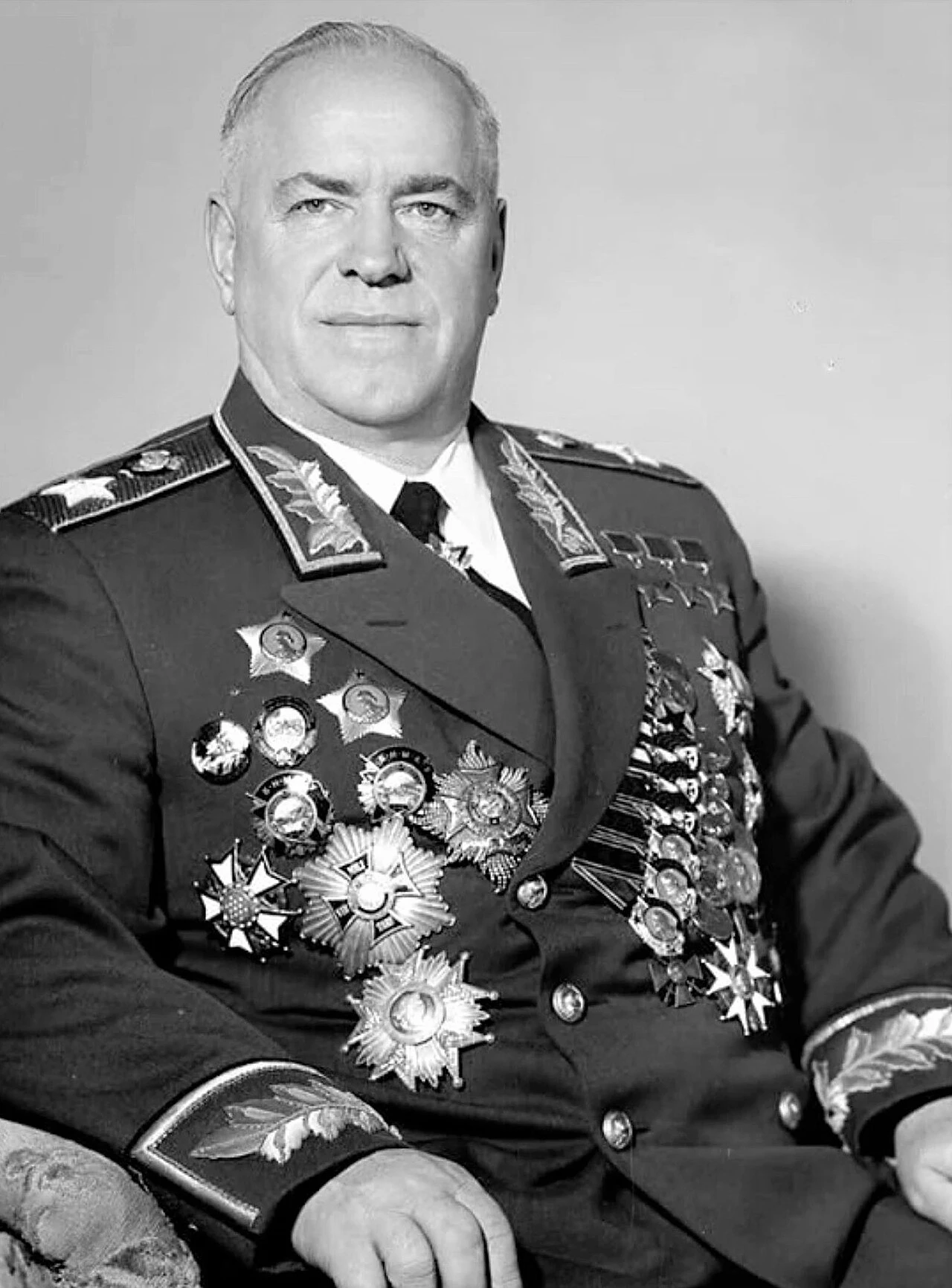
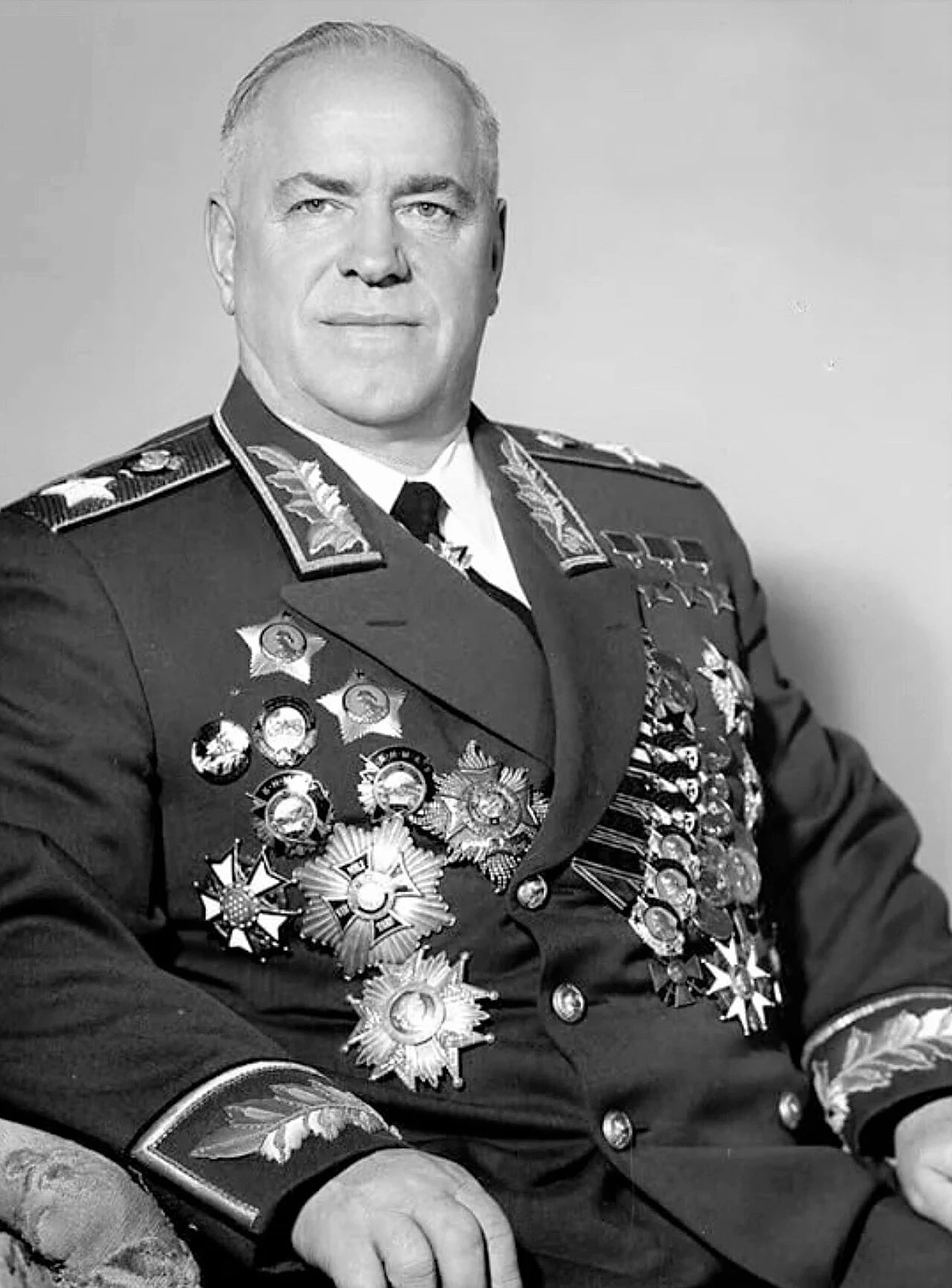
The chooses A: it progressively commits growing forces, convinced of an easy victory. The clash, at first limited, swells into an undeclared conflict of several months on the banks of the Khalkhin Gol. The USSR sends substantial reinforcements there and soon entrusts the command to a still little-known general, . Underestimating Soviet power, Japan engages in a trial of strength heavy with consequences for the orientation of its strategy — northward against the USSR, or southward. On both sides, tanks, artillery and aircraft are soon committed, transforming a dispute over pastures into a genuine trial of strength.
Learn more about this event
Related polls
10
Khalkhin Gol — Baïn-Tsagan
Zhukov Counterattacks
Zhukov Takes Command
The Houx weir
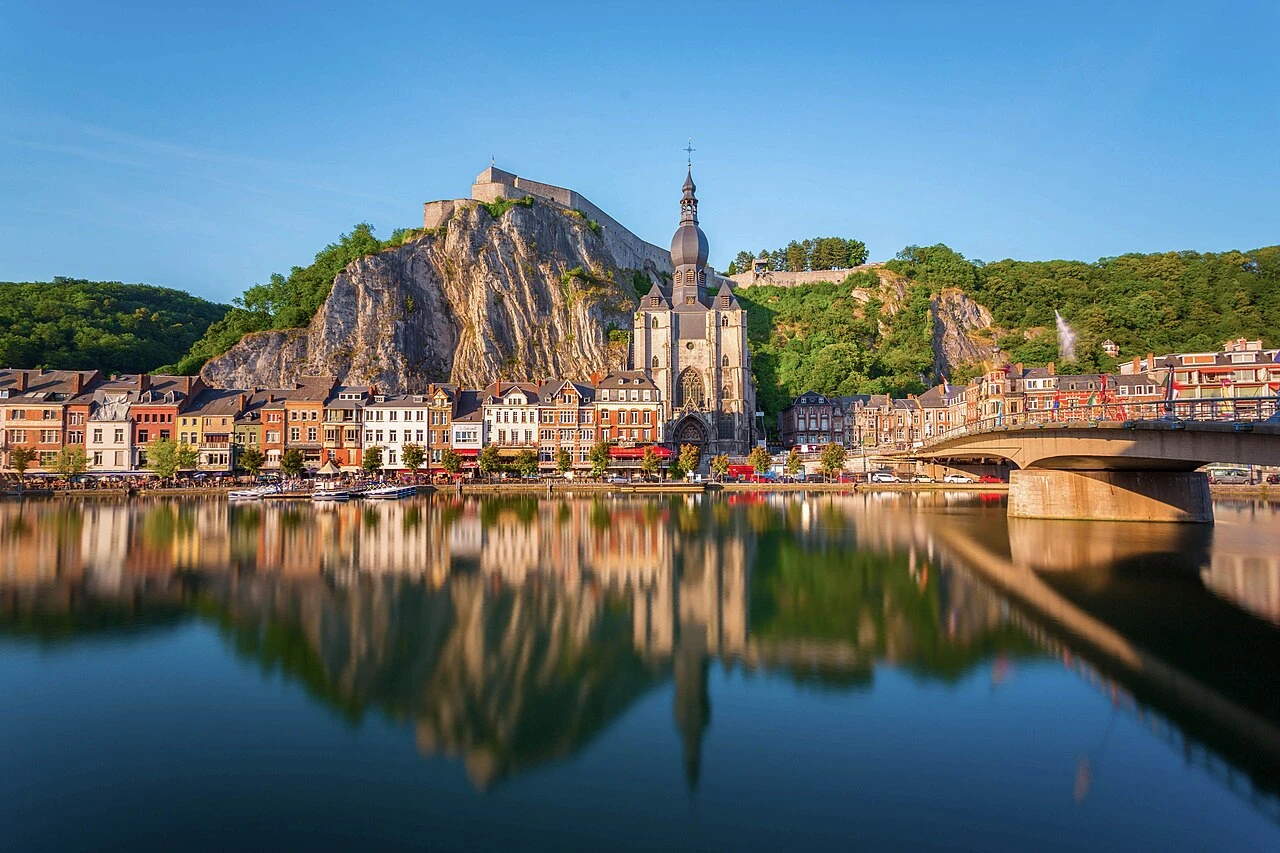
The crossing of the Meuse at Dinant
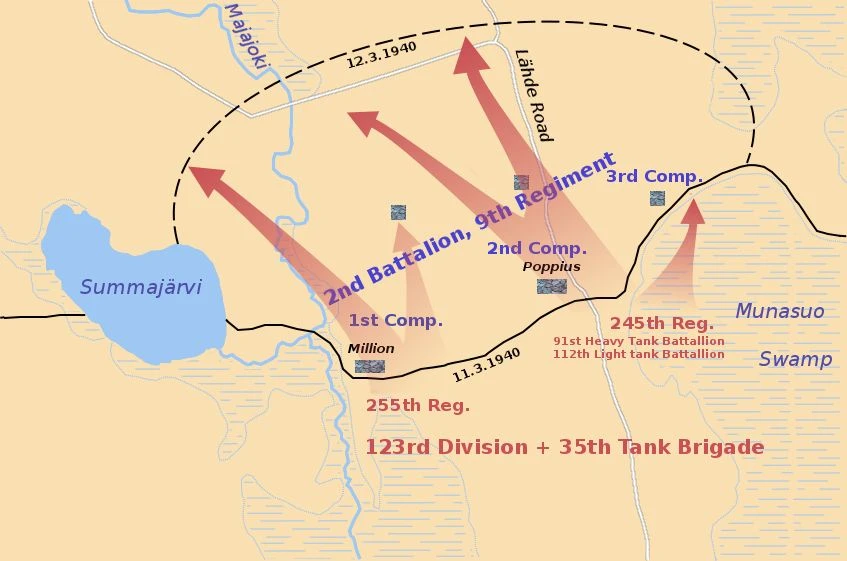
Lähde — Yakovlev against the Mannerheim bolt
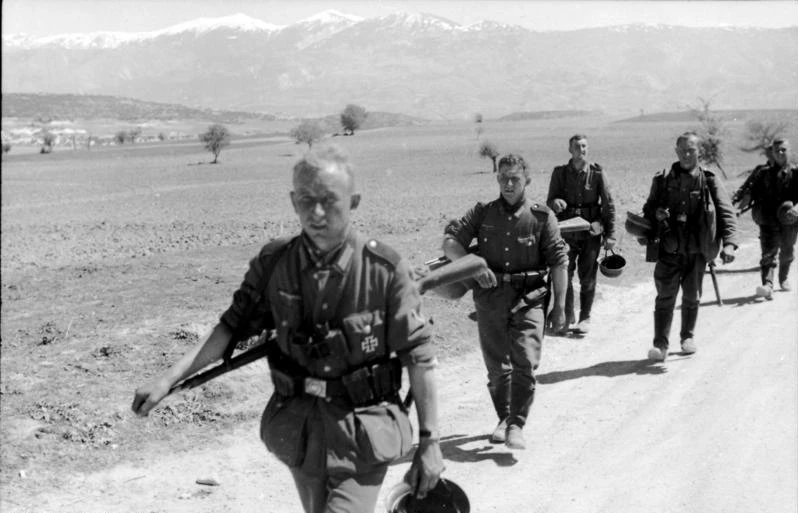
Marita — the invasion of Greece
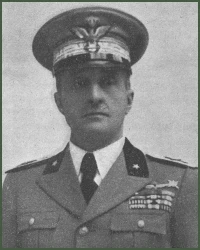
Pintor in the Alps — 21 June
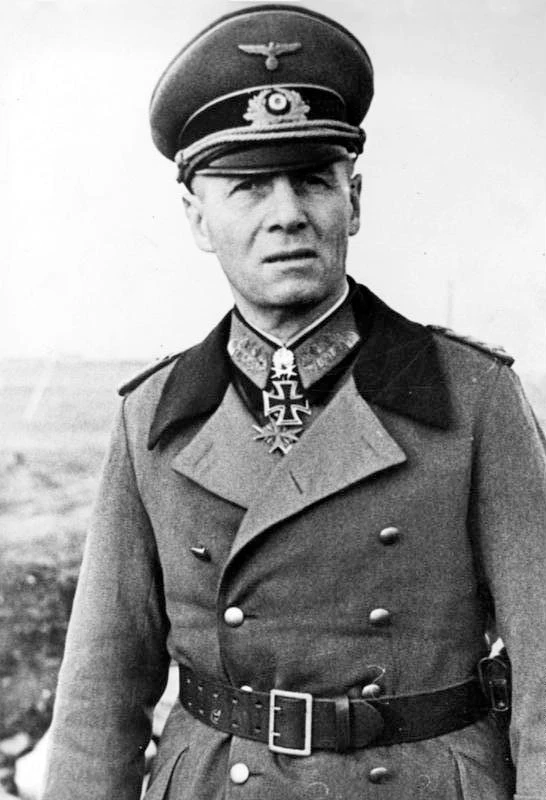
Rommel before the Meuse — Dinant, 13 May
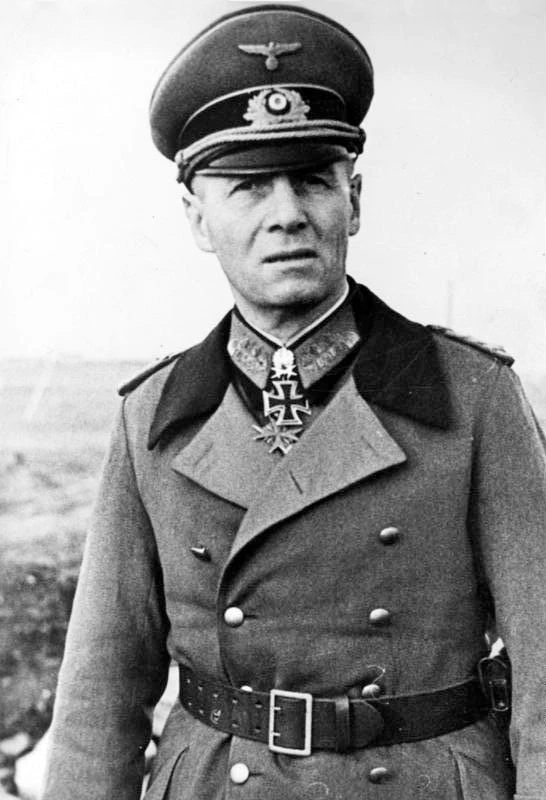
Rommel before the Serre — the Crécy bridge
Khalkhin Gol — Baïn-Tsagan
Zhukov Counterattacks
Zhukov Takes Command
The Houx weir
The crossing of the Meuse at Dinant
Lähde — Yakovlev against the Mannerheim bolt
Marita — the invasion of Greece
Pintor in the Alps — 21 June
Rommel before the Meuse — Dinant, 13 May