
Gort at Habarcq — trust in the French plan
, 53, had commanded the () since 1939 — ten divisions, around 200,000 men. A soldier more than a diplomat, he had won the Victoria Cross at the Canal du Nord in September 1918, at the head of a Guards brigade.
On 10 May, the German offensive triggered Plan Dyle: the and the French 1st and 7th Armies advanced into Belgium to hold the Dyle line, from Louvain to Wavre. Gort came under the French commander-in-chief, General Gamelin, and the staff of ; he had no autonomous command.
On 14 May, at the GHQ at Habarcq, near Arras, the first reports came in of a German breakthrough on the Meuse, at Sedan, far to the south of his front. If the gap widened to the west, it would aim at the rear of the and its lines of communication to the Channel ports.
Gort held a forward position that Allied orders required him to keep. He had to judge what the French plan and the chain of command to which he was subordinate were still worth.
Should Gort continue to trust the French plan and the Allied chain of command?
Gort applied A, while quietly beginning B. He maintained the dispositions on the Dyle and remained in the Allied chain, but had withdrawal plans studied as early as 16 May and gradually reinforced his right flank. From 19 May, he made contact with Vice-Admiral Ramsay at Dover to envisage the worst. Distrust grew as the French orders — including the short-lived counter-attack conceived by Weygand — proved inapplicable. Gort would remain faithful to the Allied framework until the moment he judged that framework broken. Promoted after the campaign, he would be Governor of Gibraltar (1941), then of Malta and Palestine, and would die in 1946 aged 59. His arbitration of May 1940 between loyalty to the ally and the safeguarding of his army remains one of the most discussed of the British command.
Learn more about this event
Related polls
10
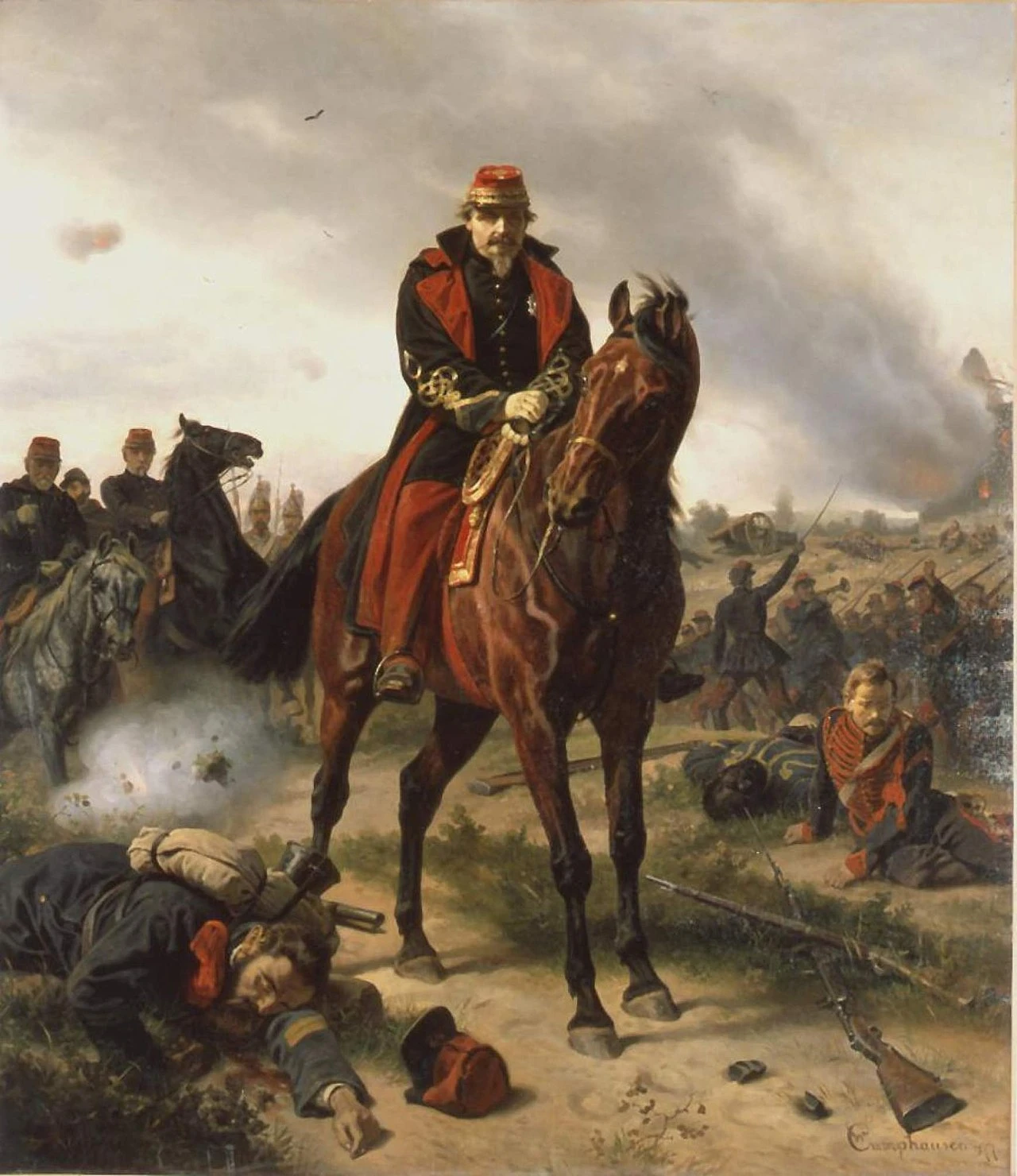
Bulson — Lafontaine and the 02:00 rumour
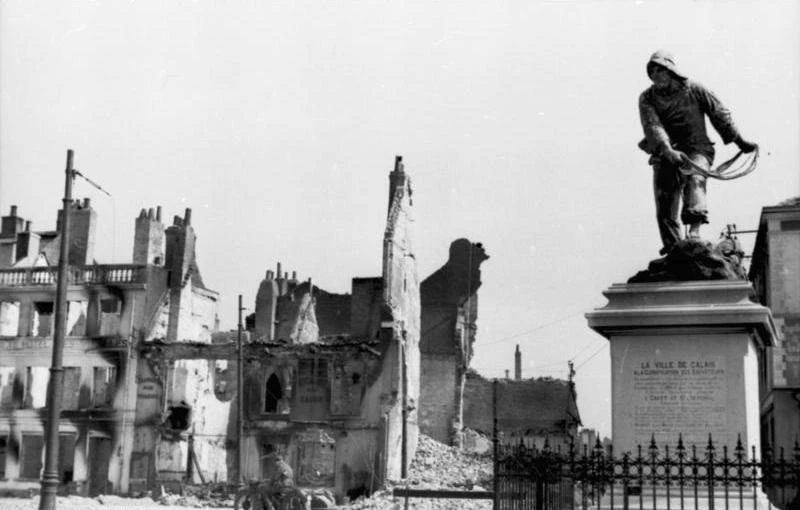
Calais — Nicholson facing the ultimatum
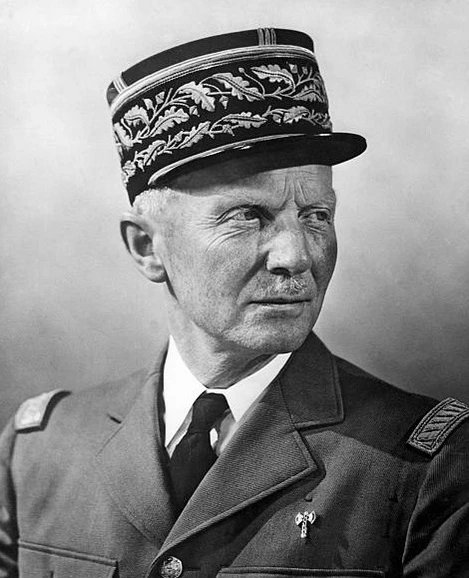
Huntziger over the Sedan reports — 13 May
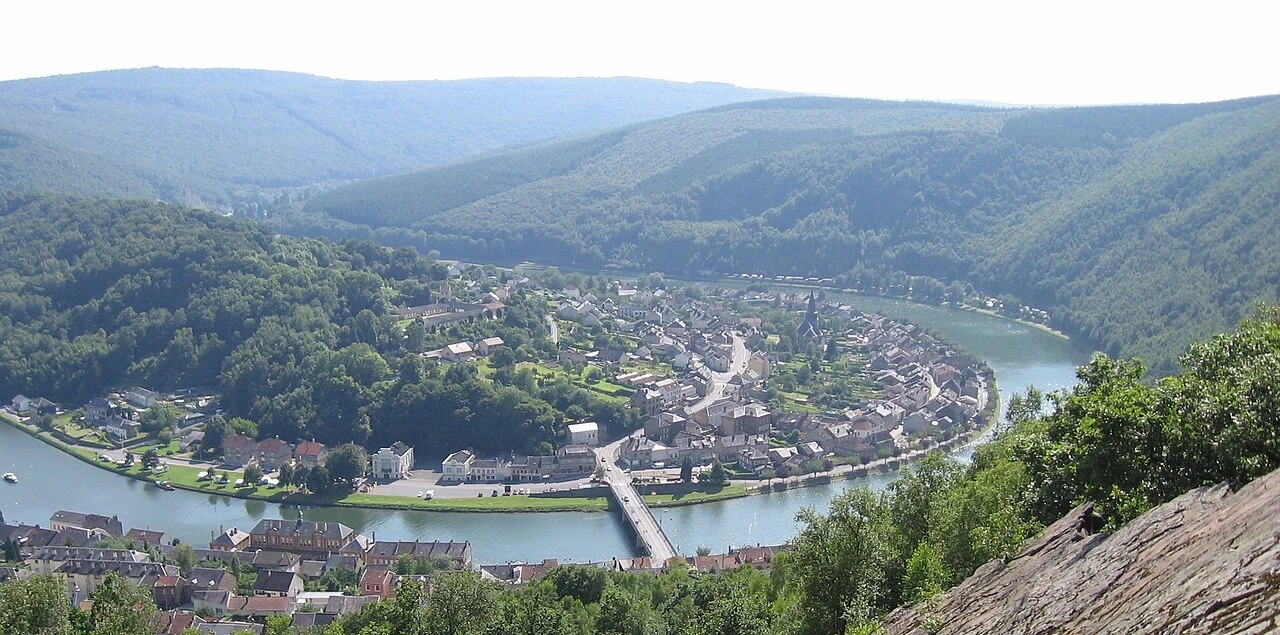
Monthermé — Portzert in the Meuse loop
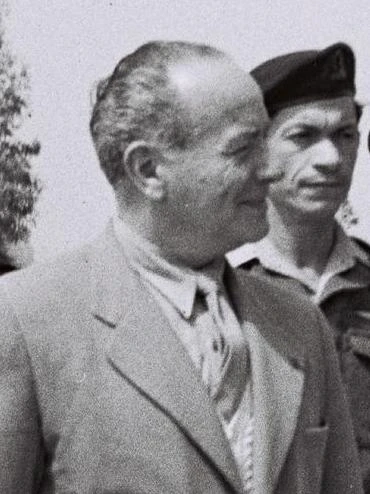
Stonne — Billotte facing the Panzer column
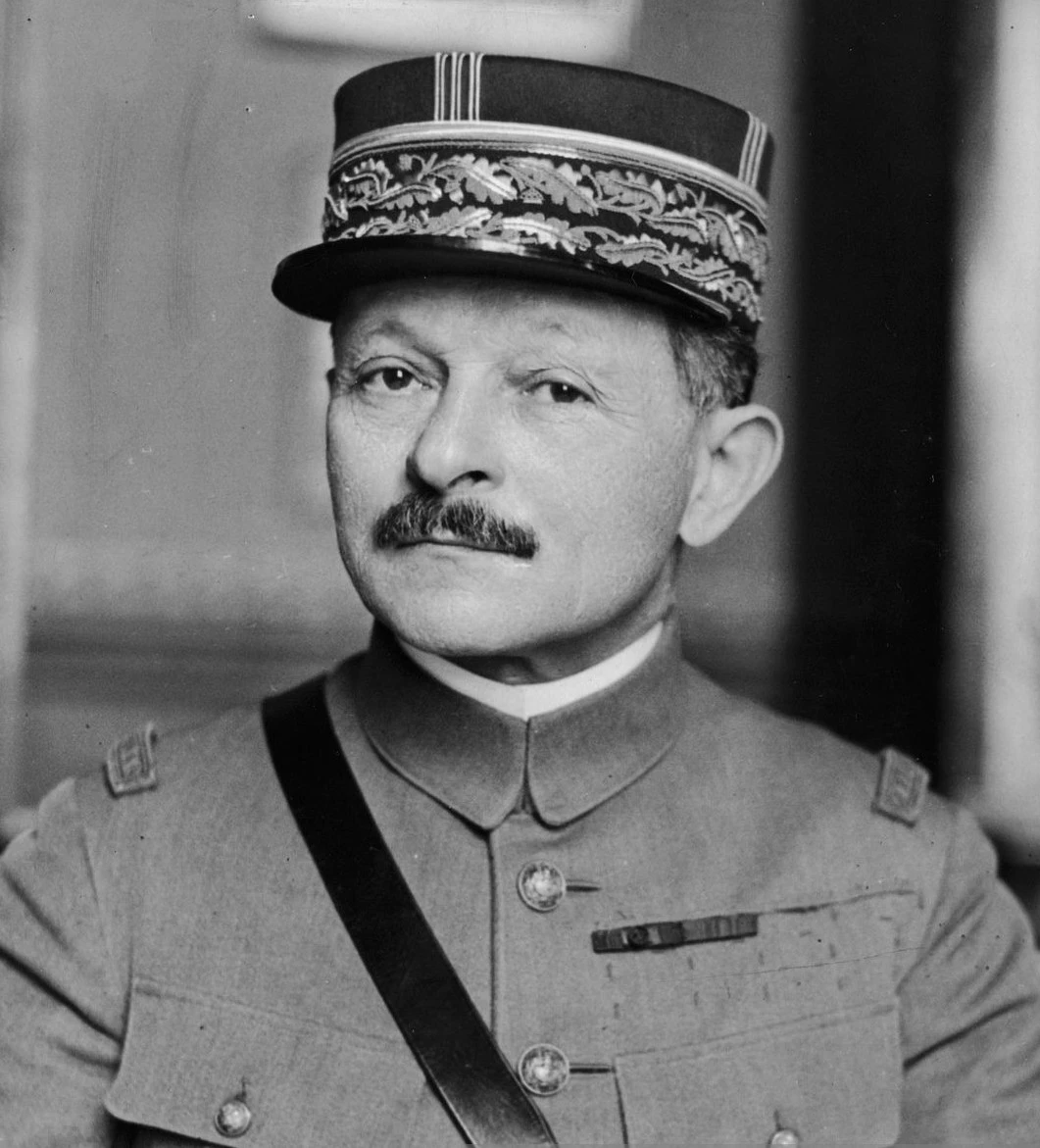
Weygand — Vincennes 20 May 02:00
Touchon on the Aisne — Fall Rot
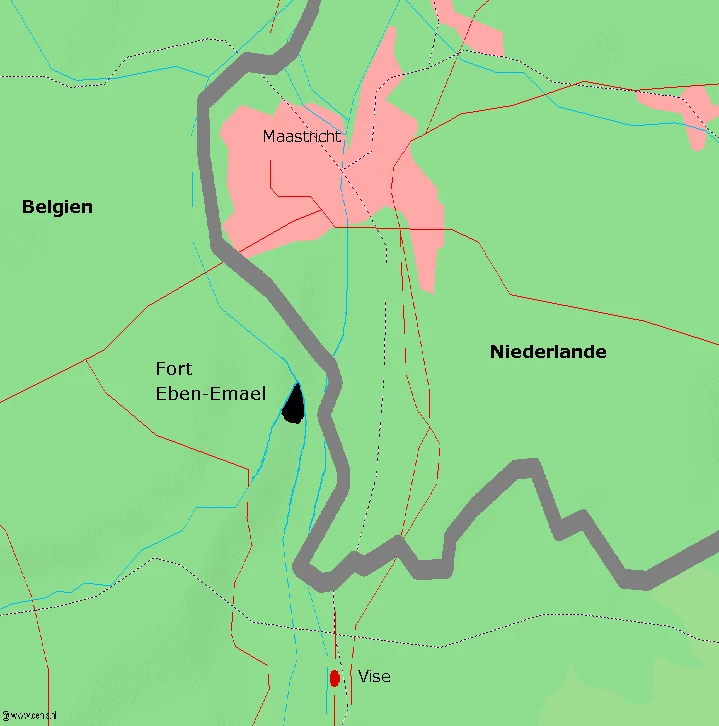
Eben-Emael — Jottrand under the explosions
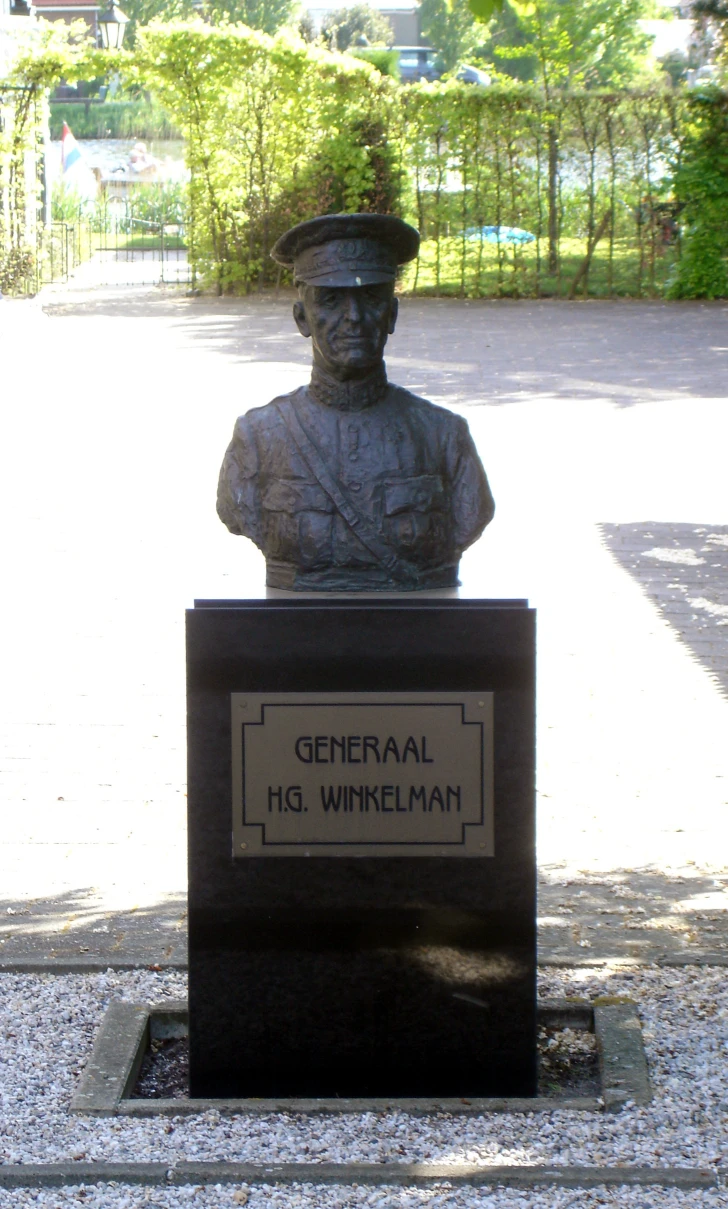
Winkelman after Rotterdam — 14 May
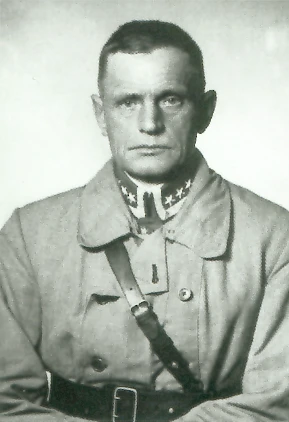
Gudbrandsdal — Ruge imposes his line
Bulson — Lafontaine and the 02:00 rumour
Calais — Nicholson facing the ultimatum
Huntziger over the Sedan reports — 13 May
Monthermé — Portzert in the Meuse loop
Stonne — Billotte facing the Panzer column
Weygand — Vincennes 20 May 02:00
Touchon on the Aisne — Fall Rot
Eben-Emael — Jottrand under the explosions
Winkelman after Rotterdam — 14 May