
Whitworth and the Warspite — 13 April
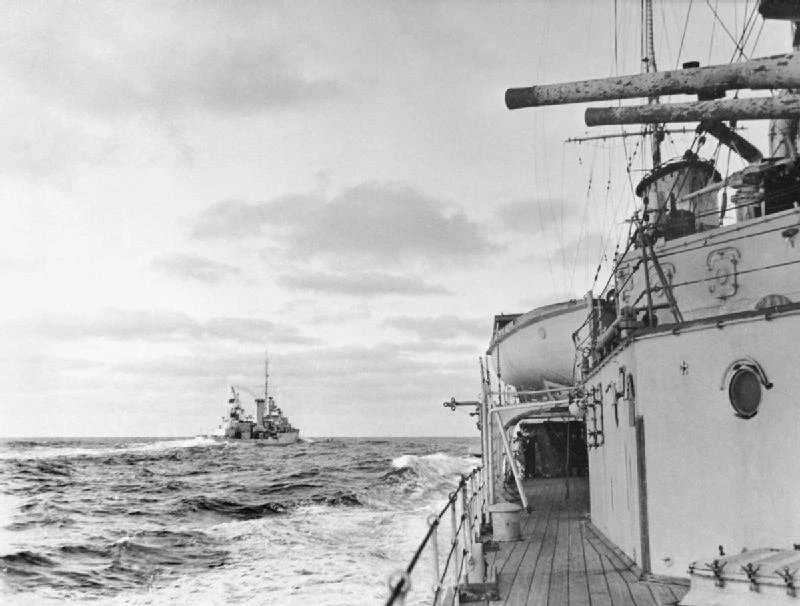
After the first battle of Narvik, the British Admiralty wishes to finish off the German flotilla trapped in the fjord. The Attack Force is built around HMS Warspite, a Queen Elizabeth-class battleship of 35,000 tons armed with eight 381 mm guns — one of the most powerful ships in the Royal Navy. Escort: 9 destroyers (HMS Cossack, Eskimo, Hero, Icarus, Foxhound, Bedouin, Punjabi, Kimberley, Forester). Total: 10 British ships, about 80 main guns.
On the German side, 8 destroyers survive from the first battle. Crews reduced, ammunition and torpedoes partly exhausted. Command is taken by Kommodore , Bonte's successor. The Luftwaffe cannot intervene: bad weather, poor radio coordination between Stavanger and Narvik.
Vice-Admiral , 56, commands the Attack Force from the Warspite. Plan: entry into the Ofotfjord in combat formation, systematic bombardment of the moored German destroyers. Air support: Swordfish embarked on the aircraft carrier HMS Furious lying 50 miles away.
Whitworth must choose between speed of execution and methodical destruction.
How should Whitworth prioritise his Attack Force in the fjord?
Whitworth applies B. At 13:30, the Attack Force enters the fjord. Three successive passes (13:30, 15:30, 17:00). Bombardment at close range by the Warspite's 381 mm guns. All eight German destroyers are sunk or scuttled: Erich Koellner, Wolfgang Zenker, Hermann Künne, Diether von Roeder, Bernd von Arnim, Erich Giese, Hans Lüdemann, Georg Thiele. None escapes — 2,600 German sailors are killed or taken prisoner. British side: no ships lost, 28 dead. Whitworth also orders units landed ashore to capture Narvik itself, but the forces are inadequate and the amphibious landing is postponed to 28 May. Dietl and his 2,000 mountain troops withdraw into the mountains where they resist for seven weeks. Total Narvik balance (10-13 April): 10 German destroyers sunk (half the Kriegsmarine destroyer fleet), 1 U-boat, 4,000 German sailors killed or taken prisoner. The Kriegsmarine will never recover these losses. Bey survives, becomes an admiral, and dies in 1943 aboard the Scharnhorst at the Battle of the North Cape.
Learn more about this event
Related polls
10
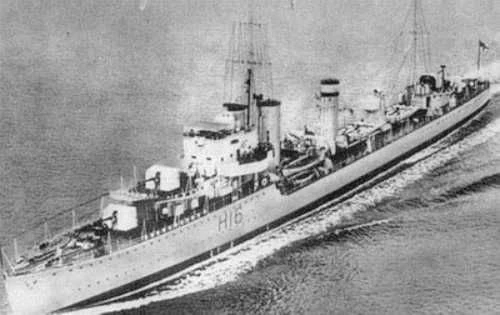
HMS Daring in the Pentland Firth
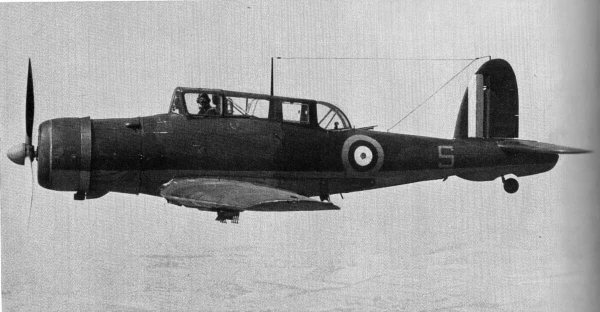
Bergen — the Skuas at extreme range
HMS Glowworm against the Admiral Hipper
HMS Rawalpindi — Kennedy at 3:47 p.m.
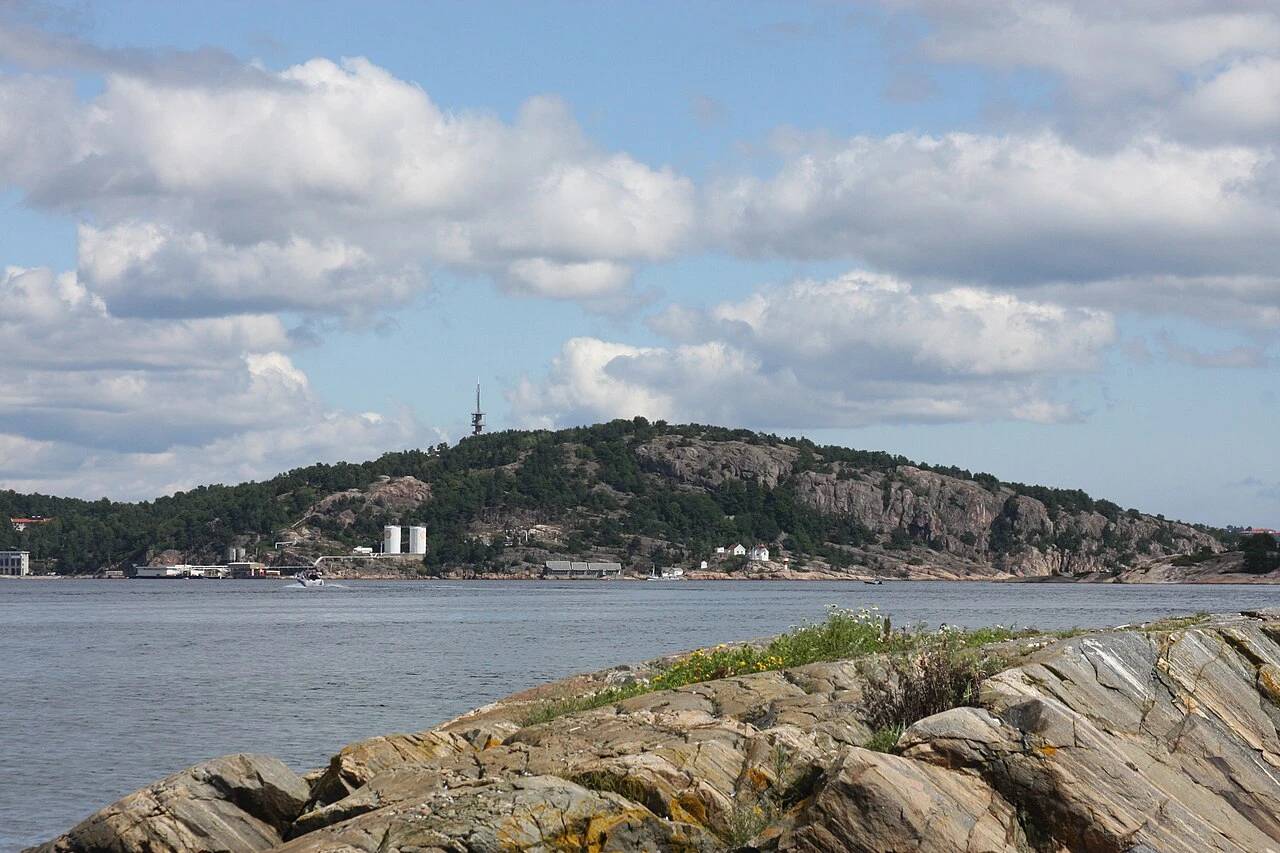
Odderoya — an identity in the mist
Oscarsborg — the intruder in the Oslofjord
Warburton-Lee in the Ofotfjord — 10 April
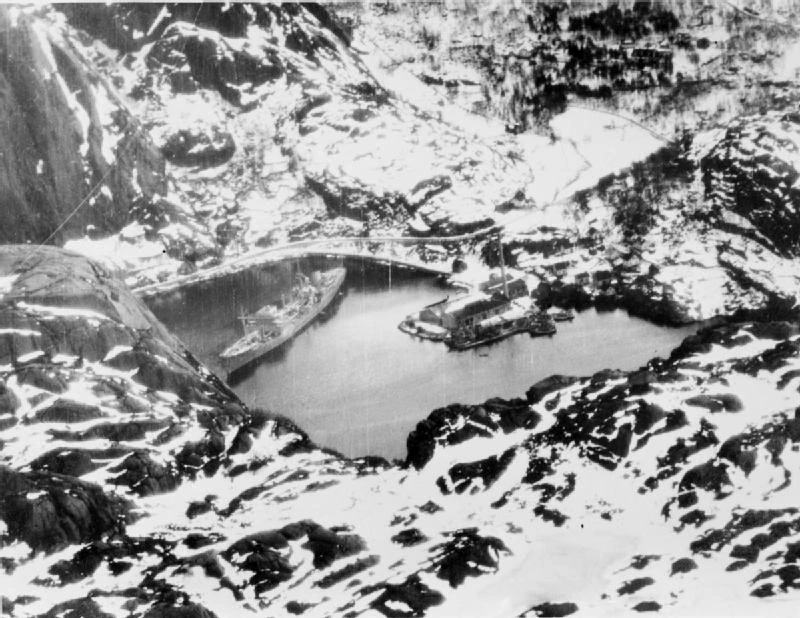
The Altmark affair
Fegen and the Jervis Bay — convoy HX-84
Harwood against the Graf Spee
HMS Daring in the Pentland Firth
Bergen — the Skuas at extreme range
HMS Glowworm against the Admiral Hipper
HMS Rawalpindi — Kennedy at 3:47 p.m.
Odderoya — an identity in the mist
Oscarsborg — the intruder in the Oslofjord
Warburton-Lee in the Ofotfjord — 10 April
The Altmark affair
Fegen and the Jervis Bay — convoy HX-84