
Hubal — after the order to disband
, 42, is a major in the of the Polish cavalry. An experienced officer — veteran of the Polish-Soviet War of 1920, Olympic equestrian medallist at Nice in 1925. His regiment, attached to Colonel 's , fights a retarding action from Volhynia to the Vistula throughout September 1939.
On 27 September, near Otałęż (Karpaty), Dembiński orders the brigade to disband: the campaign is lost, the weapons must be buried, the men sent home or into captivity. Dobrzański refuses. He gathers about fifty loyal troopers — regimental veterans, NCOs, a few reserve officers — and forms a separate detachment of the Polish Army (Oddział Wydzielony Wojska Polskiego, OWWP). He takes the nom de guerre "Hubal".
In October he falls back into the Świętokrzyskie and Cisownik forests. By 1 November 1939, his unit numbers 320 men, fed by Polish peasants; his wife and daughter are already in exile in London via Hungary. But contradictory directives reach him from Paris (Sikorski) and from clandestine Warsaw (Rowecki, SZP). Should he keep an open fighting unit, try to reach Hungary or Romania to join the Polish army being rebuilt abroad, or disperse the men into dormant cells?
What should he do in the face of contradictory orders arriving from Paris and Warsaw?
Hubal chooses A: he maintains a near-regimental way of life — uniforms, a colour, hierarchy, the salute, drill — and in November refuses General 's order (Rowecki was head of the Służba Zwycięstwu Polski, the embryonic unified Resistance) to disband his unit and switch to dormant cells. His raids against German patrols during the winter of 1939-1940 provoke massive reprisals — villages suspected of helping him are burned, several hundred peasants executed. The "Leibstandarte" is temporarily detached to hunt him down. On 30 April 1940, the detachment is encircled at Anielin (near Tomaszów Mazowiecki); Hubal is killed in the fighting. The Germans bury his body in secret to deny him martyrdom — his grave has never been found. He becomes the "first partisan of the Second World War" in Polish memory. The historiographical debate remains sharp: did his raids needlessly provoke reprisals against civilians, or did they keep alive a flame of open resistance that inspired what came next?
Learn more about this event
Related polls
10
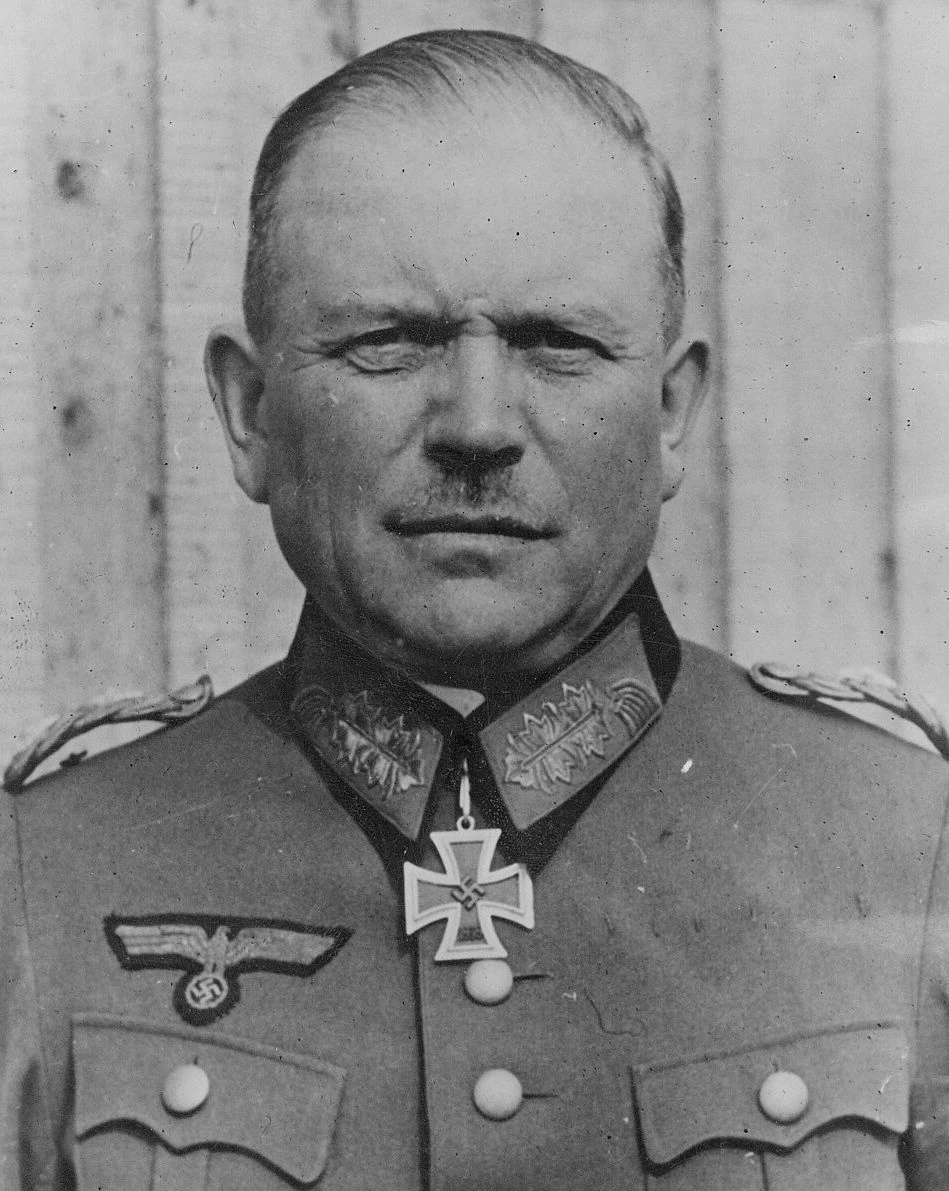
Brześć — Plisowski faces Guderian
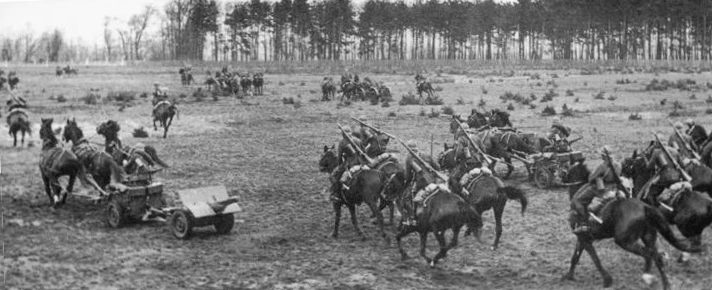
The Bzura — Kutrzeba faces the trap
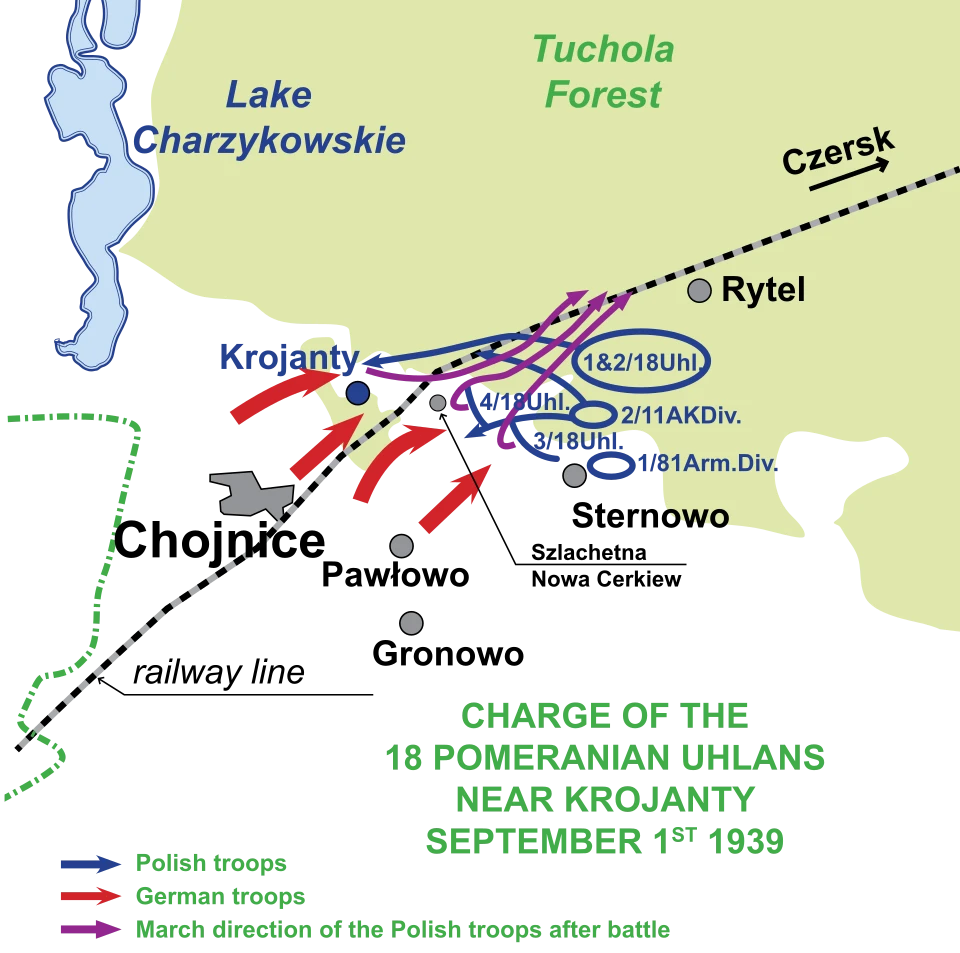
Krojanty — Mastalerz and the 18th Uhlans
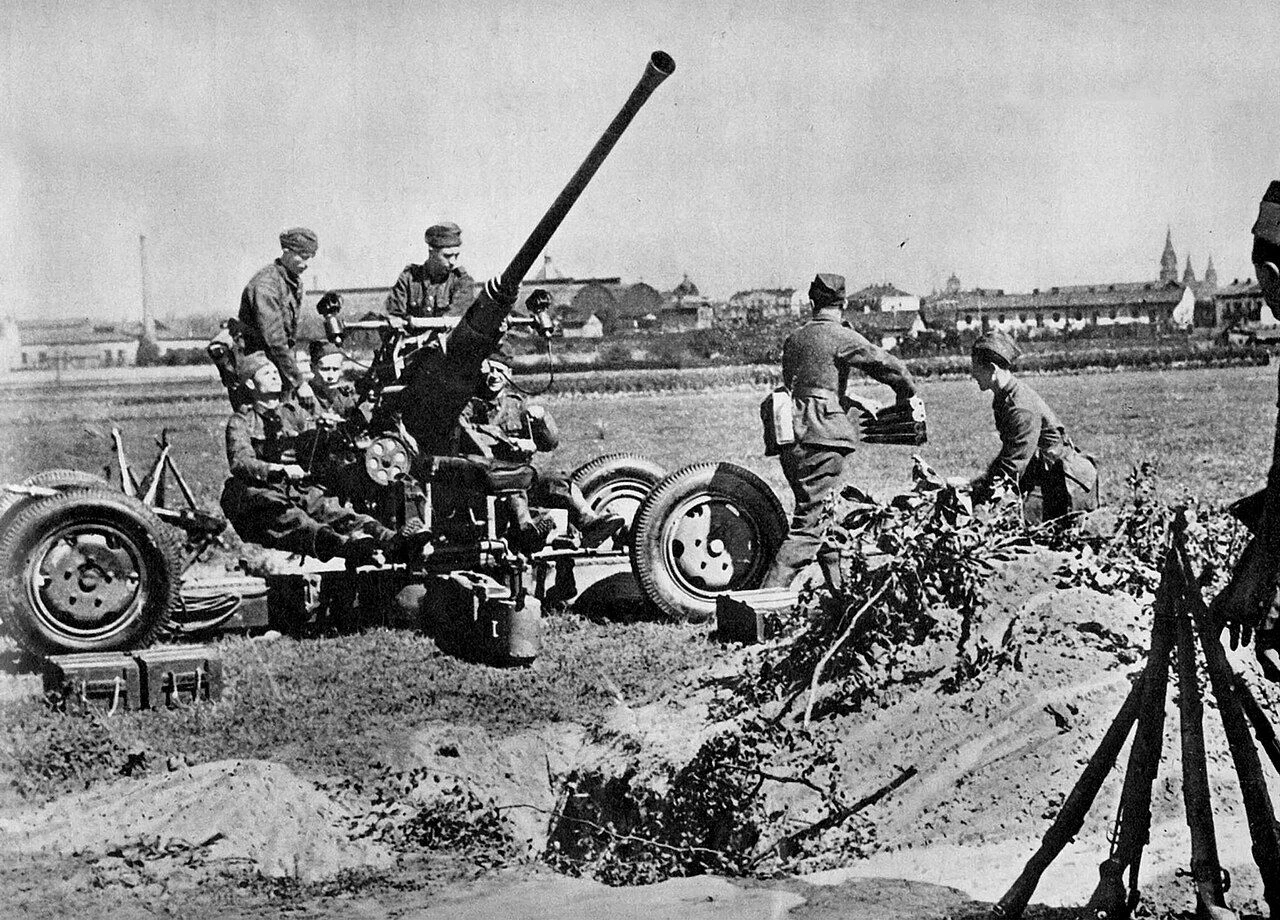
Lwów — Langner between two occupiers
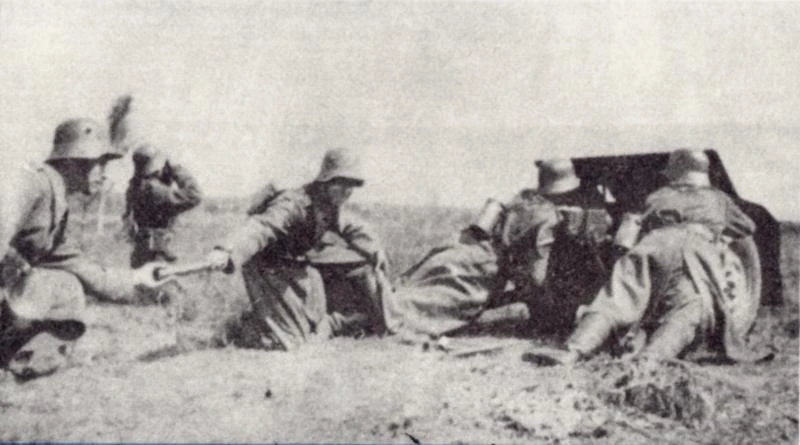
Maczek — the Black Brigade at Tatarska Przełęcz
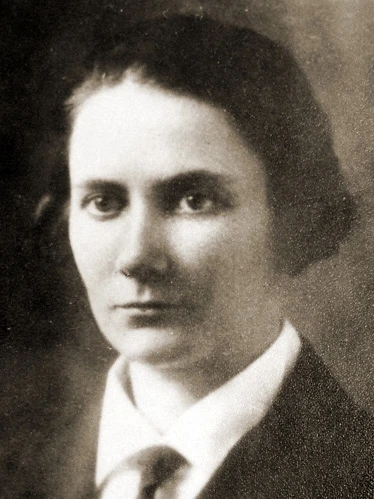
Maria Wittek — Wzgórze Wuleckie
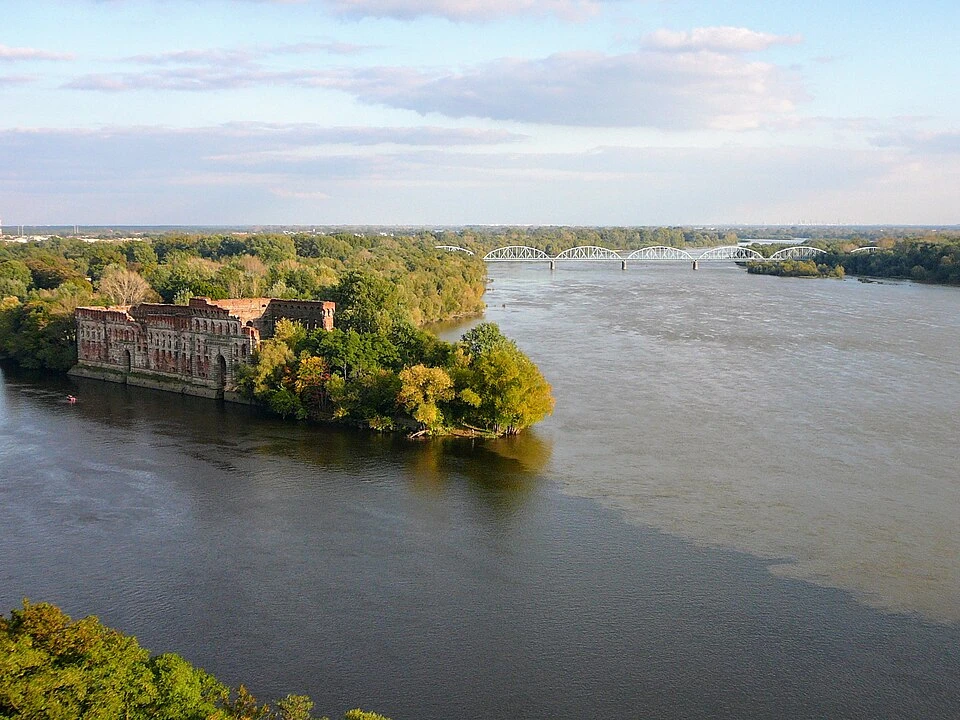
Modlin — Thommée at the last fortress
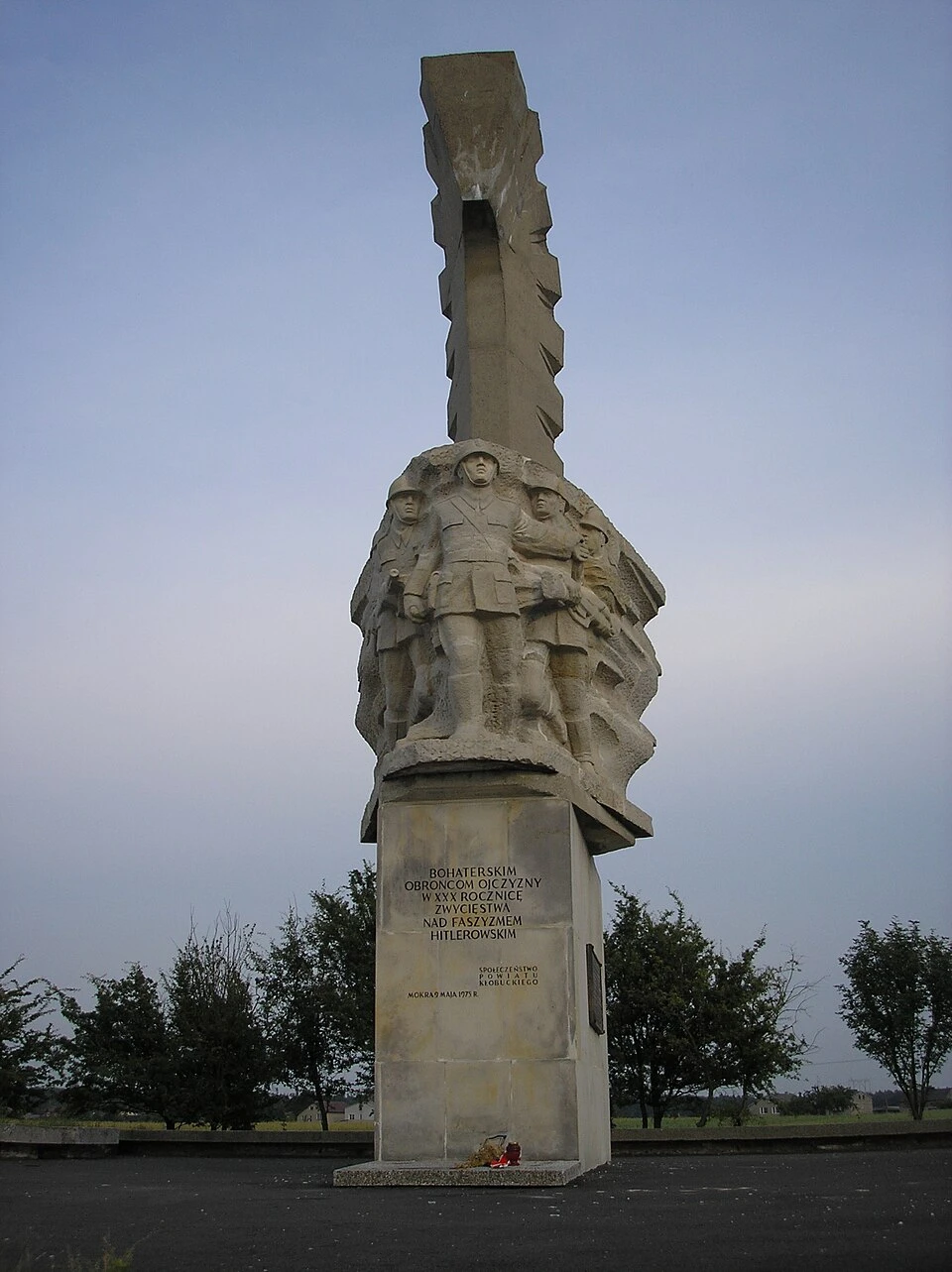
Mokra — Filipowicz and the Volhynian Brigade
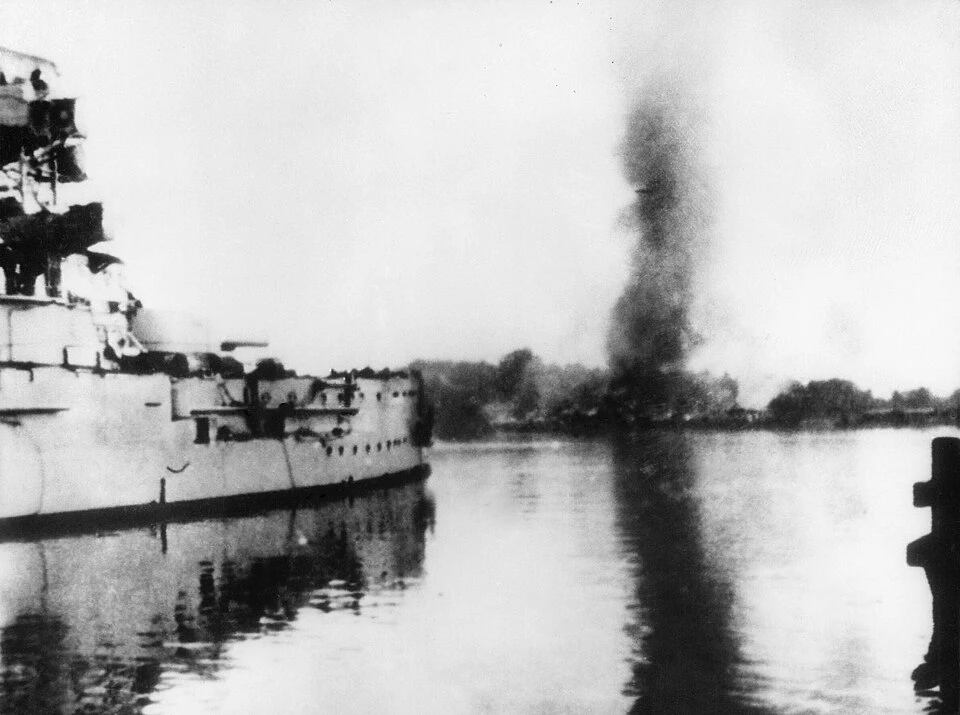
Westerplatte — Sucharski under the Schleswig-Holstein's guns
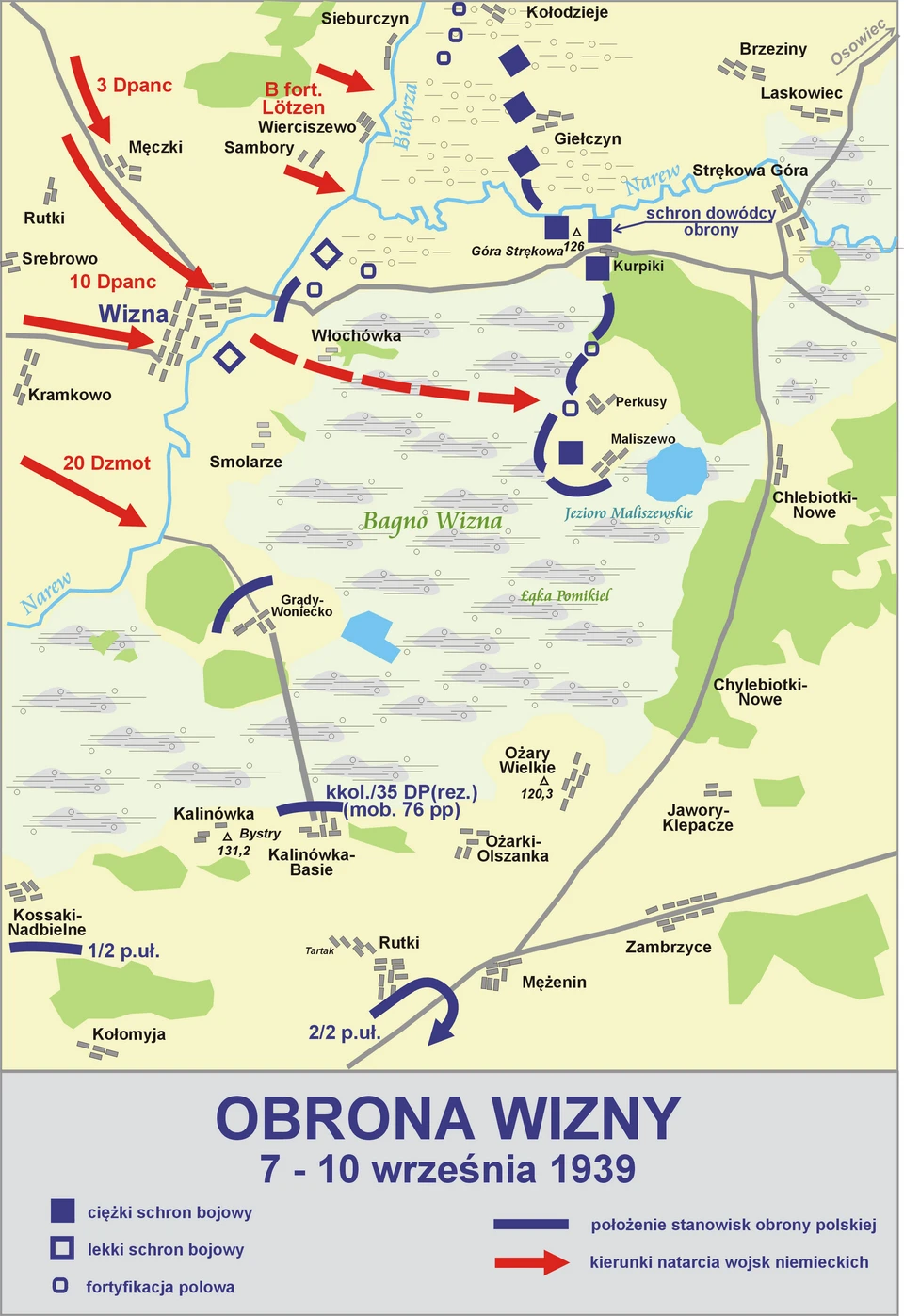
Wizna — Raginis in the Górka bunker
Brześć — Plisowski faces Guderian
The Bzura — Kutrzeba faces the trap
Krojanty — Mastalerz and the 18th Uhlans
Lwów — Langner between two occupiers
Maczek — the Black Brigade at Tatarska Przełęcz
Maria Wittek — Wzgórze Wuleckie
Modlin — Thommée at the last fortress
Mokra — Filipowicz and the Volhynian Brigade
Westerplatte — Sucharski under the Schleswig-Holstein's guns