
Kirponos, Kiev and Stalin's Prohibition
In mid-September 1941, two German armoured pincers — Guderian descending from the north, Kleist driving up from Kremenchuk — are about to close far behind Kiev, trapping four Soviet armies (5th, 21st, 26th, 37th). Kirponos, commanding the , watches the disaster take shape.
Since 7 September he has been calling for a withdrawal east of the Desna. Stalin refuses to abandon Kiev or to destroy the bridges, accuses his commanders of "weakness," and concedes only minor adjustments. Marshal Budyonny, who dares to plead for retreat on 11 September, is relieved of his command. To withdraw without the Stavka's approval is to risk court-martial; to stay is encirclement.
The general is caught between the absolute discipline owed to the Leader and the salvation of hundreds of thousands of men.
As the encirclement closes in, should Kirponos hold Kiev as Stalin demands, order the breakout to the east on his own authority, or once again request permission to withdraw?
Kirponos bowed to the order to hold. On 15 September the pincers closed near Lokhvytsia; permission to leave Kiev came only on the 17th, too late and too partial. The pocket disintegrated: the Germans announced some 665,000 prisoners (Soviet sources give a far lower, hotly debated figure). Kirponos himself was killed on 20 September while trying to break out at Shumeikovo. It was the largest encirclement in history — a German triumph that opened the Donbass, but cost precious weeks in the drive on Moscow.
Learn more about this event
Related polls
10
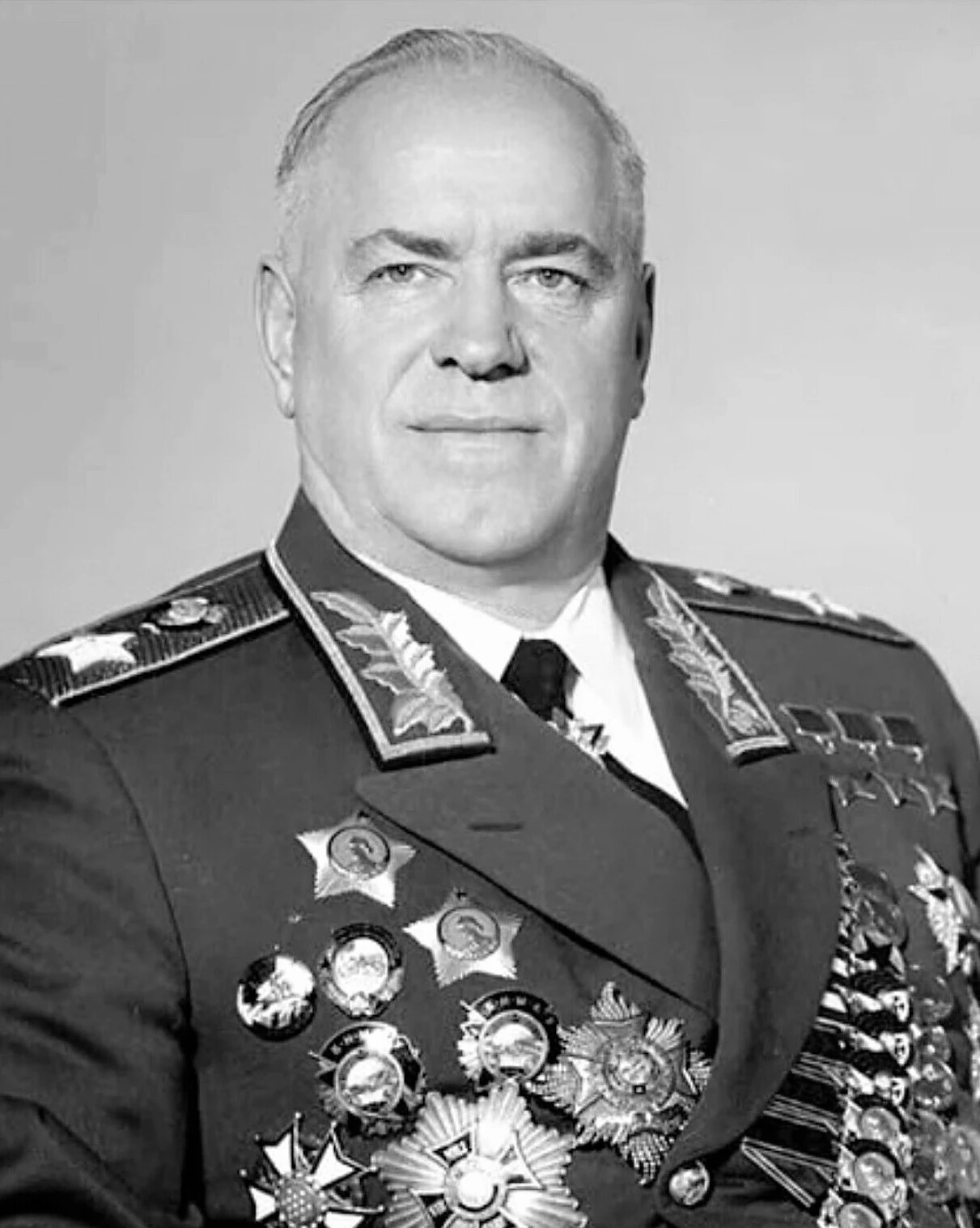
Zhukov Facing the Void Before Moscow
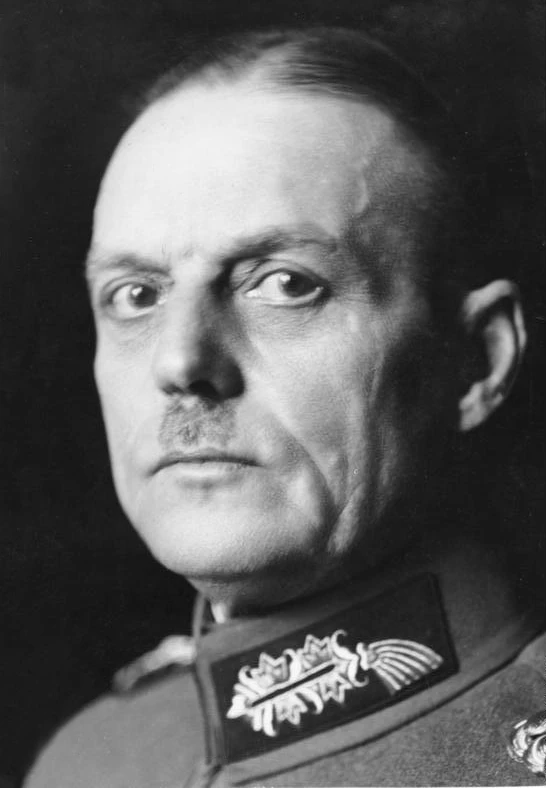
Perekop: the Iron Gate of Crimea
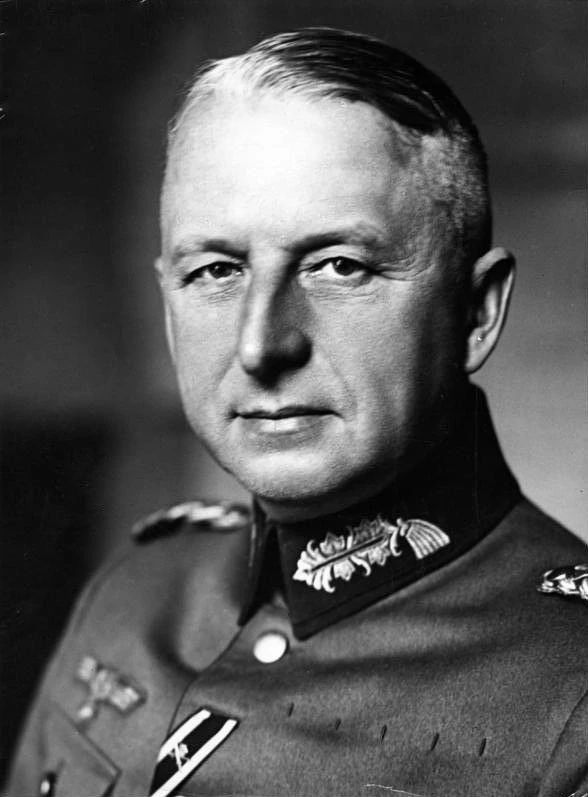
Rostov: Withdraw or Obey the Führer
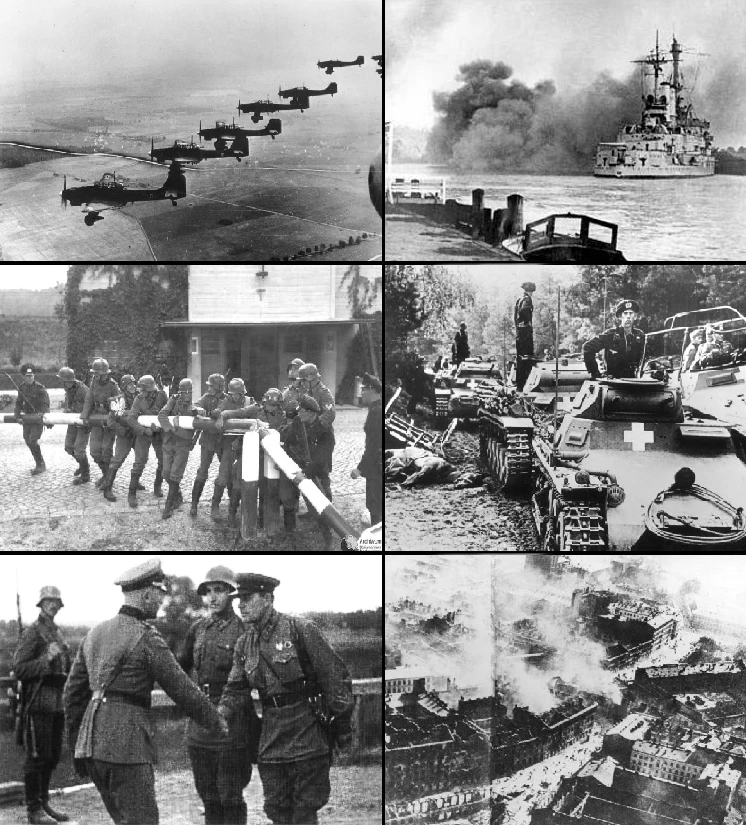
The Polish Army and the Deployment
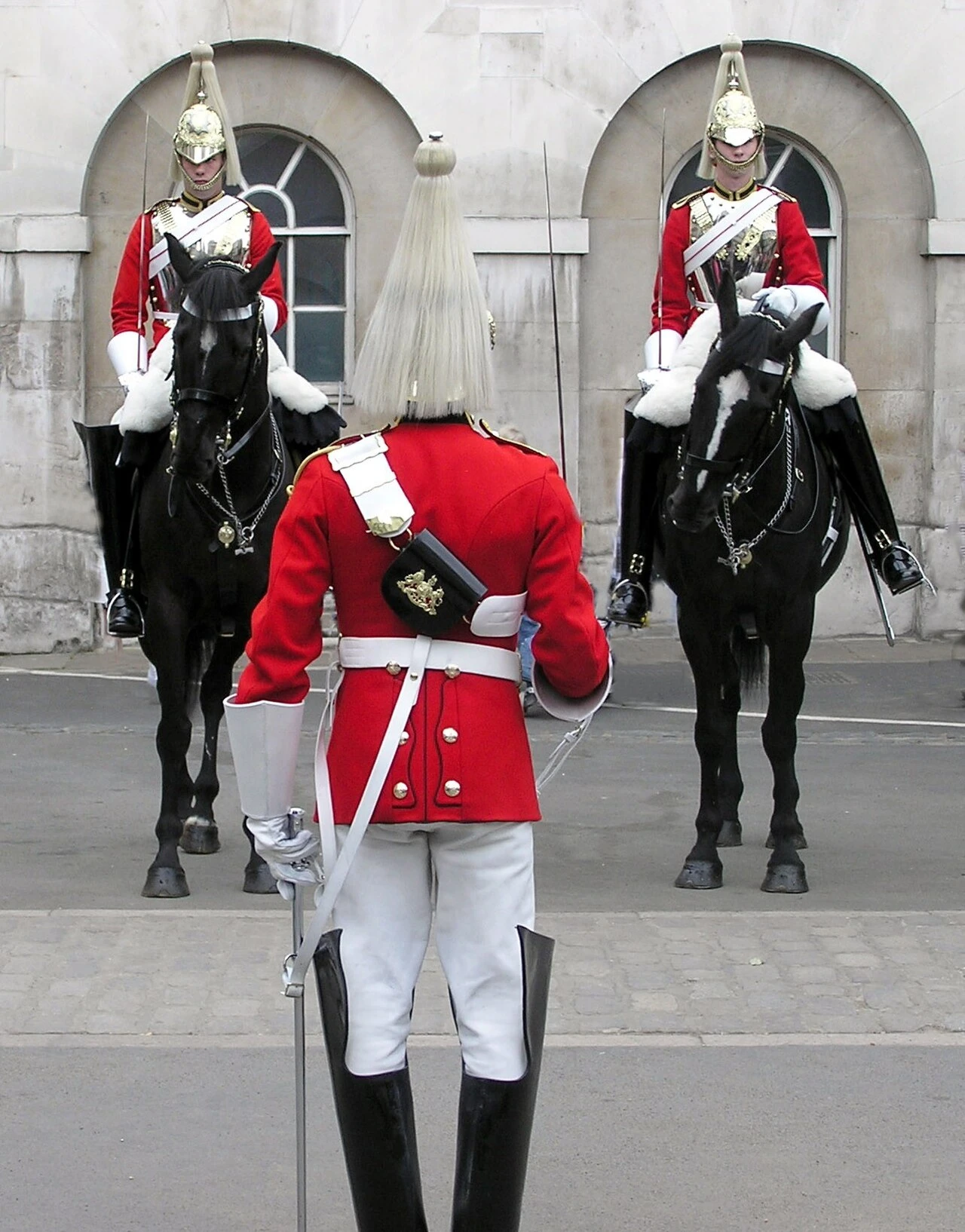
"Cromwell" — England, 7 September 1940
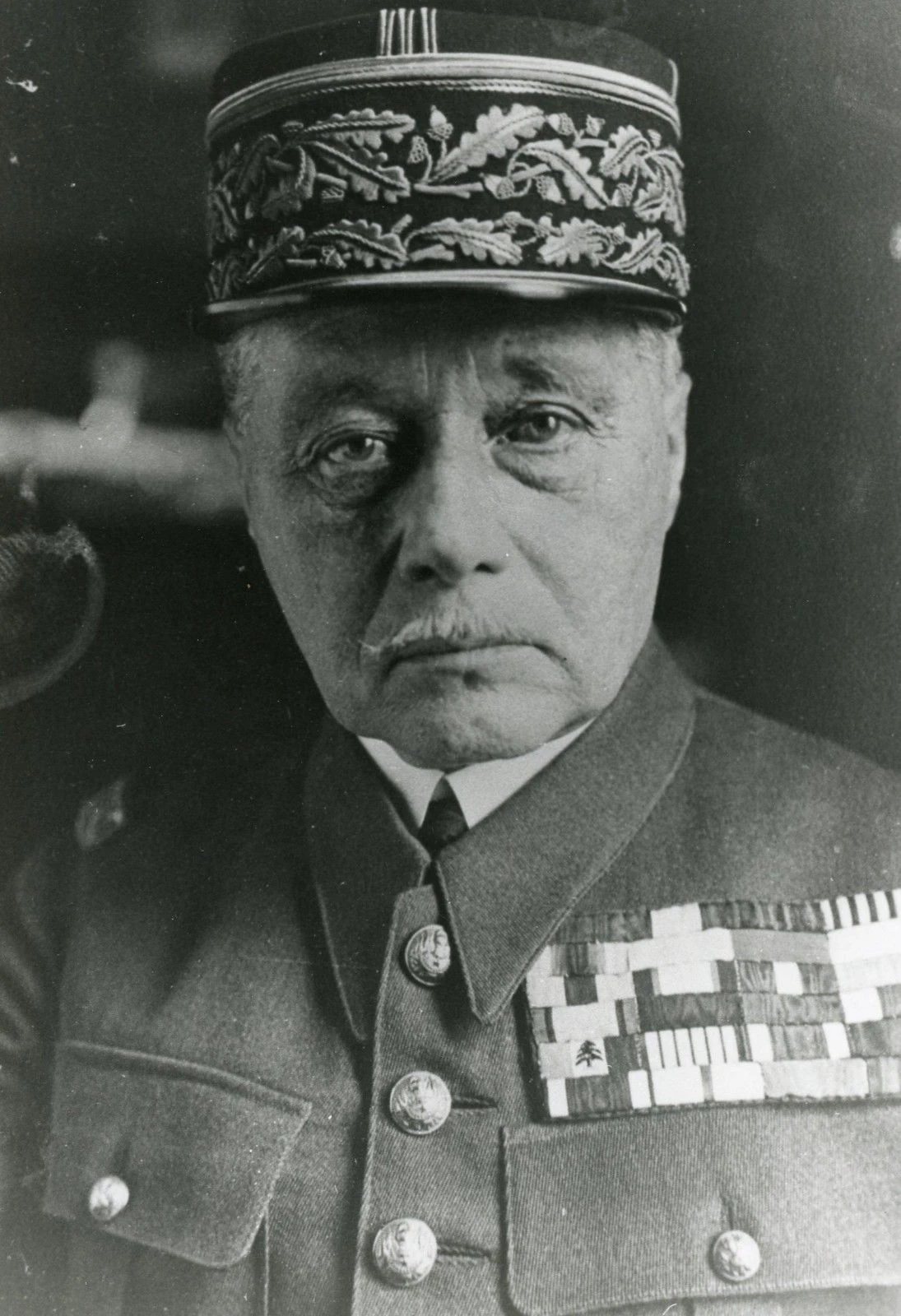
France Behind the Maginot
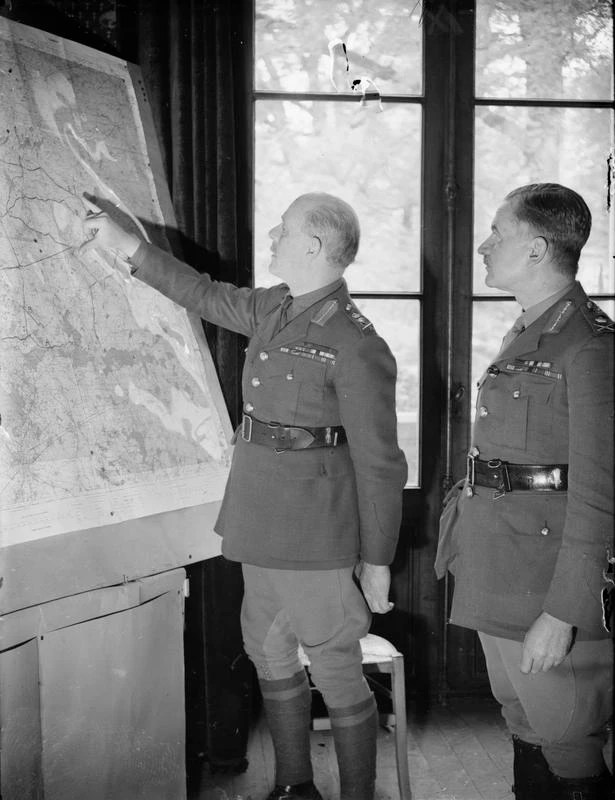
Gort at Habarcq — trust in the French plan
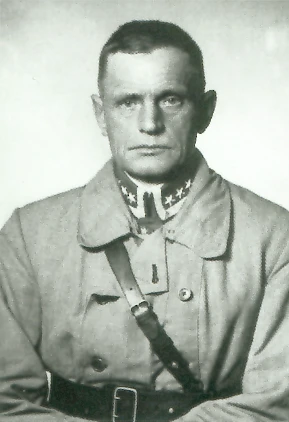
Gudbrandsdal — Ruge imposes his line
Mannerheim — the order facing Viipuri
Odessa, October 1941: The Sea or Death
Zhukov Facing the Void Before Moscow
Perekop: the Iron Gate of Crimea
Rostov: Withdraw or Obey the Führer
The Polish Army and the Deployment
"Cromwell" — England, 7 September 1940
France Behind the Maginot
Gort at Habarcq — trust in the French plan
Gudbrandsdal — Ruge imposes his line
Mannerheim — the order facing Viipuri