
The Banned Czech University
On 17 November 1939, in retaliation for the demonstrations that followed the death of the student , the German authorities abruptly closed every Czech institution of higher education at once. Nine students and officials were executed without trial, more than 1,200 were deported to Sachsenhausen concentration camp, and nearly 15,000 students lost the right to study.
A Charles University professor, brutally stripped of his chair, must decide what to do with his knowledge and his students. The departments are sealed shut, the Gestapo keeps watch on former teachers, and any national instruction becomes an act of defiance.
To go on teaching underground at the risk of deportation, to go into exile and join the Czech academics taken in abroad, or to leave the lectern for the resistance: every path puts his life on the line.
Faced with the brutal closure of the universities, what does the Czech teacher do?
The Czech universities remained closed until the end of the war. Many teachers and students chose to carry on in secret, in private study circles and clandestine seminars, despite the constant risk of arrest: preserving the transmission of national knowledge was seen as a form of cultural resistance. At the same time, hundreds of Czech students made their way abroad; Oxford welcomed exiled students from Charles University, supported by Beneš's Czechoslovak government in London. The date of 17 November has since been commemorated as International Students' Day.
Learn more about this event
Related polls
10
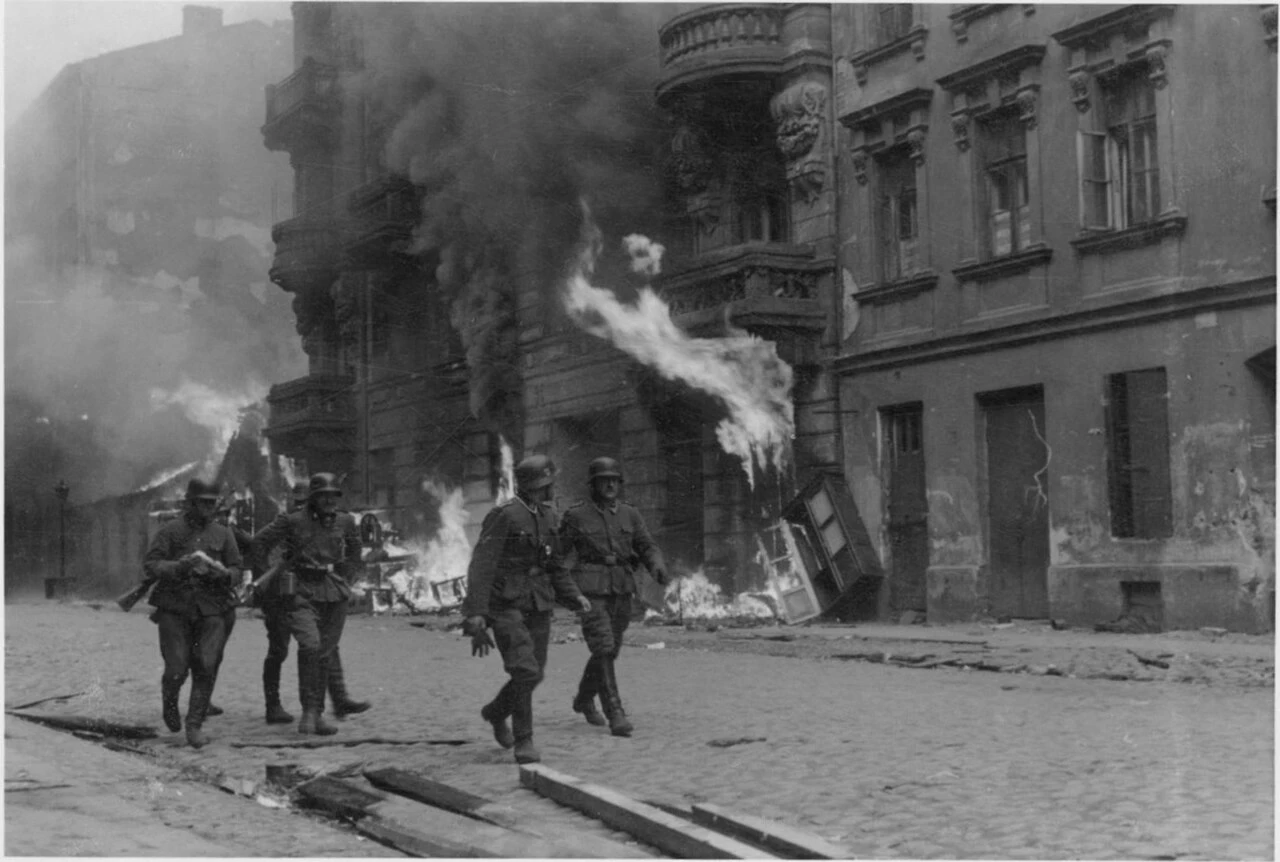
The Jewish Schoolteacher of Kazimierz
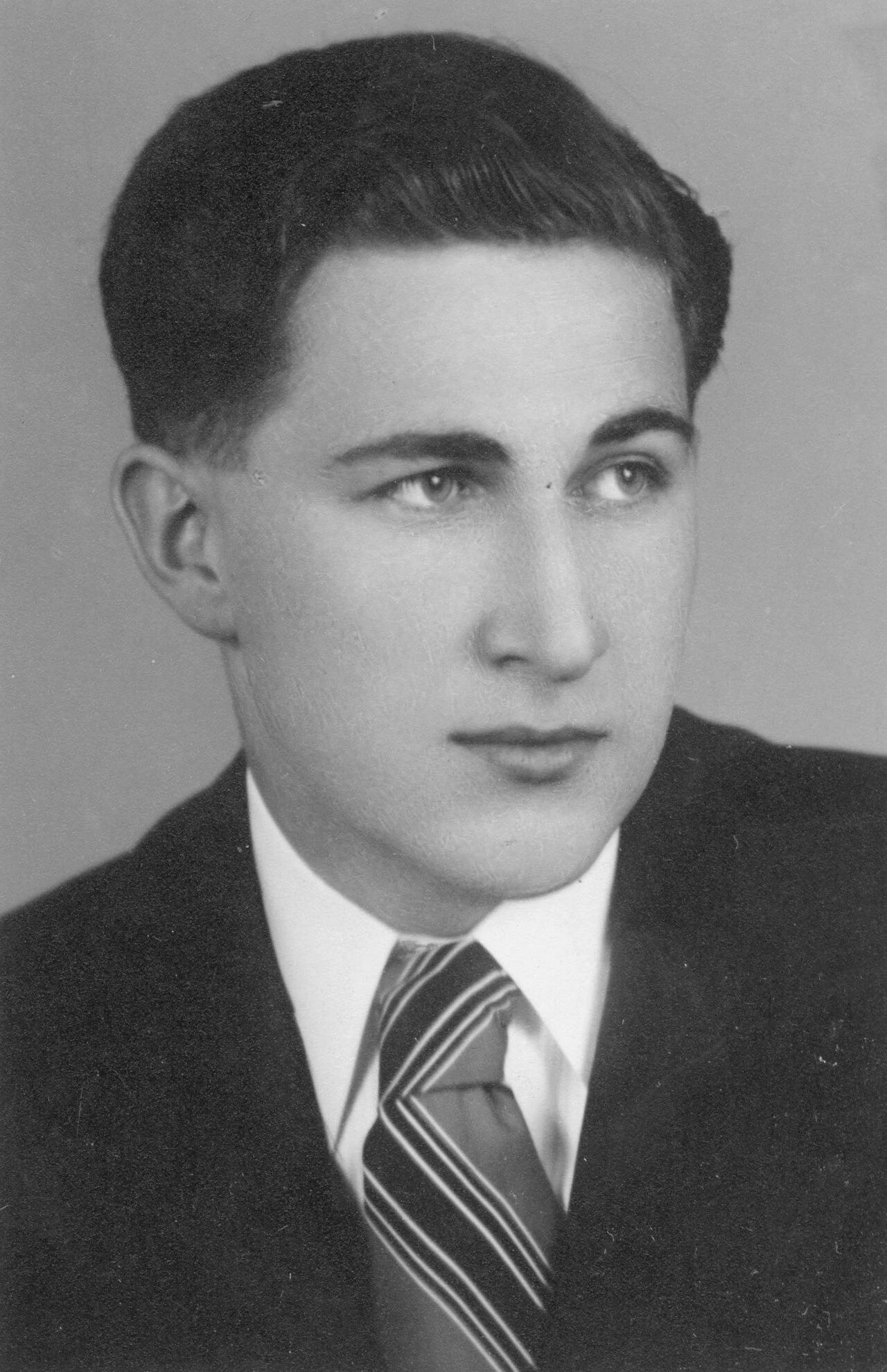
Prague, 17 November 1939: the Czech universities shut down
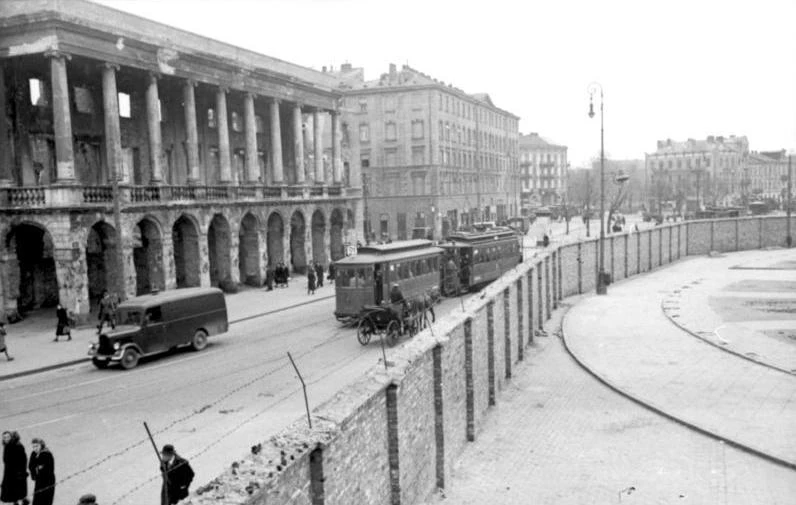
Studying in the Warsaw Ghetto
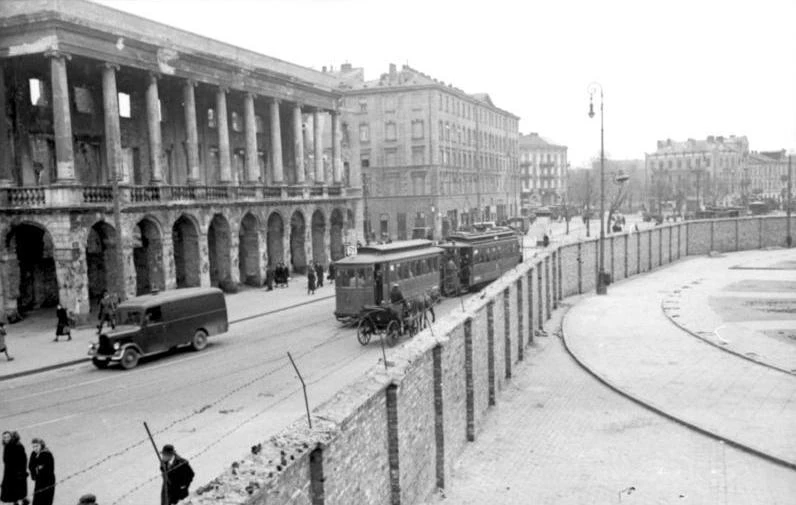
Clandestine teaching in the Warsaw Ghetto
The Belgrade medical student and the call of the Partisans
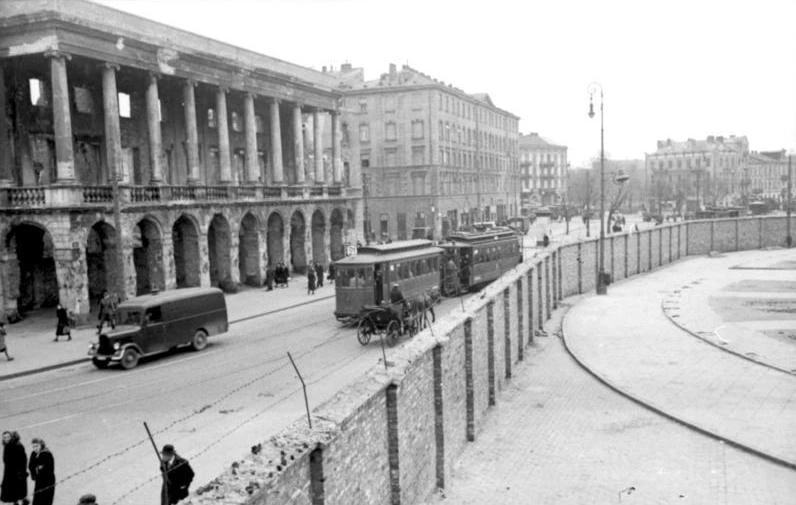
The Warsaw Ghetto — the temptation of informing
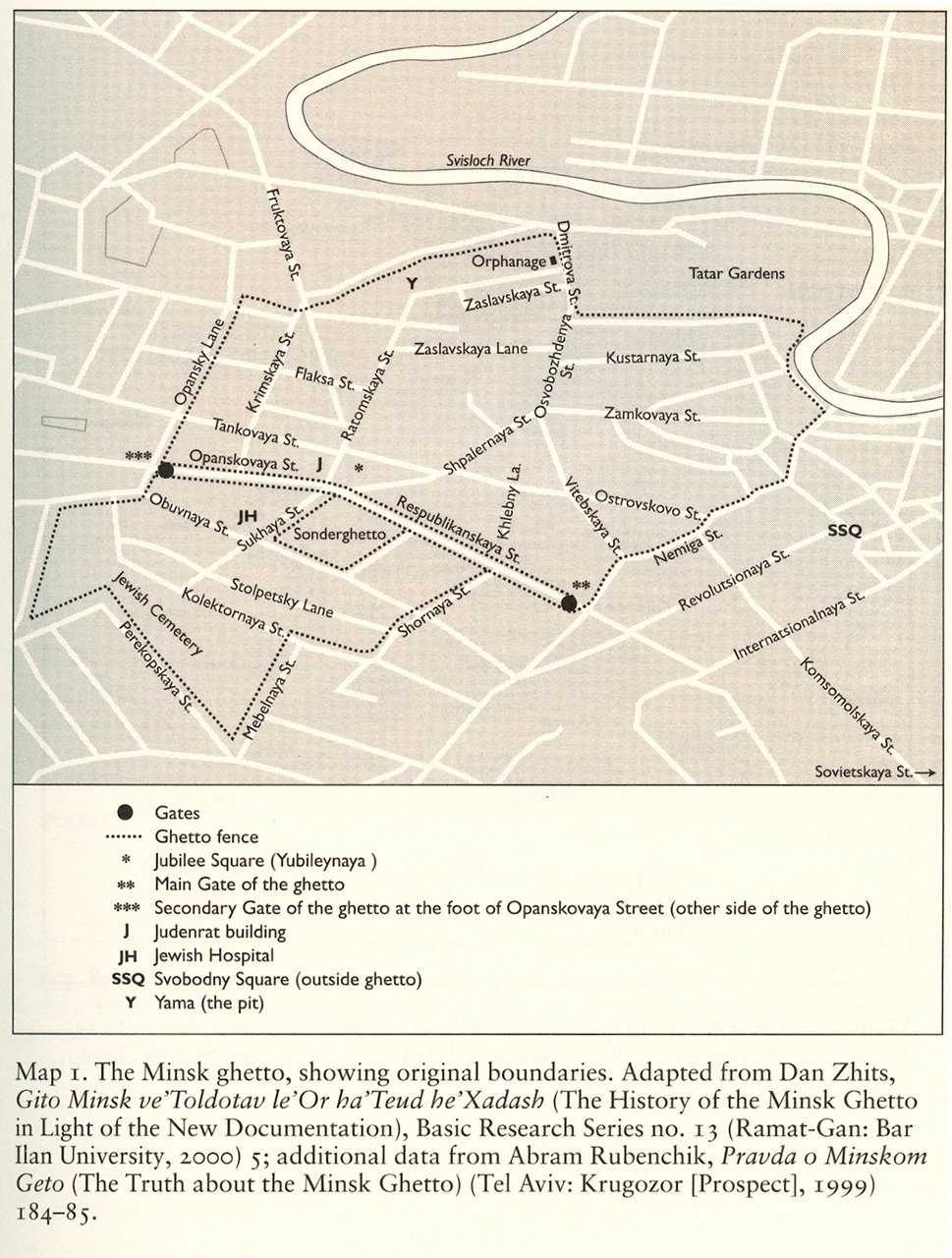
A young Belarusian woman in occupied Minsk
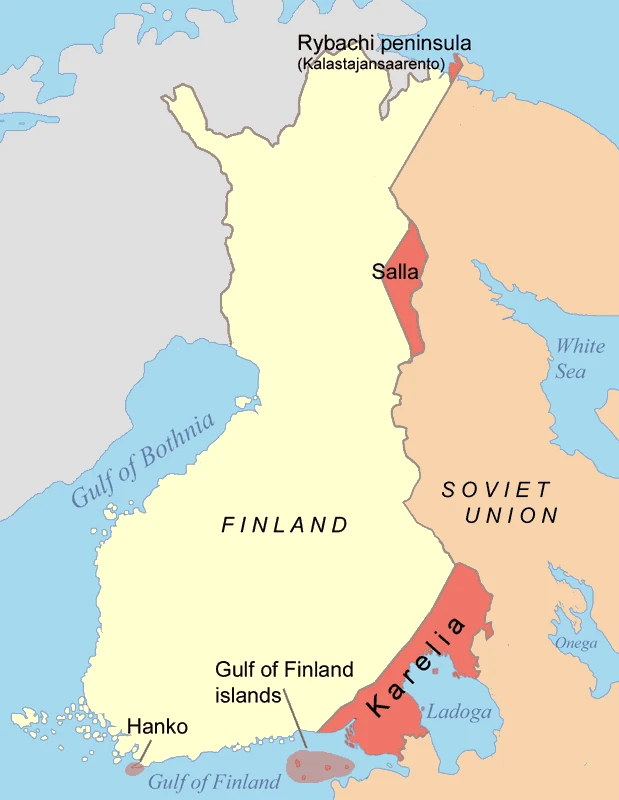
Helsinki under the bombs — 30 November
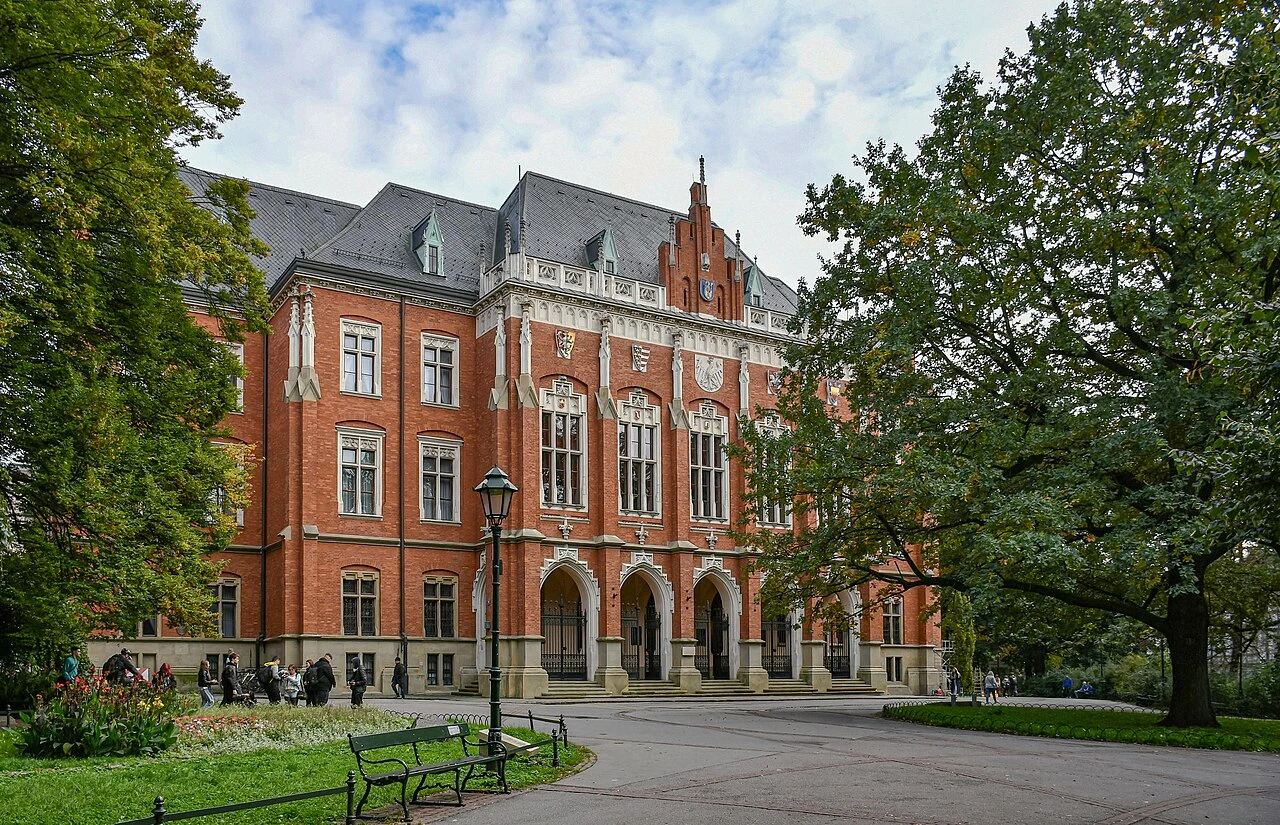
The Kraków Student After the Sonderaktion Krakau
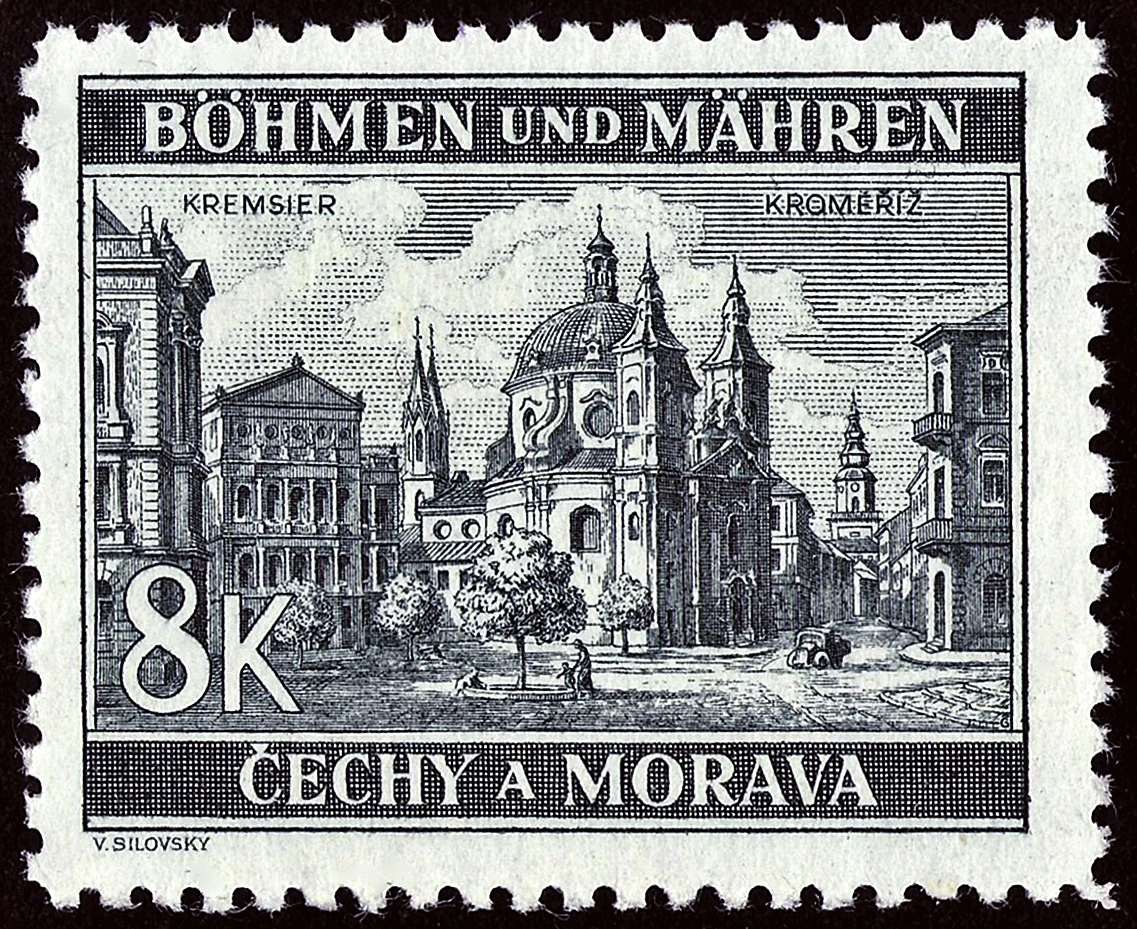
The Czech Schoolteacher and the Wehrmacht Officer
The Jewish Schoolteacher of Kazimierz
Prague, 17 November 1939: the Czech universities shut down
Studying in the Warsaw Ghetto
Clandestine teaching in the Warsaw Ghetto
The Belgrade medical student and the call of the Partisans
The Warsaw Ghetto — the temptation of informing
A young Belarusian woman in occupied Minsk
Helsinki under the bombs — 30 November
The Kraków Student After the Sonderaktion Krakau