
The Red Square Parade of 7 November 1941
November 1941. On the frozen roads leading to the capital, the divisions of the Wehrmacht are now only a few dozen kilometres away. Operation Typhoon, launched in late September, has already crushed the Soviet armies at Vyazma and Bryansk; some German vanguards believe they can make out the spires of Moscow through their binoculars. In the city, the ministries are being evacuated to Kuibyshev, the bridges and factories are being mined, archives are being burned. The rumour of an imminent fall is spreading, and with it scenes of panic.
Yet 7 November is no ordinary date. It is the anniversary of the October Revolution, the regime's sacred appointment, celebrated every year by a great military parade on Red Square, beneath the walls of the Kremlin. To cancel it would amount to admitting to the world, and above all to the Soviet people, that Moscow believes itself lost. To hold it, on the contrary, exposes thousands of men and the Party leadership to the bombers of the Luftwaffe, which would have only a short flight to make before striking the crowd gathered in the open.
Joseph Stalin, who has remained in the Kremlin while so many others have left for the east, weighs every option. Morale is faltering, the enemy is watching, and the slightest signal will be read as an omen by millions of eyes. The capital holds its breath; the decision, now, is his.
On the eve of 7 November, with the Wehrmacht threatening Moscow, what do you decide regarding the anniversary parade of the Revolution?
Stalin chose to maintain the parade on Red Square on 7 November 1941, in the presence of the troops and the population. To guard against the Luftwaffe, Soviet fighter aviation was massed over the capital and the parade was moved to early in the morning; a snowfall further reduced visibility. From atop Lenin's Mausoleum, Stalin delivered a speech invoking the great Russian ancestors. The units paraded and then went directly to the front lines close at hand. Filmed and broadcast, the event was an immense propaganda coup that bolstered Soviet morale at the darkest hour of the Battle of Moscow, before the December 1941 counter-offensive that drove the Germans back.
Learn more about this event
Related polls
10
Harriman in Moscow, Face to Face with Stalin
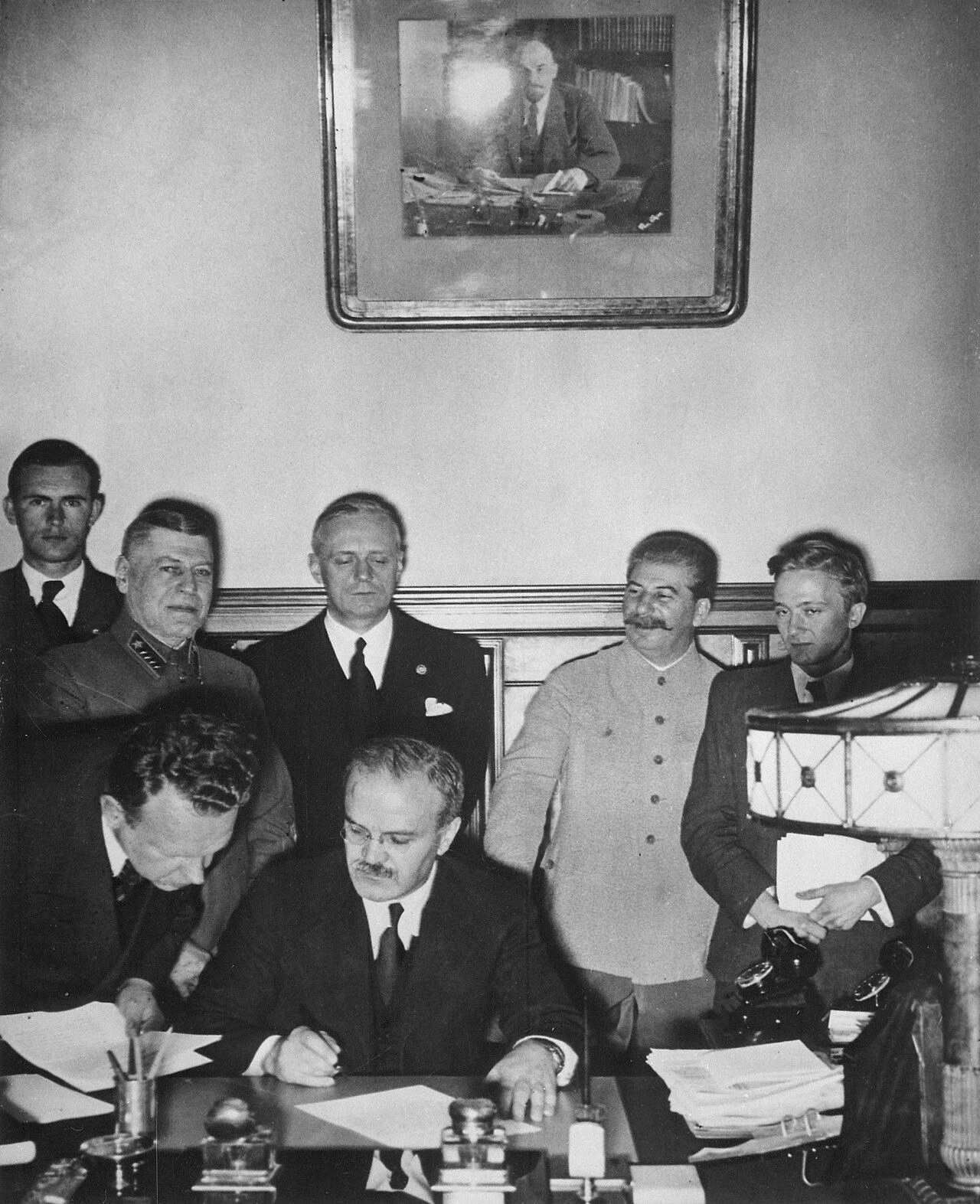
Schnurre in Moscow — the Commercial Agreement
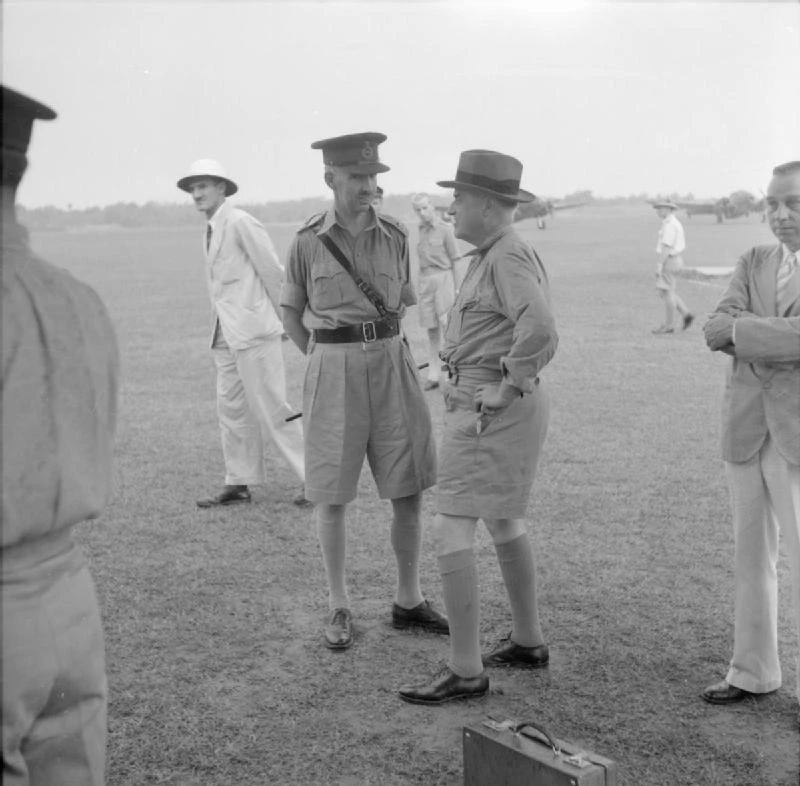
Auchinleck replaces Wavell
The United States lands in Iceland
Finland after the Bombs — 25 June 1941
Japan and the Southern Resource Zone
Spanish Wolfram
Leningrad besieged: hunger as a weapon
Nomura and the Hull Note: Diplomacy on the Brink
Stalin at the microphone — 'brothers and sisters'
Harriman in Moscow, Face to Face with Stalin
Schnurre in Moscow — the Commercial Agreement
Auchinleck replaces Wavell
The United States lands in Iceland
Finland after the Bombs — 25 June 1941
Japan and the Southern Resource Zone
Spanish Wolfram
Leningrad besieged: hunger as a weapon
Nomura and the Hull Note: Diplomacy on the Brink