
Whittle and the Jet Engine
Since the early 1930s, a young RAF officer, , has championed a revolutionary idea: to propel an aircraft by a turbojet rather than a propeller. Holding a patent as early as 1930, he long preached in the wilderness, lacking funds and facing official scepticism. His small company, Power Jets, struggles to survive.
In the summer of 1939, his experimental engine at last runs convincingly on the test bench. The demonstrations draw the attention of a few Air Ministry officials, hitherto lukewarm. The question then arises of whether to bet seriously on this unproven technology.
The choice commits scarce resources on the eve of war. To fund and accelerate Whittle's project, ordering an experimental aircraft to test the jet in flight, at the risk of investing in a dead end? To leave the project at its own pace, continuing to stake everything on proven piston engines? Or to abandon it for lack of immediate results? The British aircraft industry is already under strain producing conventional fighters and bombers.
Should the Air Ministry bet on Whittle's still-unproven turbojet?
The Ministry chooses A: convinced by the 1939 trials, it backs the development of Whittle's jet and orders an experimental aircraft to fly it — this will be the Gloster E.28/39. The first British jet flight will take place in 1941. Development will remain slower than Whittle hoped, and Germany will fly a jet aircraft before the United Kingdom; but the 1939 gamble opens the way to the engines that will power the Gloster Meteor, the only Allied jet fighter committed during the war. A breakthrough technology born of the obstinacy of a man long ignored.
Learn more about this event
Related polls
10
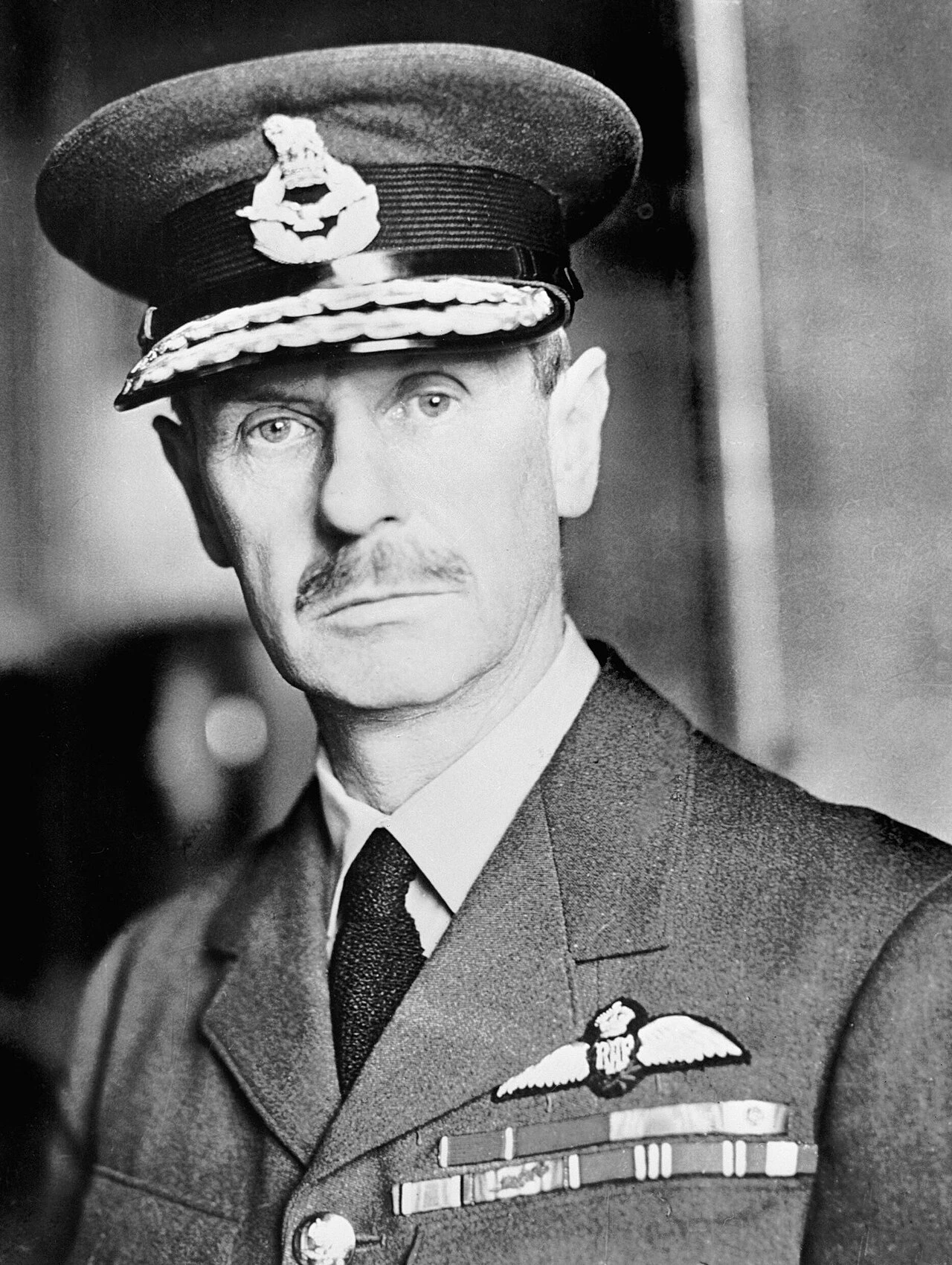
Chain Home — the Invisible Wall
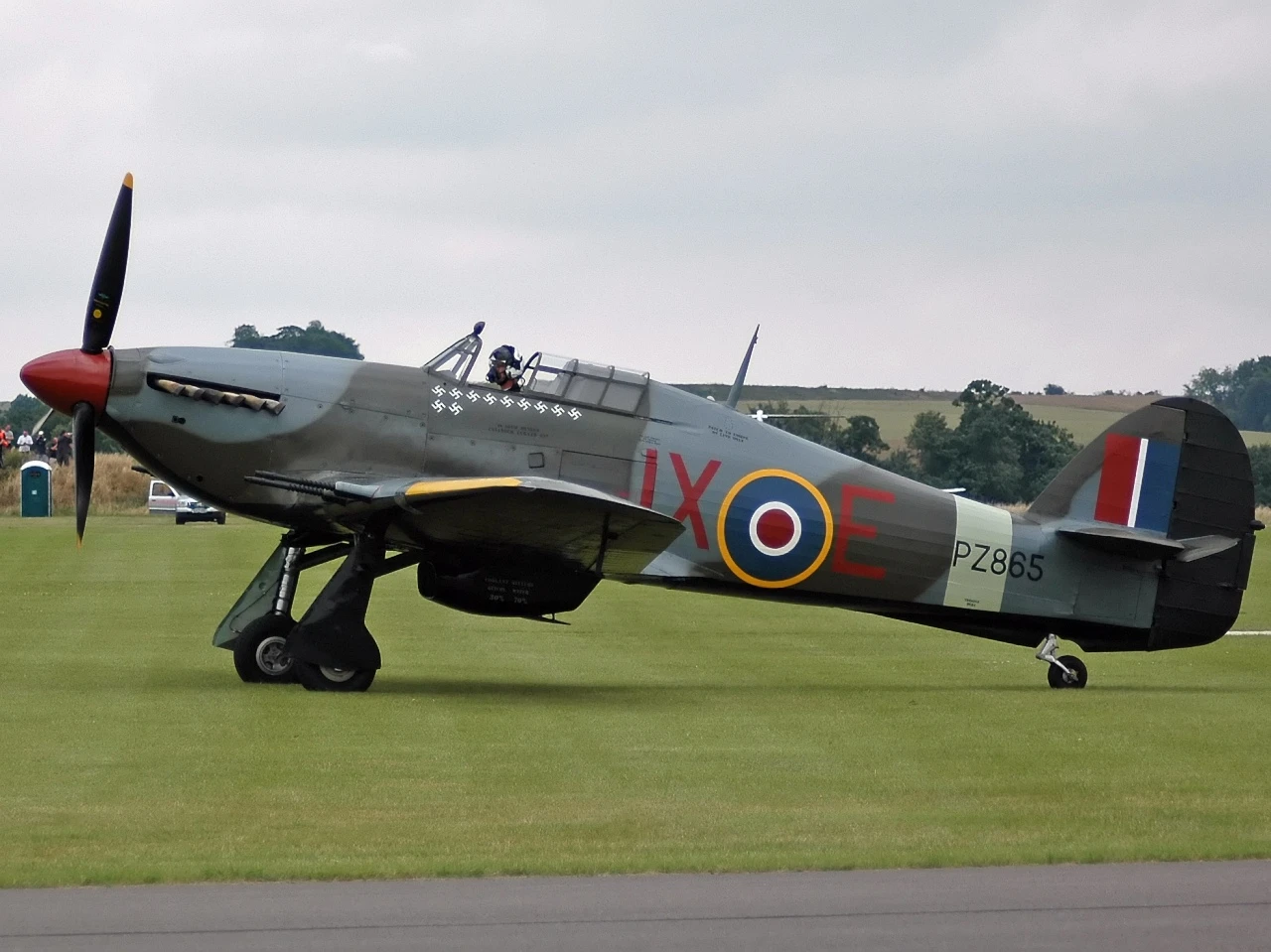
The RAF — Fighters or Bombers
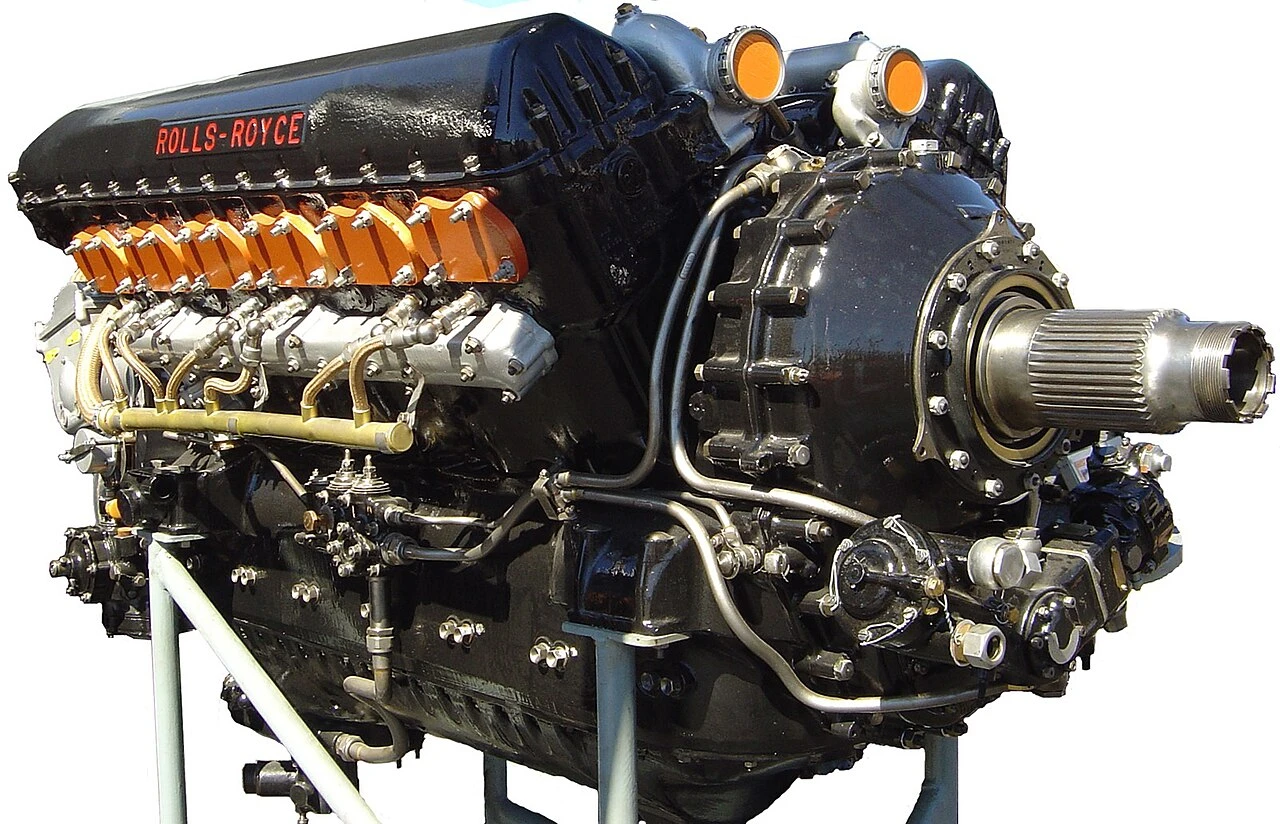
Car assembly lines for an aircraft engine
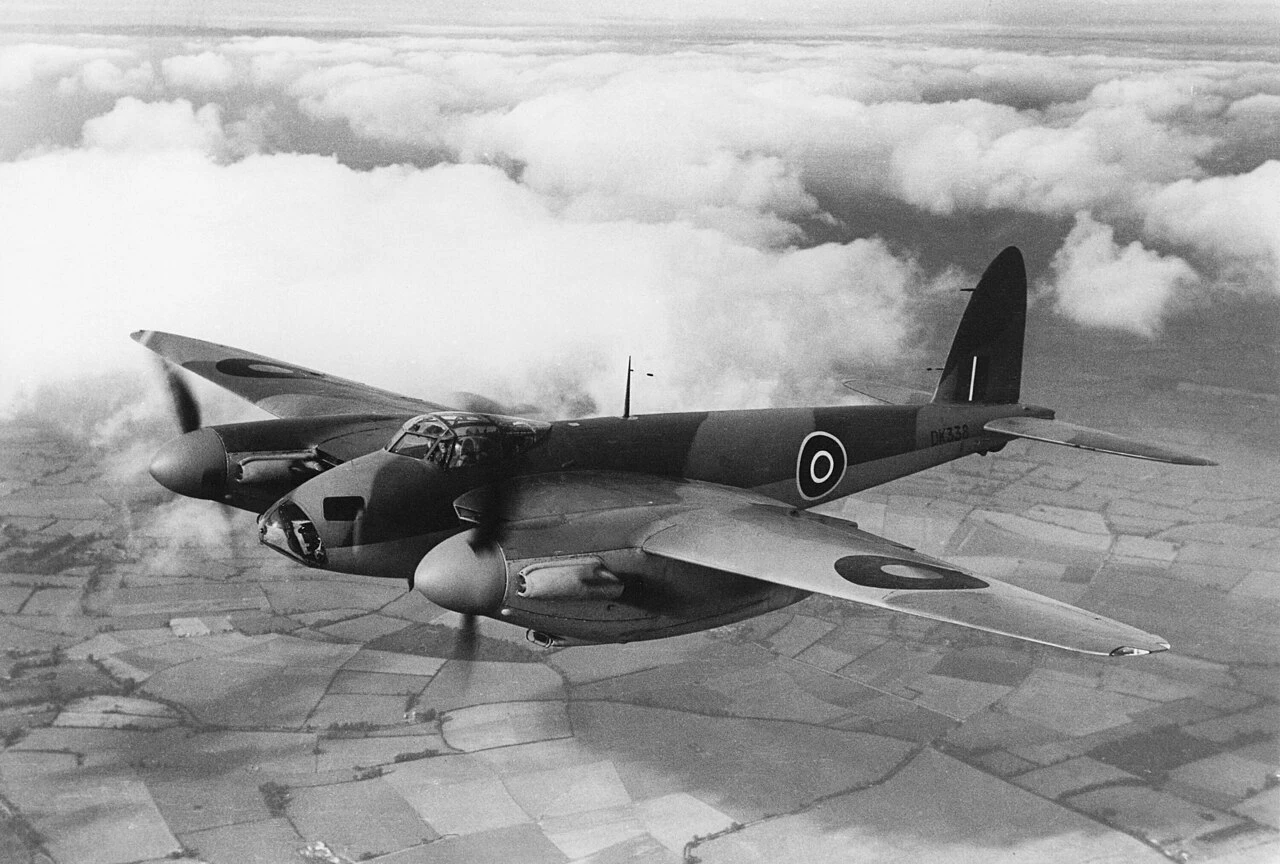
An all-wood combat aircraft
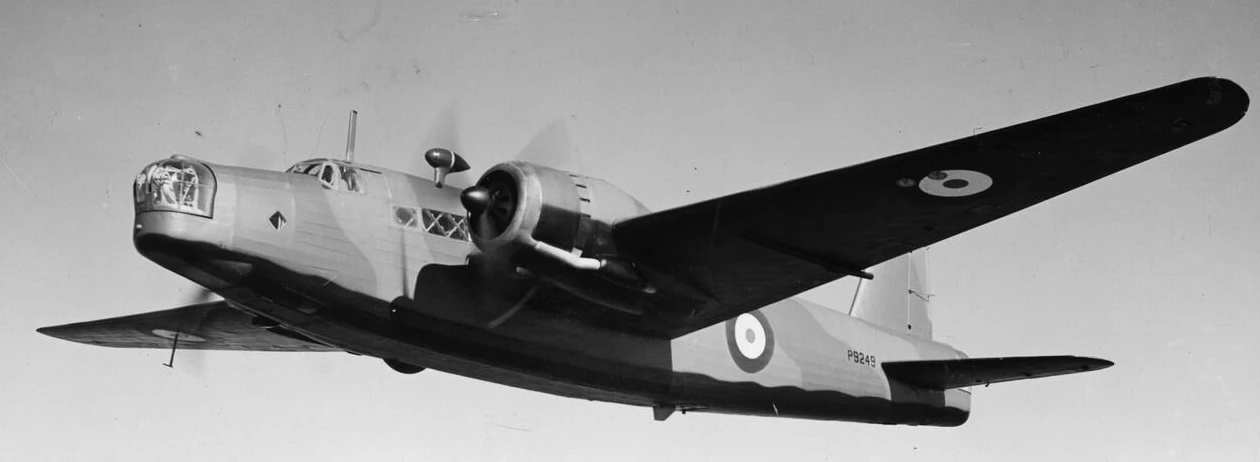
The lattice of steel that defied mass production
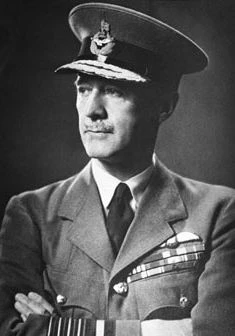
Ludlow-Hewitt and Operation Nickel
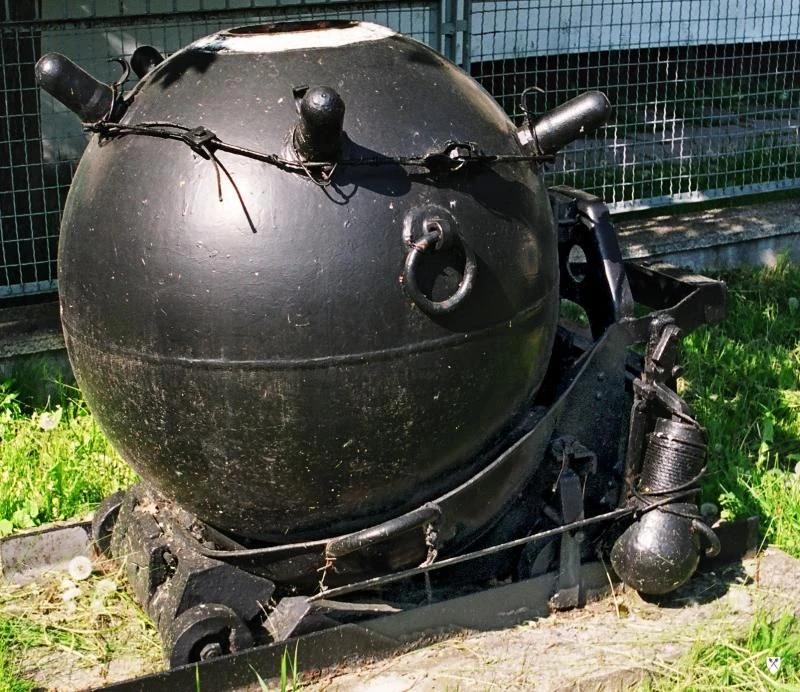
Ouvry and the magnetic mine
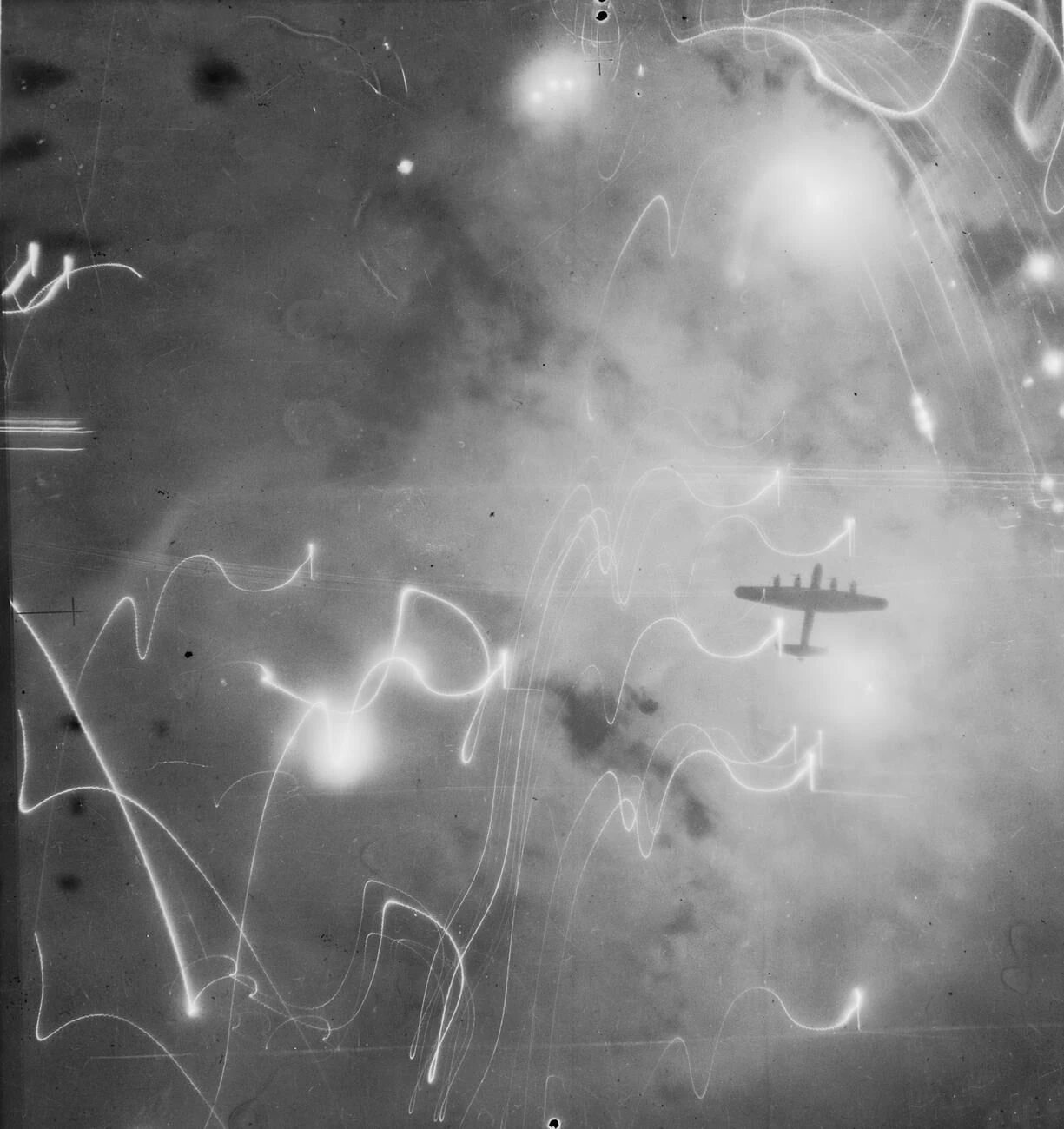
Bombing London — and the reply on Berlin
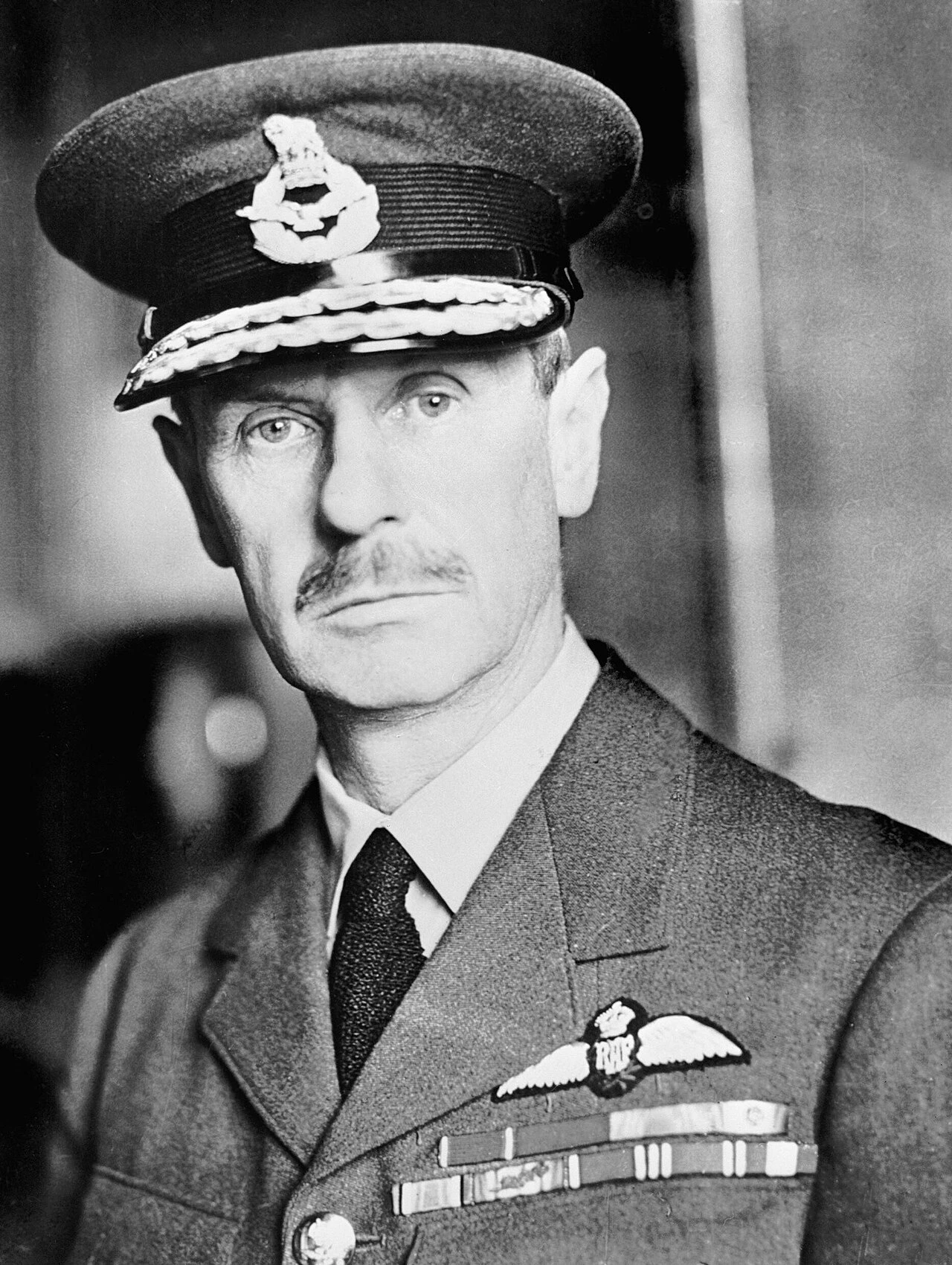
Dowding and the fighters
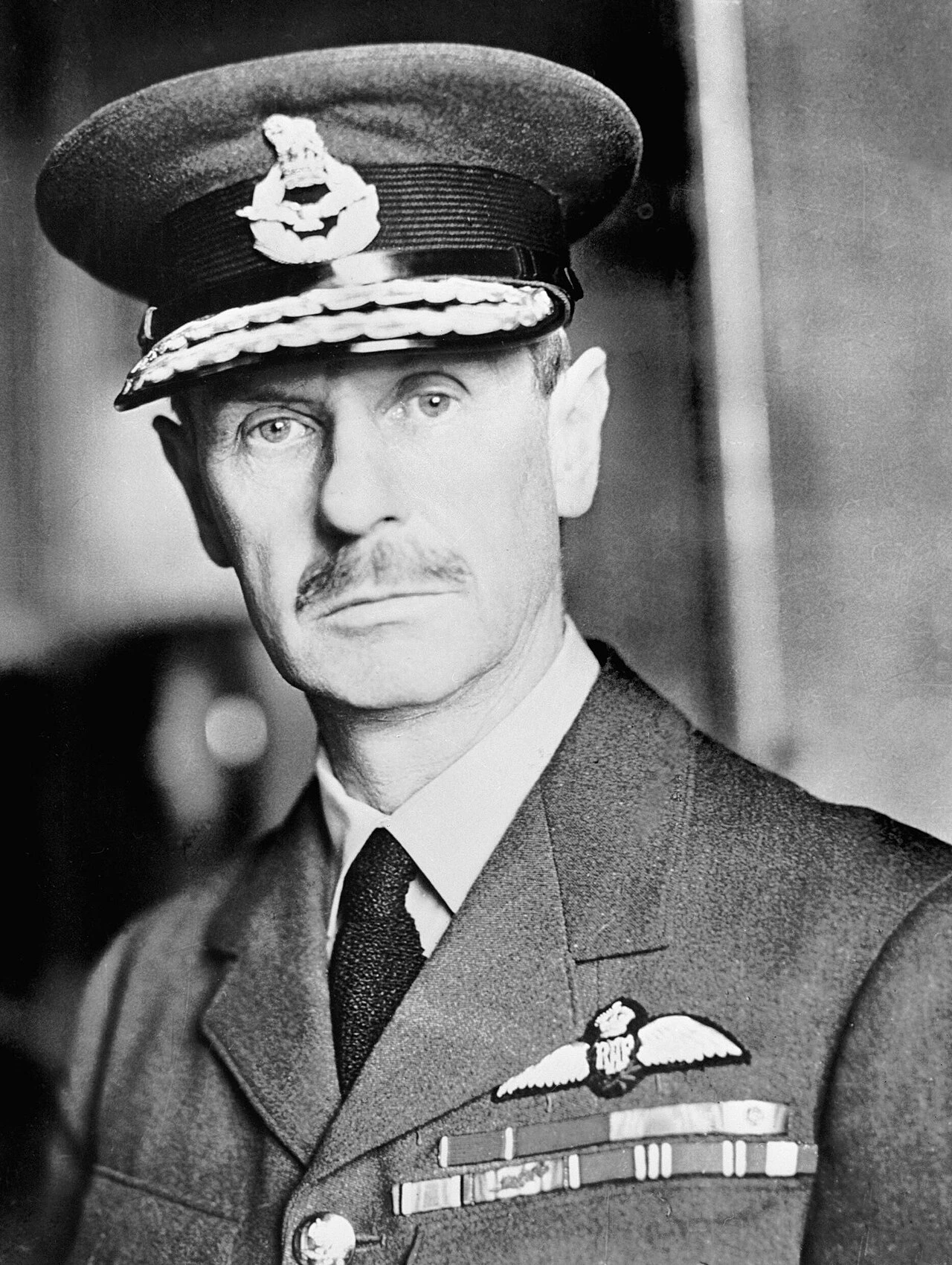
Dowding and the Last Reserves — 15 September 1940
Chain Home — the Invisible Wall
The RAF — Fighters or Bombers
Car assembly lines for an aircraft engine
An all-wood combat aircraft
The lattice of steel that defied mass production
Ludlow-Hewitt and Operation Nickel
Ouvry and the magnetic mine
Bombing London — and the reply on Berlin
Dowding and the fighters