
Jean Moulin — Chartres, 17 June
, 41, has been prefect of Eure-et-Loir since 1939, the youngest prefect in France. On 14 June Paris fell; on the 16th the Wehrmacht enters Chartres. On the morning of 17 June, German officers put a document before him to sign: a report claiming that Senegalese tirailleurs have massacred civilians in a nearby village.
The document is a forgery. It is meant to manufacture a justification for German atrocities against African colonial troops, victims in June 1940 of systematic massacres. For Moulin, to sign would be to lend a prefect's guarantee to a lie dishonouring the French army; to refuse is to risk torture, even death.
The scene is a pure moral dilemma, lived by a senior civil servant alone before the occupier. The youngest prefect in France, a republican on the left, a former collaborator of at the Ministry of Air, Moulin has no experience of clandestine work. He faces this dilemma at a moment when the French state is disintegrating and no one yet knows what "to obey" or "to refuse" will mean in the months to come.
Faced with the forged document, what should Jean Moulin do?
Moulin chooses C: he refuses to sign. Beaten and abused for part of the day, that evening in his cell he tries to cut his throat with a piece of glass rather than yield. Saved in extremis and treated, he is released on 19 June. Removed from office by Vichy in November 1940, he reaches London via Lisbon in 1941, becomes de Gaulle's delegate in France and the architect of the unification of the Resistance, chairing on 27 May 1943 the first meeting of the National Council of the Resistance. Arrested at Caluire in June 1943, tortured by , he dies during his transfer to Germany. His ashes enter the Panthéon in 1964. 17 June 1940 at Chartres is held to be his first act of resistance.
Learn more about this event
Related polls
10
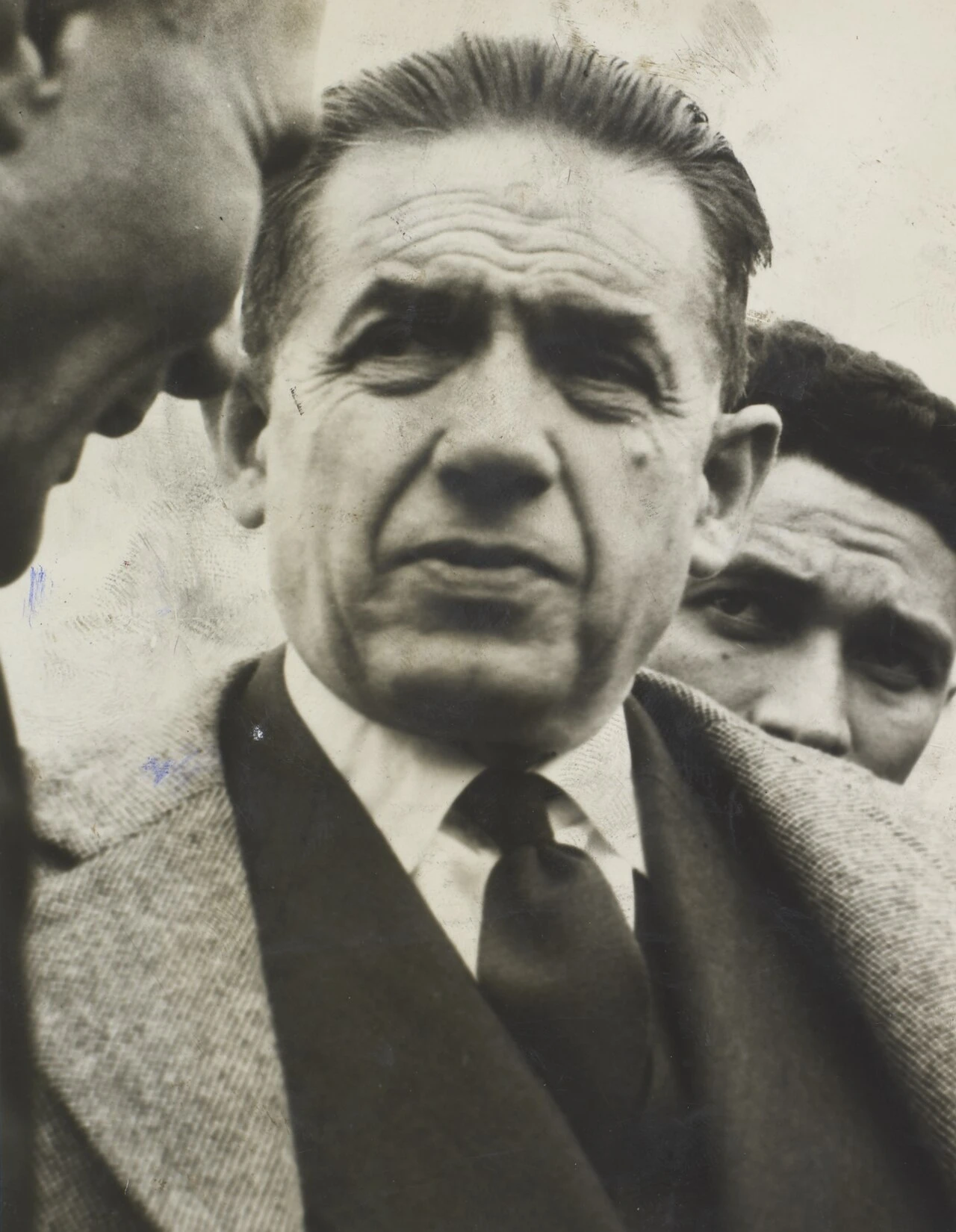
Edmond Michelet — Brive leaflet, 18 June
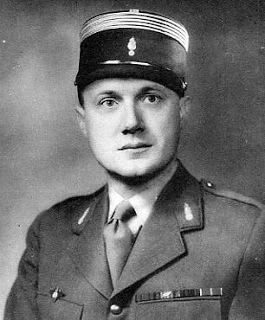
Gilbert Renault — the road to London

The head of Gnome et Rhône facing the vise of June 1940
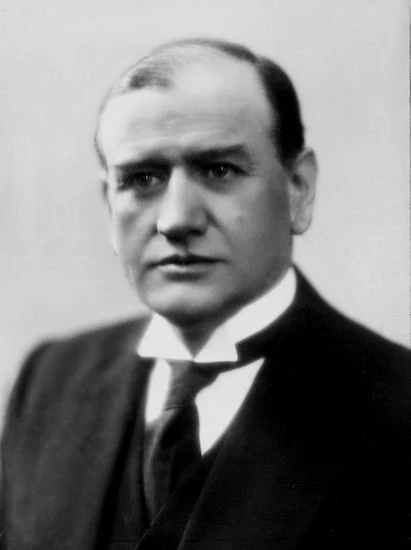
The Massilia — Bordeaux 21 June
The University of Warsaw under the Bombs
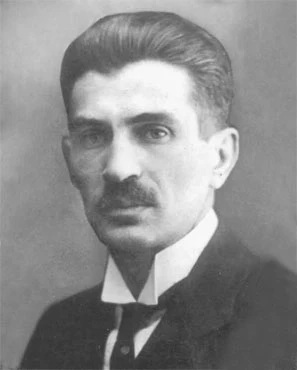
Maciej Rataj — Filtrowa Street, 28 November
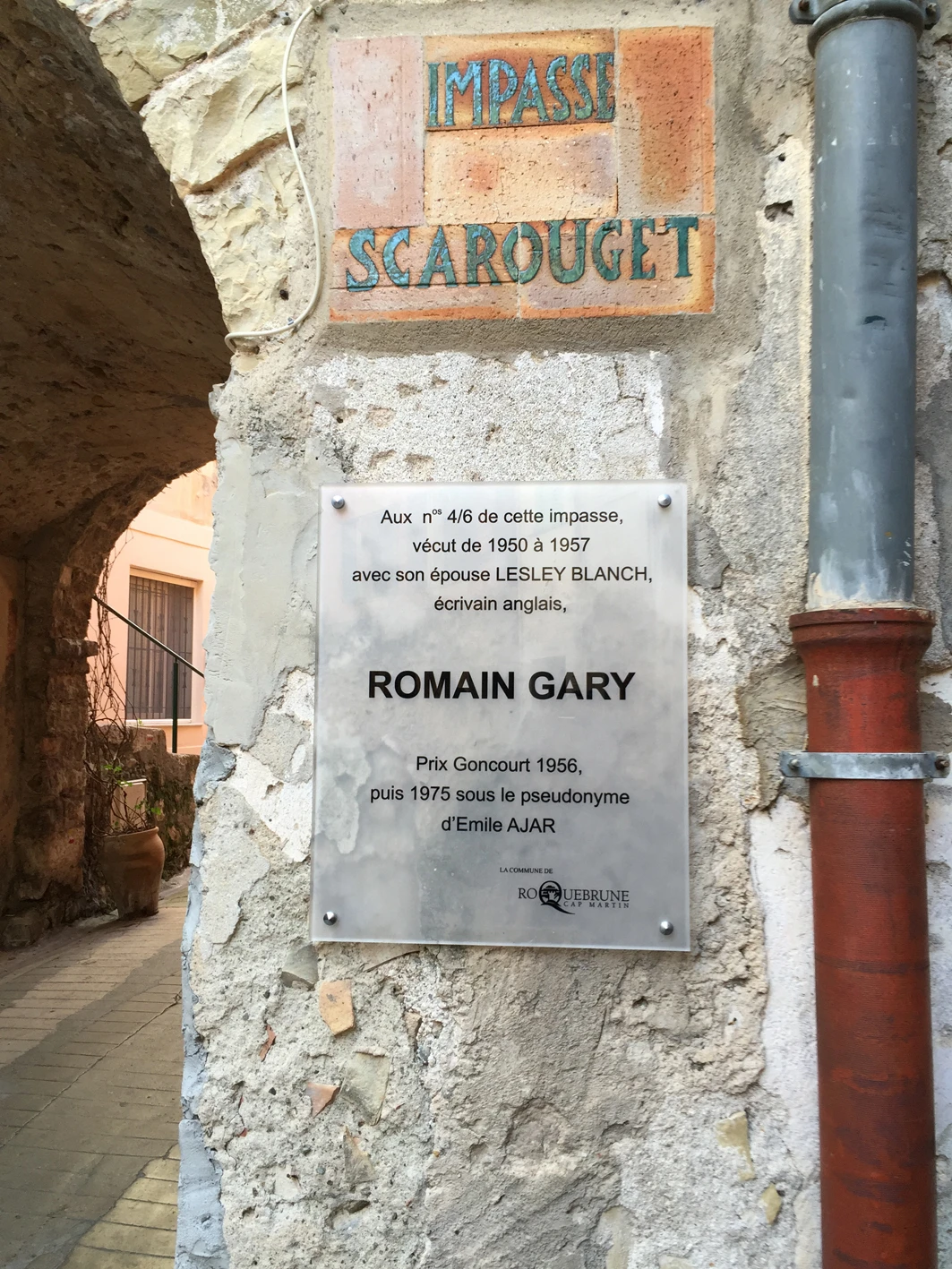
Romain Gary at Salon — 17 June
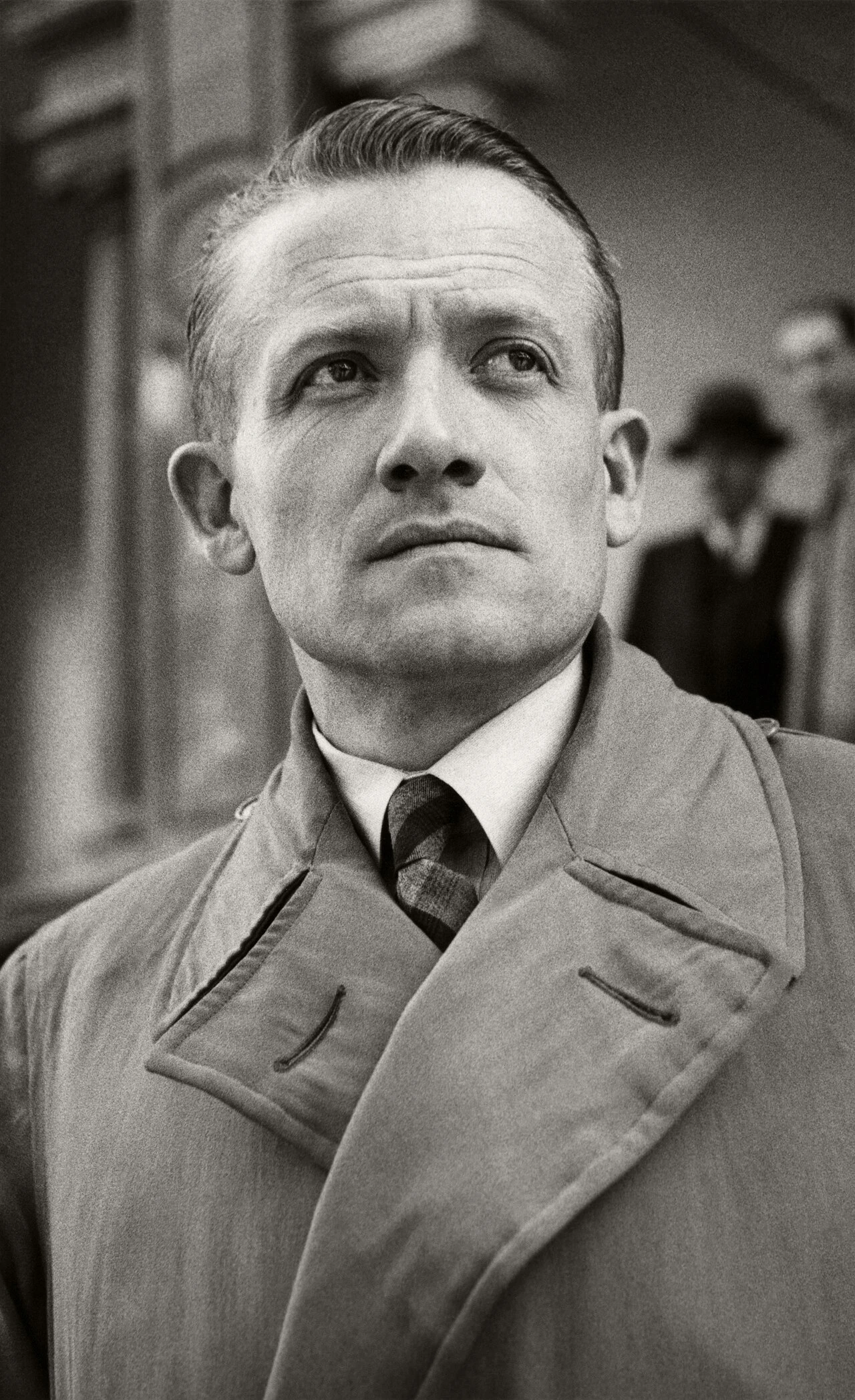
Henri Frenay at Marseille — August 1940
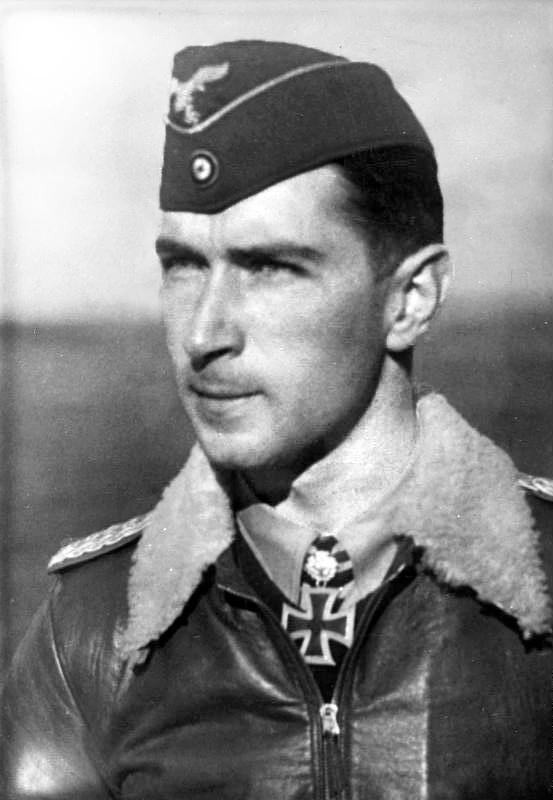
Mölders above the columns — 18 May
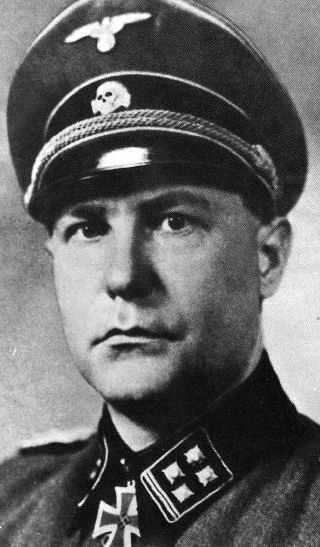
Le Paradis — the barn at Cornet-Malo
Edmond Michelet — Brive leaflet, 18 June
Gilbert Renault — the road to London
The head of Gnome et Rhône facing the vise of June 1940
The Massilia — Bordeaux 21 June
The University of Warsaw under the Bombs
Maciej Rataj — Filtrowa Street, 28 November
Romain Gary at Salon — 17 June
Henri Frenay at Marseille — August 1940
Mölders above the columns — 18 May