
Rommel before the Meuse — Dinant, 13 May
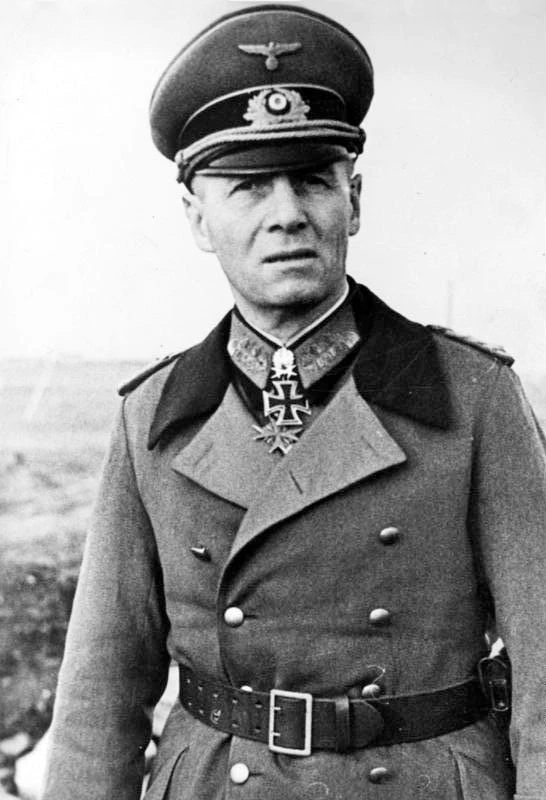
, 48, former commander of the Führerbegleitbataillon — Hitler's escort during the Polish campaign — had been given command of the on 6 February 1940, a promotion willed by Hitler, who admired his audacity. His division fielded 218 tanks, many of them Panzer 38(t)s of Czech origin, and came under Hoth's .
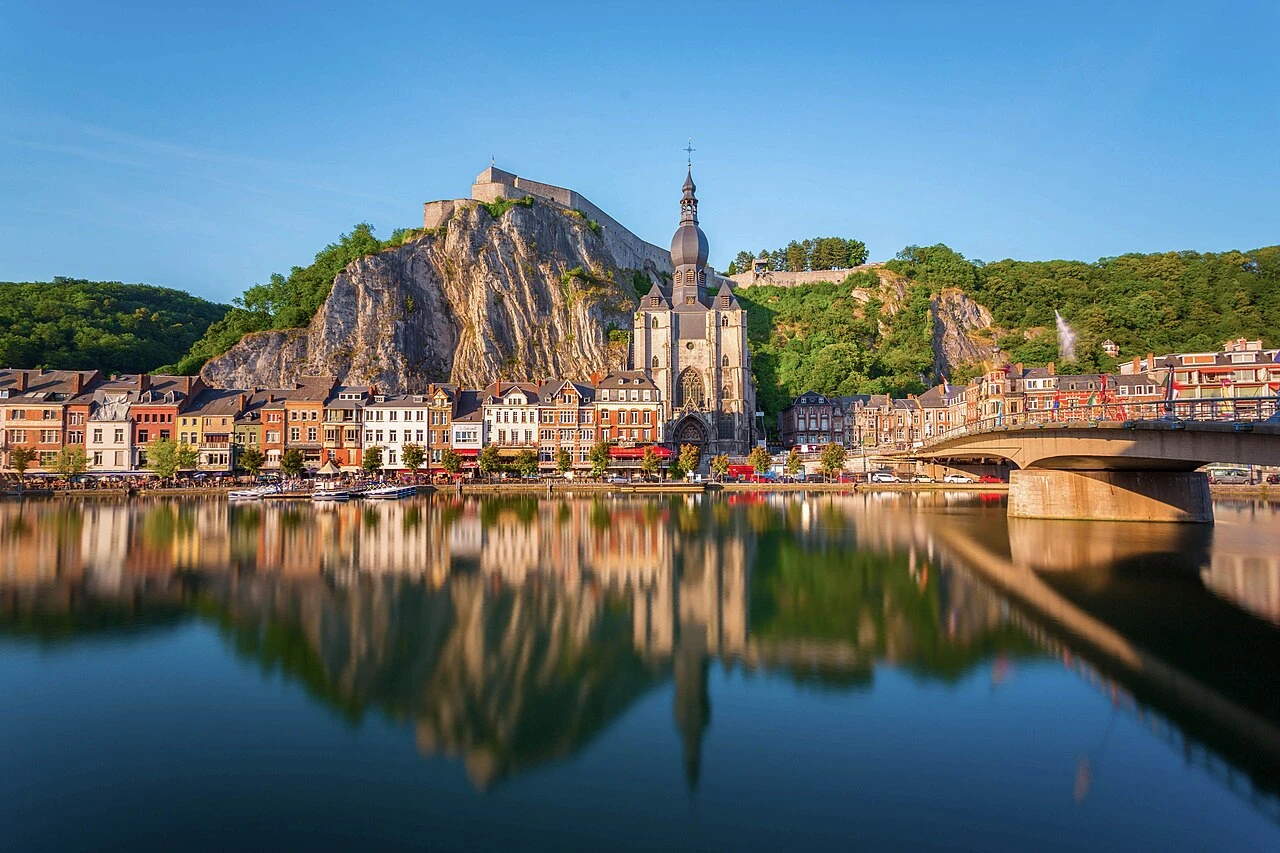
His mission: cross the Meuse north of Reinhardt's corps, at Dinant in Belgium. At dawn on 13 May, Rommel was on the bank at Houx, half a mile north of the town. Opposite, the French held the heights with two regiments. The bridge at Dinant had been blown the day before.
It was therefore necessary to cross a wide river without a bridge, under French fire that was far from negligible: the first attempt, around 04:30, cost five German dead and pinned the rubber boats on the bank, with the smoke of the fires serving as the only screen. The divisional artillery had not yet arrived and the Stukas were late, so the engineer infantry advanced in the open, in small groups. Rommel, present on the bank itself, had to decide how to force the crossing without letting the momentum drop.
Cross the river now with your men, or wait for artillery and Stuka support?
Rommel applied A. Around 11:00 he himself climbed into a rubber boat and crossed the Meuse at Bouvignes under fire, setting the example for hesitant troops. The threw a Bruckengeraet B pontoon bridge across at Houx; the first tank crossed onto the west bank around 22:00. The very next day Rommel broke through to the west with a handful of tanks in the lead, without waiting for the bulk of the division, took Onhaye and then reached Philippeville on 16 May — some 35 miles in 48 hours. His division, elusive, was soon nicknamed Gespensterdivision ("ghost division") because neither the enemy nor the OKH ever knew where it was. Rommel became the icon of the Blitzkrieg, a field marshal in 1942 after Tobruk, then a commander in Normandy. Compromised in the 20 July 1944 plot, he was forced to suicide on 14 October 1944.
Learn more about this event
Related polls
10
Rommel before the Serre — the Crécy bridge
The Houx weir
The crossing of the Meuse at Dinant
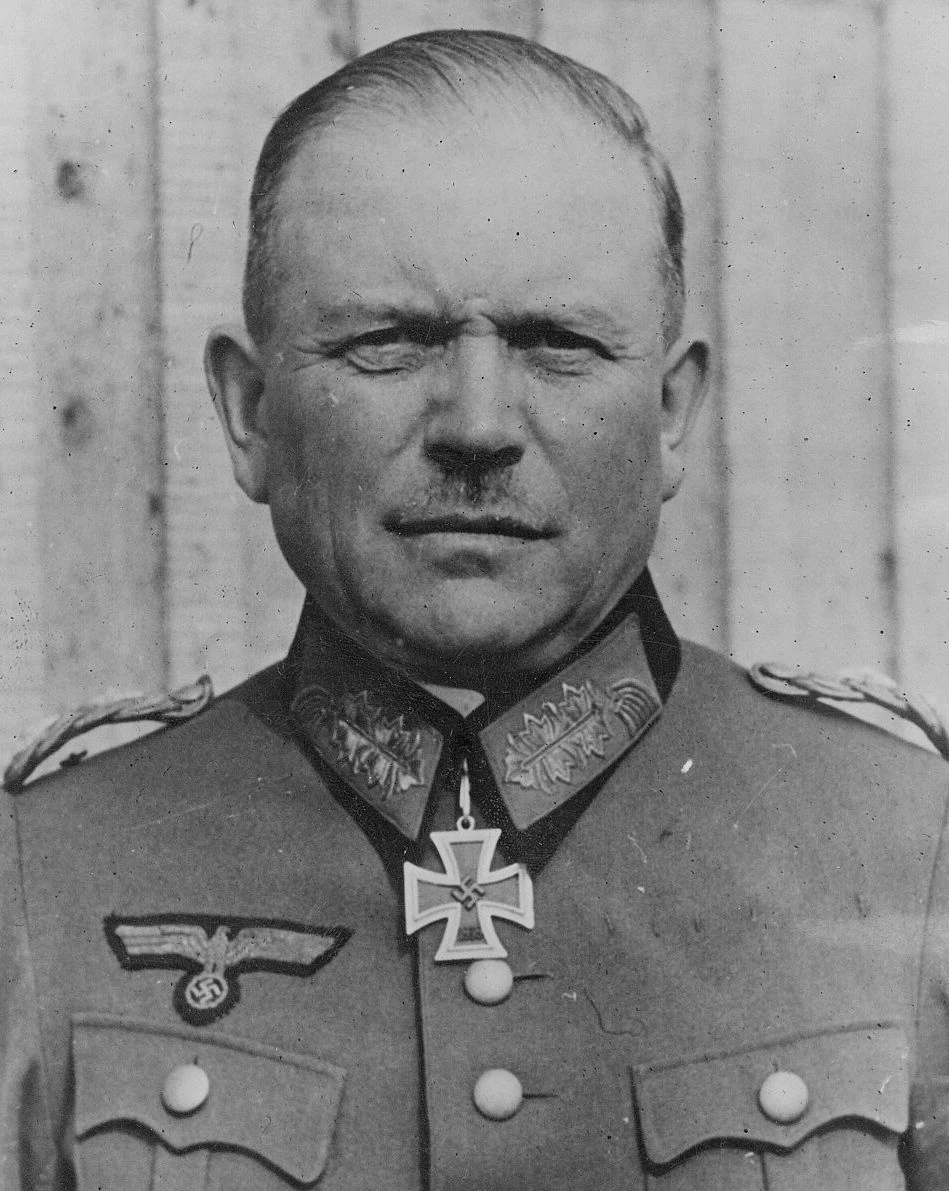
Sedan — Guderian on the Meuse
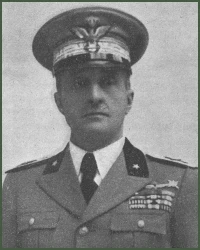
Pintor in the Alps — 21 June
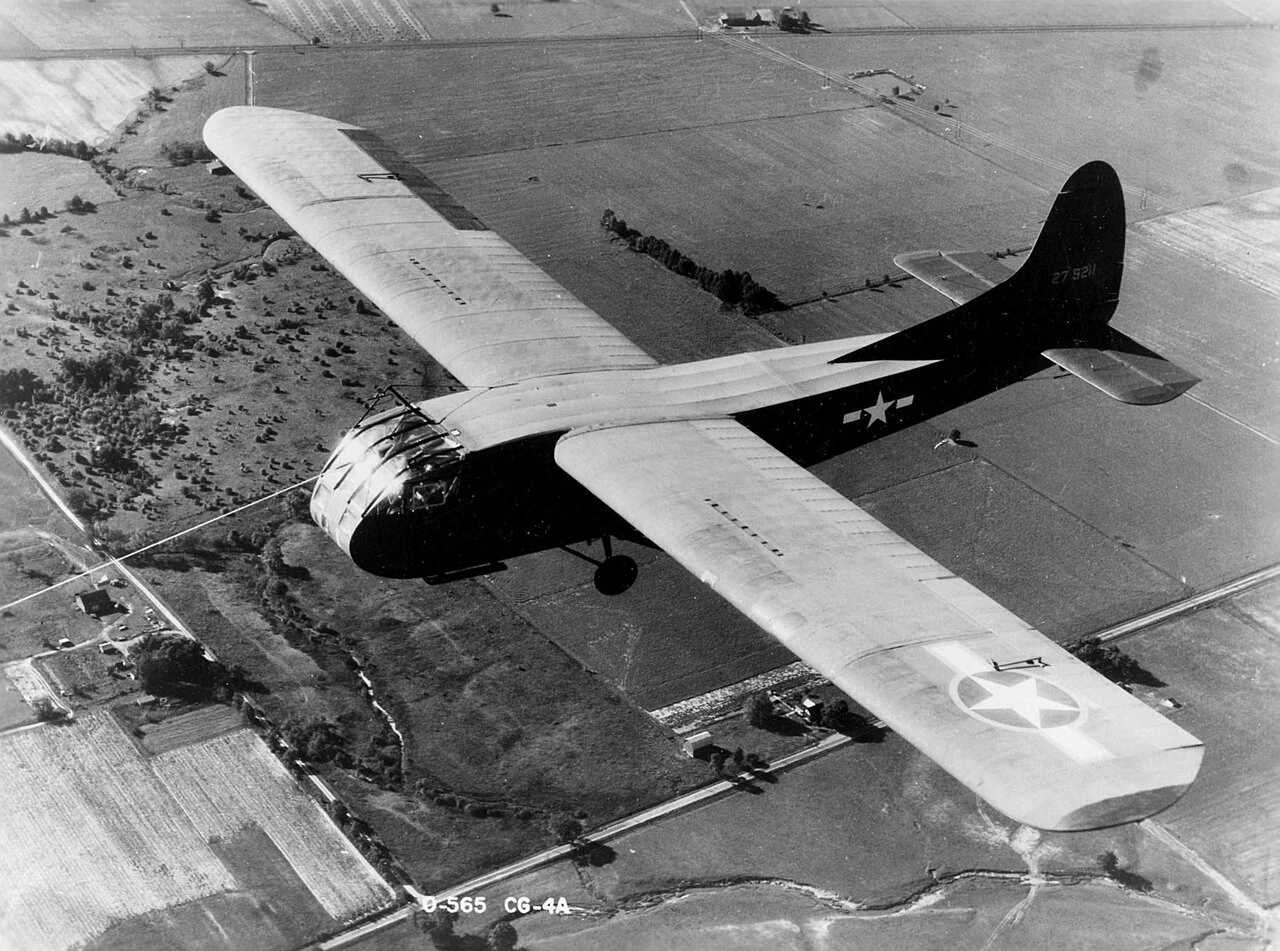
The coup de main on Ében-Émael
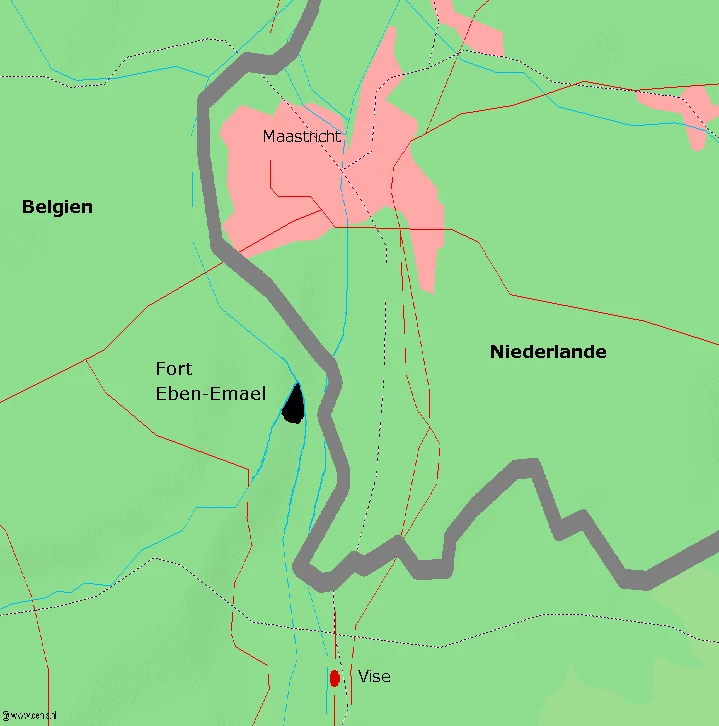
Eben-Emael — Jottrand under the explosions
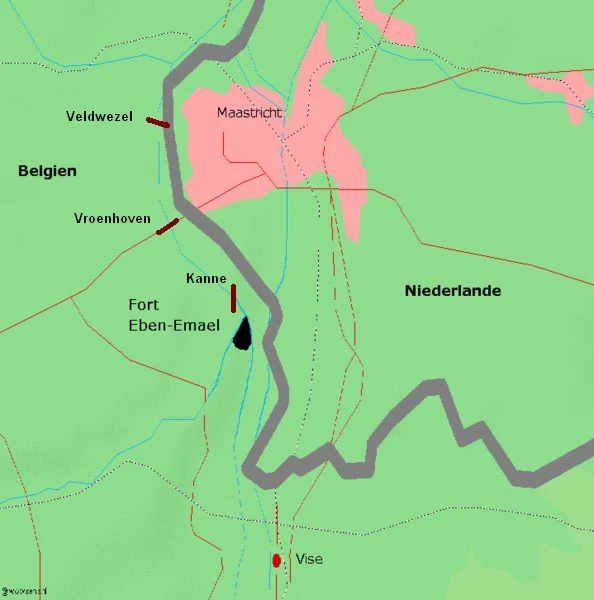
Eben-Emael — gliders on the roof
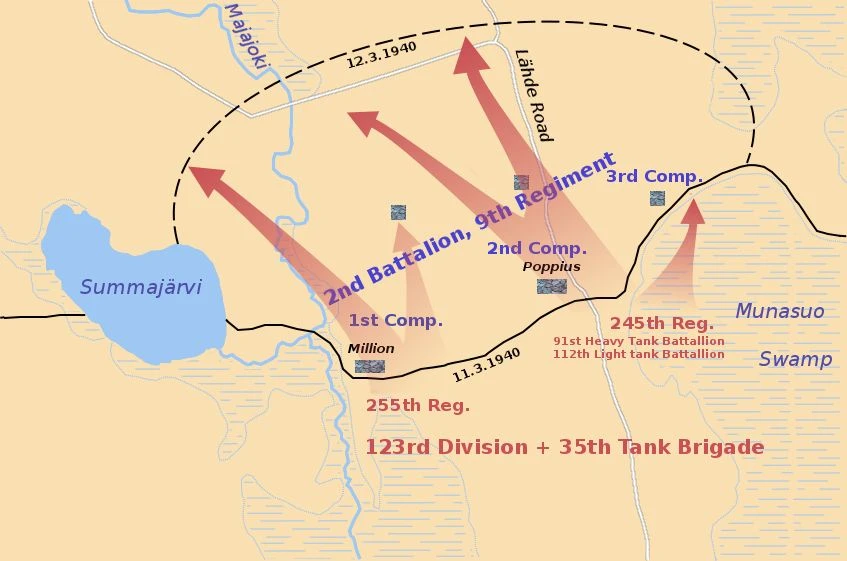
Lähde — Yakovlev against the Mannerheim bolt
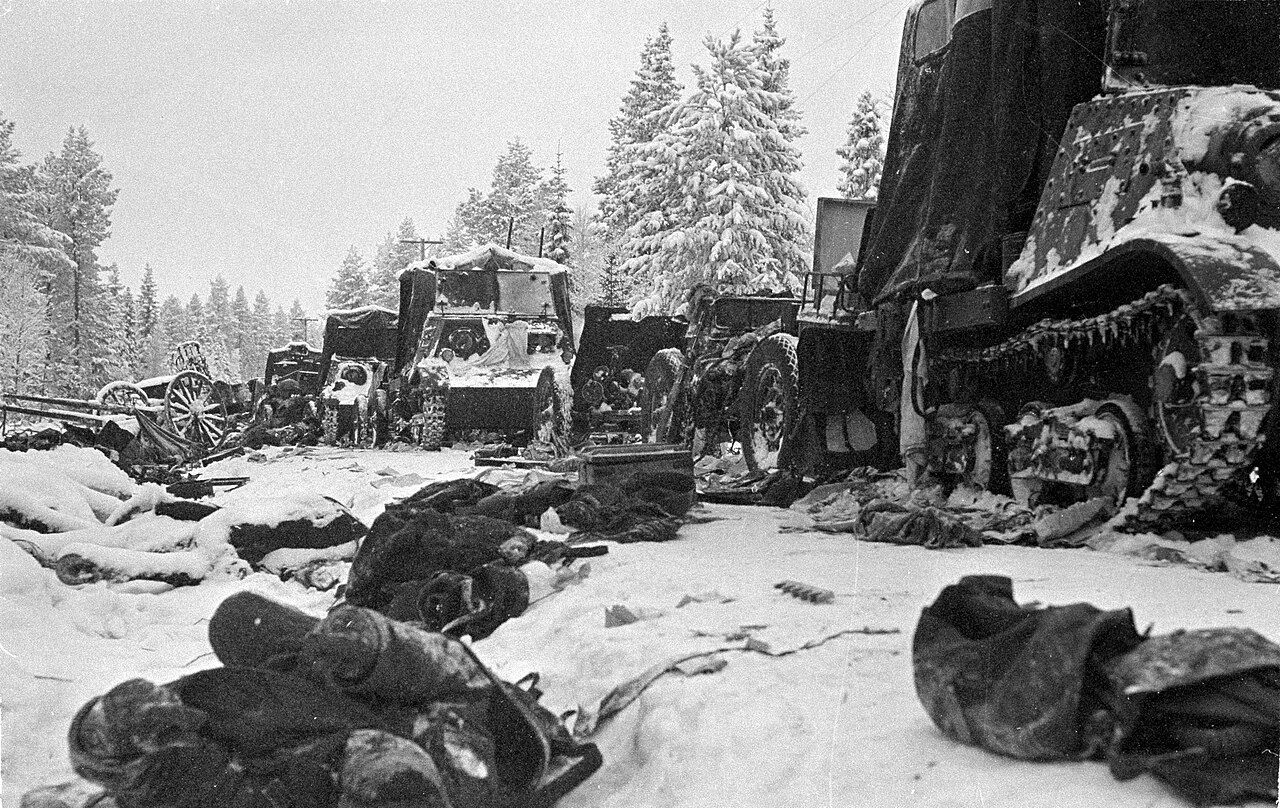
Raate — Vinogradov on the frozen road
Rommel before the Serre — the Crécy bridge
The Houx weir
The crossing of the Meuse at Dinant
Sedan — Guderian on the Meuse
Pintor in the Alps — 21 June
The coup de main on Ében-Émael
Eben-Emael — Jottrand under the explosions
Eben-Emael — gliders on the roof
Lähde — Yakovlev against the Mannerheim bolt