
Neutral Belgium — let the Allies in?
Since 1936, Belgium had pursued a "policy of independence", keeping its distance from the great powers and refusing any formal military commitment with France and the United Kingdom. But in the winter of 1939–1940, the German threat became more definite, and the Mechelen incident confirmed that an offensive would pass through Belgian territory.
The dilemma became pressing. Authorising the Franco-British armies to enter Belgium pre-emptively would allow a defence in depth to be organised before the attack, but would break neutrality and perhaps furnish Hitler with the pretext he was seeking. To refuse this was to rely on a defence improvised at the last moment, with the Allies able to rush in only once the invasion had begun.
and his government had to choose. Let the Allies in ahead of time to prepare a joint defence. Hold a strict line, calling on the Allies only after an actual aggression. Or negotiate secret cooperation plans without public commitment. The whole balance of Belgian security — and the fate of the coming battle — turned on this judgement.
Should Belgium let the Allies in ahead of time, remain strictly neutral, or prepare secret plans?
Belgium adhered essentially to B: it maintained its neutrality and refused the pre-emptive entry of Allied troops, for fear of provoking Germany and out of attachment to its independence. Discreet staff contacts did take place, but without real coordination. The consequence: when the invasion broke out on 10 May 1940, the Franco-British armies had to rush headlong into Belgium (the Dyle–Breda manoeuvre), without having been able to reconnoitre or prepare the positions — a factor in the speed of the collapse. The choice of neutrality, defensible politically, would carry a heavy military cost.
Learn more about this event
Related polls
10
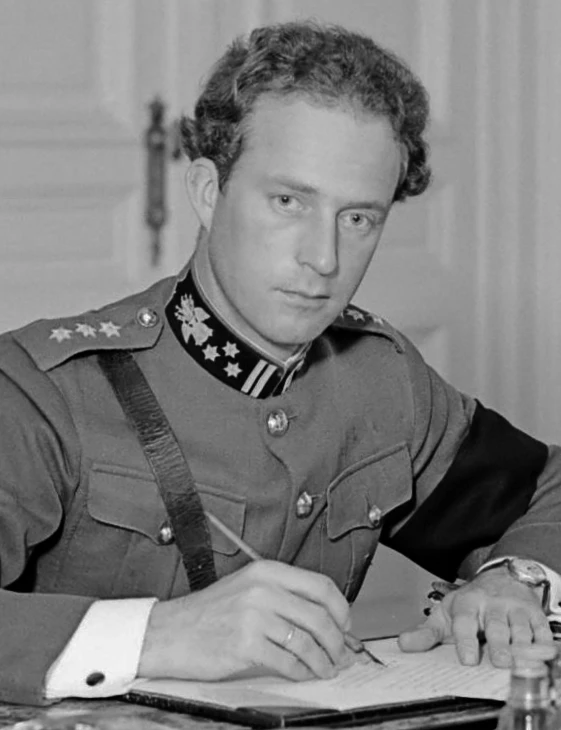
Brussels, September 1939: a small country's tightrope walk
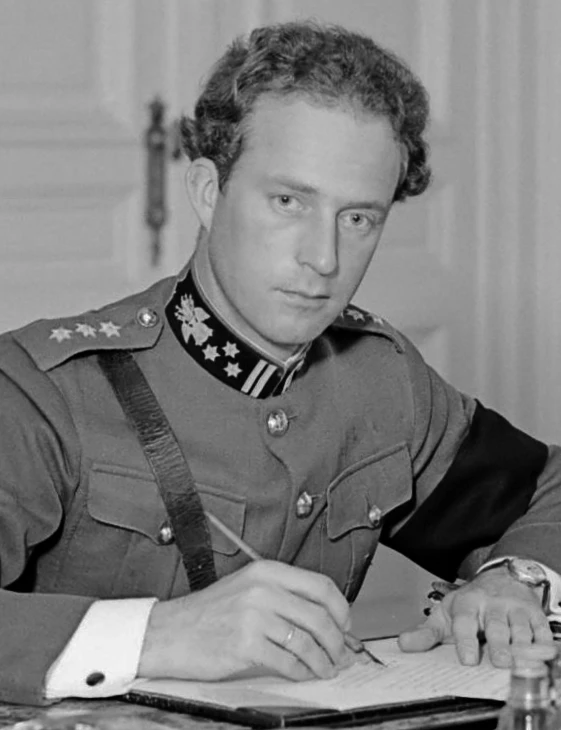
Leopold III takes command
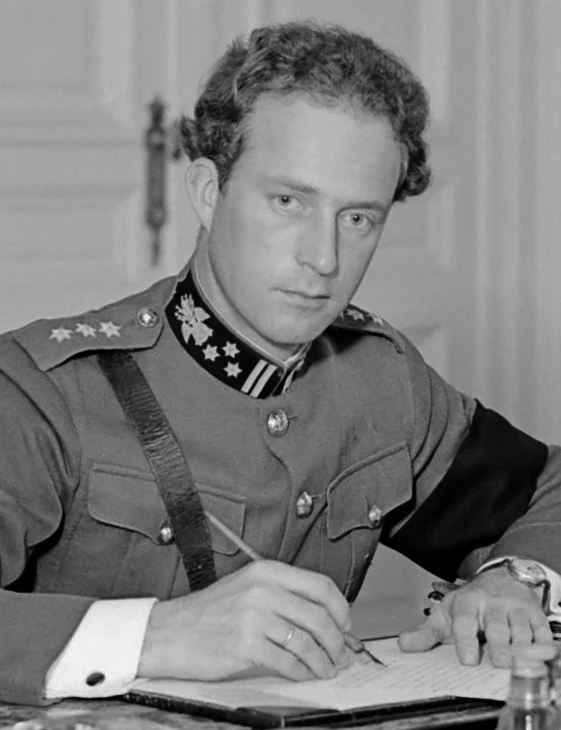
The Capitulation of 28 May
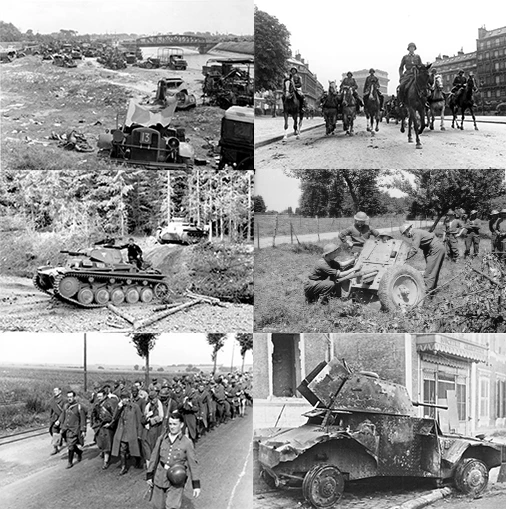
The War Cabinet — Negotiate or Carry On
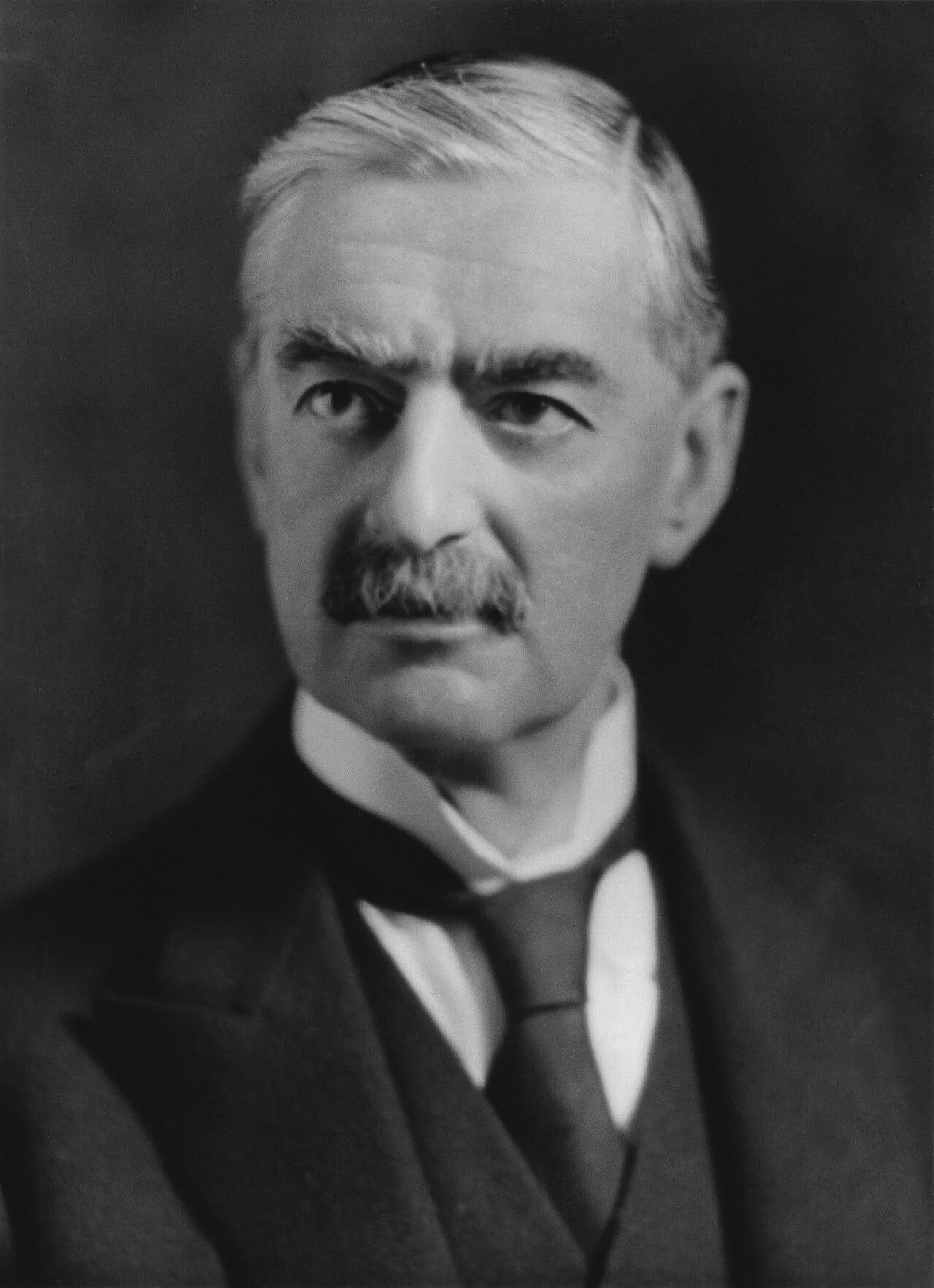
War council — leave central Norway?
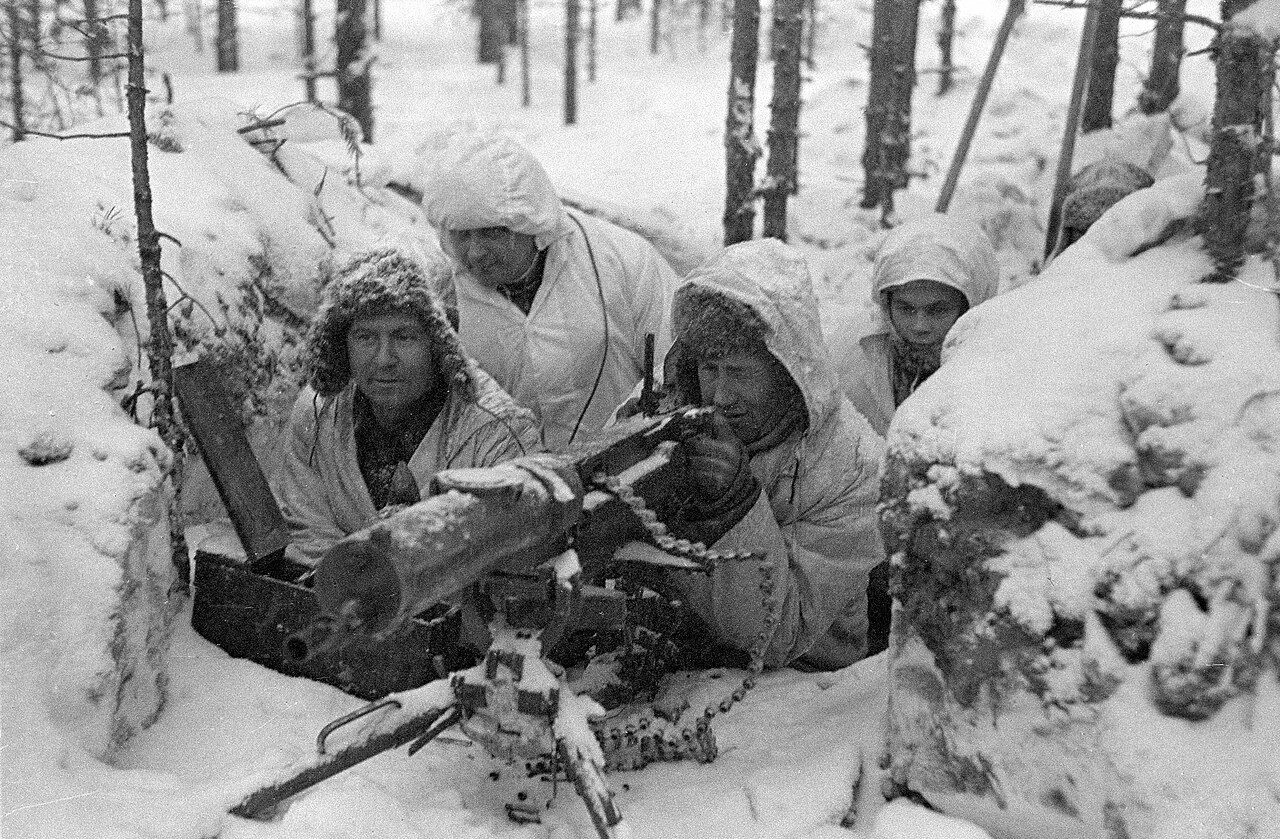
The Supreme Allied Council faces Finland
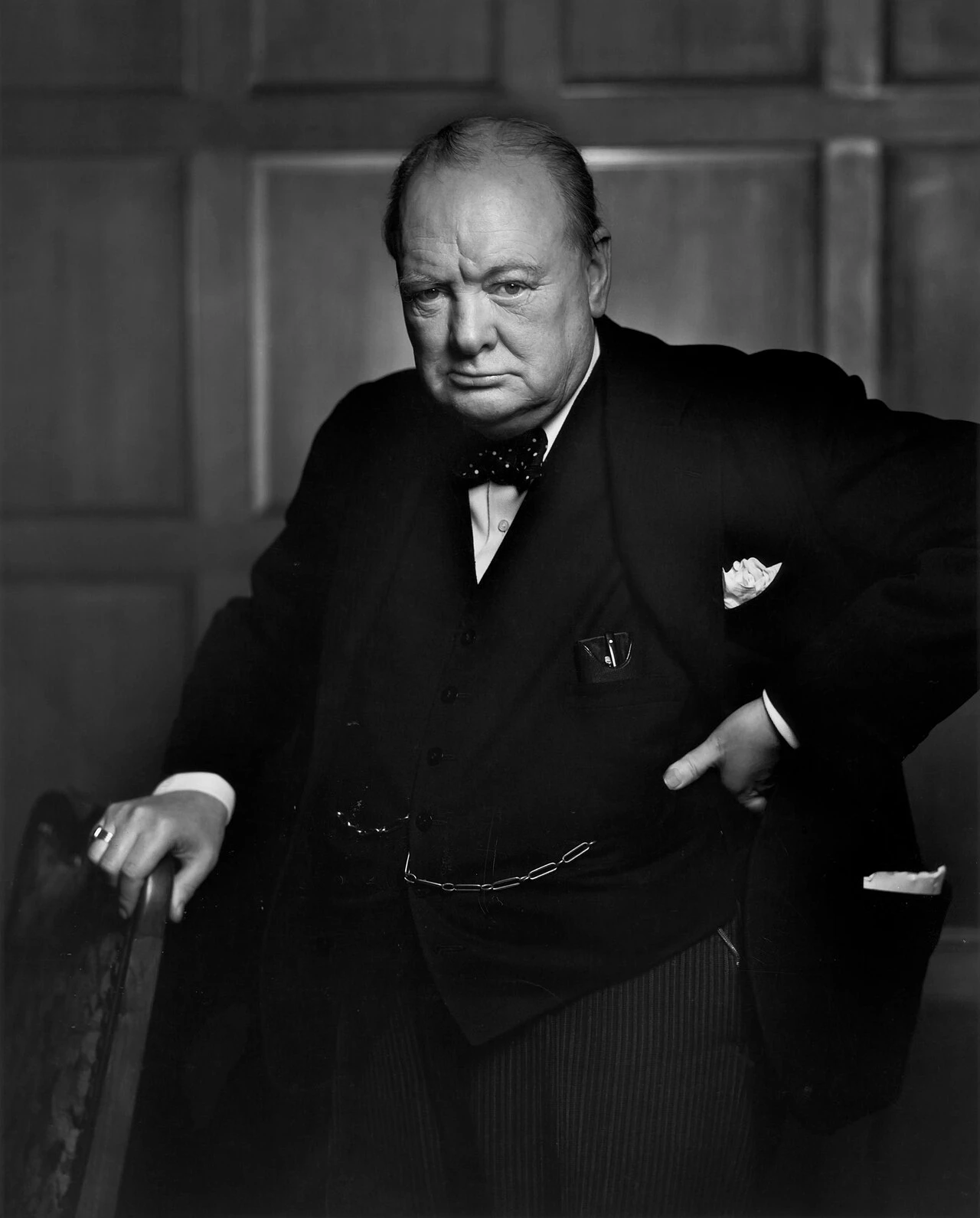
Dunkirk: should the French be saved alongside the British?
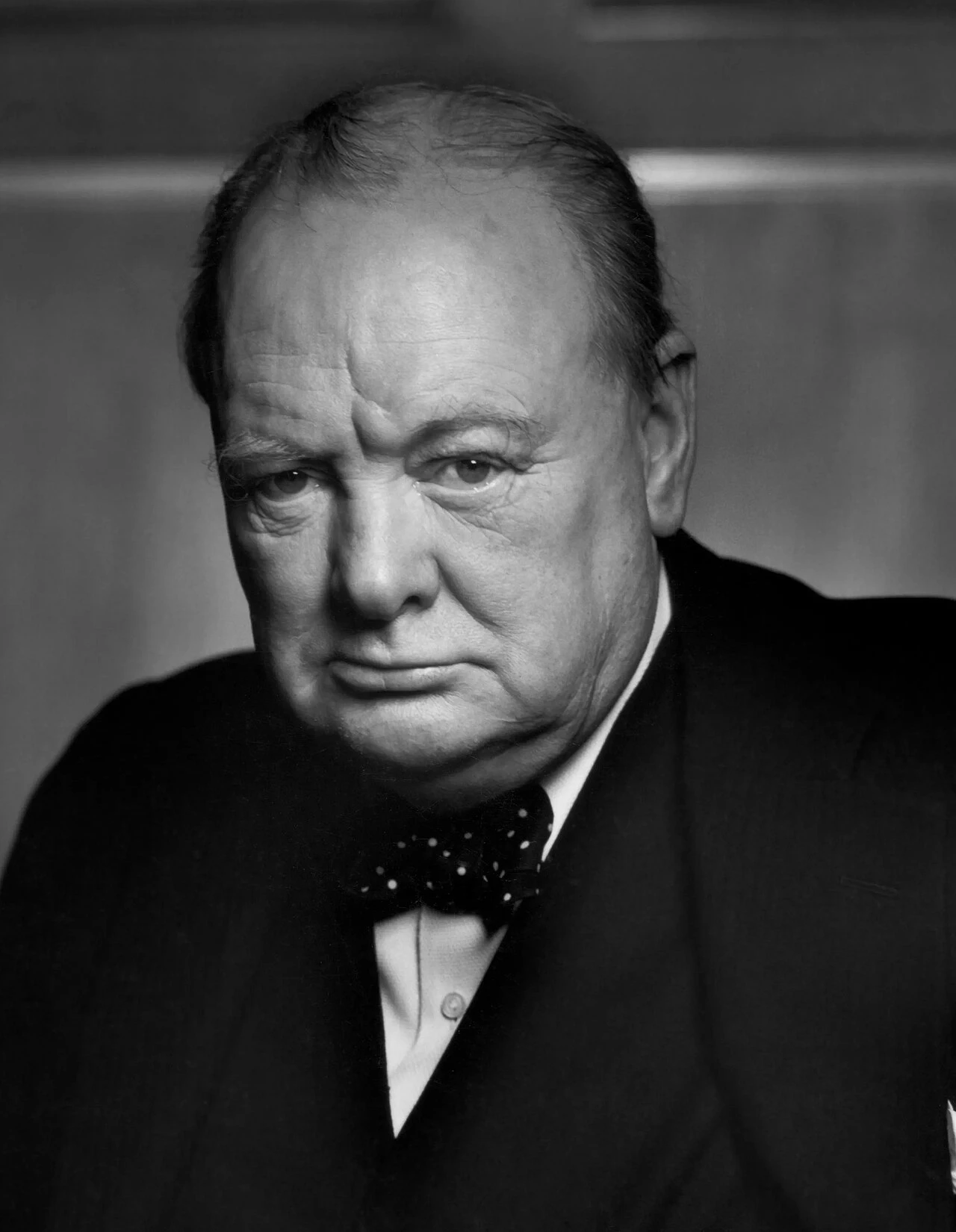
Mining the Rhine — Operation Royal Marine
Reynaud — Matignon 21 March
Reynaud or Pétain — Carry On or the Armistice
Brussels, September 1939: a small country's tightrope walk
Leopold III takes command
The Capitulation of 28 May
The War Cabinet — Negotiate or Carry On
War council — leave central Norway?
The Supreme Allied Council faces Finland
Dunkirk: should the French be saved alongside the British?
Mining the Rhine — Operation Royal Marine
Reynaud — Matignon 21 March