
Narvik — the Allied withdrawal
While Dynamo unfolded in the Channel, a paradox was taking shape in Arctic Norway: the Allies were winning at Narvik. On 28 May 1940, after seven weeks of fighting, the Allied Expeditionary Corps under General — French chasseurs alpins, the Polish , British units and the Norwegian 1st Division under Fleischer — captured Narvik. Dietl fell back into the mountains toward neutral Sweden, encircled.
It was the first Allied victory of any scale in the war. In theory Narvik would have allowed the Allies to cut off the Swedish iron ore and threaten the German position in the north. But simultaneously the French front was collapsing. On 28 May Leopold III capitulated. On 4 June, Dynamo ended. On 5 June Hitler launched Fall Rot — the final assault on France. The Allied position in Norway became strategically untenable: without France, the defence of Norway no longer made sense.
The British War Cabinet had to decide within days the fate of the Allies' most recent victory.
Should the War Cabinet hold Narvik or evacuate?
The War Cabinet ordered C on 2 June 1940. From 4 to 8 June 1940, the Allied evacuation of Narvik lifted 25,000 soldiers (British, Polish, French, Norwegian), abandoning equipment, with port installations sabotaged (set ablaze with dynamite). King and the Nygaardsvold government embarked at Tromso on 7 June aboard HMS Devonshire. They reached London on 10 June. During the evacuation, on 8 June 1940 at 16:00, the German battlecruisers Scharnhorst and Gneisenau (which had sailed from Kiel on 4 June) fell upon the aircraft carrier HMS Glorious in escort. The action was at close range; Glorious was sunk in 90 minutes — 1,519 British dead, including her pilots and two entire RAF fighter squadrons (Nos. 263 and 46). It was the greatest single British naval loss of the war up to that point, and would remain the Royal Navy's greatest single loss of the conflict. The Norwegian campaign (9 April - 10 June 1940) ended in Allied strategic defeat, but with attrition on the Kriegsmarine (10 destroyers, 3 cruisers, 1 battleship damaged) that would prove irrecoverable. Norway remained occupied for five years. Dietl became a figure of the Nazi imagination. Bethouart returned to combat in France (June 1940) and then in North Africa (1942).
Learn more about this event
Related polls
10
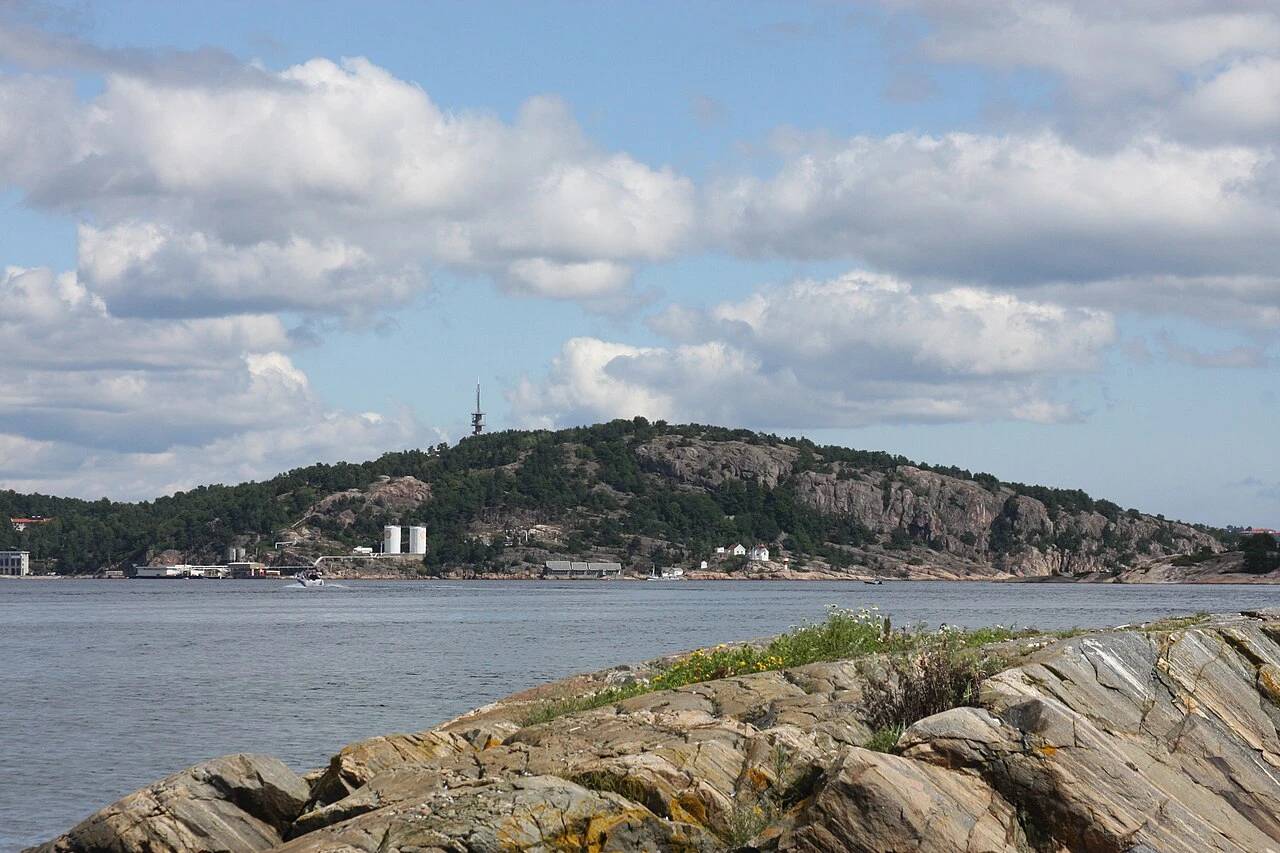
Odderoya — an identity in the mist
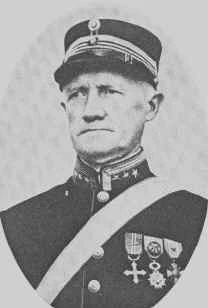
Oscarsborg — the intruder in the Oslofjord
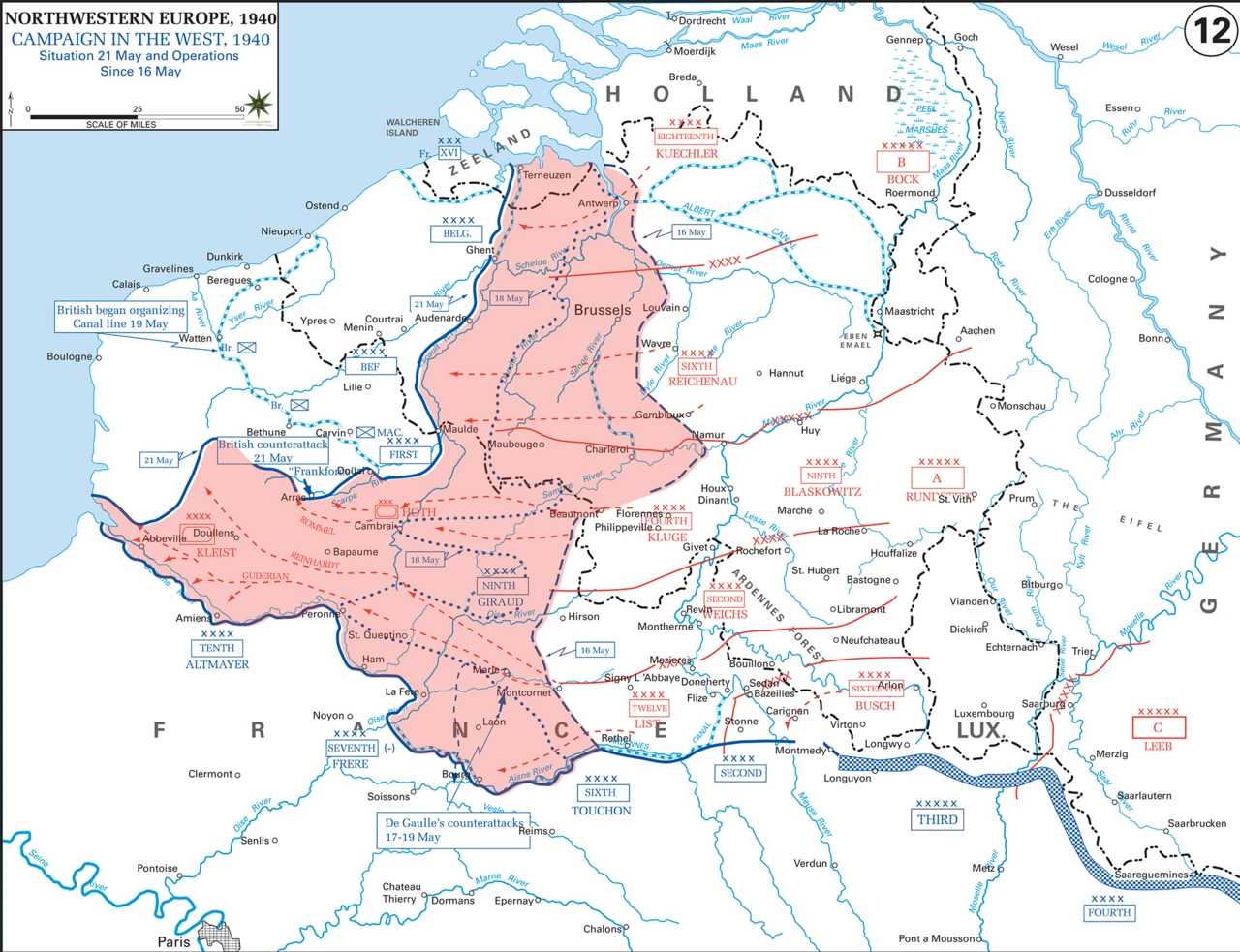
Boulogne — Fox-Pitt and the Guards facing the port
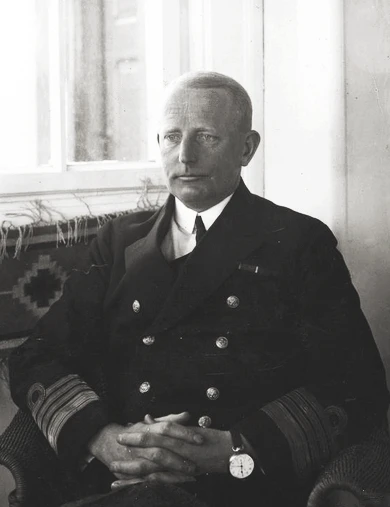
Hel — Unrug faces the German envoy
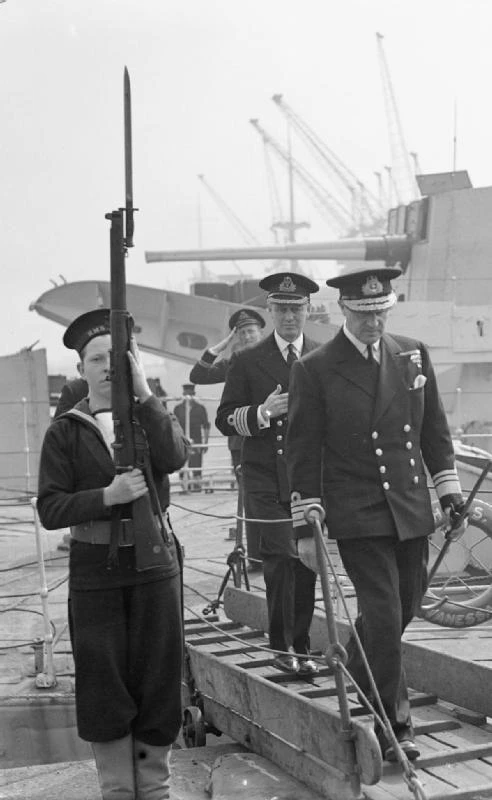
Narvik — too senior an admiral
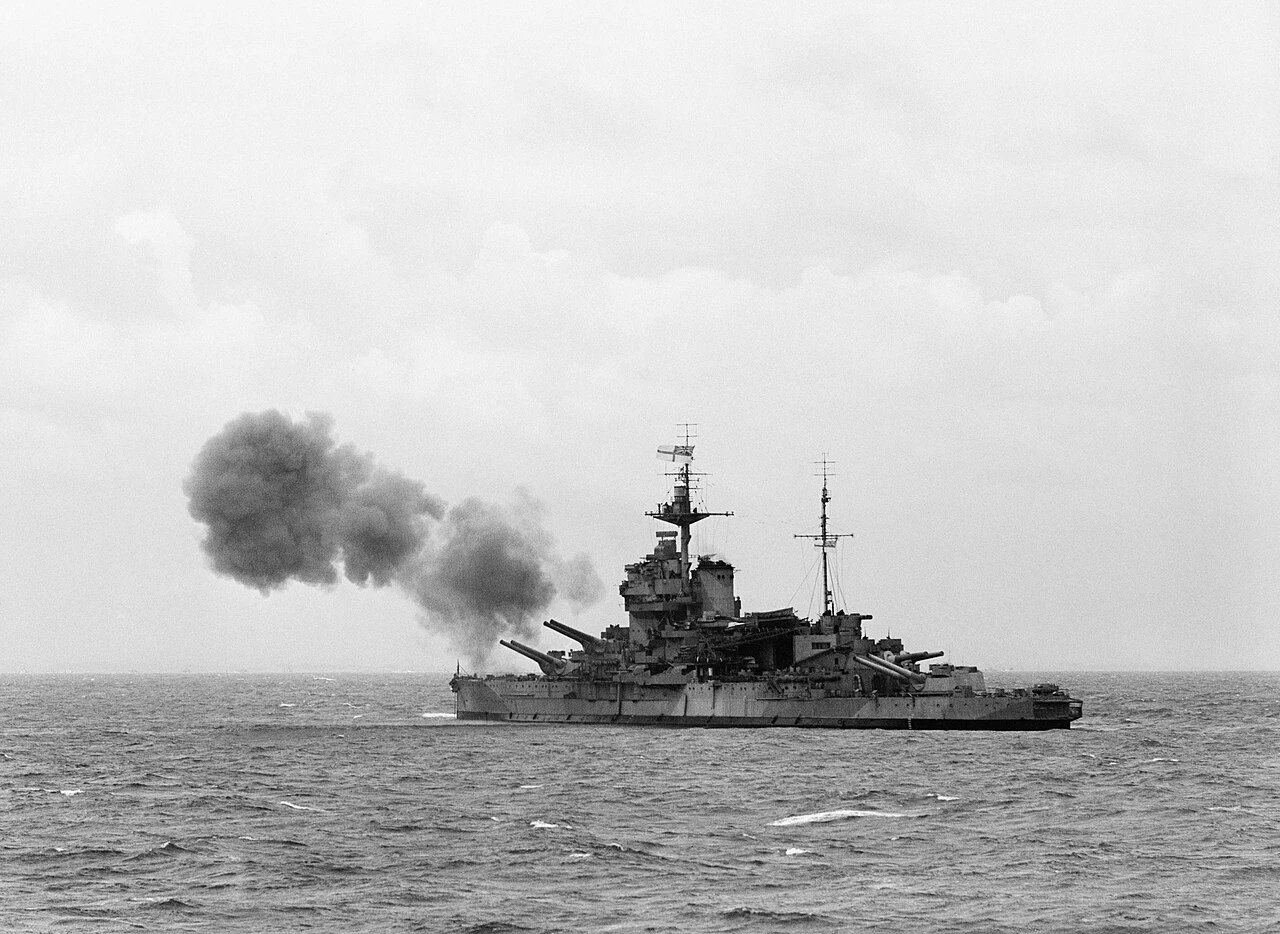
Whitworth and the Warspite — 13 April
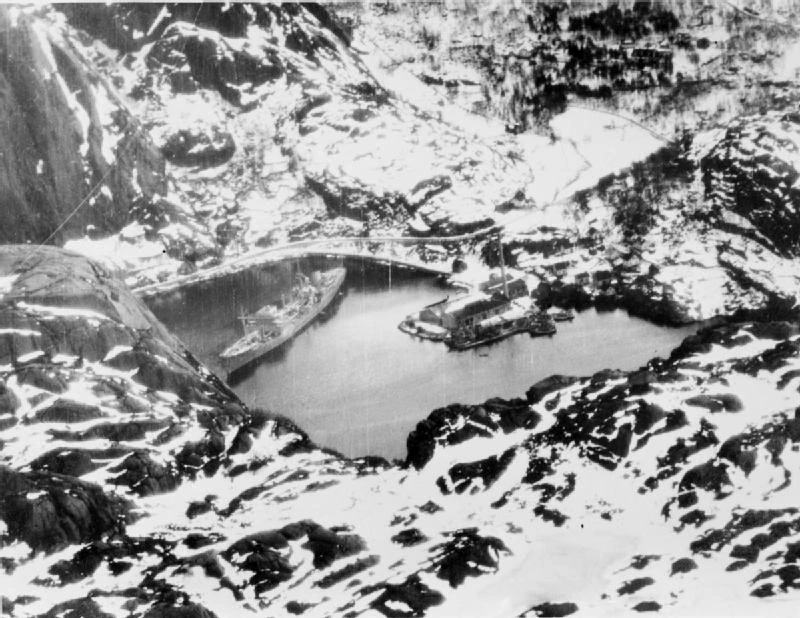
The Altmark affair
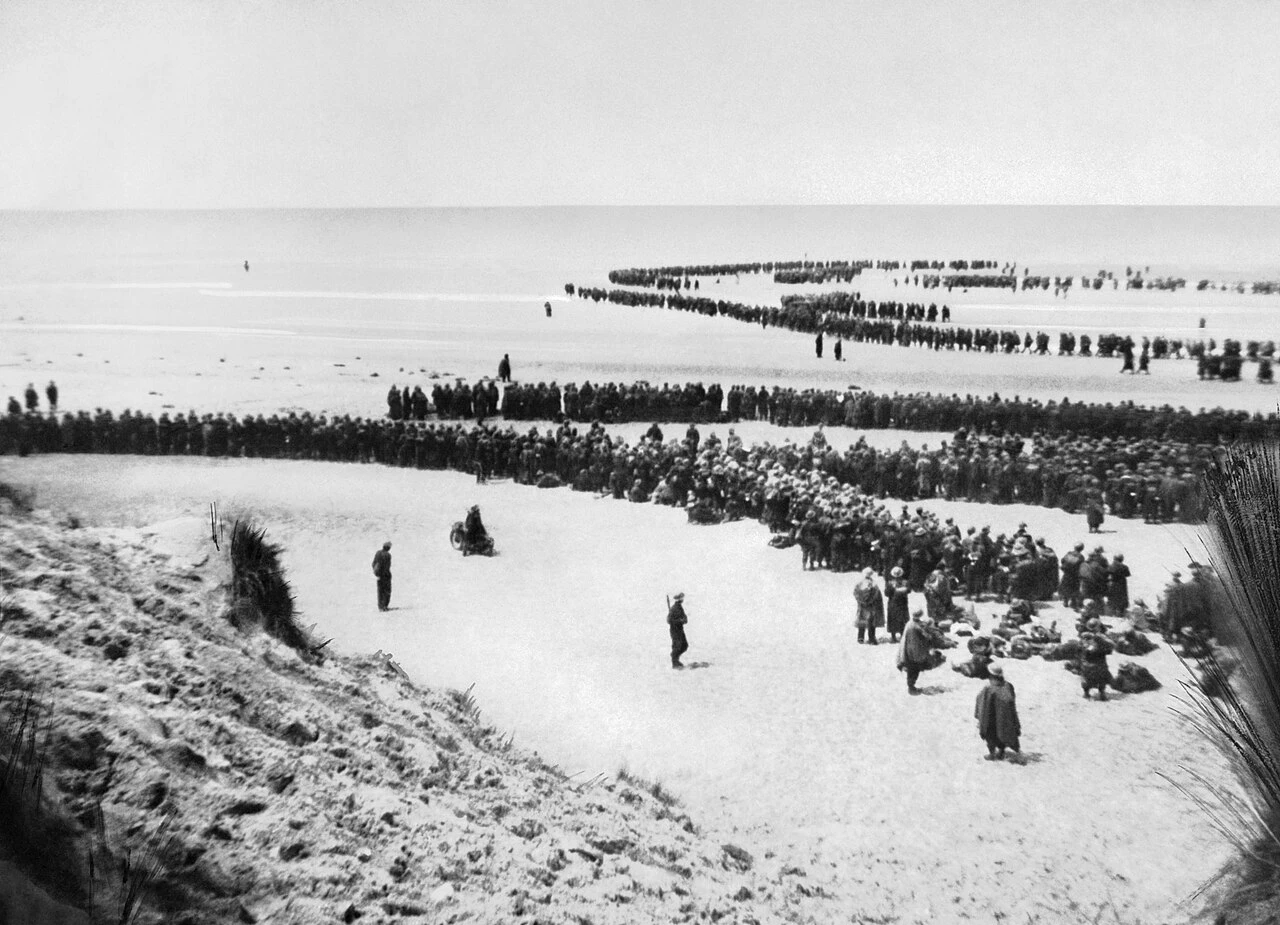
The French Rearguard at Dunkirk
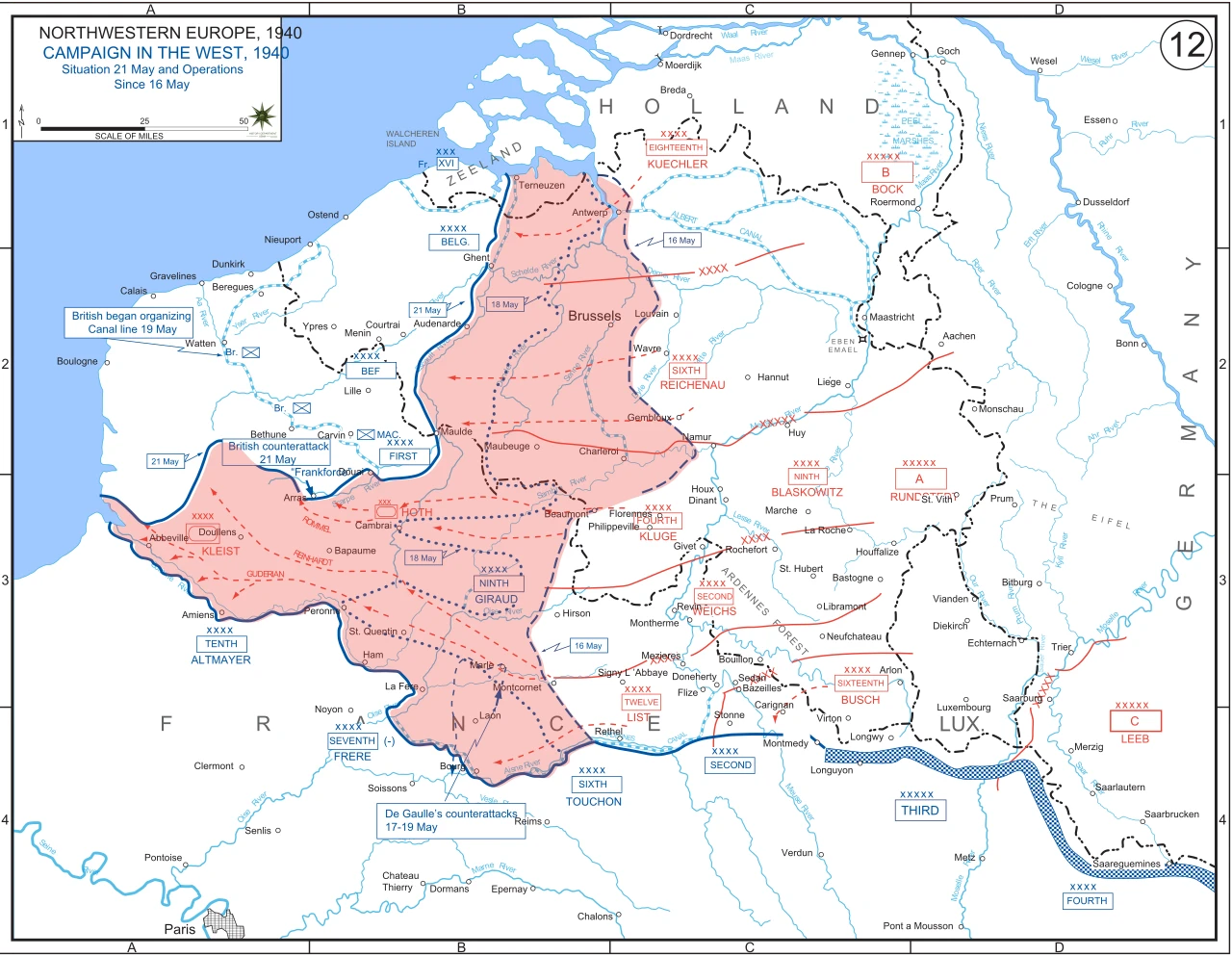
The Battle of the Lys
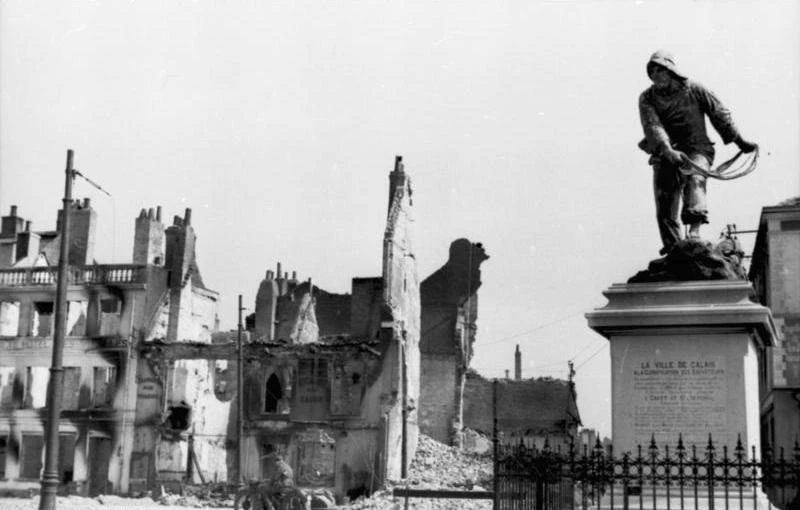
Calais — Nicholson facing the ultimatum
Odderoya — an identity in the mist
Oscarsborg — the intruder in the Oslofjord
Boulogne — Fox-Pitt and the Guards facing the port
Hel — Unrug faces the German envoy
Narvik — too senior an admiral
Whitworth and the Warspite — 13 April
The Altmark affair
The French Rearguard at Dunkirk
The Battle of the Lys