
In Tokyo, , a respected German journalist and a familiar of the Reich embassy, was in reality one of the most effective Soviet intelligence agents of the war. His double position — confidant of the German ambassador and animator of a network penetrating Japanese governing circles — gave him access to first-rank secrets on the intentions of the two Axis powers in the Far East.
In the spring of 1941, the indications of an imminent German attack on the USSR piled up on his desk: confidences from diplomats, troop movements, dates being circulated. But Stalin, distrustful of anything that might be a British provocation aimed at setting him at odds with Hitler, stubbornly ignored the alerts reaching him — as he did those of other sources.
Sorge faced an agent's choice: to hammer home to Moscow the danger of a German attack, at the risk of being taken for an alarmist and burned; to concentrate instead his network on the question vital to the USSR — would Japan attack Soviet Siberia? — ; or to put the network into sleep mode out of caution, his cover growing fragile.
Where should Sorge focus his network's effort in the spring of 1941?
Sorge pursued A, transmitting increasingly precise warnings of the German invasion — in vain, Stalin paying them no heed until 22 June. But it was through C that he would render his greatest service: in the autumn of 1941, his network established with certainty that Japan, having chosen to attack southward (the European colonies and the United States), would not attack the USSR in Siberia. This information enabled Stalin to transfer seasoned Siberian divisions to Moscow, helping to save the capital during the counter-offensive of December 1941. Sorge was arrested by the Japanese police in October 1941 and executed in 1944. His case remains the archetype of decisive intelligence that political distrust at first left without follow-up.
Learn more about this event
Related polls
10
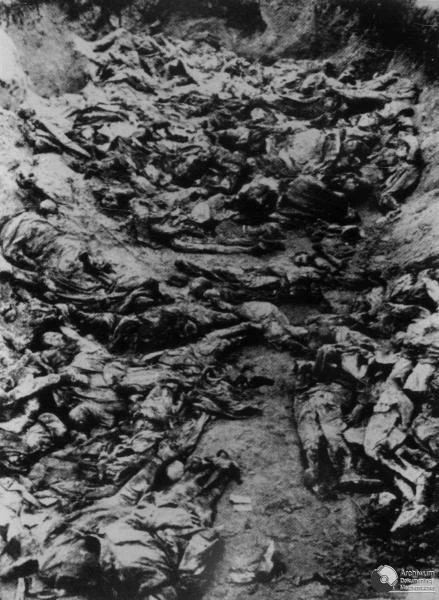
Beria — the NKVD ordinance of 19 September
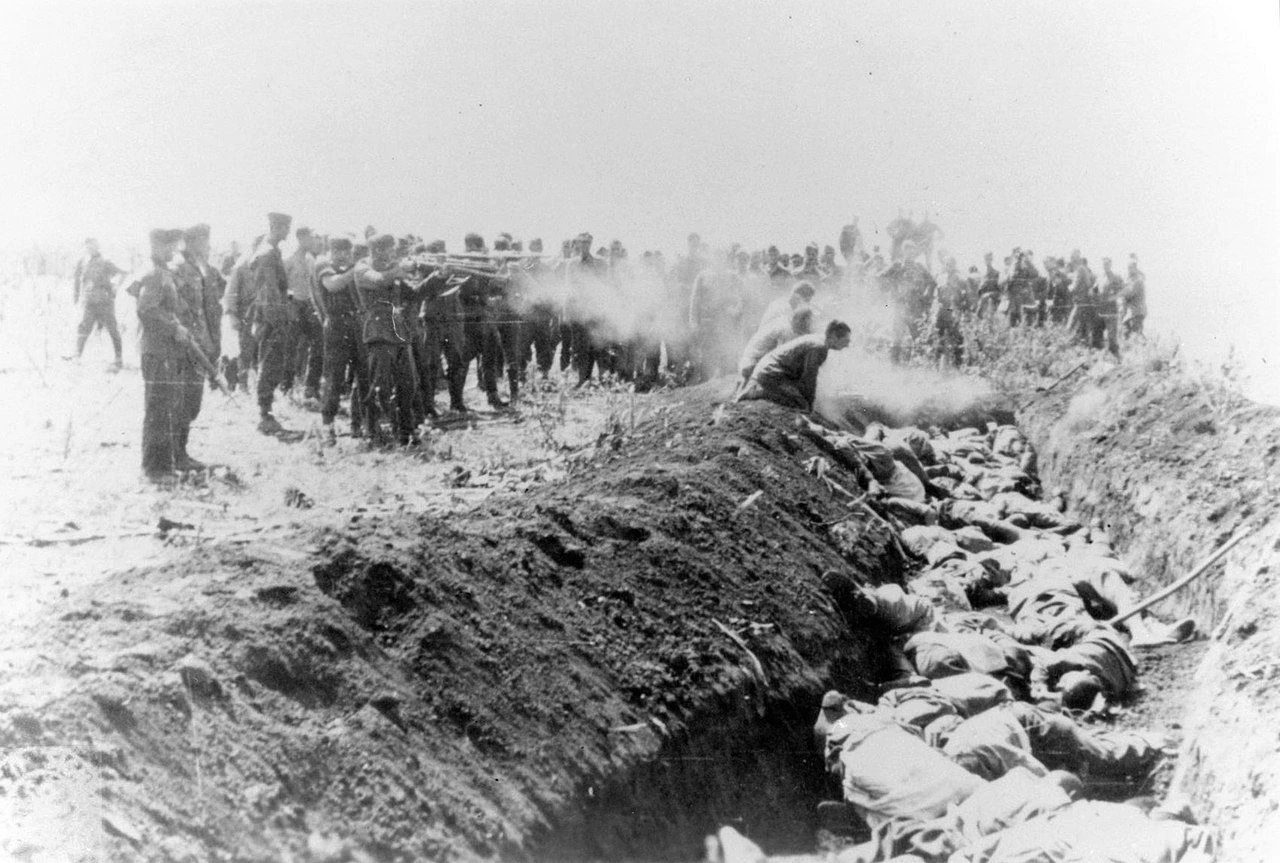
Heydrich — the Conference of 21 September

Mechelen — Reinberger, 10 January 11:30
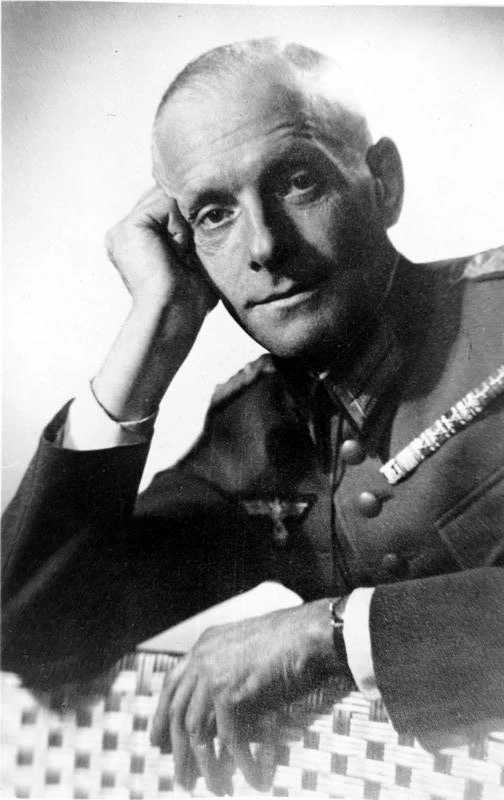
Oster picks up the telephone
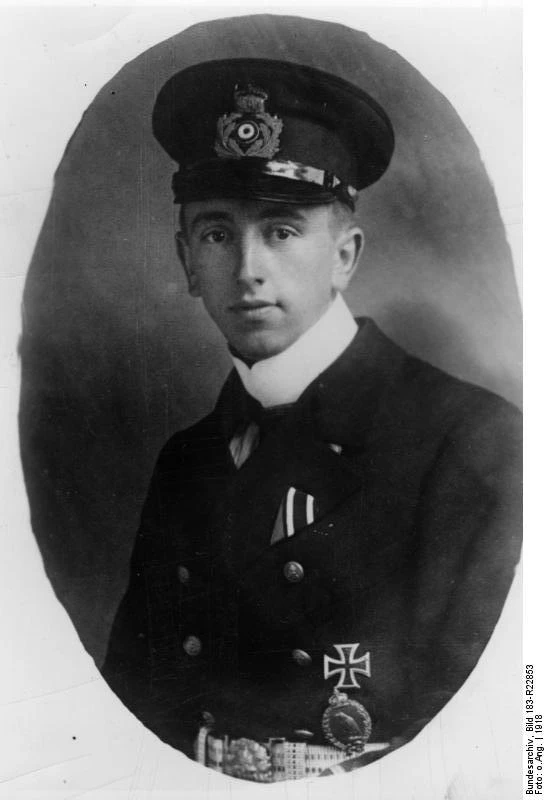
Osterkamp dares to contradict Göring
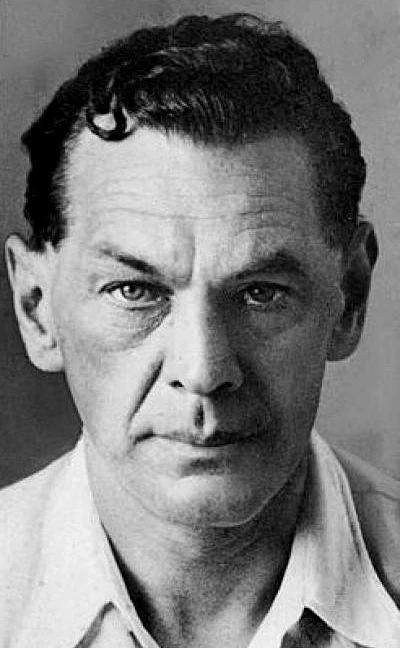
Sorge in Tokyo: The Net Tightens
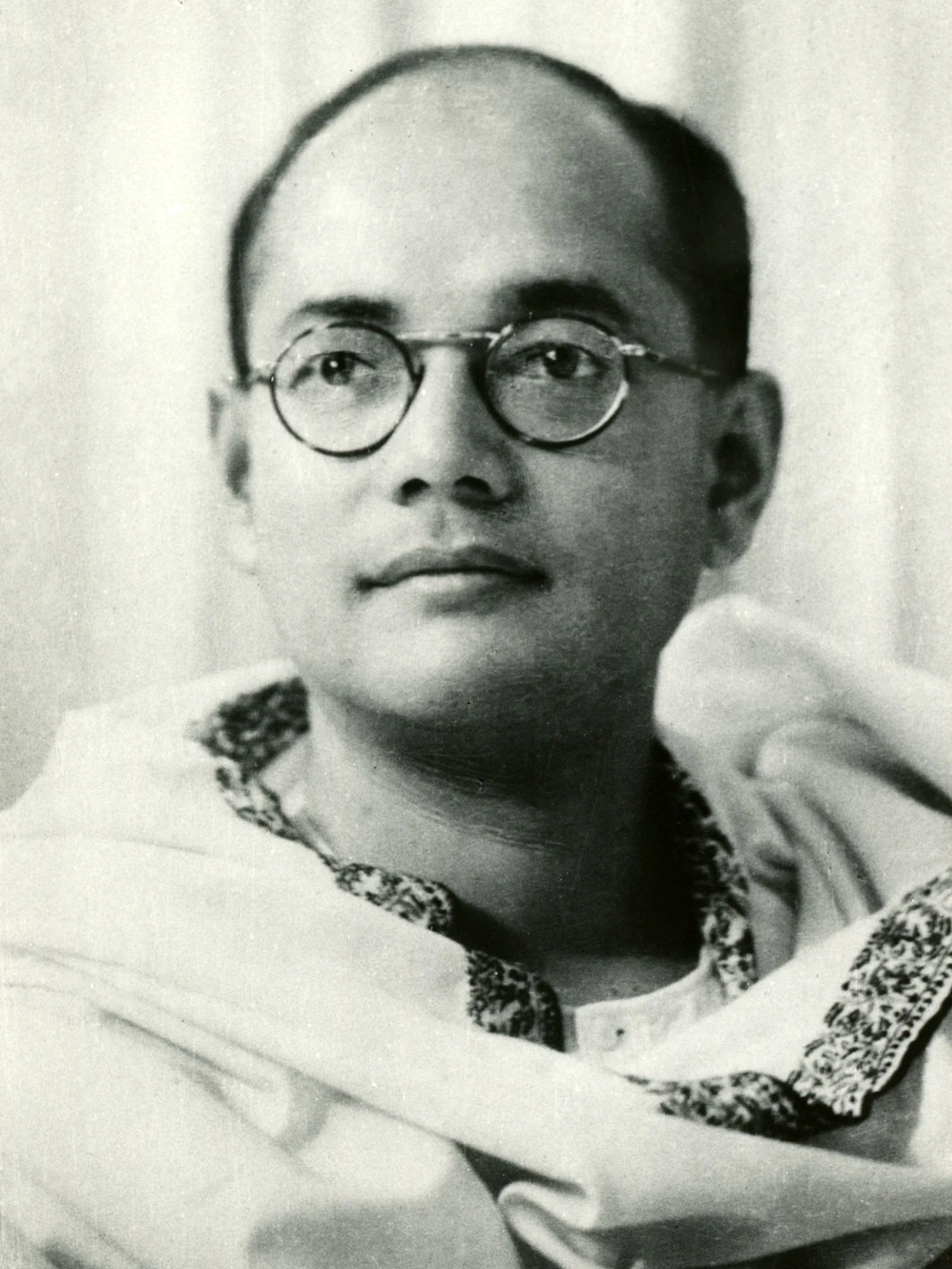
The Indische Legion — Subhas Chandra Bose in Berlin
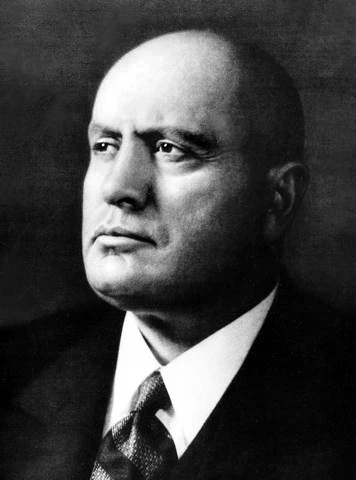
Mussolini in the winter of debacle
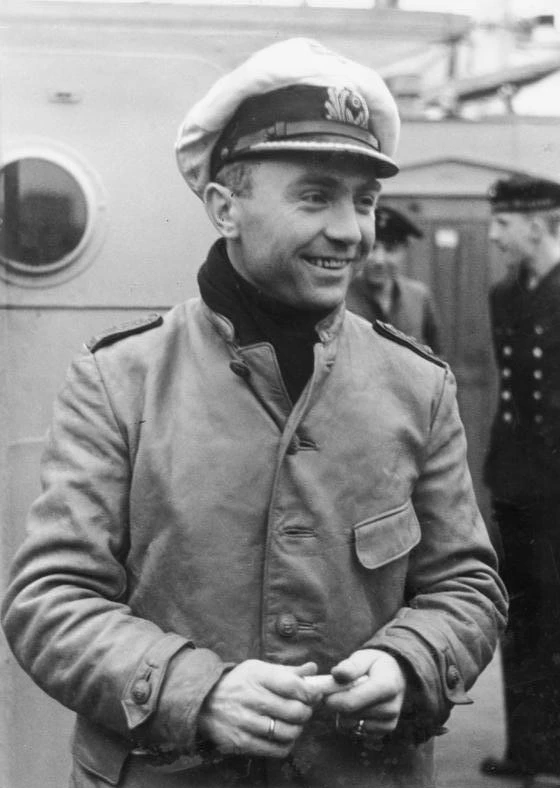
'Where is Prien?' — the fate of a hero
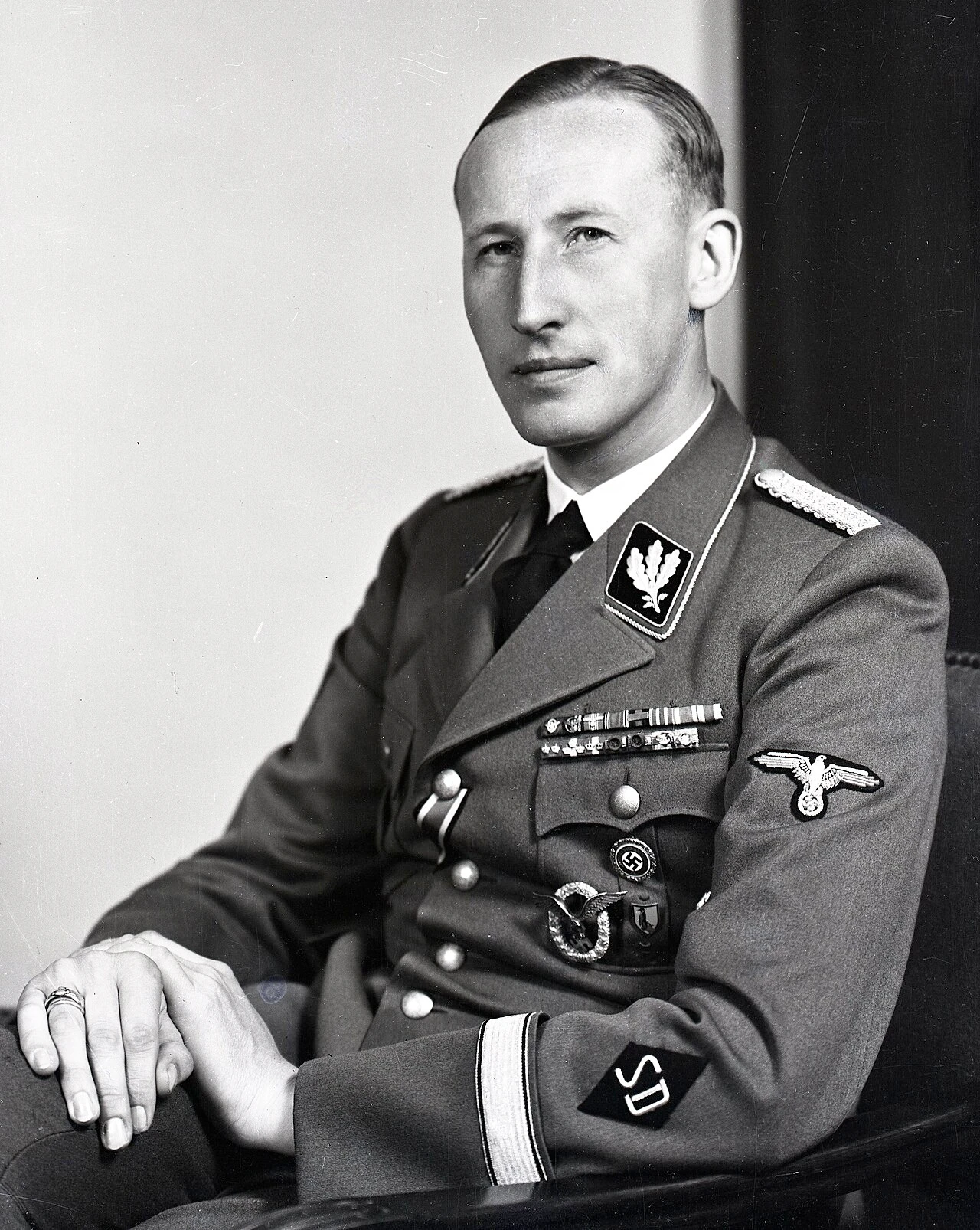
Heydrich's mandate
Beria — the NKVD ordinance of 19 September
Heydrich — the Conference of 21 September
Mechelen — Reinberger, 10 January 11:30
Oster picks up the telephone
Osterkamp dares to contradict Göring
Sorge in Tokyo: The Net Tightens
The Indische Legion — Subhas Chandra Bose in Berlin
Mussolini in the winter of debacle
'Where is Prien?' — the fate of a hero