
Clandestine teaching in the Warsaw Ghetto
In the autumn of 1941, the Warsaw Ghetto is the demographic hell of occupied Europe. Sealed in November 1940, it confines nearly 460,000 Jews on about 3.4 km². The official ration falls to a derisory level: barely 1,100 to 1,200 calories a day, against more than 2,600 for a German. From the summer of 1941, more than 5,000 people die each month of hunger and typhus; between 1940 and mid-1942, around 83,000 die from famine and disease.
The question of schooling is inseparable from this catastrophe. After closing the Jewish schools, the occupier authorises in September 1941 the Judenrat (Jewish Council chaired by ) to open some sixteen primary schools. But this legal teaching remains marginal and short-lived: children aged ten and over are seized for forced labour. The bulk of education therefore takes place clandestinely, through the network of komplety: small groups of six to twenty pupils gathered in apartments or in soup kitchens funded by the American Joint (JDC) and CENTOS. The diarist embodies this trapped world of teachers.
For these teachers, holding classes is an existential choice: to continue is to risk deportation, but it offers the children a structure and a reason to hold on.
Faced with the ban and with famine, what do the Jewish teachers of the ghetto do for their pupils?
In their great majority, the Jewish teachers of Warsaw maintained clandestine teaching through the network of komplety, regarded as a form of spiritual resistance. Hundreds of small groups of pupils were operating in 1941, often concealed behind soup kitchens and children's welfare organisations funded by the Joint and CENTOS. This teaching did not save bodies: from the summer of 1942, the great deportation to Treblinka annihilated almost the entire population of the ghetto, children and teachers alike, including the diarist . But it preserved, to the very end, an intellectual life and a dignity that the Nazis sought to destroy.
Learn more about this event
Related polls
10
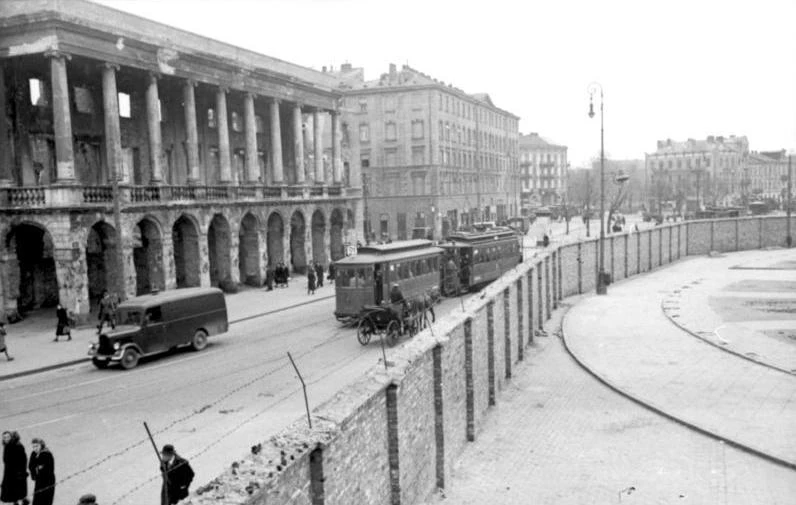
Studying in the Warsaw Ghetto
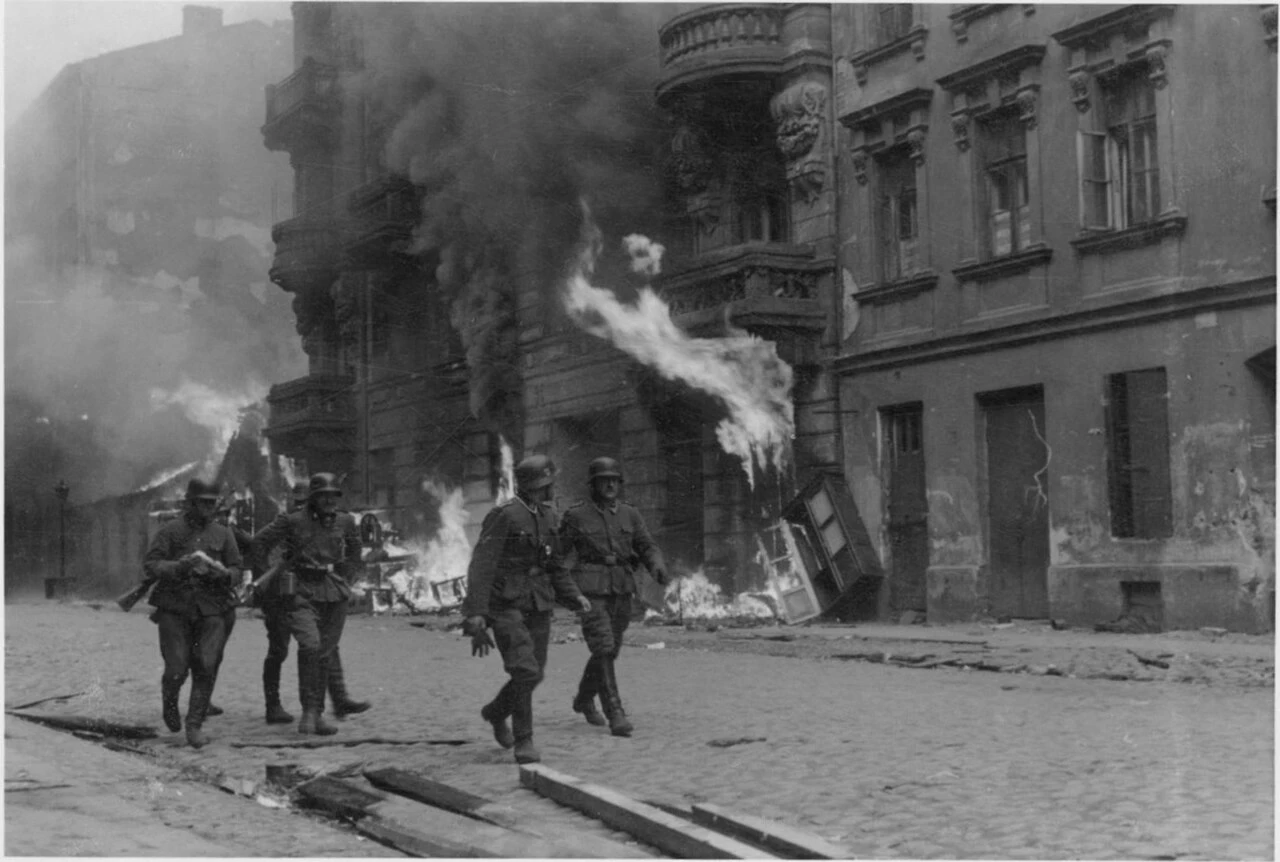
The Jewish Schoolteacher of Kazimierz
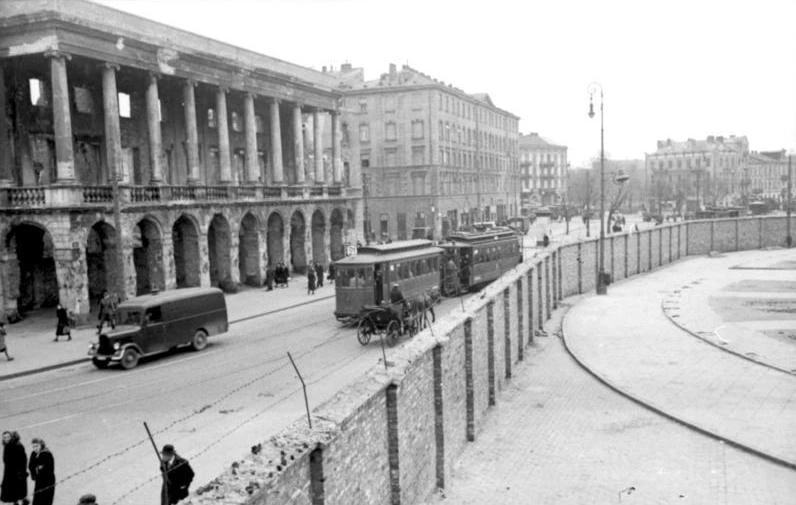
The Warsaw Ghetto — the temptation of informing
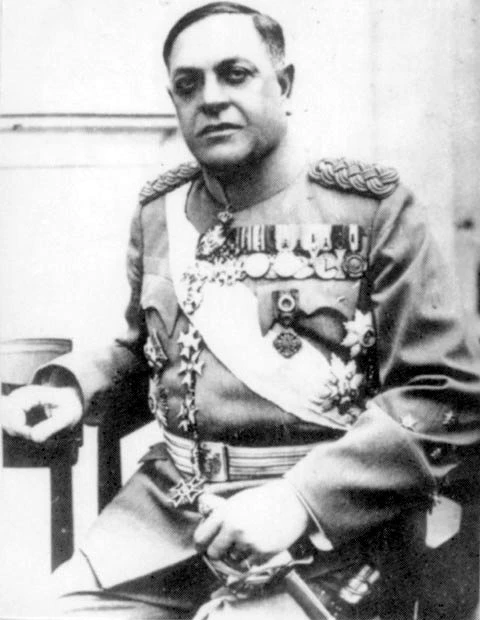
The Belgrade schoolteacher under the occupation
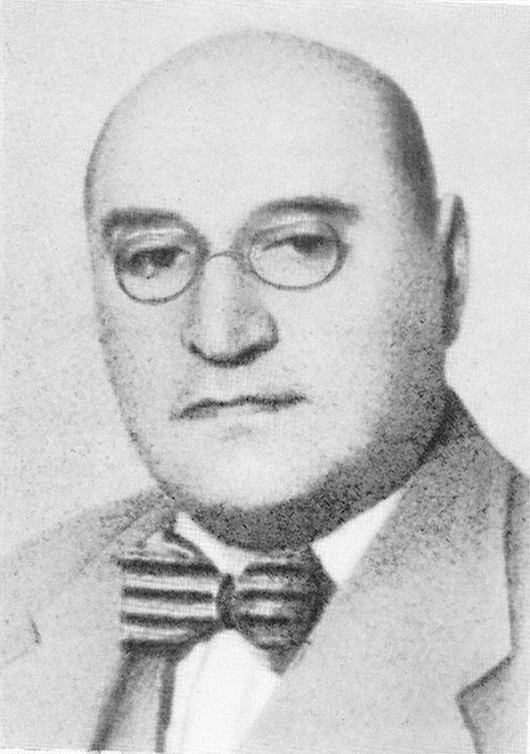
Czerniaków — the offer of the Judenrat
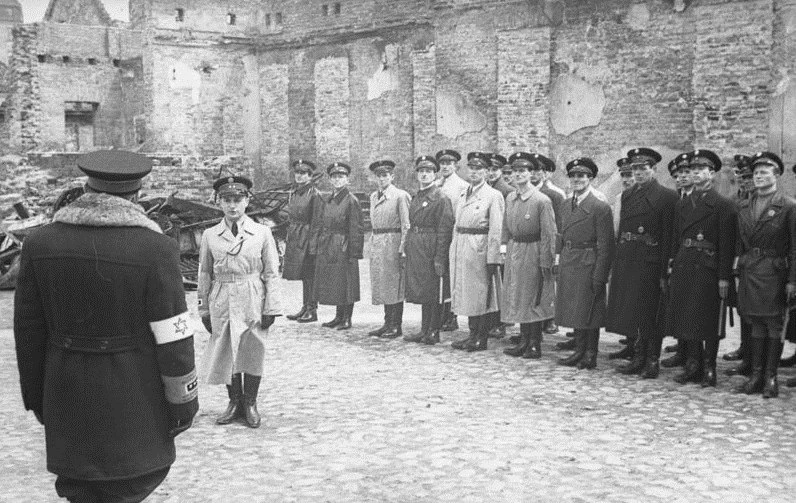
Czerniaków — the Warsaw ghetto sealed
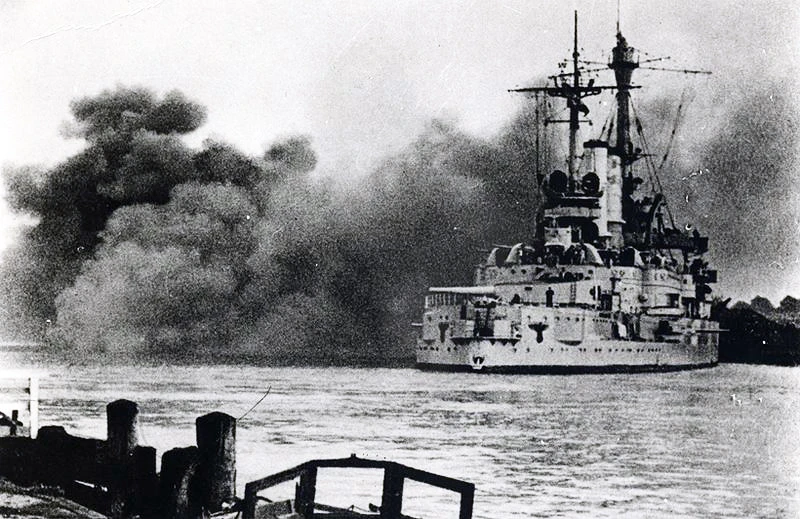
Danzig, September 1939 — the policeman of the Free City
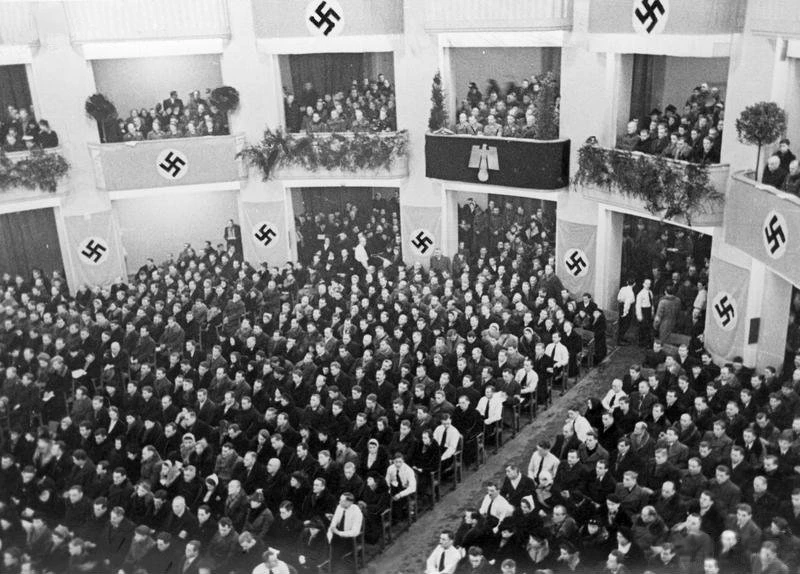
The Deutsche Volksliste — sign, or stay Polish
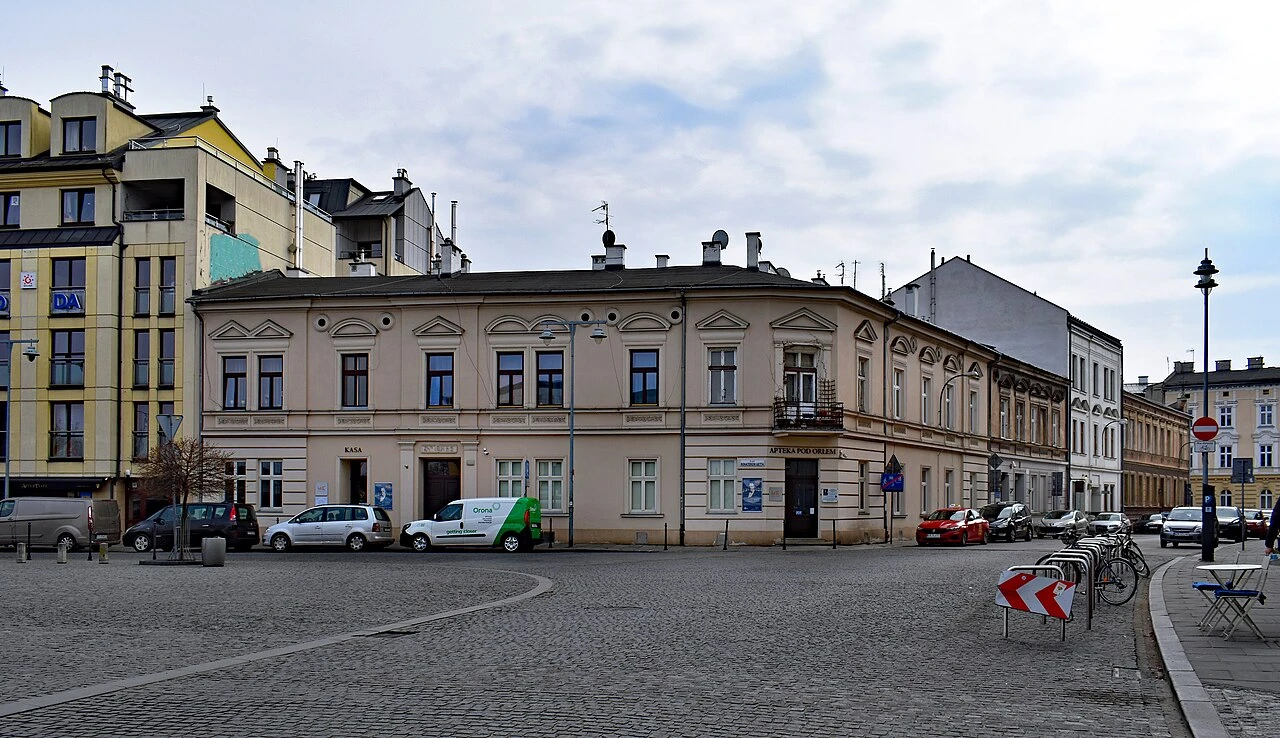
The apothecary of the Kraków Ghetto
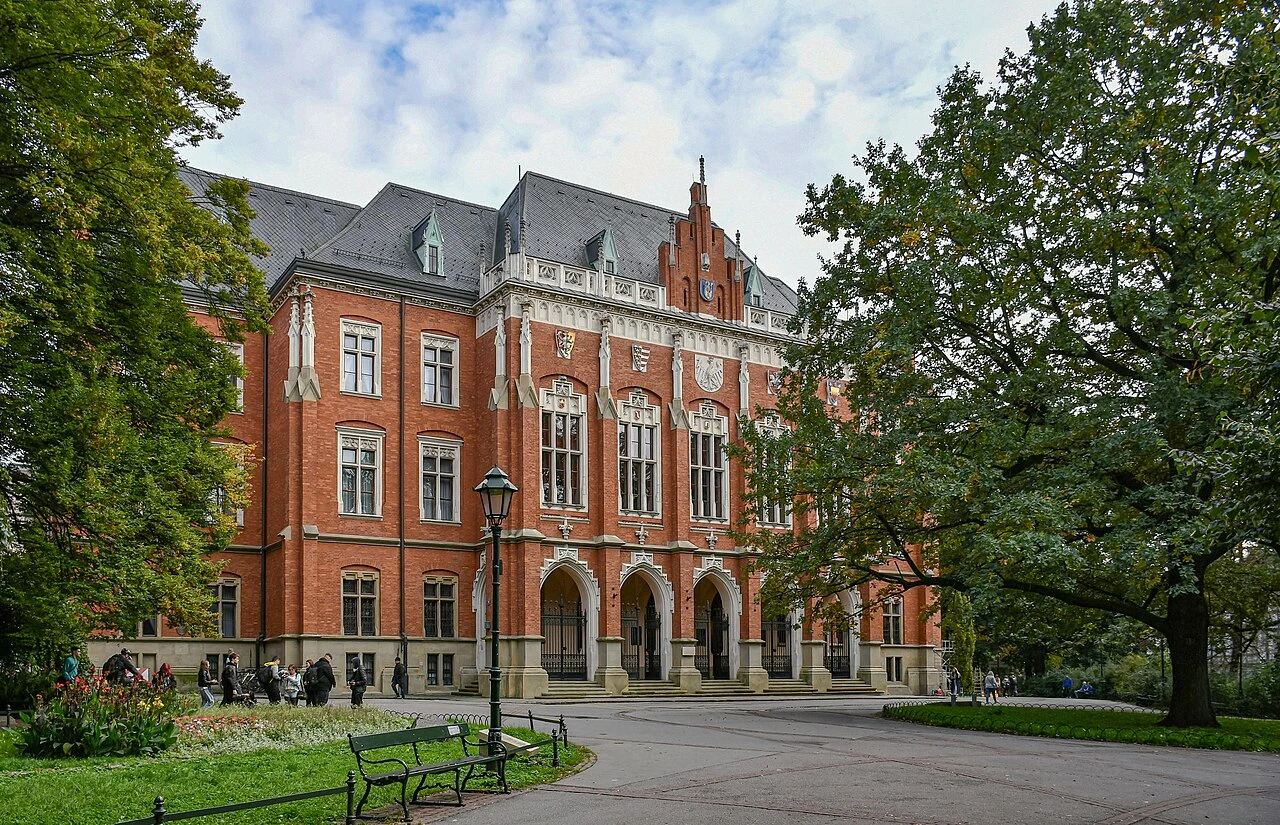
The Kraków Student After the Sonderaktion Krakau
Studying in the Warsaw Ghetto
The Jewish Schoolteacher of Kazimierz
The Warsaw Ghetto — the temptation of informing
The Belgrade schoolteacher under the occupation
Czerniaków — the offer of the Judenrat
Czerniaków — the Warsaw ghetto sealed
Danzig, September 1939 — the policeman of the Free City
The Deutsche Volksliste — sign, or stay Polish
The apothecary of the Kraków Ghetto