
The Soviet schoolteacher facing the German advance
On 22 June 1941, the launch of Operation Barbarossa took the Soviet Union by surprise. On the central axis, the armoured forces of Field Marshal von Bock's drove eastward: Guderian's and Hoth's Panzer groups closed in behind Minsk, which fell around 28 June 1941. The Białystok-Minsk pocket cost the hundreds of thousands of prisoners. The Belarusian capital was taken so quickly that the organized evacuation there failed: the population fled in chaos, under the bombing.
This precipitation weighed on the teachers of the border zone. The evacuation of Minsk could not have been directed by the State Defence Committee (GKO), created only on 30 June, after the city's fall. The competent body was the Council for Evacuation, established as early as 24 June 1941. Farther east, as the front receded, the evacuation became massive: from July to November 1941, around 1,523 enterprises were transferred to the Urals, the Volga, and Siberia, along with their personnel. For a teacher, following this flow meant heading to Ufa, Tashkent, or Sverdlovsk.
The dilemma was real: to leave for the unknown, abandoning one's school, or to stay under an occupation whose brutality was as yet unknown.
Faced with the irruption of the Wehrmacht in the summer of 1941, what does a Soviet teacher in the threatened zone most often do?
The documented mass pattern in the summer and autumn of 1941 was evacuation eastward. Where, as in Minsk (fallen around 28 June), the flight was chaotic and often impossible, the inhabitants found themselves trapped under occupation. But wherever time allowed, the Council for Evacuation created on 24 June organized the transfer to the Urals and the Volga of around 1,523 enterprises and millions of people, including countless teachers and their pupils, re-enrolled in school in the rear. The deliberate destruction of schools by isolated teachers was the exception, not the rule.
Learn more about this event
Related polls
10
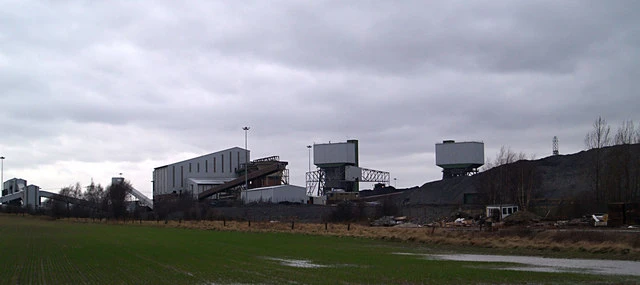
British Coal for the Winter of 1939
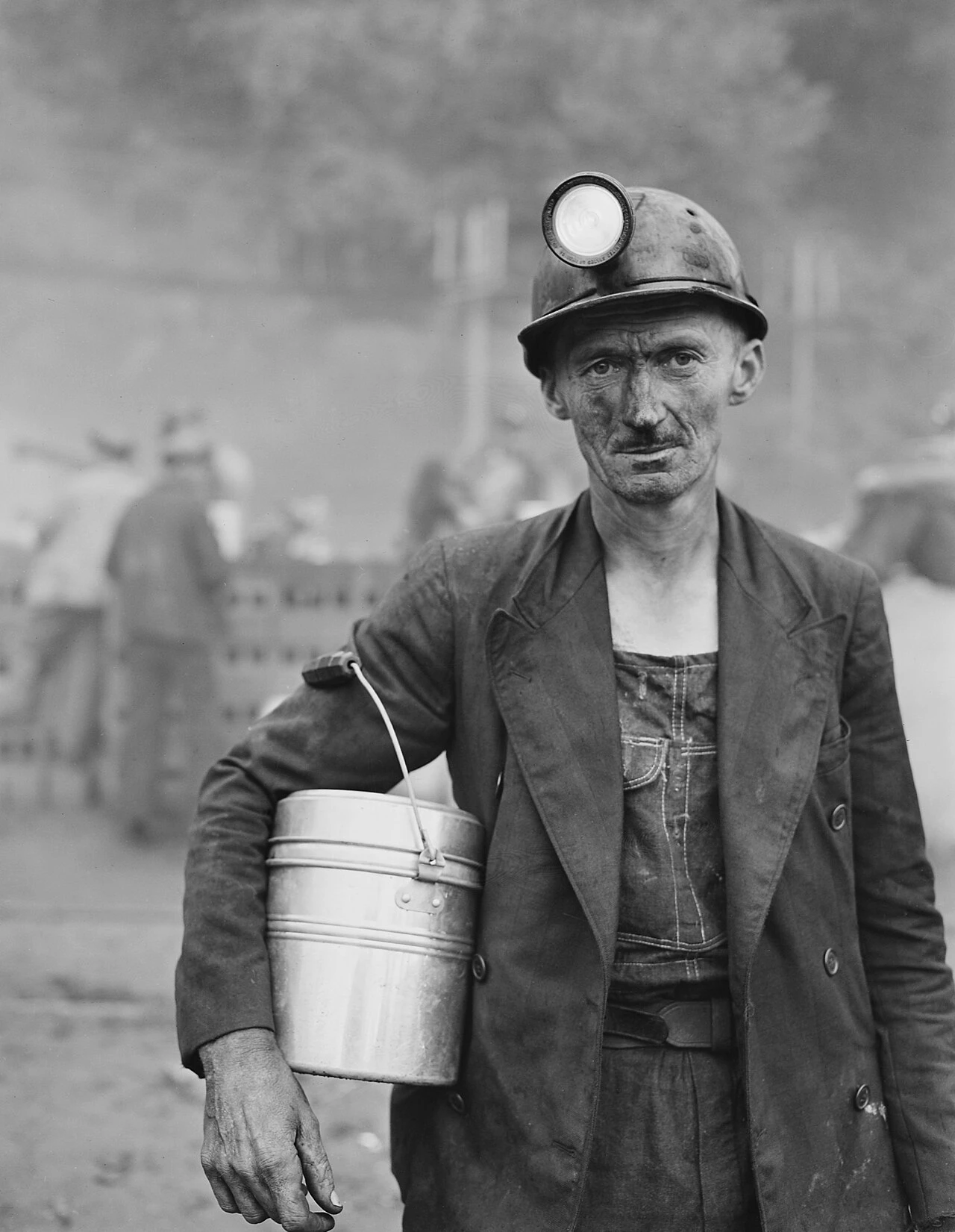
At the Dahomey pit, the morning of team-rate pay
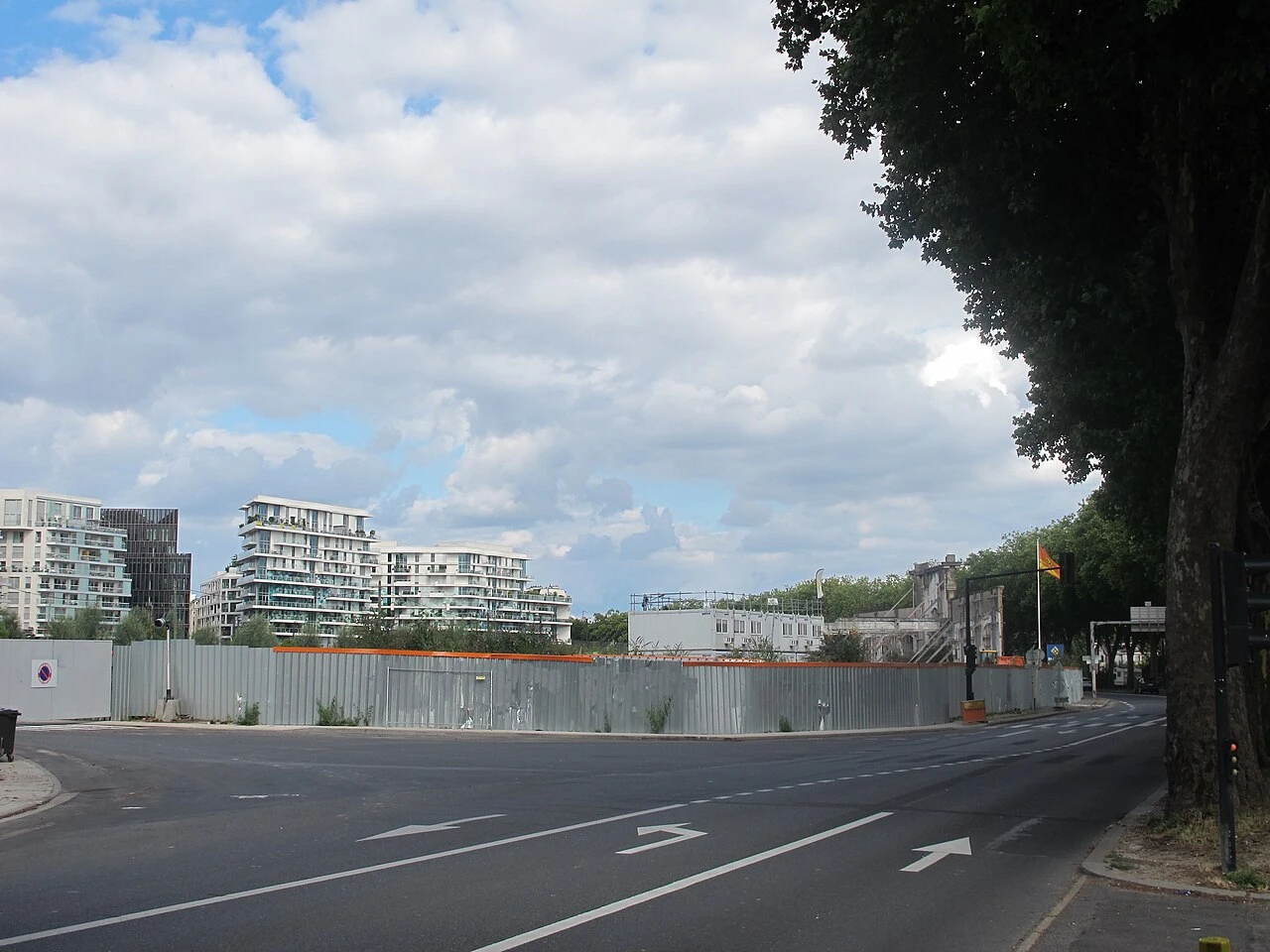
Billancourt Under the Eye of the Occupier
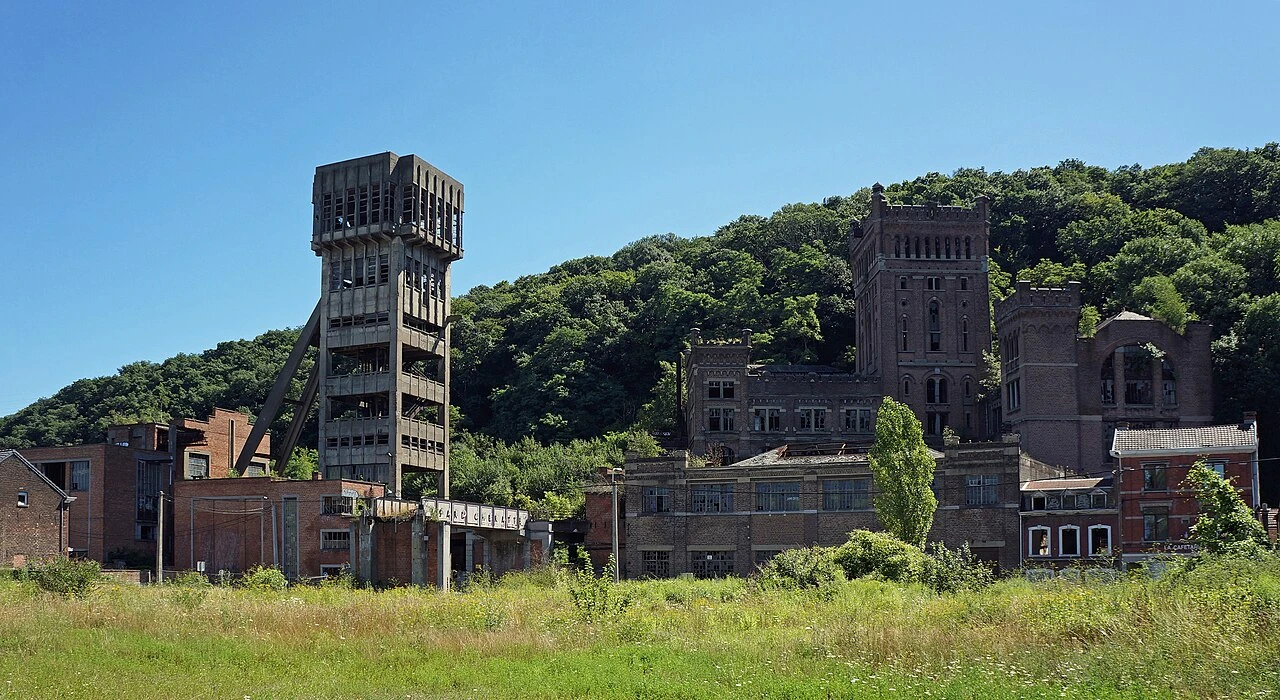
Campine Coal and the Hunger of Year One
British rationing put to the test in 1941
British Clothes Rationing
Spanish Wolfram
Harriman in Moscow, Face to Face with Stalin
The physics student evacuated from Moscow
The Kharkov worker facing the dismantling of the tank factory
British Coal for the Winter of 1939
At the Dahomey pit, the morning of team-rate pay
Billancourt Under the Eye of the Occupier
Campine Coal and the Hunger of Year One
British rationing put to the test in 1941
British Clothes Rationing
Spanish Wolfram
Harriman in Moscow, Face to Face with Stalin
The physics student evacuated from Moscow