
Striking the neighbouring fleet to break the incursions
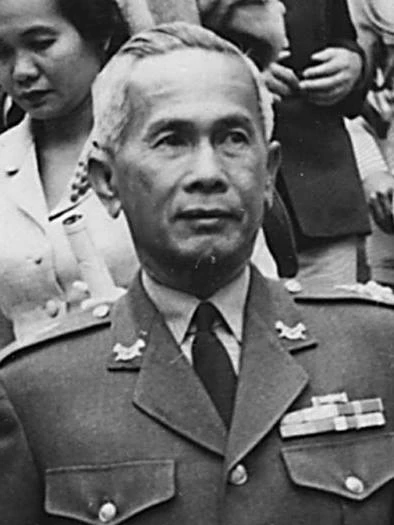
Since October 1940, French Indochina, rallied to the Vichy regime and cut off from the occupied metropole, has been suffering the blows of an emboldened neighbour. The Thailand of Marshal Phibun, encouraged by the French defeat of 1940 and by Japanese pressure, claims frontier territories of Laos and Cambodia and has launched an offensive: this is the Franco-Thai War.
The Governor-General, Admiral , has reduced forces with no possible reinforcement. On land, the Thais, better provided with aircraft and armour, are advancing; the army of Indochina, dispersed, struggles to contain the incursions. But Decoux retains one asset: a small naval squadron around the light cruiser Lamotte-Picquet, clearly superior to the Thai navy.
Intelligence reports that part of the Thai fleet is anchored near the island of Ko Chang, in the Gulf of Thailand. Decoux weighs a pre-emptive strike: to deal a decisive blow at sea to relieve the land front and restore French prestige, betting on the element of surprise. But the operation is risky — waters studded with islands, possible enemy submarines, and the shadow of Japan, which watches for any weakness in order to impose itself as arbiter in the region.
Should Decoux send his squadron to strike the Thai fleet anchored at Ko Chang?
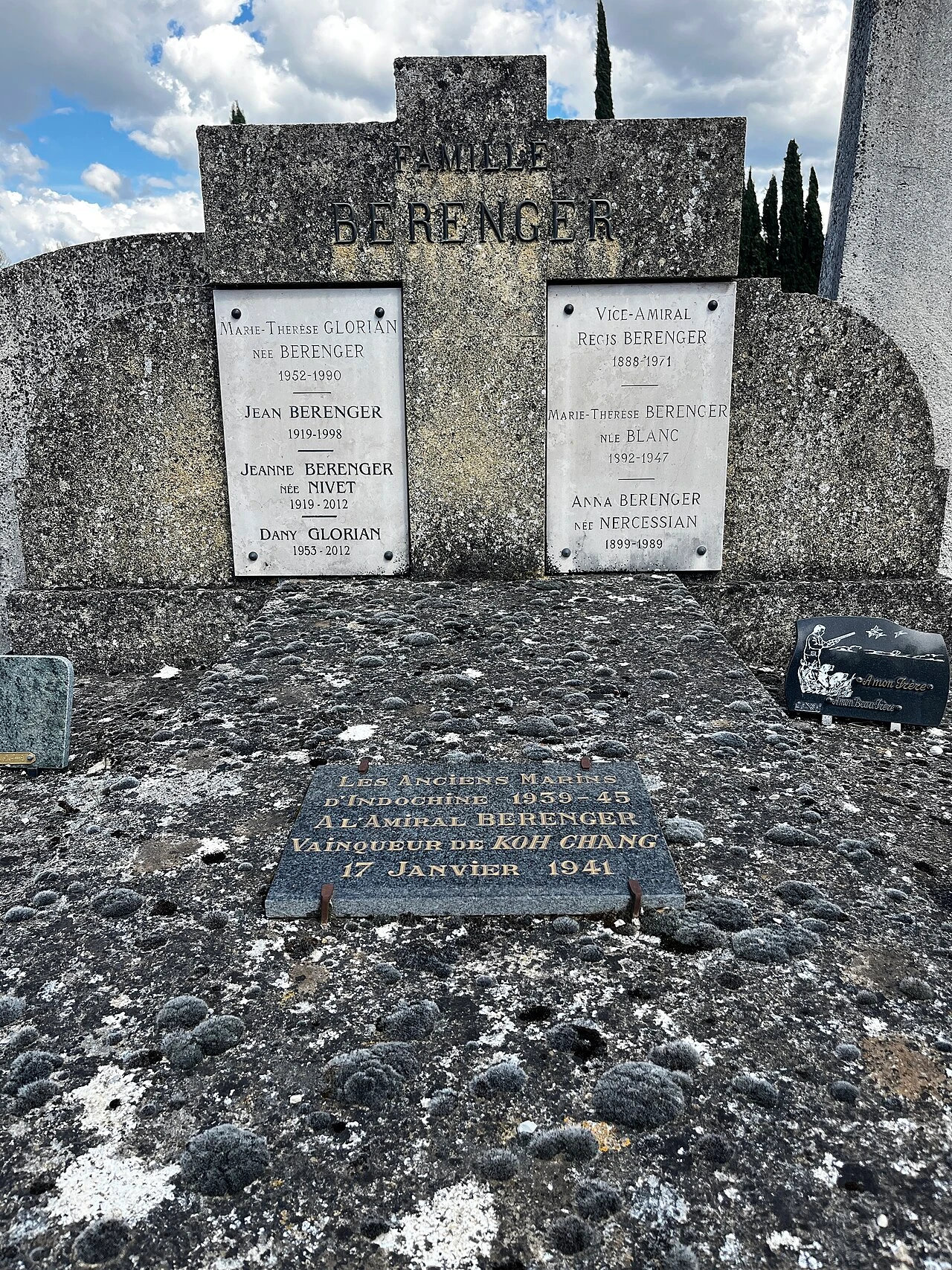
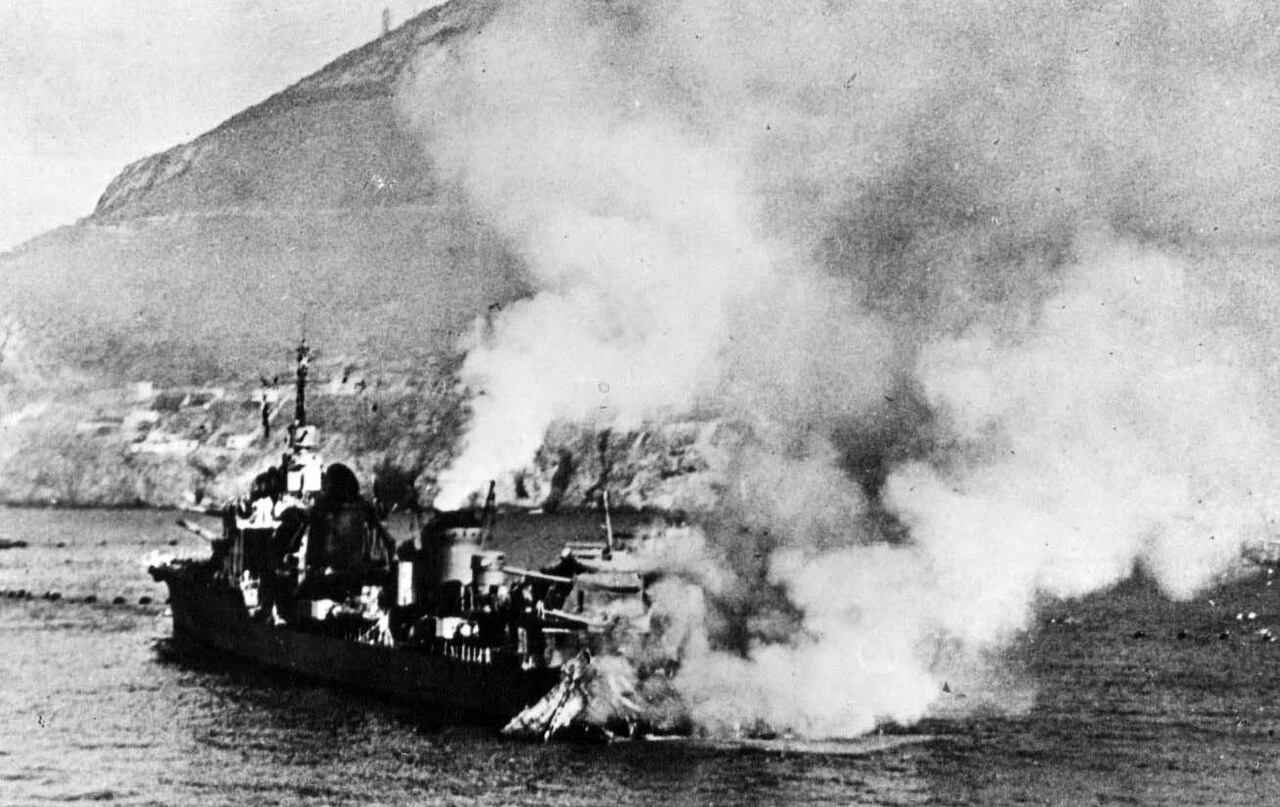
Decoux chooses A: he orders Capitaine de vaisseau , aboard the Lamotte-Picquet and supported by several sloops, to attack. On the morning of 17 January 1941, the French squadron surprises the Thai ships at Ko Chang: the coastal defence ship Thonburi is put out of action and beached, the torpedo boats Songkhla and Chonburi sunk. The French navy wins a clear tactical victory, without losing a single vessel — only eleven killed. But the naval success does not reverse the land war, and above all it triggers what Tokyo was waiting for: Japan imposes its mediation. An armistice is signed on 31 January 1941 aboard the Japanese cruiser Natori, then a treaty in Tokyo in May leaves the contested territories to Thailand. Vichy has won a battle but lost the campaign — and confirmed Japan's growing grip on Indochina.
Learn more about this event
Related polls
10
Koh Chang — the Franco-Thai War
An unescorted convoy in the grey morning
An escort battleship on the convoy's route

Force H — a raid in Italian waters
Dakar — de Gaulle and Operation Menace
Taranto — the night of the Swordfish
Bangkok Eyes the Lost Provinces of the Mekong
Bergen — the Skuas at extreme range
Harwood against the Graf Spee
Mers-el-Kébir
Koh Chang — the Franco-Thai War
An unescorted convoy in the grey morning
An escort battleship on the convoy's route
Force H — a raid in Italian waters
Dakar — de Gaulle and Operation Menace
Taranto — the night of the Swordfish
Bangkok Eyes the Lost Provinces of the Mekong
Bergen — the Skuas at extreme range
Harwood against the Graf Spee