
On 19 July 1940, a few weeks after the fall of France, Congress passes the largest naval expansion act in American history. It increases the fleet's tonnage by nearly 70 percent and authorizes hundreds of warships: battleships, aircraft carriers, cruisers, destroyers and submarines.
The naval staff's reasoning is that a simultaneous war in the Pacific and the Atlantic has become plausible, and that a fleet built for a single ocean would not suffice. What remains is to build, fast and in quantities never seen before.
For , Secretary of the Navy, the stakes are as much industrial as strategic. Public and private yards must absorb an unprecedented order book. Should the effort be concentrated, dispersed, or staked on new methods?
How should the massive orders from the naval act be distributed among the shipyards?
The orders were spread across a wide network of shipyards, mixing Navy yards and private yards throughout the country, so as to maximize the pace and avoid overloading a limited number of sites. This dispersion, combined with the surge in American industrial power, allowed the US Navy to commission a considerable volume of ships during the war; the large Essex-class aircraft carriers ordered under this program became the backbone of the Pacific fleet.
Learn more about this event
Related polls
10
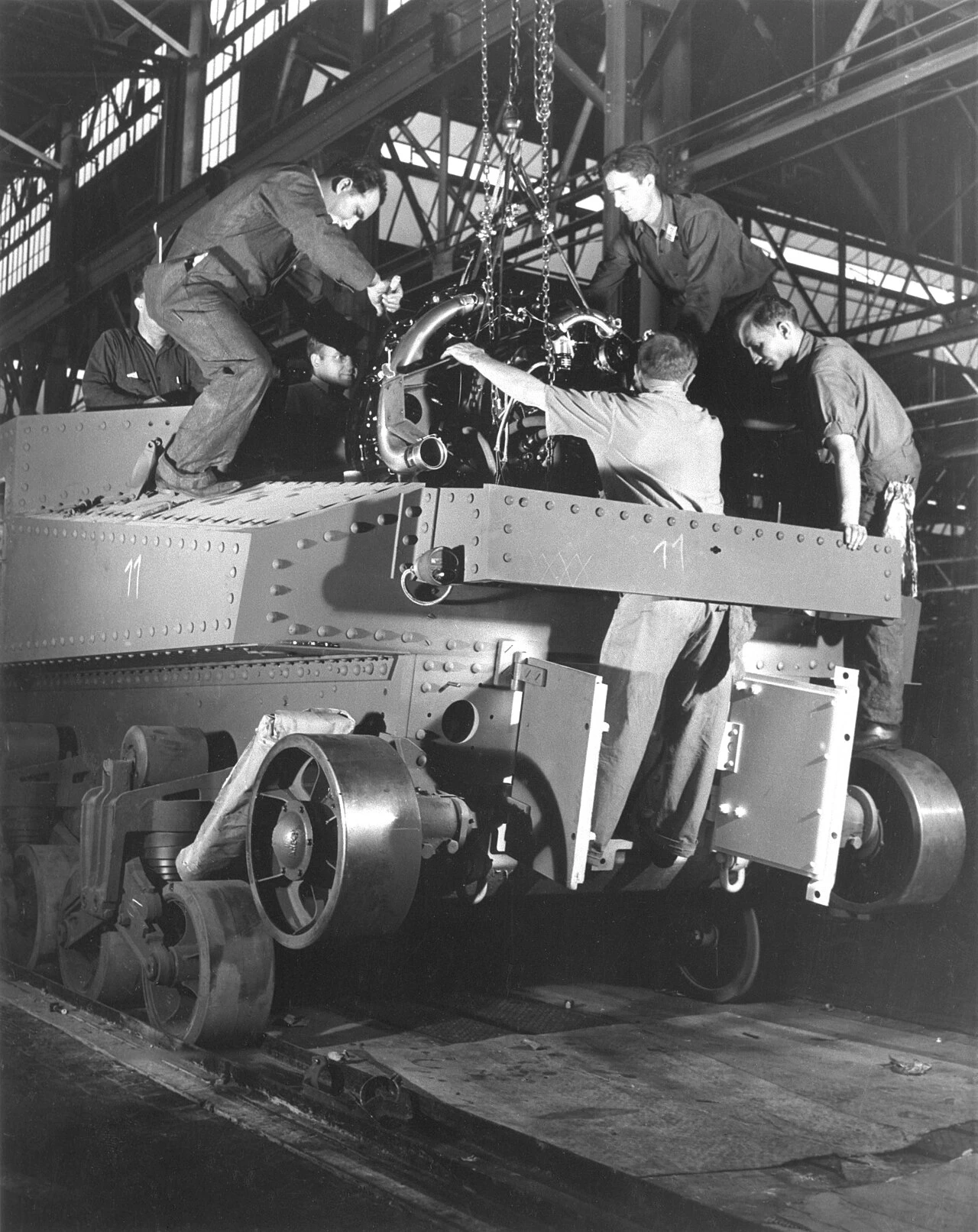
Should Detroit start building tanks?

Persuade or Compel Industry
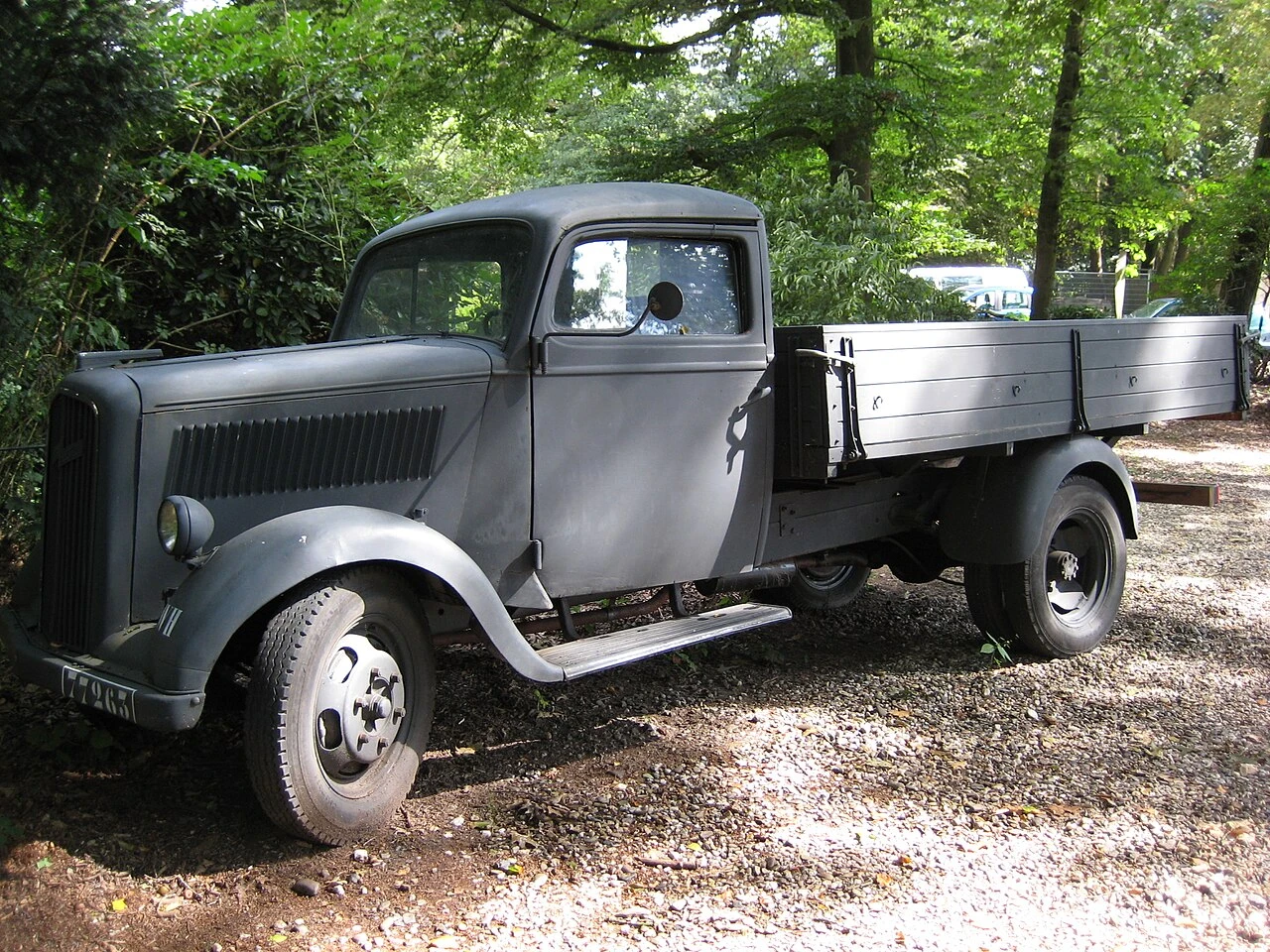
Opel under the wartime Reich: what does General Motors do?
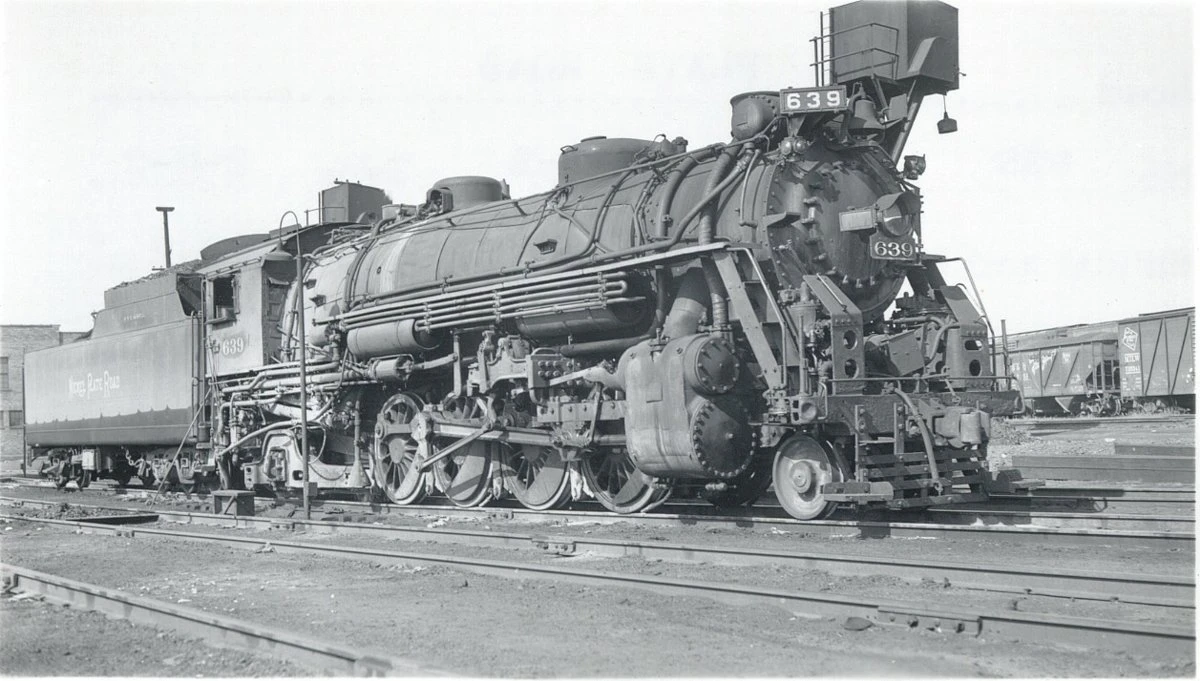
Article 13: the SNCF and the occupier

Should Stalin Be Armed?

Hermann Röchling and the Lorraine Ironworks

Kaiser, the Rivet and the Electric Arc
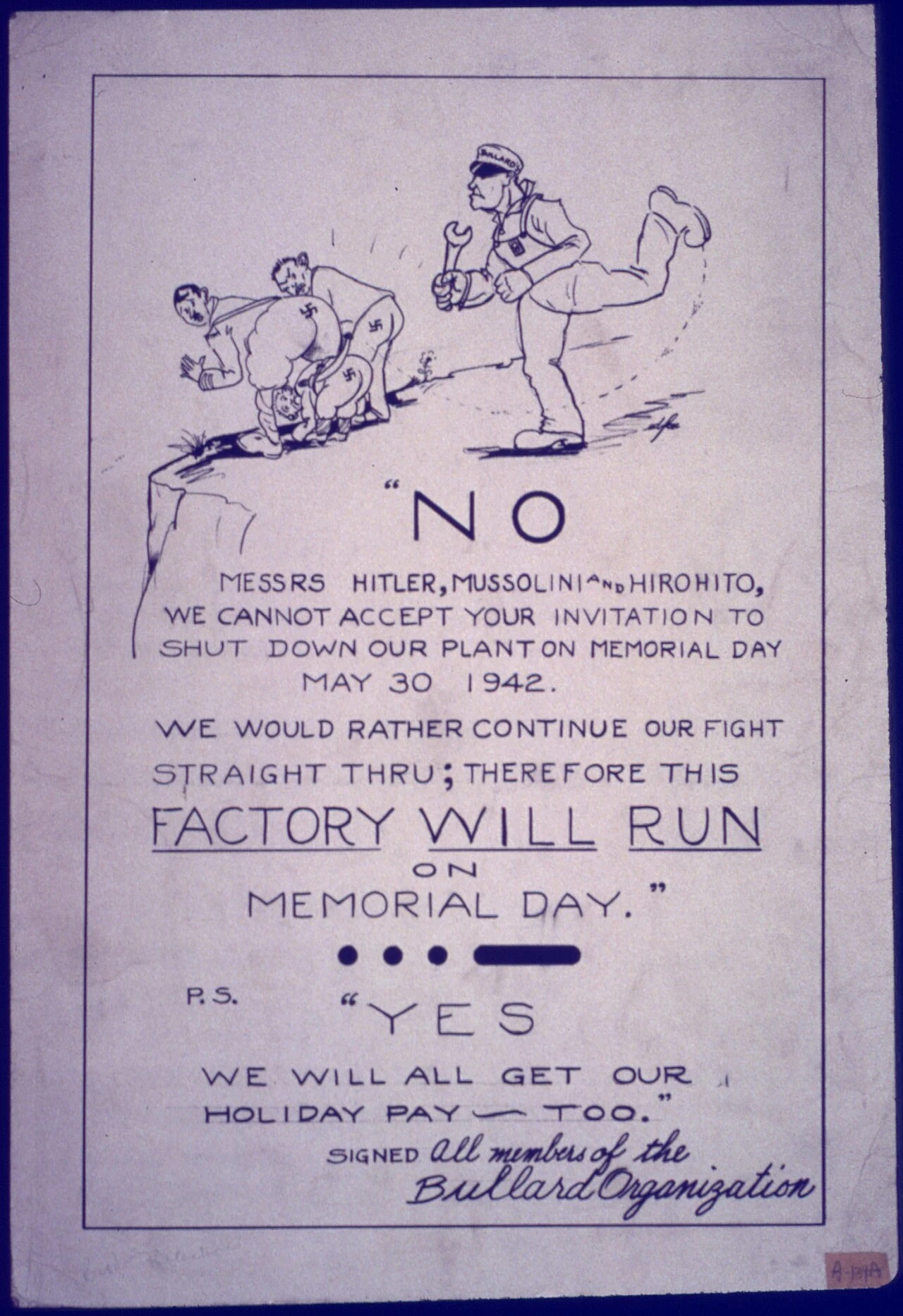
America Shifts to a War Economy

The Forgotten Tooling at Rock Island

The White Ore of the Far North
Should Detroit start building tanks?
Persuade or Compel Industry
Opel under the wartime Reich: what does General Motors do?
Article 13: the SNCF and the occupier
Should Stalin Be Armed?
Hermann Röchling and the Lorraine Ironworks
Kaiser, the Rivet and the Electric Arc
America Shifts to a War Economy
The Forgotten Tooling at Rock Island