
Lorenz and the Baltic Umsiedlung
The Nazi-Soviet pact of 23 August 1939 (the secret protocol) placed the Baltic states in the Soviet sphere. This threatened the Baltic German minorities — descendants of the Teutonic Knights (thirteenth century), the dominant landed nobility under the Russian Empire until 1918 and citizens of the independent Baltic states since 1920. In Estonia: 18,000 Baltic Germans (3 percent of the population, but 23 percent of the economic and cultural elite). In Latvia: 64,000. In Lithuania: 30,000.
In September 1939 Hitler decided on the Umsiedlung ("transplantation"): the complete repatriation of the Baltic Germans to the Reich. This was the Heim ins Reich ("Home to the Reich") programme.
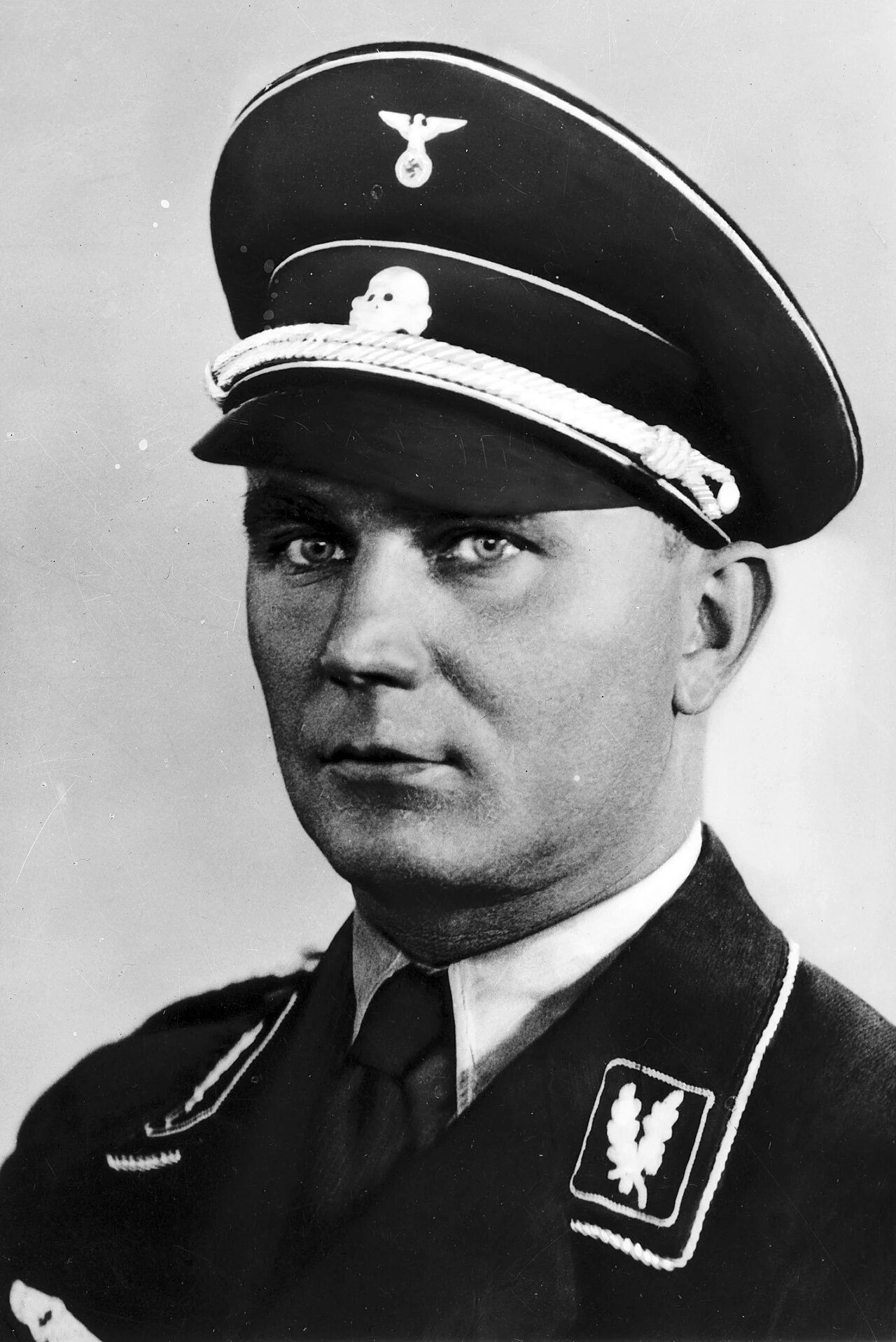
, 48, SS-Obergruppenführer, ran the Volksdeutsche Mittelstelle (VoMi) in charge of the programme. He first negotiated with Estonia (Päts) the repatriation of the 18,000 Germans of Estonia: signed 15 October 1939. Then with Latvia (Ulmanis): signed 30 October 1939. Sea convoys were chartered (the liners SS Der Deutsche and SS Bremen) between Reval/Riga and Stettin/Danzig. First convoy: 18 October 1939. By 31 December 1939, 62,000 Germans had been repatriated (94 percent from Estonia, 80 percent from Latvia). The destination in occupied Poland remained to be fixed: concentrate these families in a single Reichsgau as a laboratory of rapid Germanisation, distribute them evenly across the annexed territories, or let each family choose freely.
Lorenz had to decide where to resettle these families in occupied Poland.
How should Lorenz resettle the Baltic Volksdeutsche in occupied Poland?
Lorenz applied A. From November 1939 the Baltic Volksdeutsche were settled in large numbers in the Reichsgau Wartheland under Greiser — a laboratory for rapid Germanisation — chiefly on Polish lands confiscated from those expelled (600,000 Poles and Jews driven into the Generalgouvernement). The Baltic German families received houses, land, farm equipment and financial subsidies. But the results were mixed: many Baltic professionals (lawyers, doctors, teachers) failed to take to farming. There was friction with the local Volksdeutsche. In the autumn of 1944, during the Soviet Vistula-Oder offensive, the Baltic Volksdeutsche fled again, leaving their property behind for a second time — a second exodus in five years. After the war many settled in West Germany, some in America. Lorenz was tried at Nuremberg (the trial of the organisations), sentenced to 20 years and released in 1955. He died in 1974. The Heim ins Reich programme remained one of the largest population transfers organised voluntarily by a state in the twentieth century.
Learn more about this event
Related polls
10
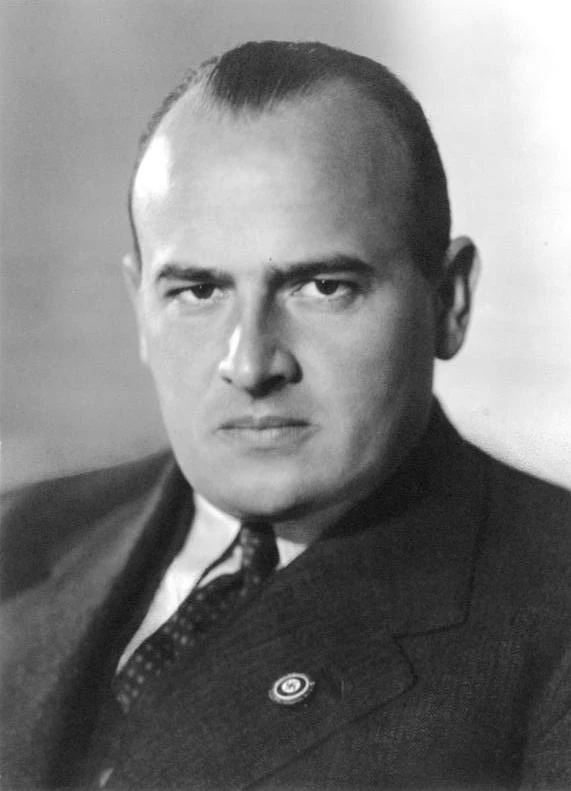
AB Aktion — planning at the Wawel
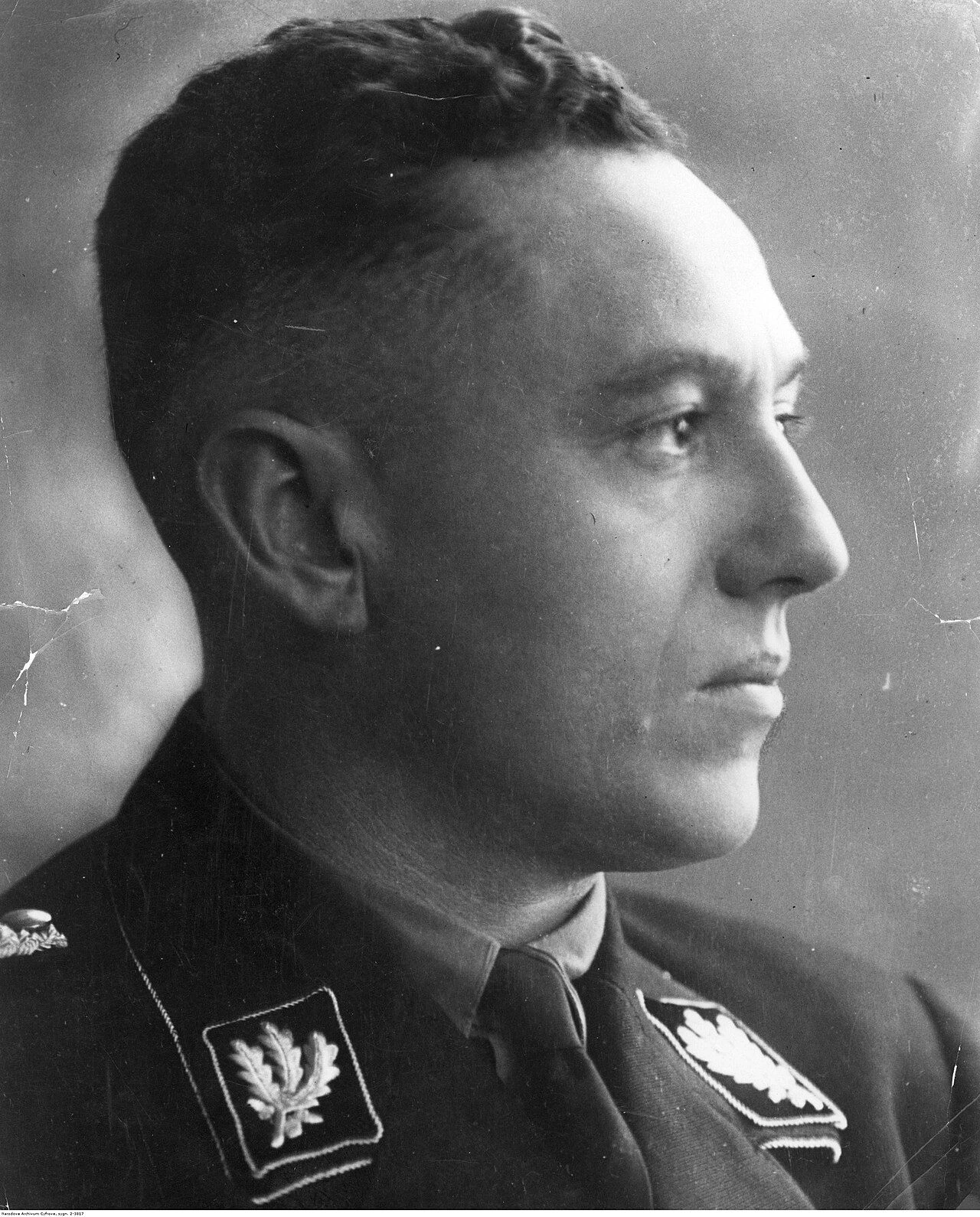
Forster — Kashubians and Kociewiacy
Greiser — the Priority of the Wartheland
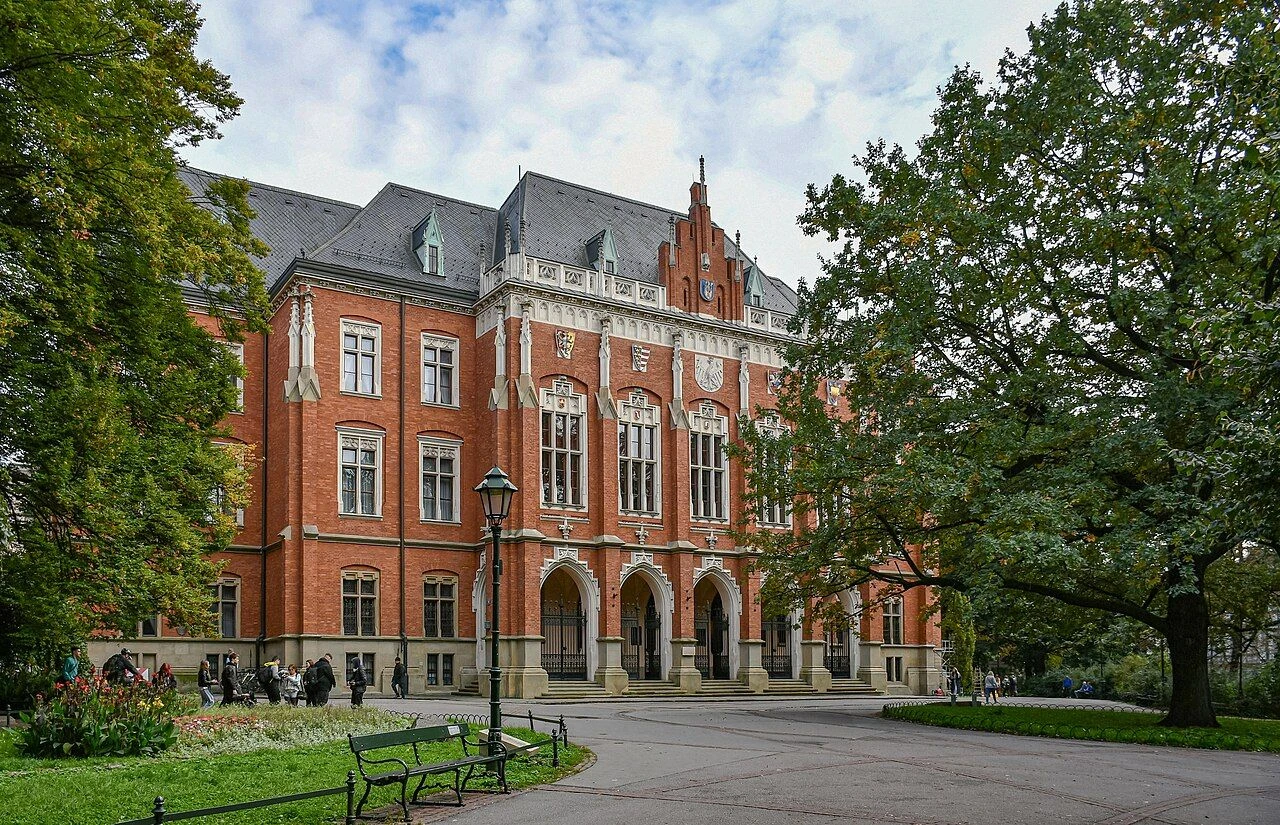
Hans Frank — the taking of the Wawel
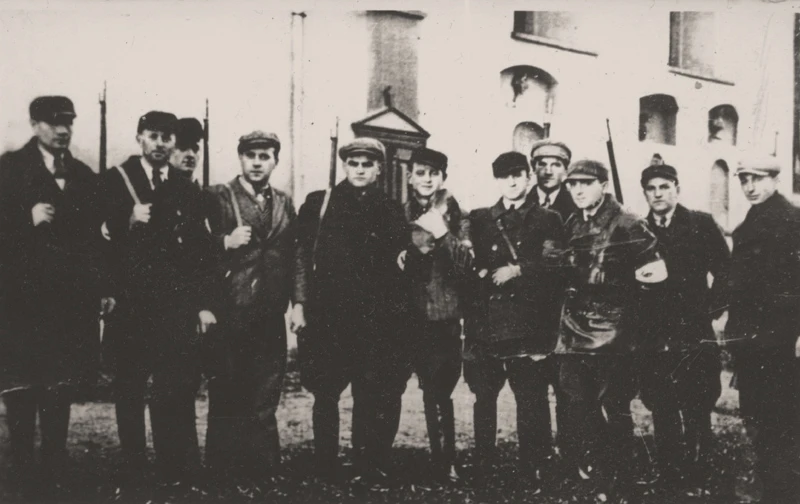
The Volksdeutsche Conscripted into the Selbstschutz
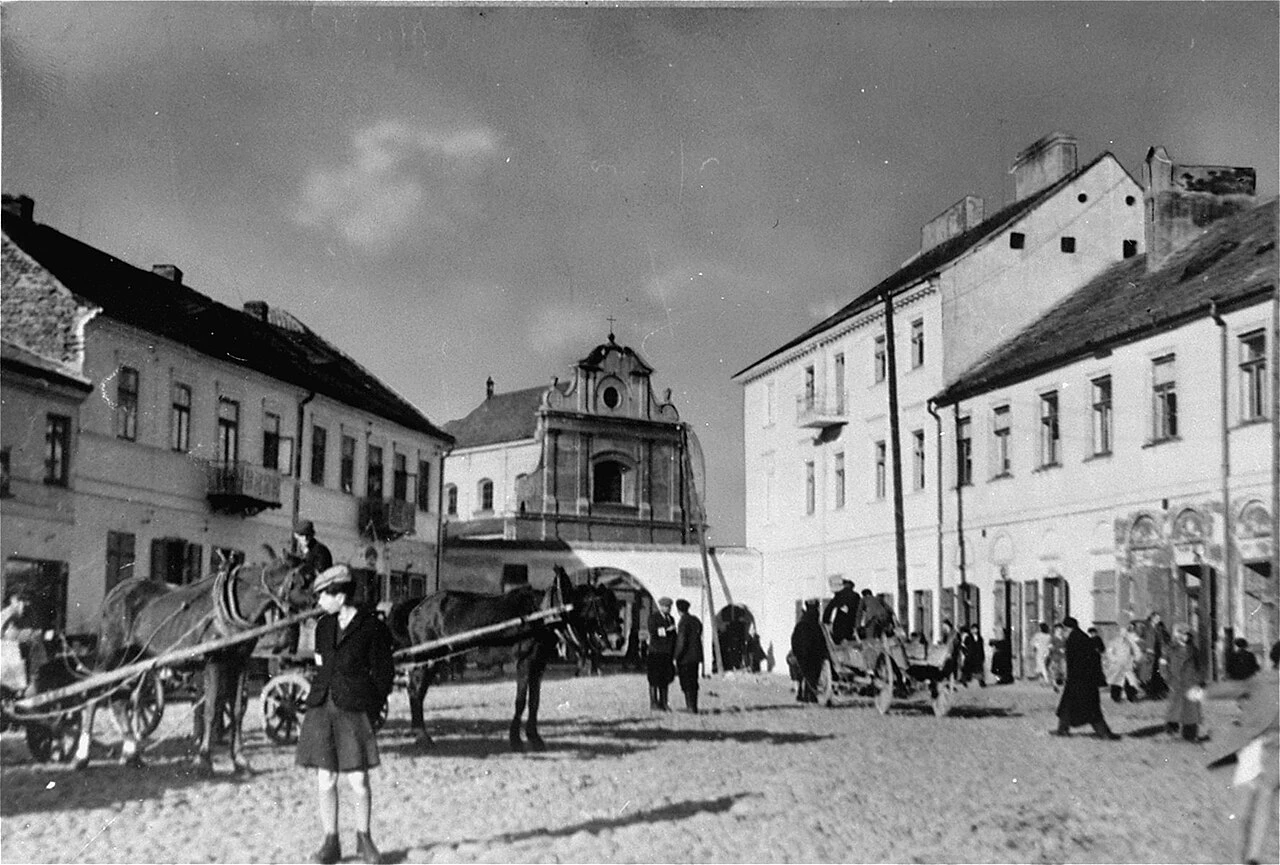
Piotrkow — Tenenberg Facing the Judenrat
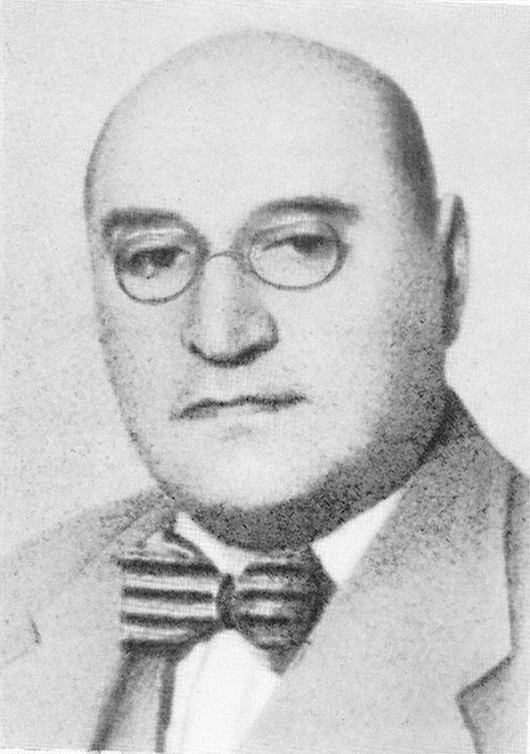
Czerniaków — the offer of the Judenrat
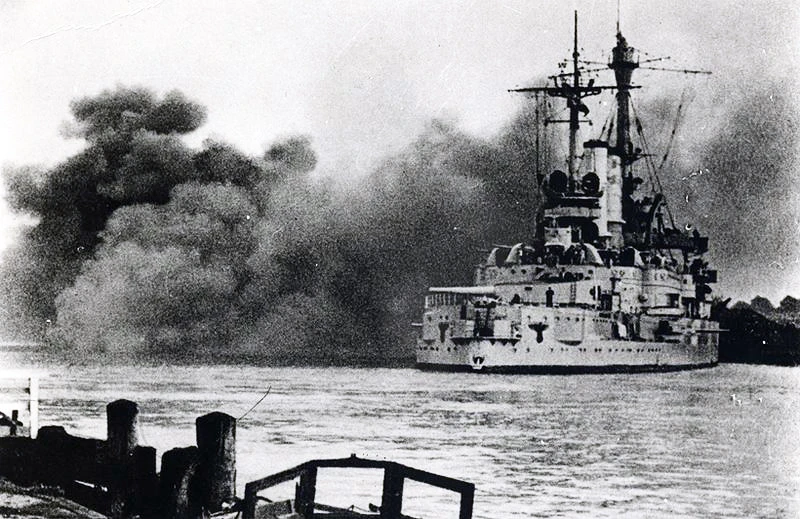
Danzig, September 1939 — the policeman of the Free City
The Obersalzberg Speech
Doussot — Special Brigade No. 1
AB Aktion — planning at the Wawel
Forster — Kashubians and Kociewiacy
Greiser — the Priority of the Wartheland
Hans Frank — the taking of the Wawel
The Volksdeutsche Conscripted into the Selbstschutz
Piotrkow — Tenenberg Facing the Judenrat
Czerniaków — the offer of the Judenrat
Danzig, September 1939 — the policeman of the Free City
The Obersalzberg Speech