
A Danzig Customs Officer on the Day of Annexation
On 1 September 1939, with the first cannon shots fired by the Schleswig-Holstein onto the Westerplatte, the Free City's Nazi Senate proclaimed the immediate incorporation of Danzig into the Reich. The police and the administration, already under National Socialist control for months, applied German law on the spot. The Jewish community, which had numbered more than 10,000 souls in 1929, had organized its own emigration since the start of the year: transports to Palestine as early as March 1939, a Kindertransport of roughly 124 children to the West. Barely 1,600 Jews remained, mostly elderly and destitute.
A customs official at the port sees a few of these last ones present themselves, still hoping for a passport in order, a visa, a berth aboard a ship. The orders are now unambiguous: report, inspect, detain.
The customs officer has a narrow margin. Apply the instructions to the letter, turn a blind eye to an irregular document, or confine himself to a routine obedience that hastens nothing.
Faced with the last Jews seeking to leave the port, what does the customs officer do?
Since the annexation was immediate and the administrative apparatus already Nazified, the overwhelming majority of Danzig officials applied the Reich's instructions. No maritime escape network organized by complicit customs officers is documented for that day: the legal departures had taken place in the preceding months. The roughly 1,200 Jews still present were gradually stripped of their possessions and then deported; by early 1941 the community had been emptied, its members sent to Theresienstadt, the Wartheland, and Auschwitz. The Stutthof camp, opened on 2 September 1939 near the city, served at first to intern the Polish elite and political opponents. The individual act of clemency was an isolated exception, not a network.
Learn more about this event
Related polls
10
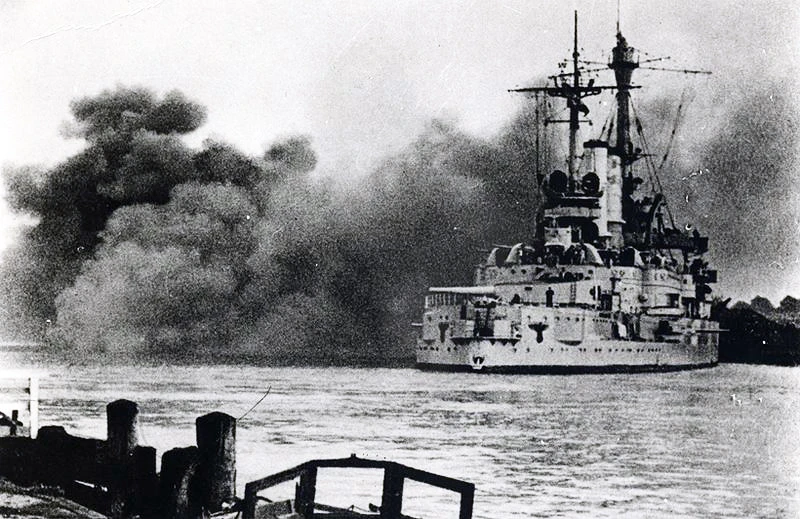
Danzig, September 1939 — the policeman of the Free City
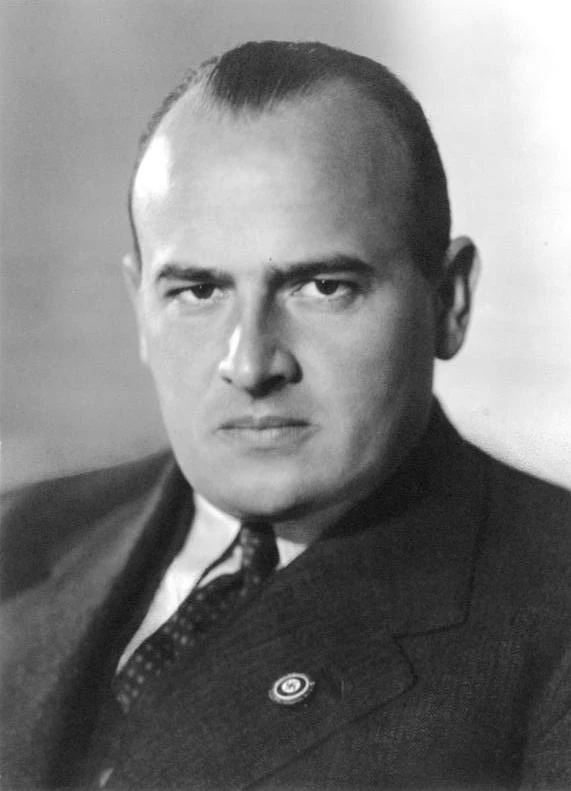
AB Aktion — planning at the Wawel
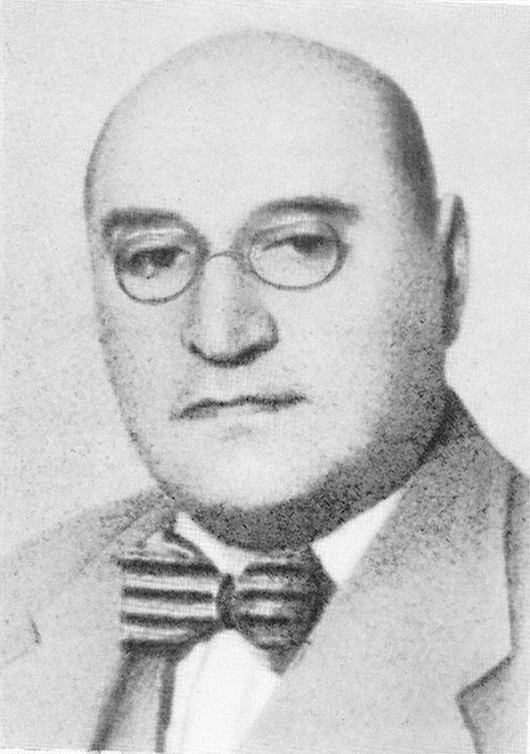
Czerniaków — the offer of the Judenrat
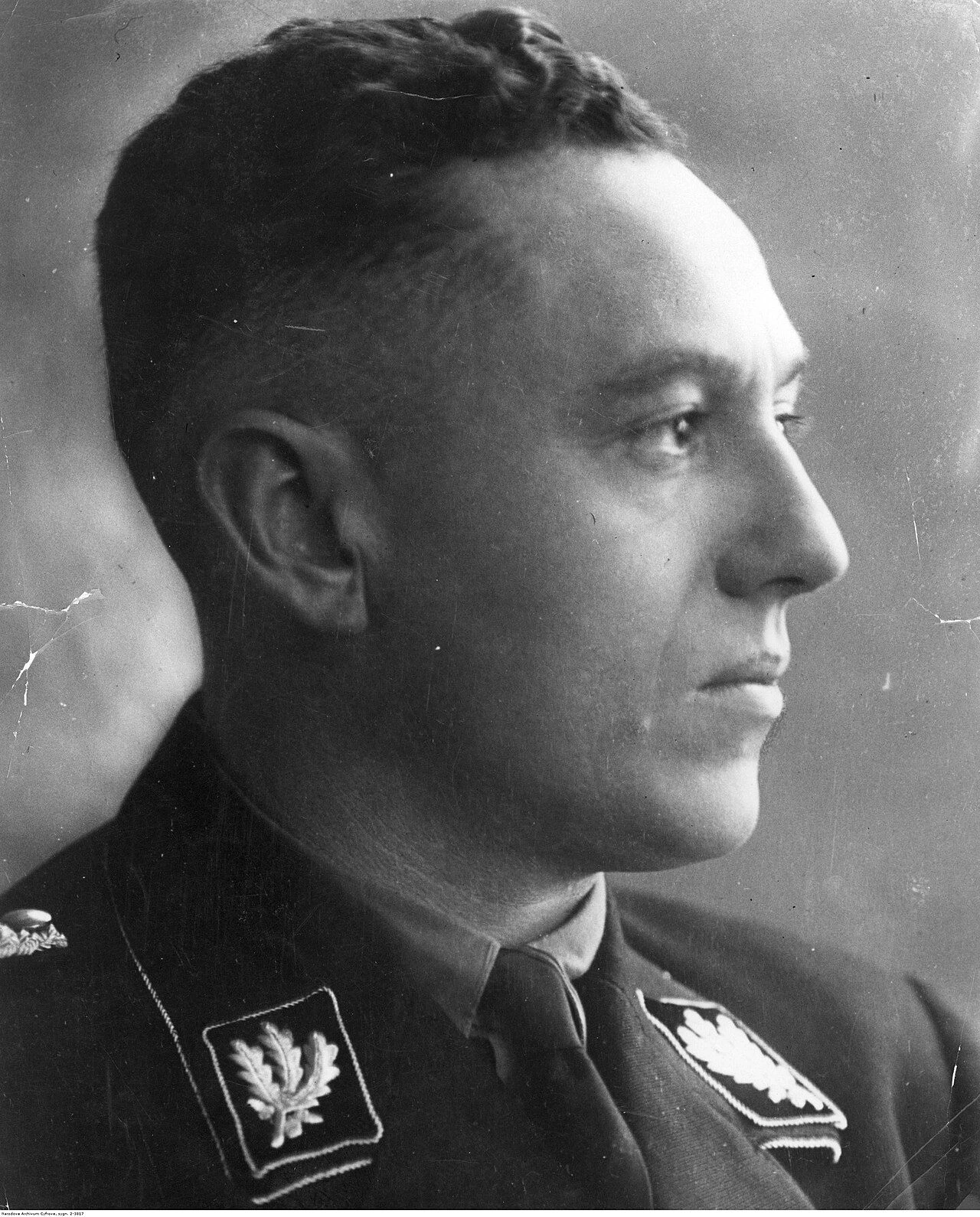
Forster — Kashubians and Kociewiacy
Greiser — the Priority of the Wartheland
Piotrkow — Tenenberg Facing the Judenrat
The Obersalzberg Speech
The Karten: Rationing Germany at War
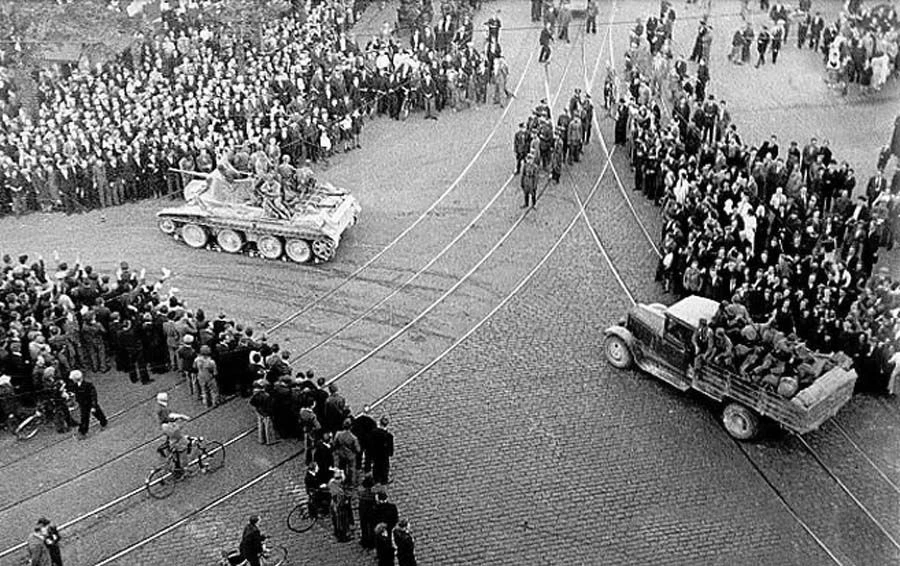
Serov — 10 February 06:00 at Lwów
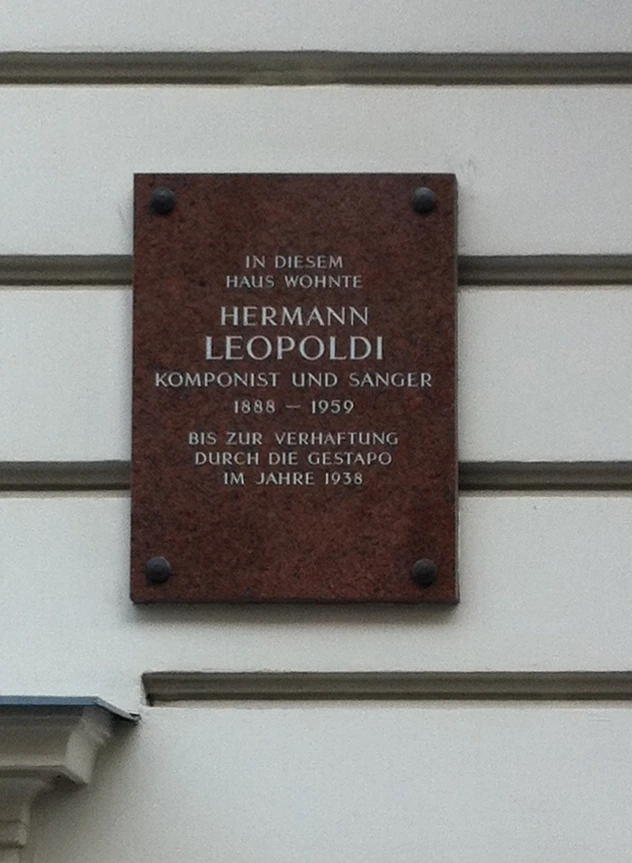
Informing on a Jewish Neighbor in Vienna
Danzig, September 1939 — the policeman of the Free City
AB Aktion — planning at the Wawel
Czerniaków — the offer of the Judenrat
Forster — Kashubians and Kociewiacy
Greiser — the Priority of the Wartheland
Piotrkow — Tenenberg Facing the Judenrat
The Obersalzberg Speech
The Karten: Rationing Germany at War
Serov — 10 February 06:00 at Lwów