
Sikorski — Paris, autumn 1939
, 58, is a Polish general politically marginalised since 1928 by the colonels' regime (Sanacja). A former Prime Minister (1922-1923), Minister of War (1924-1925), he had spent his intellectual exile in Paris in the 1930s publishing works of military doctrine — The Future War (1934), in which he anticipates mechanised warfare and the decisive role of air power. Mobilised in September 1939, he has been given no operational command: Rydz-Śmigły and Beck regarded him as an opponent.
With the Soviet invasion on 17 September, Sikorski makes his way to Paris via Romania and Yugoslavia. President , interned in Romania, has — under the Polish Constitution of 1935 — the power to name his successor from abroad. So as not to hand power to (a Sanacja figure), he designates , a non-aligned moderate, who takes the oath at the Polish embassy in Paris on 30 September 1939.
Raczkiewicz at once appoints Sikorski Prime Minister and Minister for Military Affairs. On 7 November 1939, Sikorski also becomes Commander-in-Chief of the Polish Armed Forces. Sikorski inherits some 85,000 Polish soldiers escaped to Romania and Hungary who must be repatriated to France, diplomatic relations to be rebuilt with Paris and London, and an explosive Soviet question: recognise the Soviet occupation of eastern Poland, or not?
What attitude to take toward Moscow in the first months?
Sikorski chooses B. No formal rupture, no recognition either. The Polish government in exile treats the USSR as a hostile power, but does not declare war on it. This position holds until the German invasion of the USSR (22 June 1941), when Sikorski signs the Sikorski-Maisky Agreement (30 July 1941) which restores diplomatic relations, raises the on Soviet soil from the surviving Polish prisoners, and grants a collective amnesty to the 1.7 million Poles who had been deported. The discovery of the Katyn mass graves in April 1943 brings the definitive rupture with Moscow. Sikorski dies on 4 July 1943 in the Gibraltar crash — the circumstances of which have never been cleared up. His succession in London opens the political fracture in Free Poland that would condemn the government in exile to marginalisation after 1945.
Learn more about this event
Related polls
10
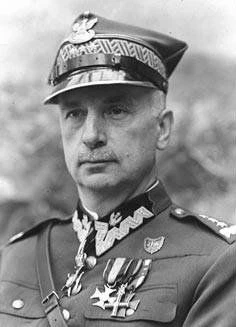
Sosnkowski — KSK, 27 November

Daladier — Thorez's Defection
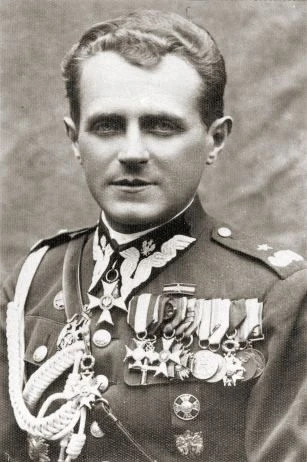
Karaszewicz-Tokarzewski — Founding the SZP
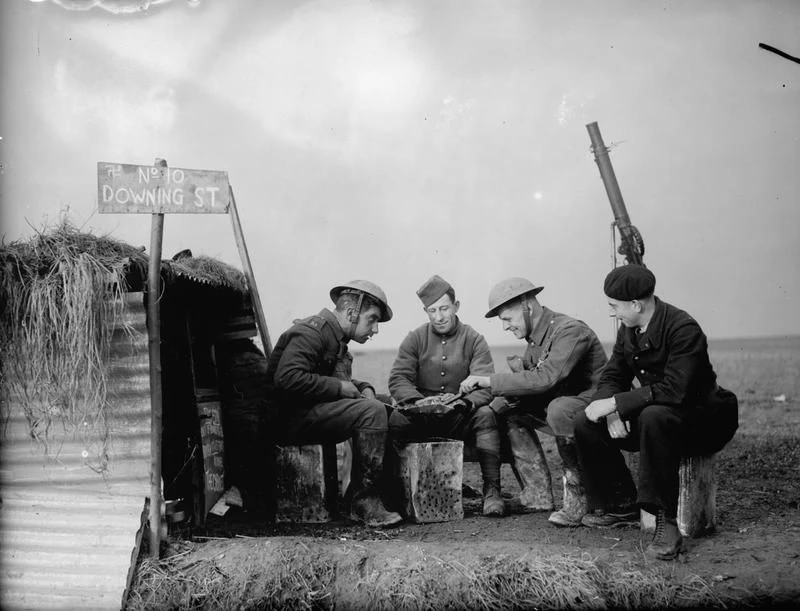
Maurras and the phoney war
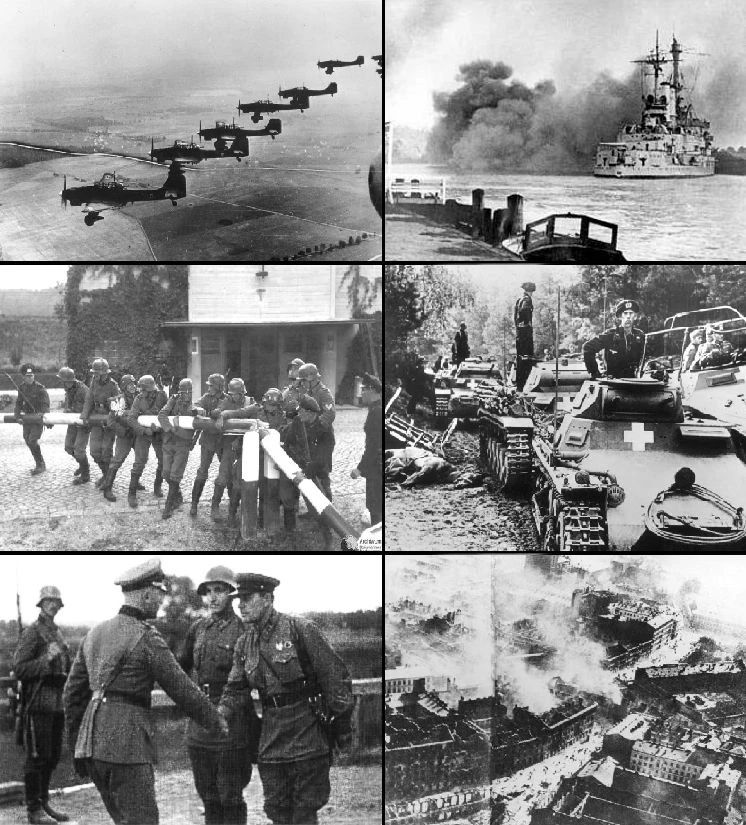
Rydz-Śmigły at Kuty — the directive of 17 September
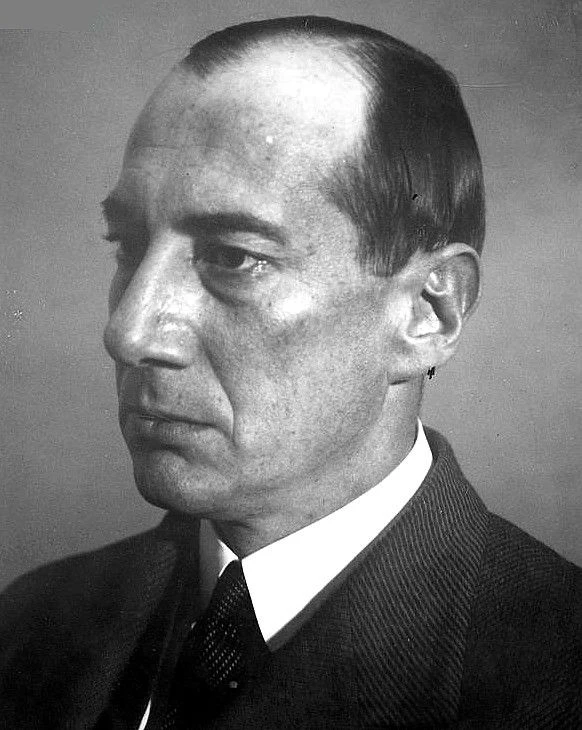
Beck in Bucharest — the Internee
Borakowski and the merchant fleet
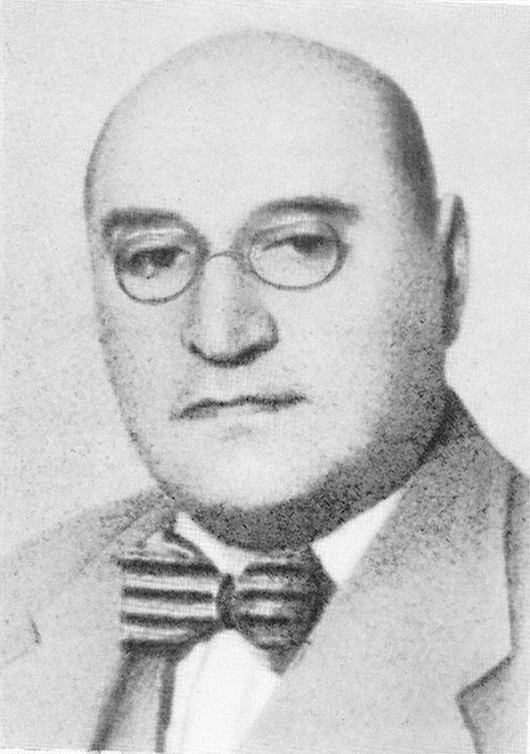
Czerniaków — the offer of the Judenrat
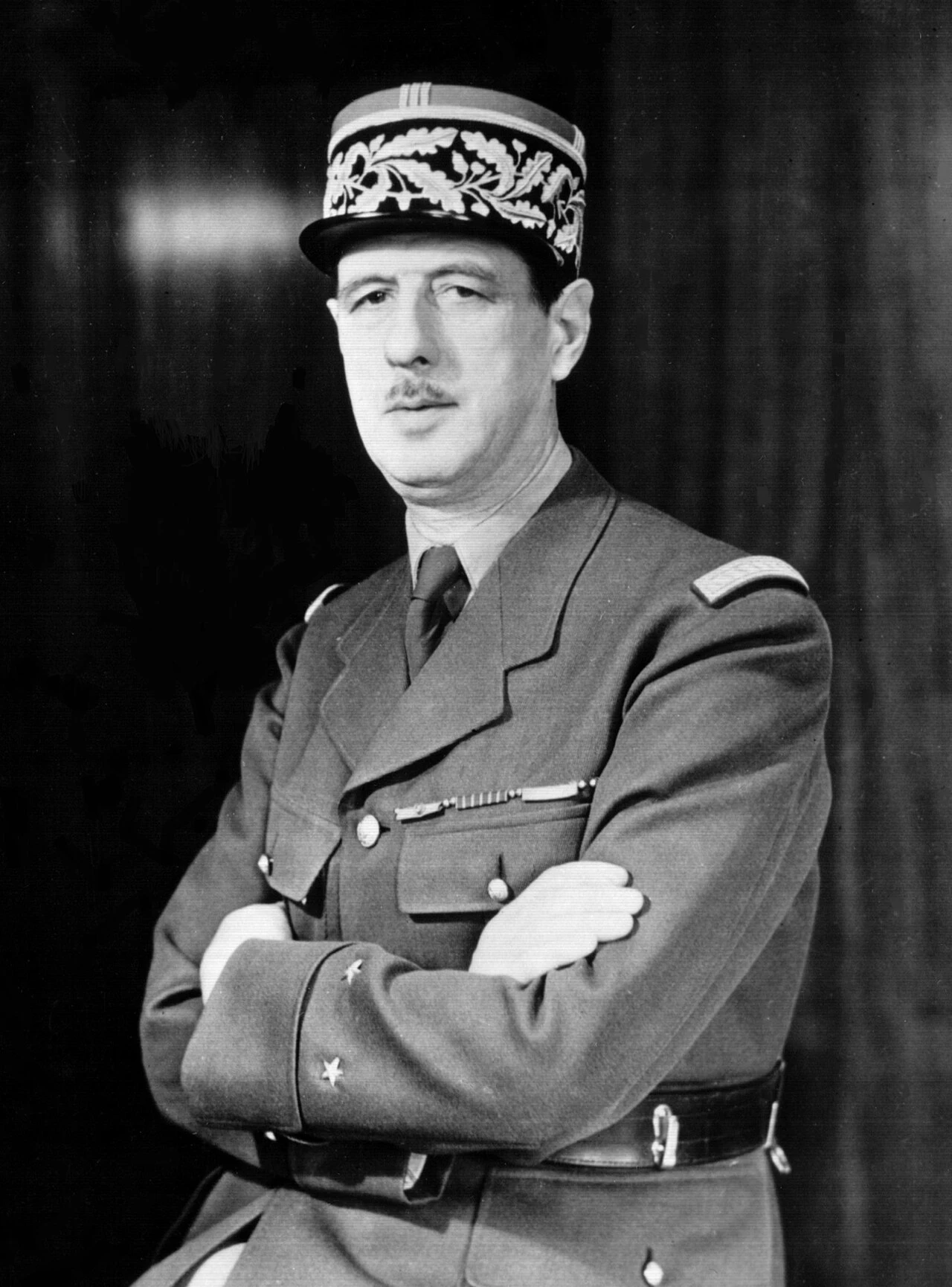
De Gaulle joins the government — 5 June
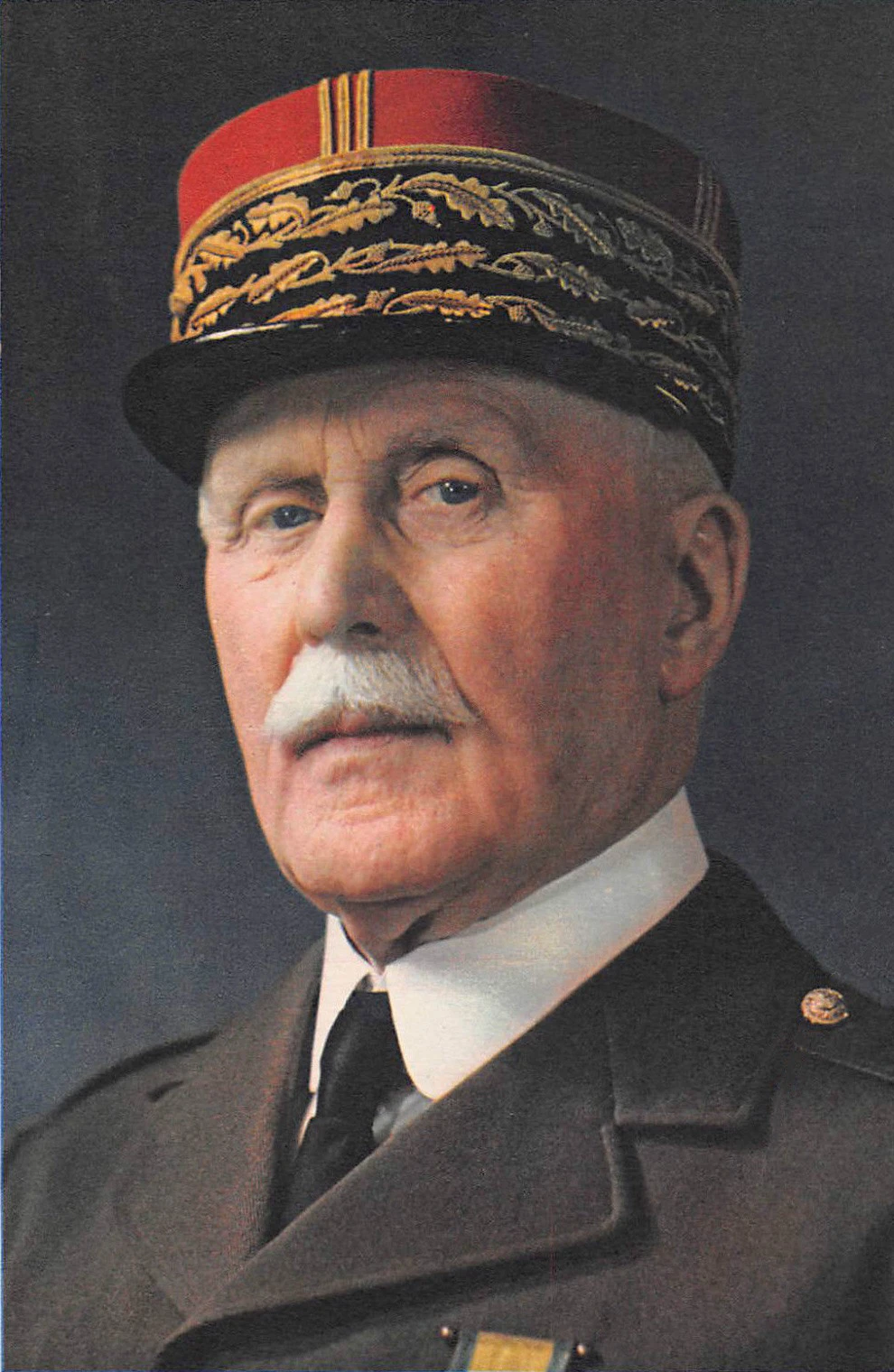
The hero of Verdun recalled from Madrid
Sosnkowski — KSK, 27 November
Daladier — Thorez's Defection
Karaszewicz-Tokarzewski — Founding the SZP
Maurras and the phoney war
Rydz-Śmigły at Kuty — the directive of 17 September
Beck in Bucharest — the Internee
Borakowski and the merchant fleet
Czerniaków — the offer of the Judenrat
De Gaulle joins the government — 5 June