
Brauchitsch — Reich Chancellery, 5 November
, 58, has been commander-in-chief of the Heer (army) since February 1938 — the date of the great reshuffle after the Blomberg-Fritsch crisis. An officer of Prussian tradition, conservative, long sceptical of Nazi strategy. His chief of staff is , 55, also a conservative, an advocate of a certain military restraint.
On 9 October 1939, Hitler signed Directive No. 6 ordering the offensive in the West (Operation Fall Gelb) for 12 November 1939. Brauchitsch and Halder have studied the plans: the Wehrmacht is in poor shape after the Polish campaign — damaged tanks, depleted depots, mixed troop morale. Above all, the initial plan is judged mediocre: a rough reproduction of the 1914 Schlieffen Plan through the Netherlands and Belgium, without tactical surprise, exposing the Wehrmacht to defeat.
More deeply: Brauchitsch and Halder are part of a network of conservative opponents to Hitler (General , former chief of the General Staff, resigned 1938; Admiral , head of the Abwehr; Ambassador ; General ). This network has been contemplating a military putsch against Hitler since 1938, should there be a major strategic adventurism. A premature offensive in the West could be the opportunity.
On 5 November 1939, Brauchitsch obtains an audience at the Reich Chancellery to present Hitler with the OKH's objections: the Wehrmacht is not ready, the plan is bad, the offensive must be postponed at least until spring 1940. Hitler flies into a rage.
Should Brauchitsch hold firm in his opposition, or yield?
Brauchitsch yields — option B. Faced with Hitler's verbal violence (a two-hour monologue in the Chancellery office, attested by multiple witnesses), Brauchitsch emerges shattered and does not resign. The military putsch contemplated by Beck-Canaris-Halder is cancelled. Halder will write in his diary: "Brauchitsch came out livid, unable to speak. No resistance is possible with such a chief." Directive No. 6 remains in force, but Brauchitsch obtains successive postponements by subterfuge: the numerous delays (between November 1939 and May 1940) will be justified by "unfavourable weather conditions" — a diplomatic formula masking the bureaucratic withholding of the plans. This strategy of passive procrastination gives Manstein time to present, in February 1940, the Sichelschnitt (Ardennes breakthrough) that will radically transform the plan. The episode of 5 November 1939 illustrates the OKH's progressive submission to Hitler — a submission that will last until 20 July 1944. Brauchitsch is sacked after the Russian campaign in December 1941, with Hitler taking direct command of the OKH. Halder is sacked in September 1942. Both survive the war and testify at Nuremberg as witnesses (not as defendants). Brauchitsch dies in British captivity in 1948. Halder dies in 1972. The historiographical debate on their "failed resistance" remains lively.
Learn more about this event
Related polls
10
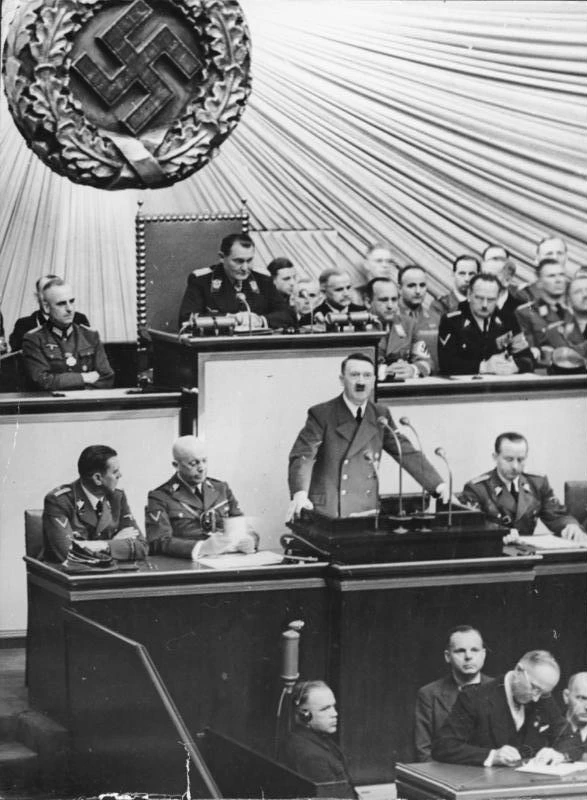
Hitler — the Reichstag Speech
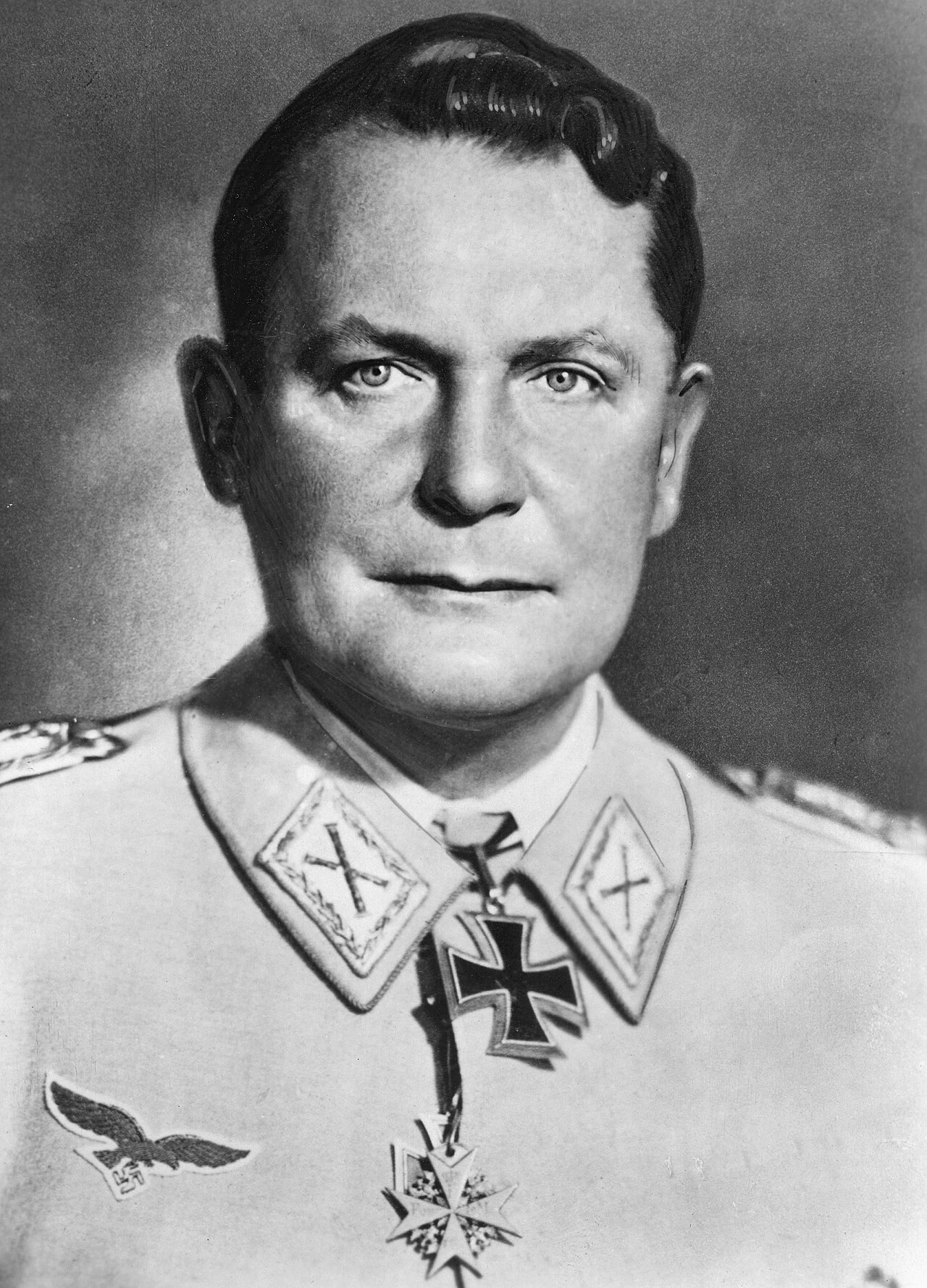
Goering at Carinhall — the promise to Hitler
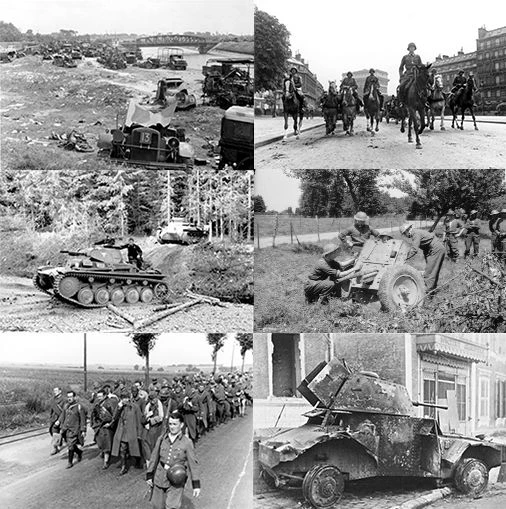
Hitler and Fall Gelb — 29 postponements
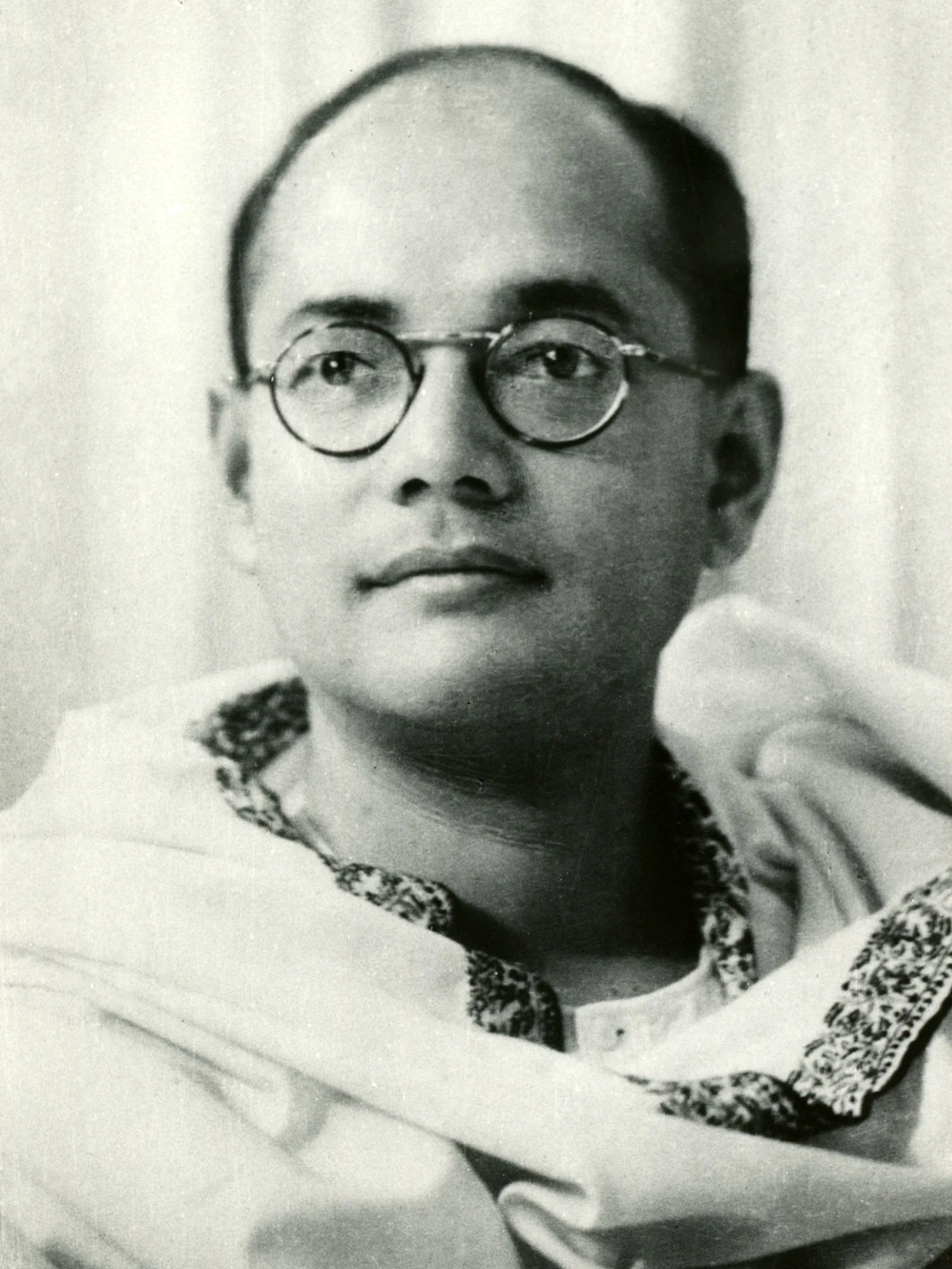
The Indische Legion — Subhas Chandra Bose in Berlin
Goering — the economic mobilization plan
Mussolini on the Riviera — 21 June
Weserübung — directive of 1 March
The Obersalzberg Speech
Gibraltar after the rebuff at Hendaye
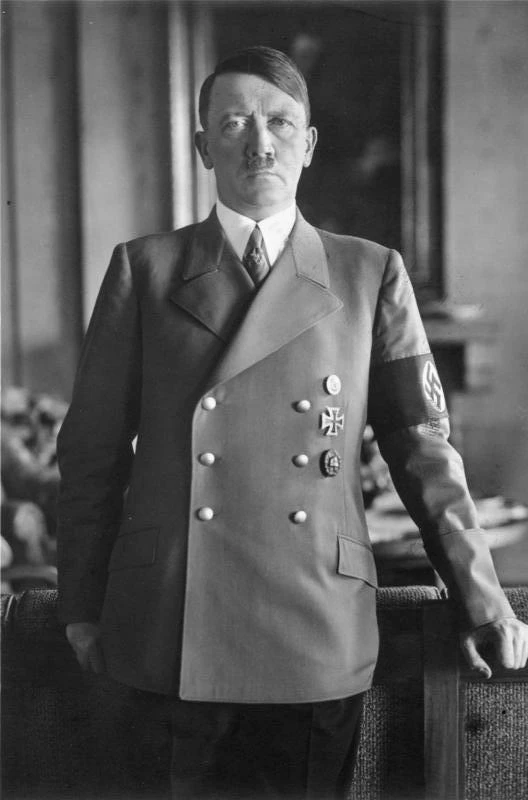
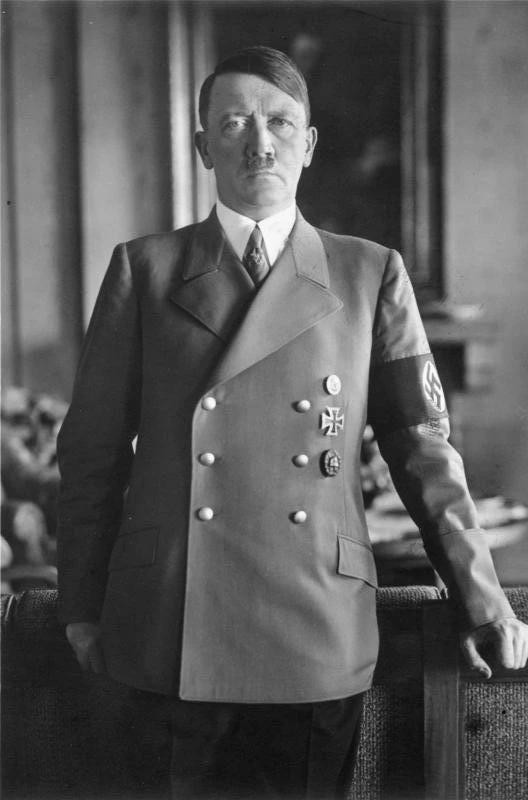
Hitler at Compiègne — 22 June 4:30 p.m.
Hitler — the Reichstag Speech
Goering at Carinhall — the promise to Hitler
Hitler and Fall Gelb — 29 postponements
The Indische Legion — Subhas Chandra Bose in Berlin
Goering — the economic mobilization plan
Mussolini on the Riviera — 21 June
Weserübung — directive of 1 March
The Obersalzberg Speech
Gibraltar after the rebuff at Hendaye