
Sartre Prisoner — Stalag XII D
, 35, a philosophy professor, was mobilised in 1939 as a soldier assigned to the meteorological service of the artillery. Taken prisoner at Padoux (Vosges) on 21 June 1940 — the day before the armistice — with his unit, he is transferred in the summer to Stalag XII D, set up at Petrisberg, on the heights above Trier. France then counts nearly one and a half million prisoners of war held in Germany — a mass of men Vichy will try in vain to negotiate.
In the camp, Sartre joins the improvised intellectual life: he reads Heidegger, gives lectures, and for the Christmas vigil of 1940 writes a play, Bariona, or the Son of Thunder, performed on 24 December before his fellow prisoners — his very first theatrical work. But he seeks to regain his freedom. Several paths open up: attempt an escape, play for medical release — his strong squint could be presented as an unfitness — or wait.
Sartre then finds himself, like one and a half million French prisoners, forced to come to terms with captivity and to seek a way out.
How should Sartre try to leave the Stalag?
Sartre chooses B: he obtains a certificate of unfitness (the Germans still grant medical releases in the spring of 1941) and is released in March 1941. Back in Paris, he resumes teaching and founds, with , and a few others, the short-lived intellectual resistance group 'Socialisme et Liberté,' quickly dissolved for lack of means. His experience of captivity and engagement will nourish his thinking on freedom and responsibility, at the heart of Being and Nothingness (1943). Sartre's trajectory illustrates the fate of the mass of 1940 prisoners — long captivity, search for an exit, and first forms, often doomed to failure, of engagement.
Learn more about this event
Related polls
10
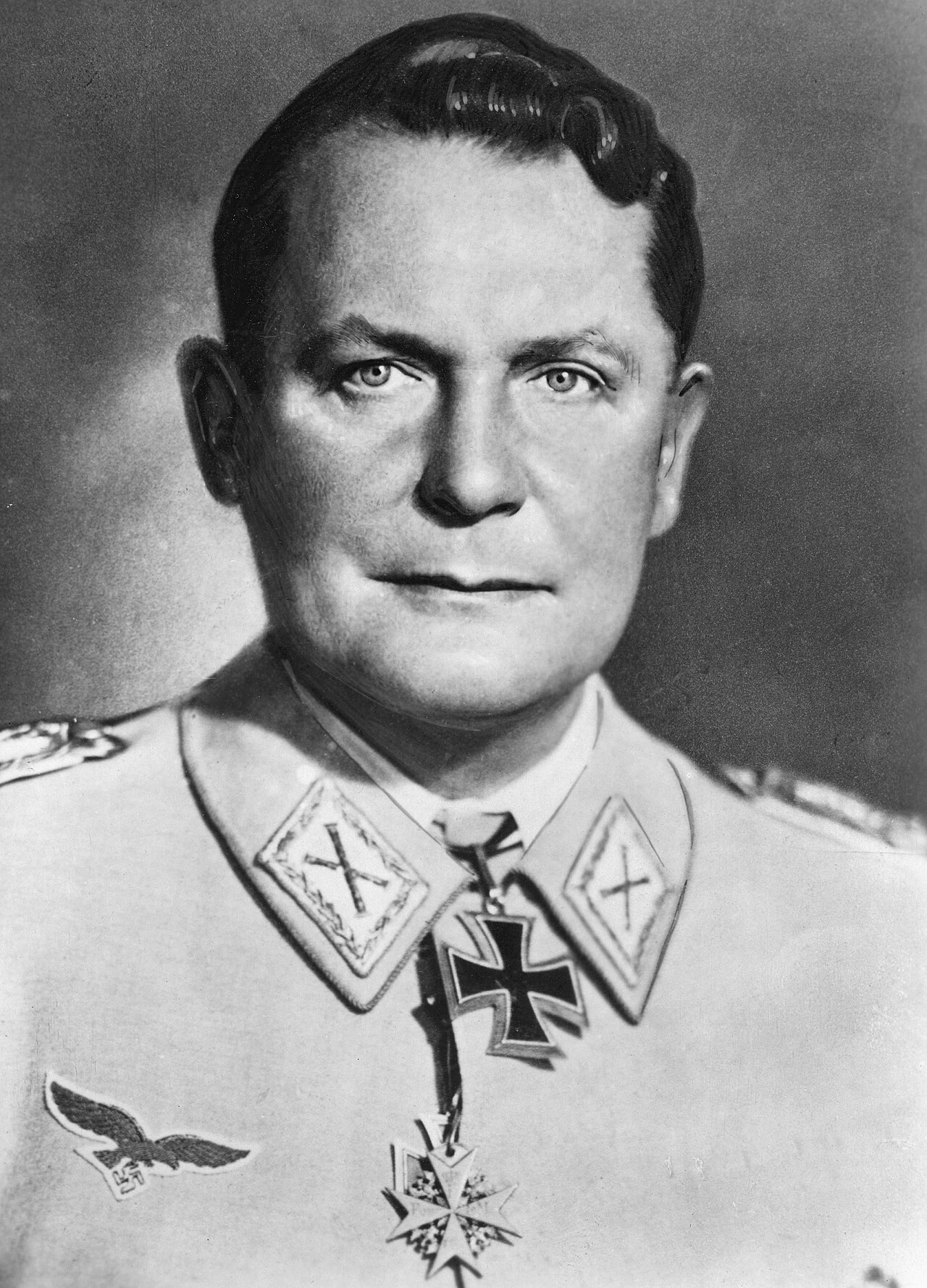
Goering at Carinhall — the promise to Hitler
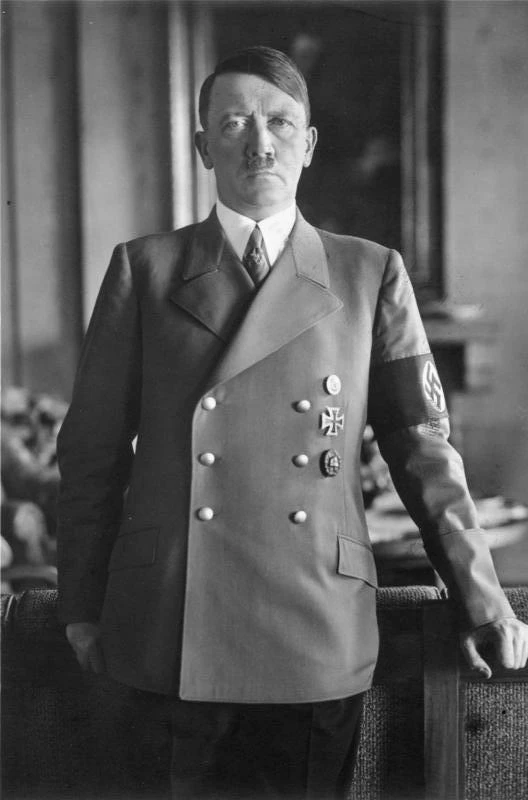
Hitler at Compiègne — 22 June 4:30 p.m.
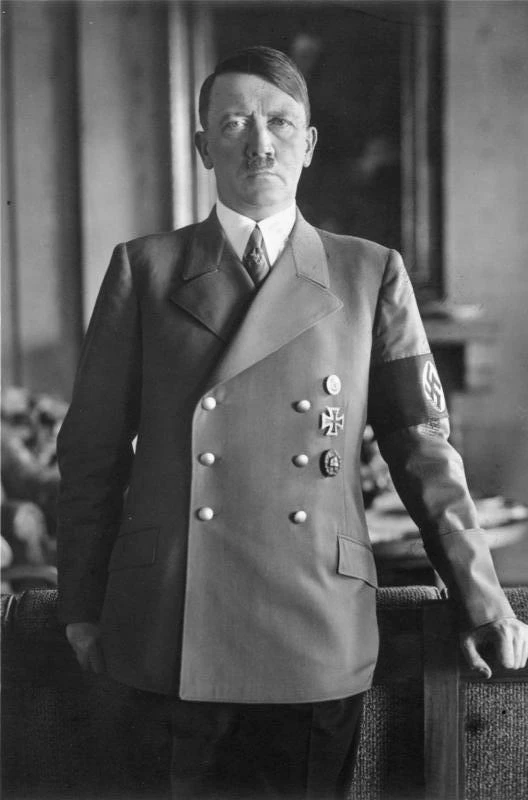
Hitler at the Felsennest — the anguish of the flanks
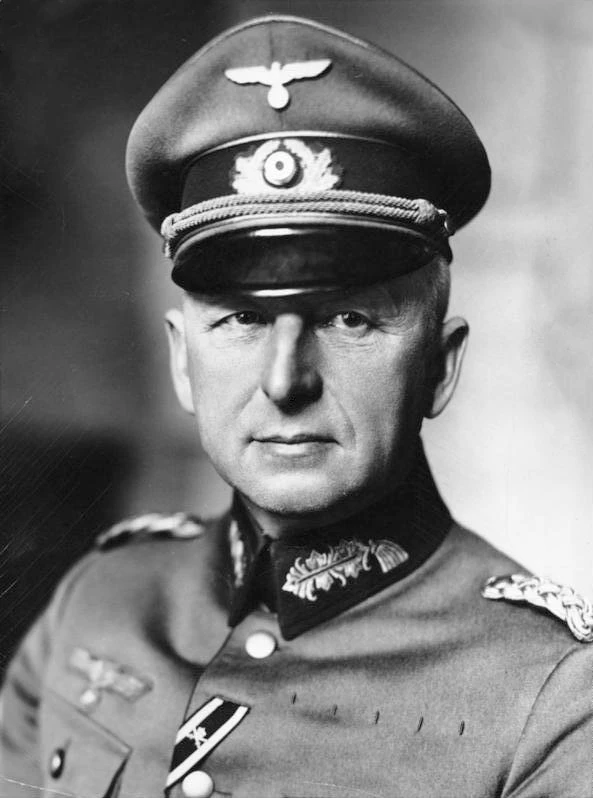
Manstein watches his plan — Koblenz, 10 May
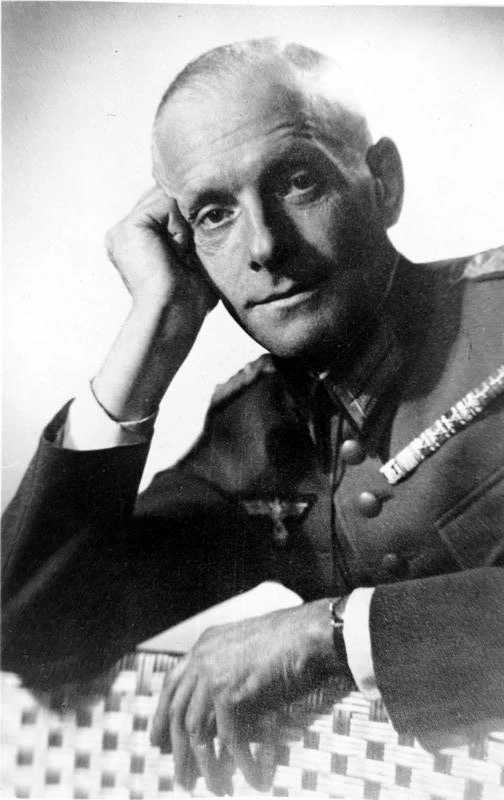
Oster picks up the telephone
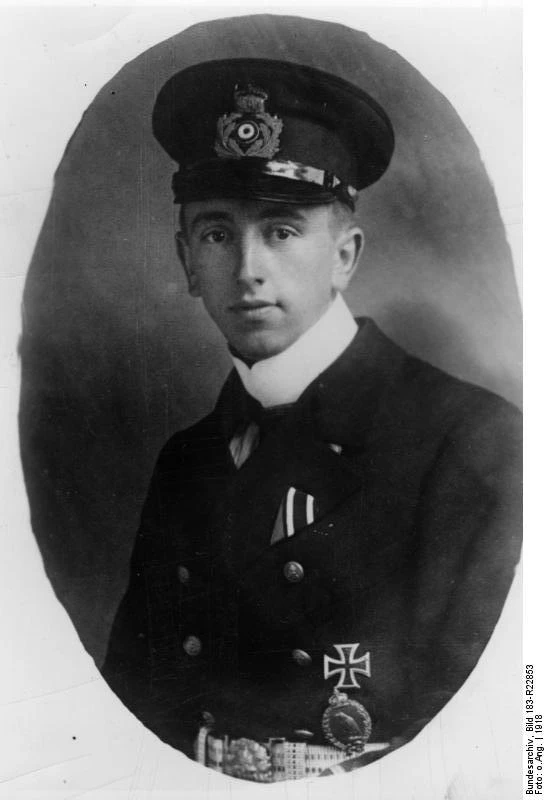
Osterkamp dares to contradict Göring
Le Paradis — the barn at Cornet-Malo
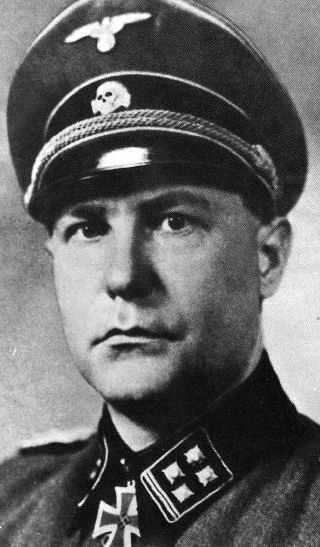
Wormhoudt — the 7th company SS-LAH
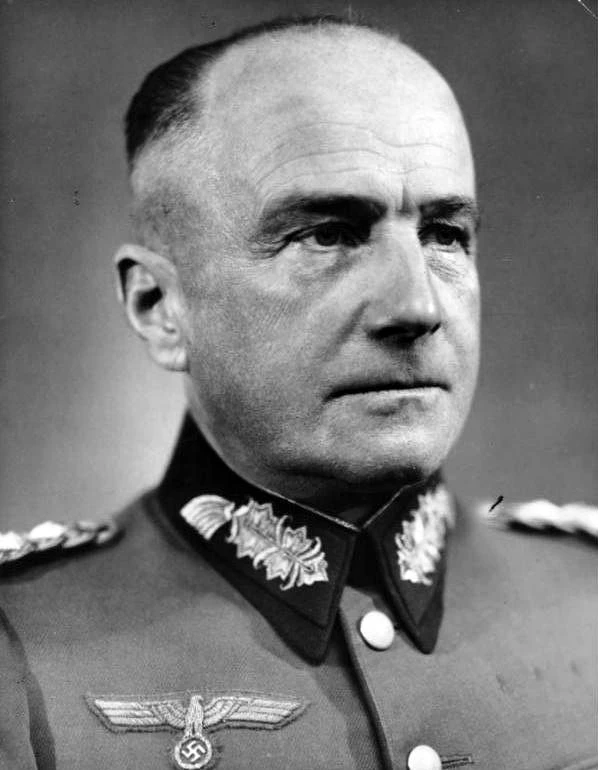
Brauchitsch — Reich Chancellery, 5 November
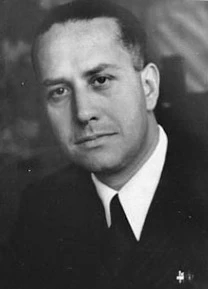
Ciano summons the ambassadors — 10 June
Goering at Carinhall — the promise to Hitler
Hitler at Compiègne — 22 June 4:30 p.m.
Hitler at the Felsennest — the anguish of the flanks
Manstein watches his plan — Koblenz, 10 May
Oster picks up the telephone
Osterkamp dares to contradict Göring
Le Paradis — the barn at Cornet-Malo
Wormhoudt — the 7th company SS-LAH
Brauchitsch — Reich Chancellery, 5 November