
An unescorted convoy in the grey morning
The heavy cruiser Admiral Hipper, commanded by Kapitän zur See , operates alone in the Atlantic in February 1941, as part of the German offensive against the British supply routes. After a difficult cruise and recurrent machinery breakdowns, the ship seeks prey west of Brest, its home port of the moment.
On 11 February, the Hipper has already sunk an isolated straggler from convoy HG-53. In the early morning of 12 February, its lookouts spot a far more tempting target: convoy SLS-64, nineteen heavily laden cargo ships coming from Sierra Leone towards Great Britain. A decisive detail: this convoy sails without any warship escort, the merchantmen travelling in a group but unarmed.
Yet Meisel weighs the risks. His cruiser suffers from its machinery and burns a fuel that must be conserved; staying on station to methodically annihilate a convoy means multiplying the radio signals and risking the appearance of a Royal Navy hunting force, which patrols the region. Should he charge at an offered prey, or break off quickly to preserve an isolated and fragile ship, far from any base?
Should Meisel attack the unescorted convoy SLS-64 at the risk of exposing a fragile cruiser?
Meisel chooses A: at 06:15 on 12 February 1941, the Hipper opens fire and launches torpedoes on the unarmed convoy, which scatters in panic. In one expeditious attack, the cruiser sinks seven merchant ships — more than 30,000 tons — one of the swiftest convoy massacres of the Battle of the Atlantic. The crew, exalted, will even overestimate its tally, claiming thirteen vessels. But the episode has no sequel: worn out by its machinery and short of fuel, the Hipper reaches Brest the very next day and will make no further such sortie. The affair illustrates the vulnerability of the unescorted SL convoys and accelerates the British decision to provide close protection to all the routes of the Atlantic.
Learn more about this event
Related polls
10
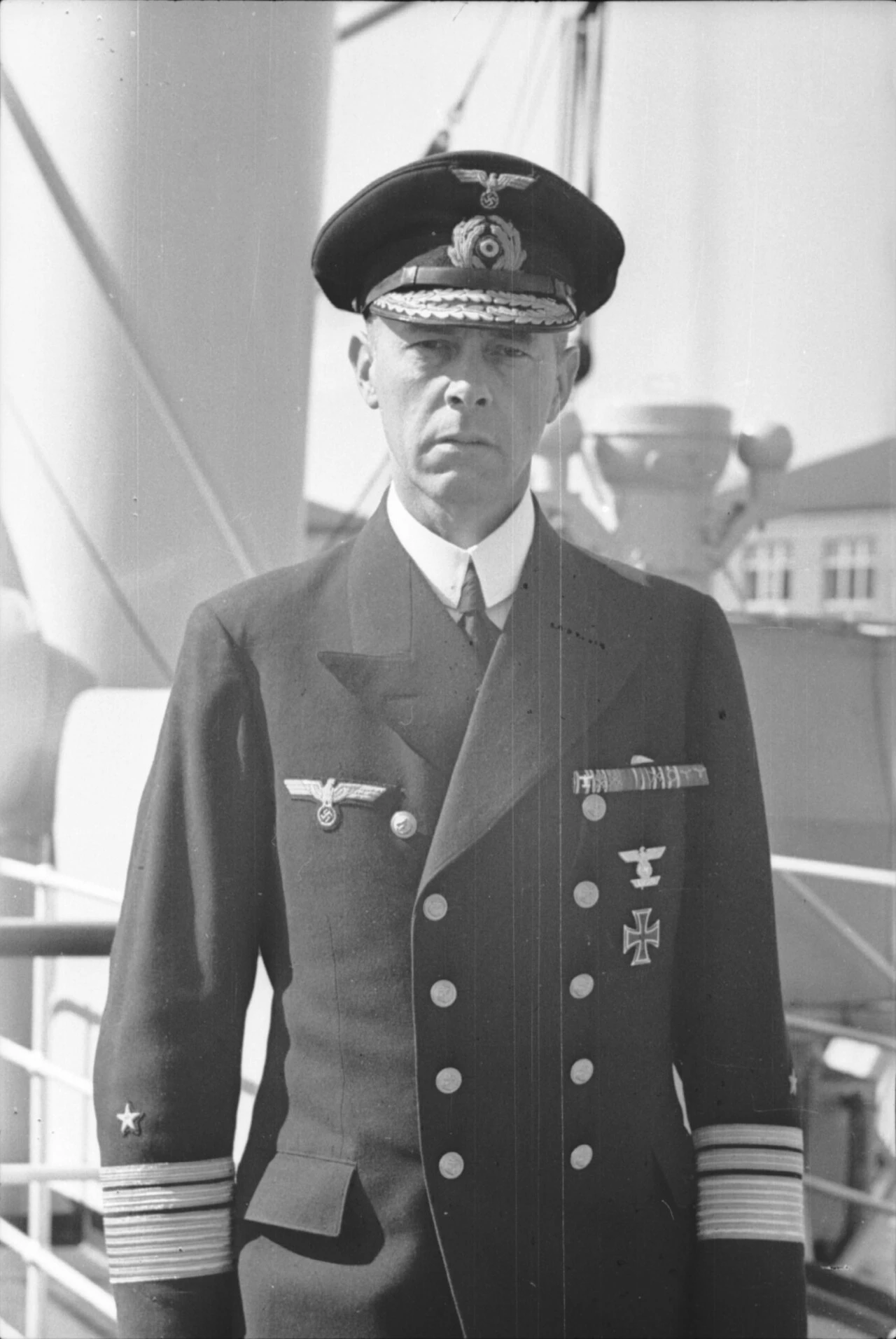
An escort battleship on the convoy's route
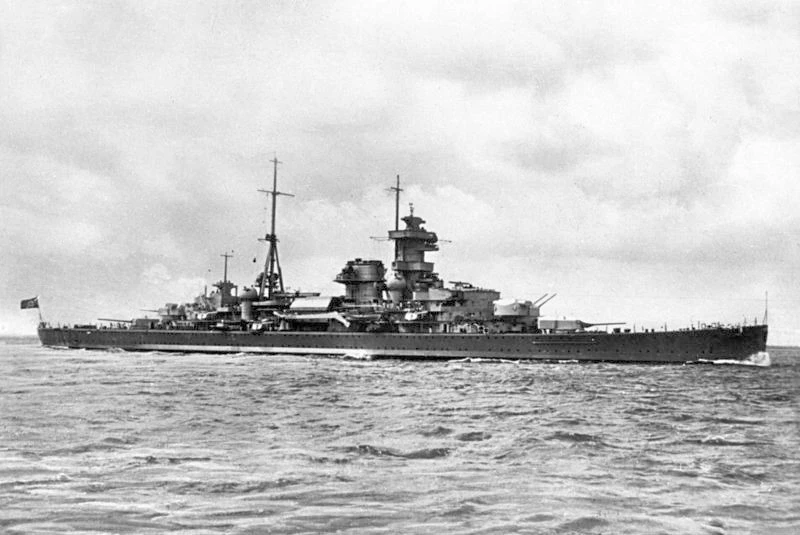
A raider, a convoy and a cruiser escort
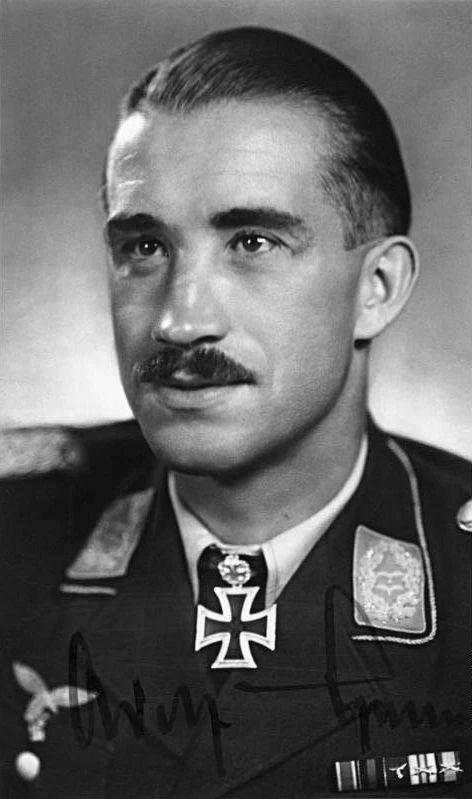
Galland over the Estuary
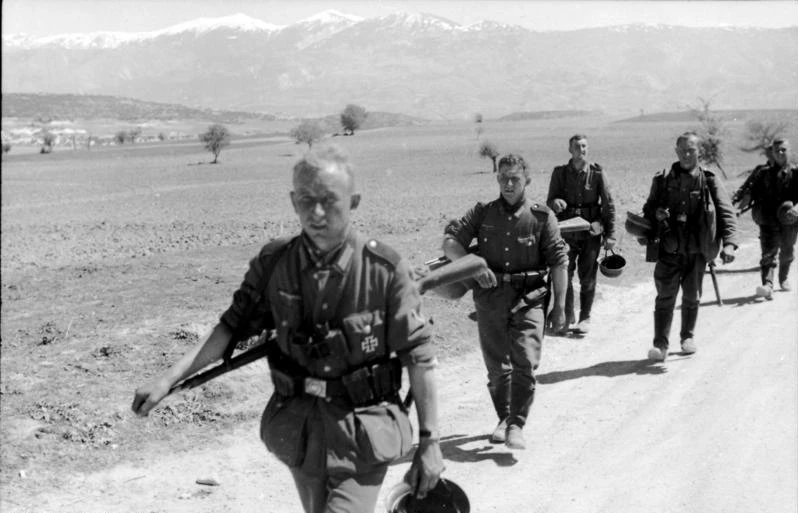
Marita — the invasion of Greece
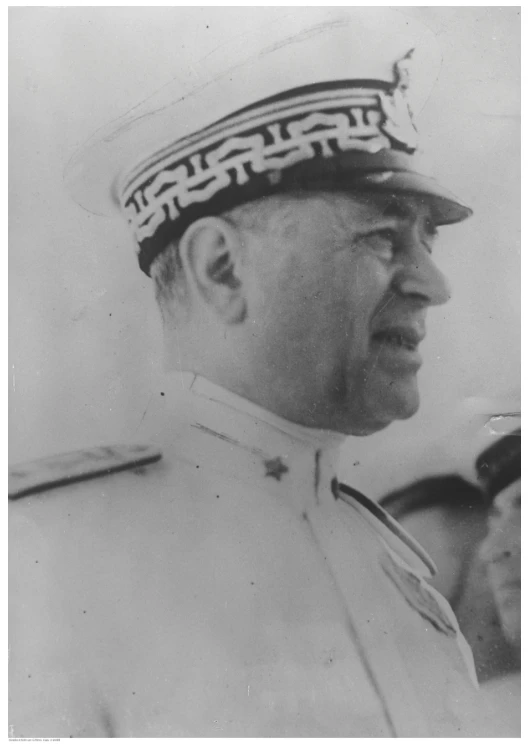
The Regia Marina against Force H — Cape Spartivento
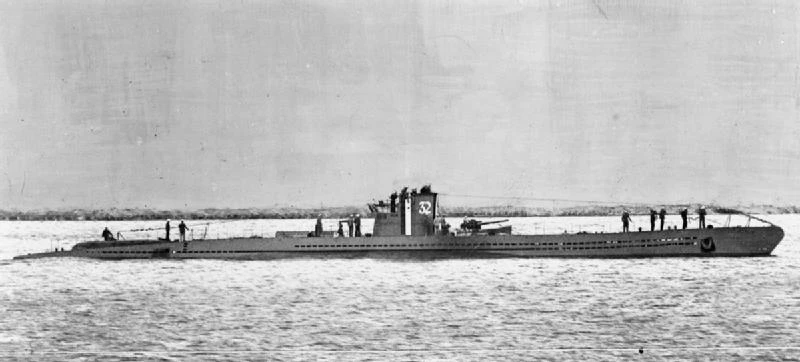
The Giant Adrift off Donegal
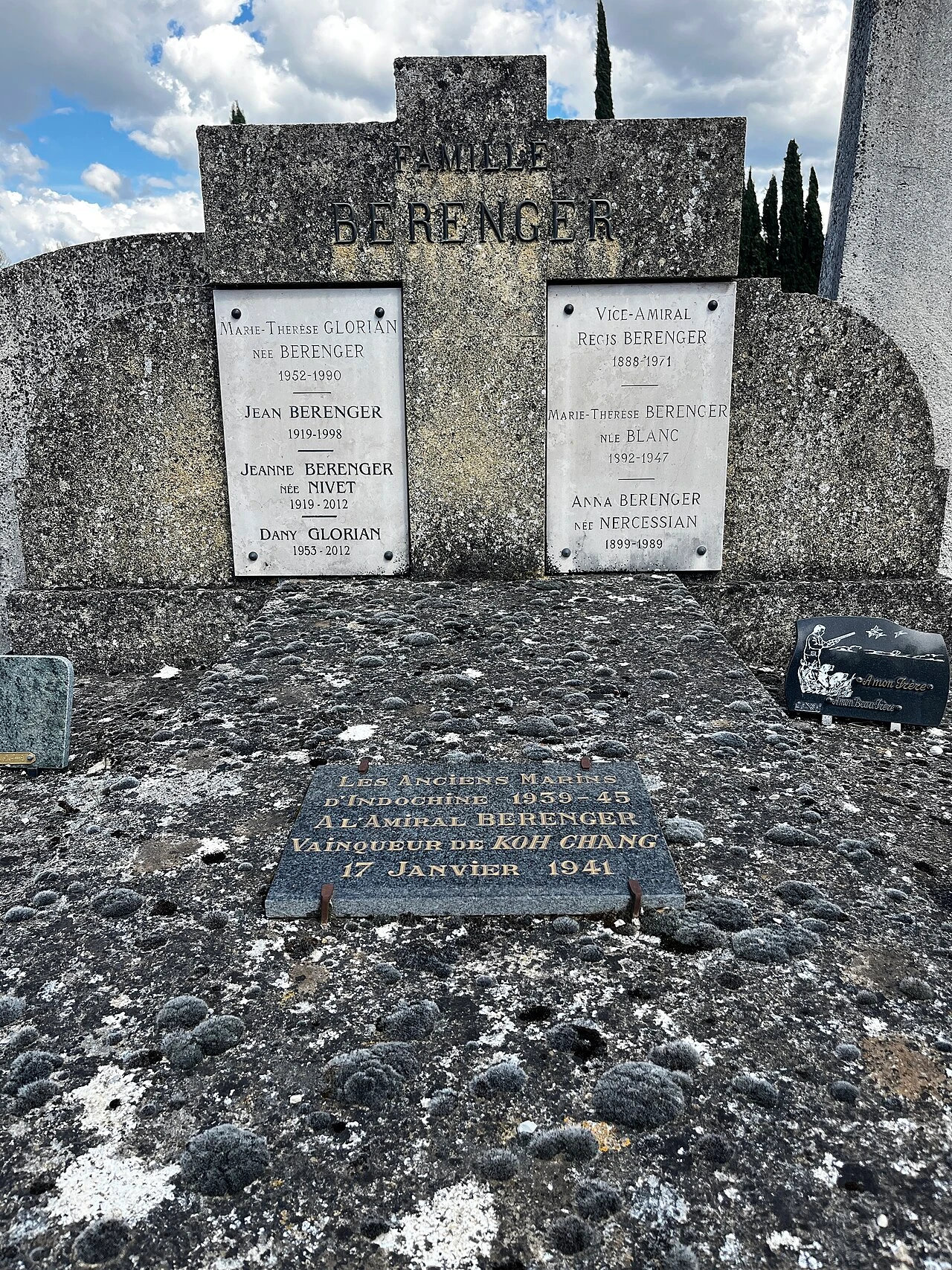
Koh Chang — the Franco-Thai War
The Houx weir
Campioni faces Cunningham off Calabria
The coup de main on Ében-Émael
An escort battleship on the convoy's route
A raider, a convoy and a cruiser escort
Galland over the Estuary
Marita — the invasion of Greece
The Regia Marina against Force H — Cape Spartivento
The Giant Adrift off Donegal
Koh Chang — the Franco-Thai War
The Houx weir
Campioni faces Cunningham off Calabria