
Roosevelt — revising the Neutrality Act
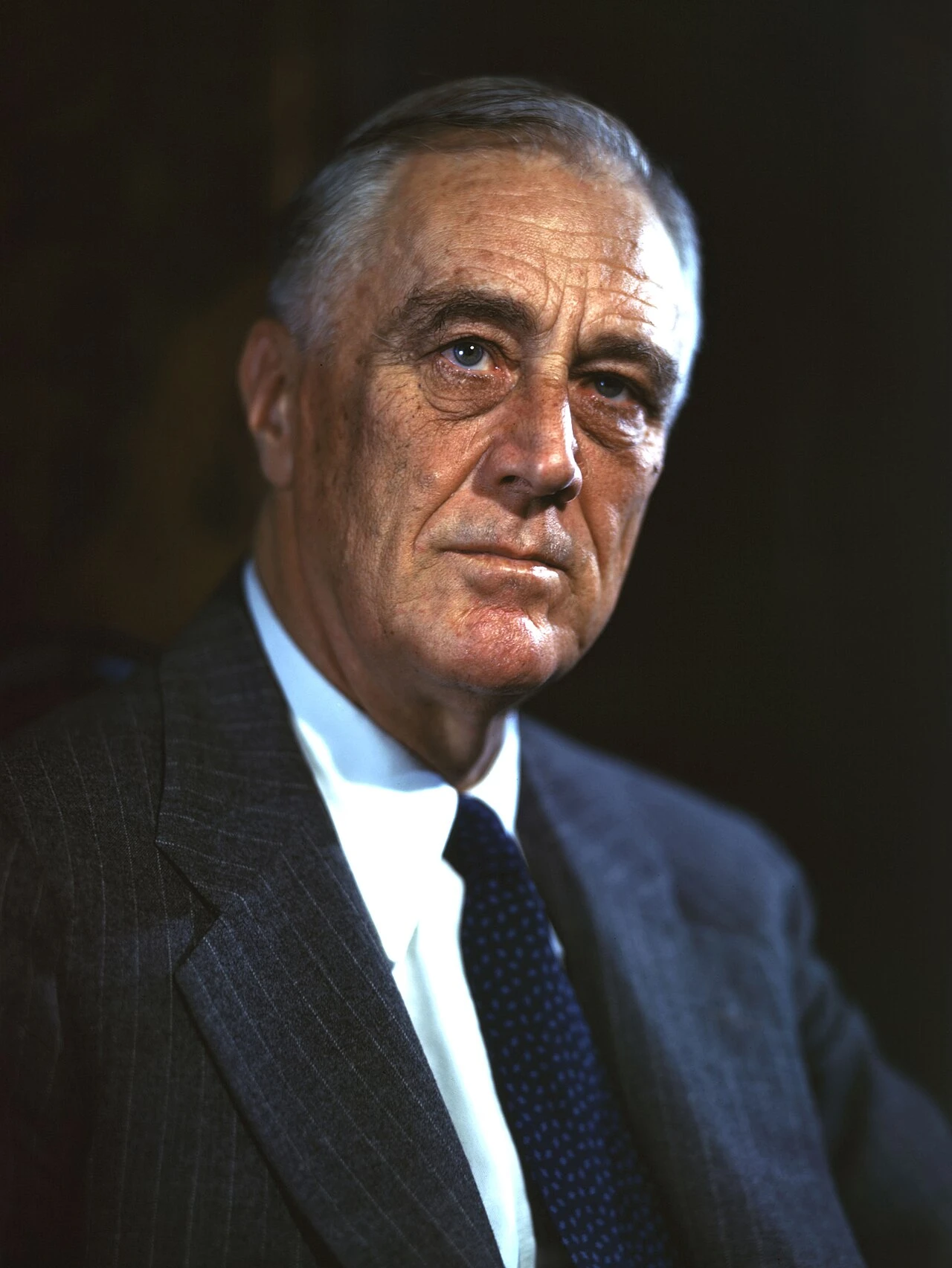
, 57, is into his second presidential term, begun in January 1937. On 1 September 1939, the Neutrality Act of 1937 ties American hands: an automatic embargo on the sale of weapons to any belligerent. A sale of aircraft or guns to France or the United Kingdom is illegal. Roosevelt wants to break the embargo without crossing the political threshold of an entry into war that American opinion massively rejects (75 percent of those polled by Gallup in September 1939).
On 5 September he formally proclaims neutrality. In private, he is preparing a revision of the Neutrality Act. On 21 September he calls Congress into special session and lays out a proposal: replace the automatic embargo with a "Cash and Carry" formula — belligerents may buy arms and ammunition provided they pay in dollars on the nail and carry the goods away on their own ships (which in practice means only the British and French — the Allied naval blockade excludes Germany).
The debate in Congress runs for six weeks. The isolationists, led by Senators Borah, and , oppose the bill. Roosevelt leans on (State) and Senator . Lindbergh, a national hero, campaigns against it in radio broadcasts. Roosevelt must decide how heavily to invest his own person.
How does Roosevelt push the vote through?
Roosevelt chooses B. He keeps clear of any major national address and negotiates behind the scenes with Democratic senators and moderate Republicans (Vandenberg included). and (Postmaster General) run the campaign on the ground. The bill passes the Senate on 27 October (63 to 30), the House on 2 November (243 to 181), and is signed by Roosevelt on 4 November 1939. The amended Neutrality Act opens the door to arms sales to France and the United Kingdom, which immediately place massive orders. It is the first real tilt of the United States toward the Allied camp. The "Cash and Carry" doctrine would evolve into the Lend-Lease Act (March 1941), and then into American entry into the war after Pearl Harbor (December 1941). Roosevelt would later call the victory of 4 November 1939 "the first step that allowed democracy to survive".
Learn more about this event
Related polls
10
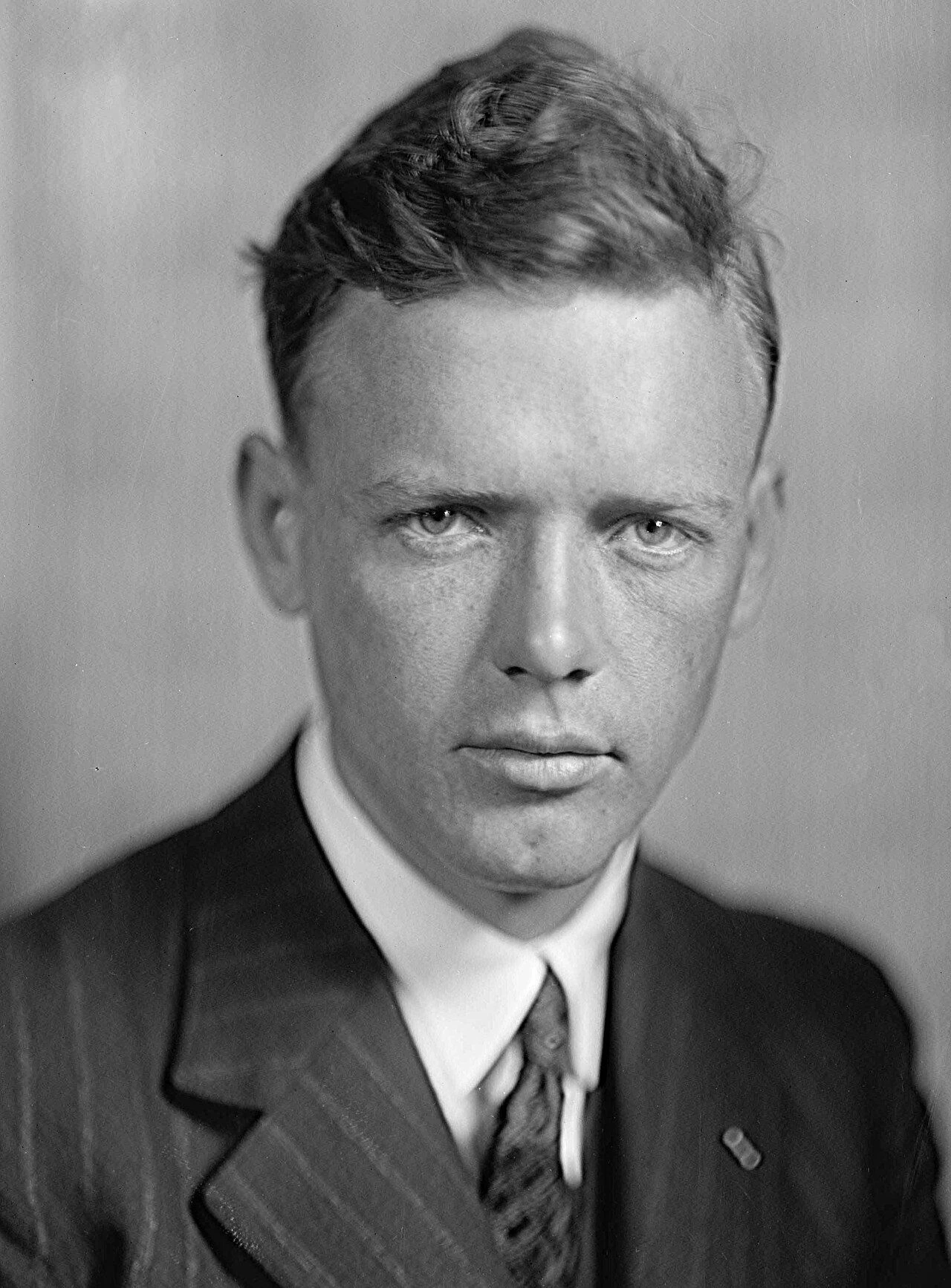
Charles Lindbergh — at the NBC Microphone
Sumner Welles — Preparing the European Mission
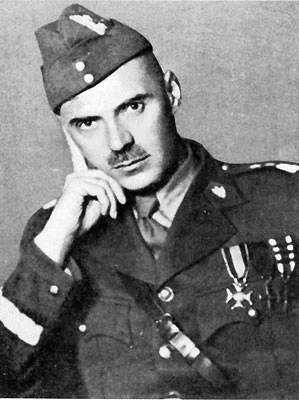
Anders in the Lubyanka
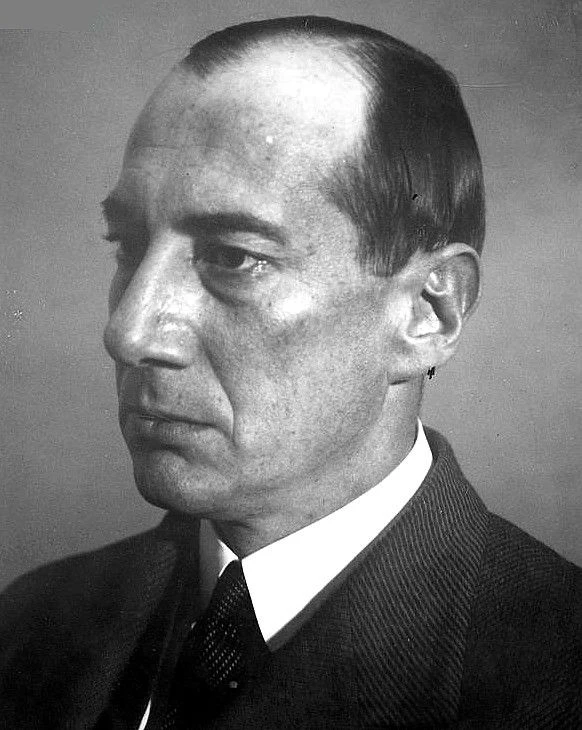
Beck in Bucharest — the Internee
Czerniaków — the offer of the Judenrat

Daladier — Thorez's Defection
Estonia — Päts Facing the Ultimatum
Should Stalin Be Armed?
Horthy — faced with the German demand
Latvia — Ulmanis and the ultimatum of 5 October
Charles Lindbergh — at the NBC Microphone
Sumner Welles — Preparing the European Mission
Anders in the Lubyanka
Beck in Bucharest — the Internee
Czerniaków — the offer of the Judenrat
Daladier — Thorez's Defection
Estonia — Päts Facing the Ultimatum
Should Stalin Be Armed?
Horthy — faced with the German demand