
At the beginning of June 1940, the French defeat was a foregone conclusion. , who had kept Italy out of the conflict since September 1939 ("non-belligerence"), saw the opportunity to reap the fruits of the German victory at little cost. The Italian army was, however, ill-prepared for a major war, as its own military leaders warned.
The calculation was cynical: to enter the war now, while France was in its death throes, would make it possible to claim Nice, Savoy, Corsica, Djibouti, colonial gains — and to sit at the victors' table alongside Hitler. But the military unpreparedness risked turning the windfall into a humiliation.
Mussolini could declare war immediately to join in the kill and reap territorial gains. To remain non-belligerent until the army was ready, perhaps negotiating compensation. Or to confine himself to diplomatic support for Germany without committing his forces. He knew the window of opportunity was narrow: if France capitulated before he acted, he would have missed everything.
Should Mussolini declare war now, remain non-belligerent, or confine himself to diplomatic support?
Mussolini chose A: on 10 June 1940, Italy declared war on France and the United Kingdom, and attacked in the Alps on 20 June. But the Italian offensive, ill-prepared, came up against a French Army of the Alps vastly inferior in number that held its positions: the gains were derisory and the operation turned into a military humiliation. Roosevelt denounced the "stab in the back". The entry into the war, motivated by the lure of spoils, durably committed Italy to a conflict for which it was not ready, and which would prove disastrous for the Fascist regime.
Learn more about this event
Related polls
10
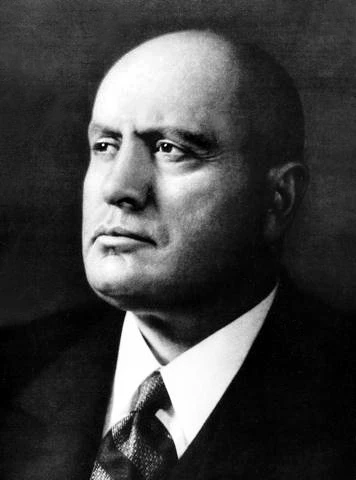
Mussolini on the Riviera — 21 June
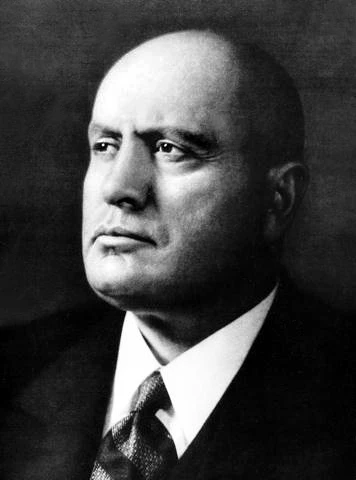
Mussolini, the Duce and the "Fait Accompli" — Rome, 15 October 1940
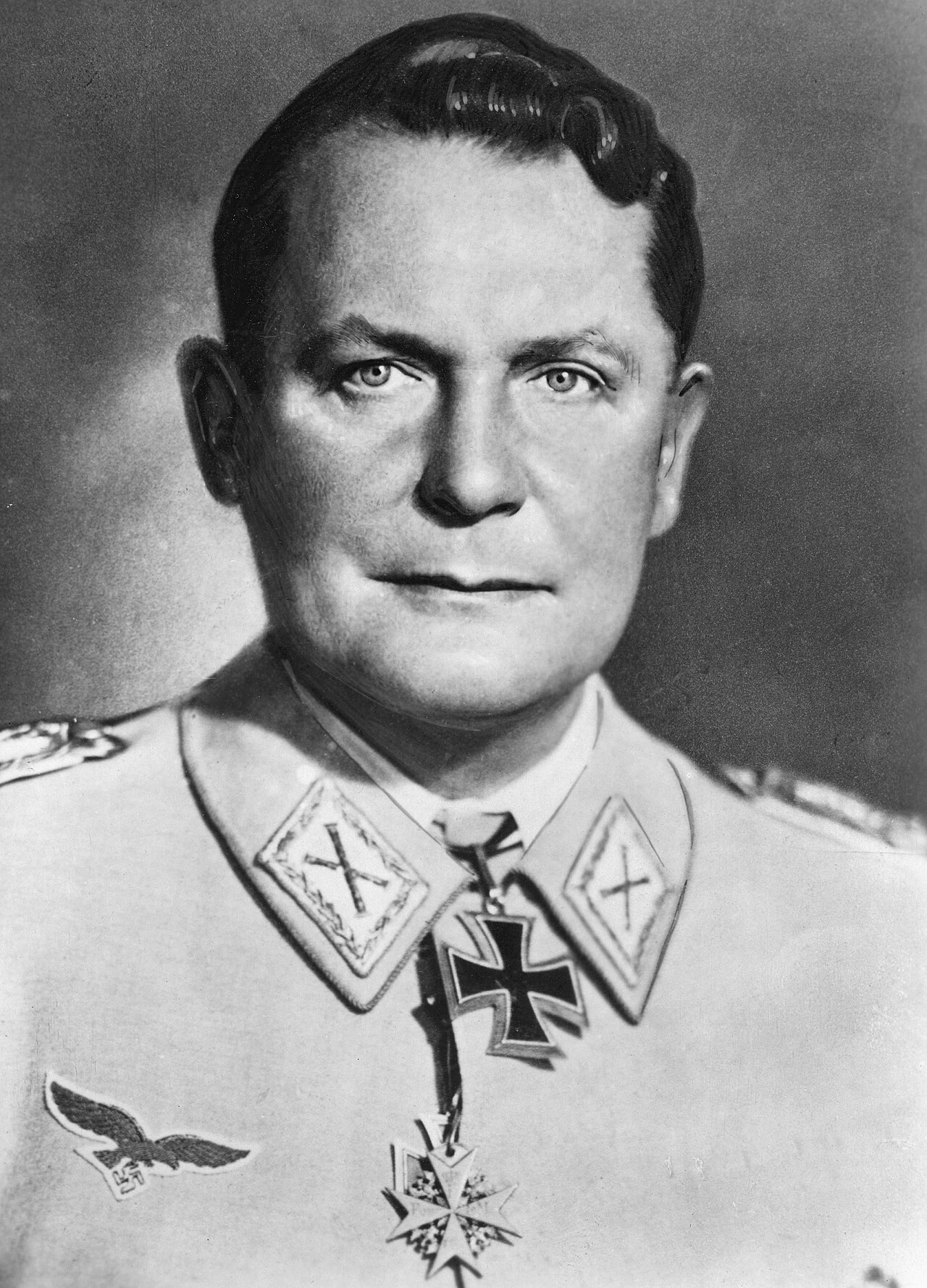
Goering at Carinhall — the promise to Hitler
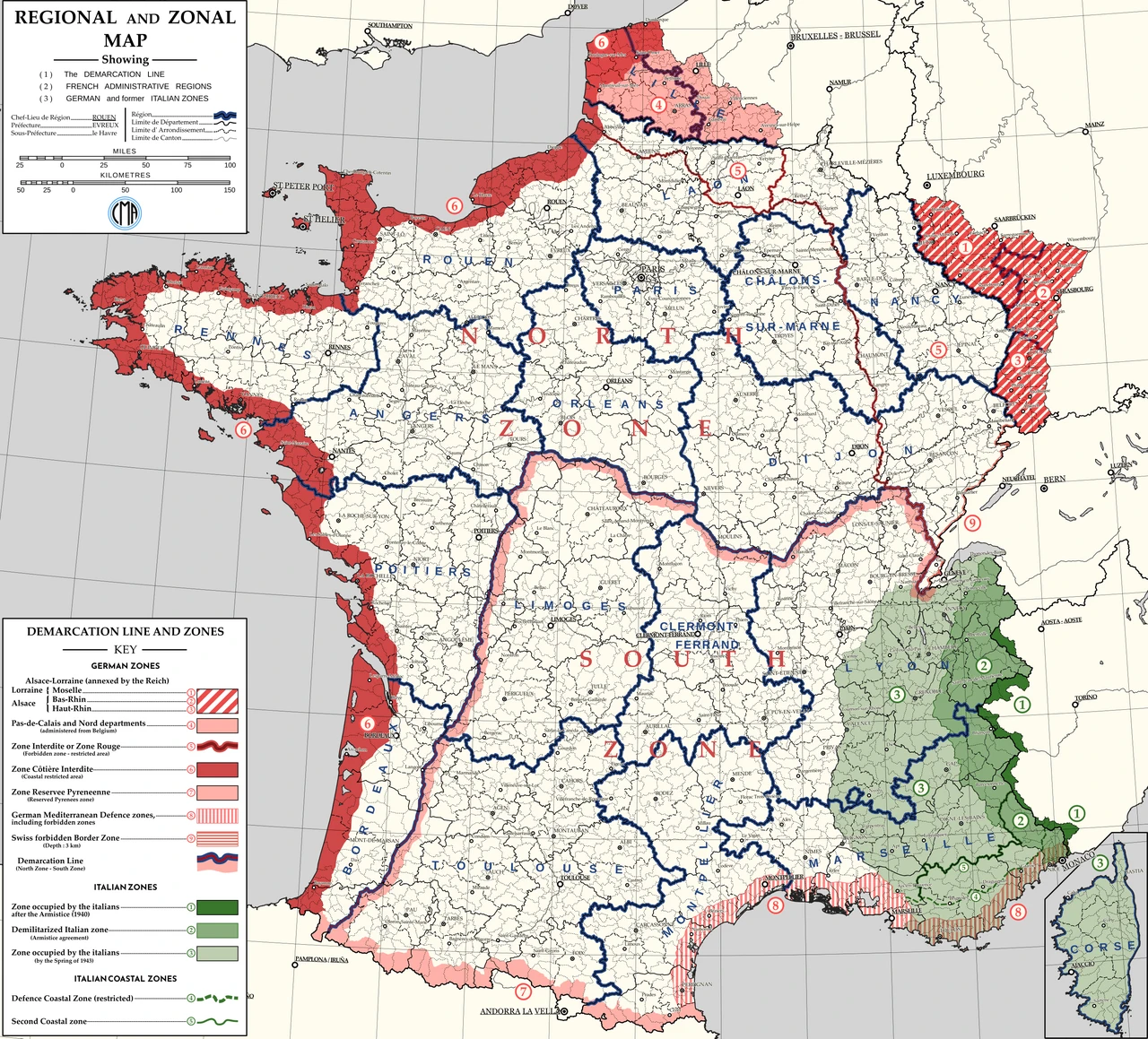
Wiesbaden — Tracing the Demarcation Line
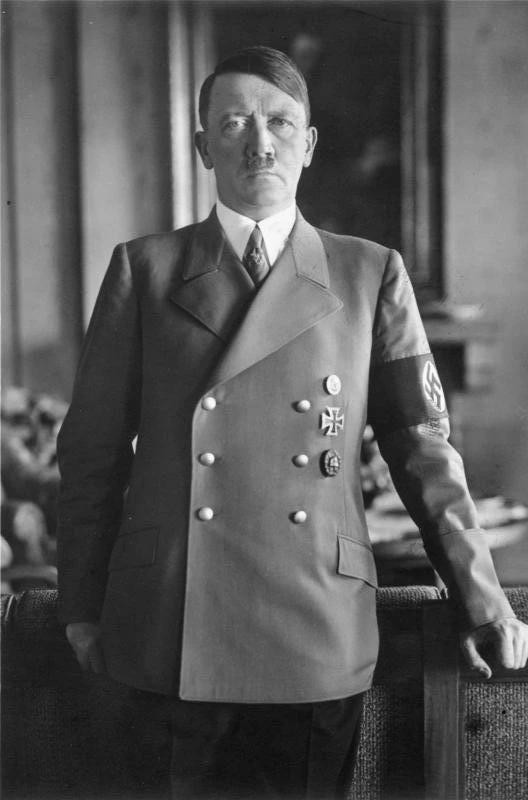
Gibraltar after the rebuff at Hendaye
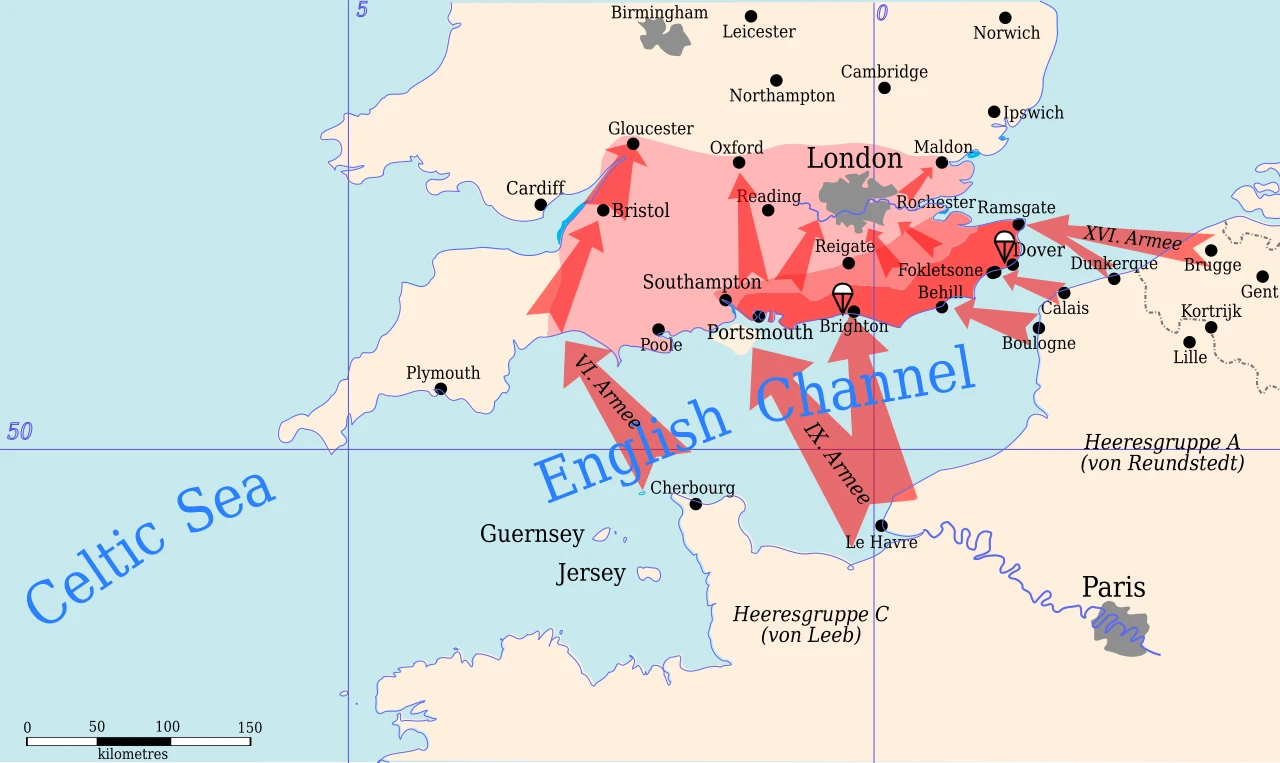
Hitler faces Sea Lion — September 17
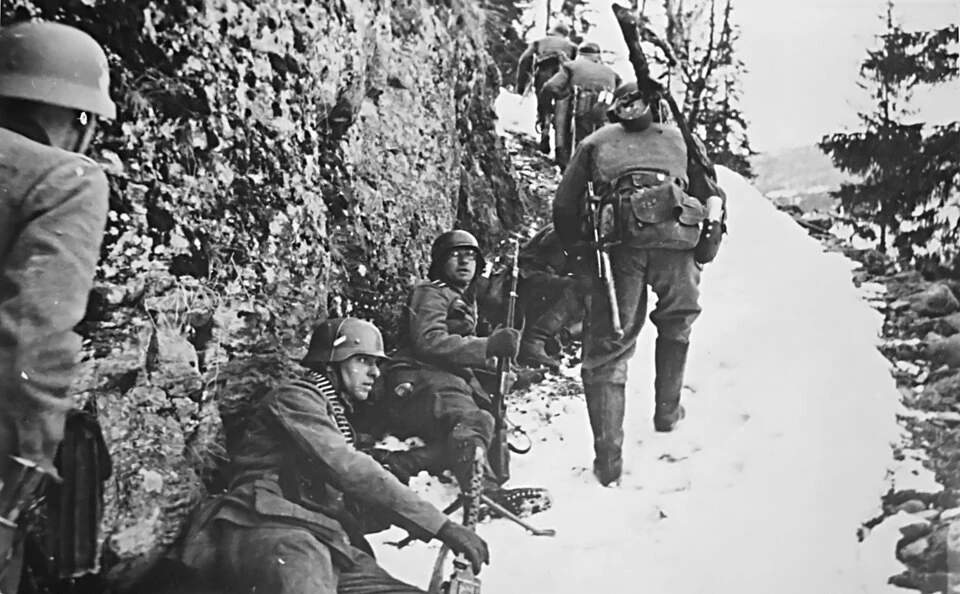
Weserübung — directive of 1 March
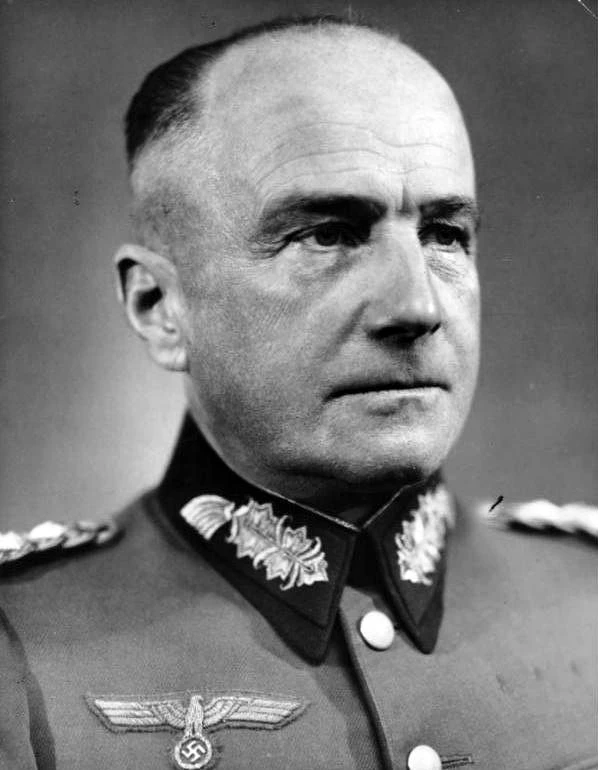
Brauchitsch — Reich Chancellery, 5 November
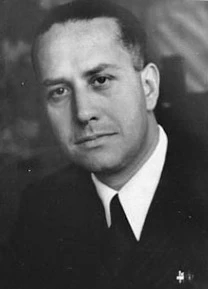
Ciano summons the ambassadors — 10 June
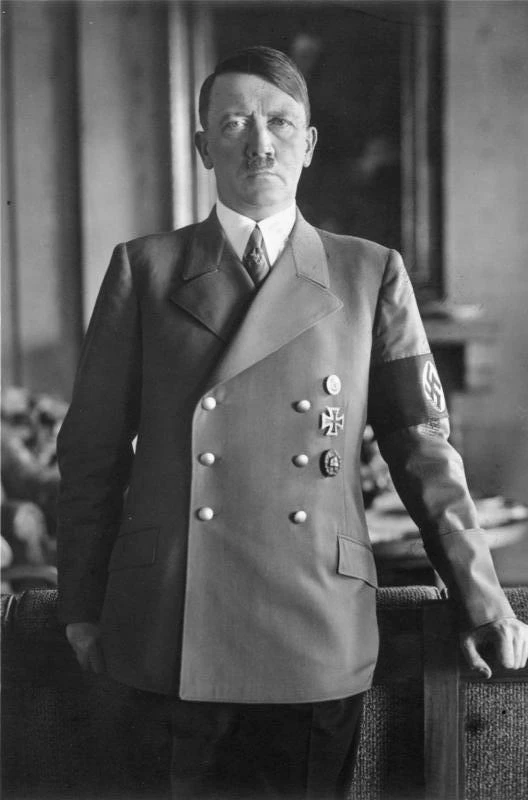
Hitler After Molotov — Berlin, November 1940
Mussolini on the Riviera — 21 June
Mussolini, the Duce and the "Fait Accompli" — Rome, 15 October 1940
Goering at Carinhall — the promise to Hitler
Wiesbaden — Tracing the Demarcation Line
Gibraltar after the rebuff at Hendaye
Hitler faces Sea Lion — September 17
Weserübung — directive of 1 March
Brauchitsch — Reich Chancellery, 5 November
Ciano summons the ambassadors — 10 June