
'Fortresses do not surrender'
The Roupel fort locks the gorge of the same name, where the river Strymon crosses the frontier between Bulgaria and Greek Macedonia. It is one of the key works of the Metaxas Line, the string of fortifications meant to bar the road to invaders coming from the north. Its commander, Lieutenant-Colonel , knows that his position is a prime target.
On 6 April 1941, Germany launches Operation Marita. General 's hurls itself against the Metaxas Line while other columns bypass the defences through a collapsed Yugoslavia. The pressure on Roupel is immediate and brutal: artillery bombardments, infantry assaults, air support.
Very quickly, the strategic situation becomes desperate. The Germans are advancing elsewhere, Salonika is threatened, and the forts of the line find themselves isolated, outflanked in their rear. The German emissaries, impressed by the resistance, summon Douratsos to raise the white flag: the struggle is in vain, he is told, better to spare his men.
The commander must answer: capitulate to preserve his garrison, or hold his fort cut off from the rest.
Should Douratsos capitulate in the face of the German summons, or go on defending his isolated fort?
Douratsos chose B: he refused the summons. To the enemy pressing him to surrender, he is said to have replied: 'Fortresses do not surrender, they are taken.' Roupel and the other works of the Metaxas Line held out for four days, inflicting losses and forcing the Germans to alter their plans. It was only at dawn on 10 April, and only on the order to capitulate issued by the Greek General Headquarters — after the collapse of the front and the fall of Salonika — that Douratsos ceased fire. The German colonel personally saluted the 'valiant defence' and rendered military honours to the Greek officers. Roupel entered national legend as the 'Macedonian Thermopylae', the symbol of an army defeated but not dishonoured.
Learn more about this event
Related polls
10
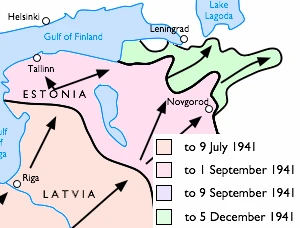
Barbarossa — 3:15 a.m.
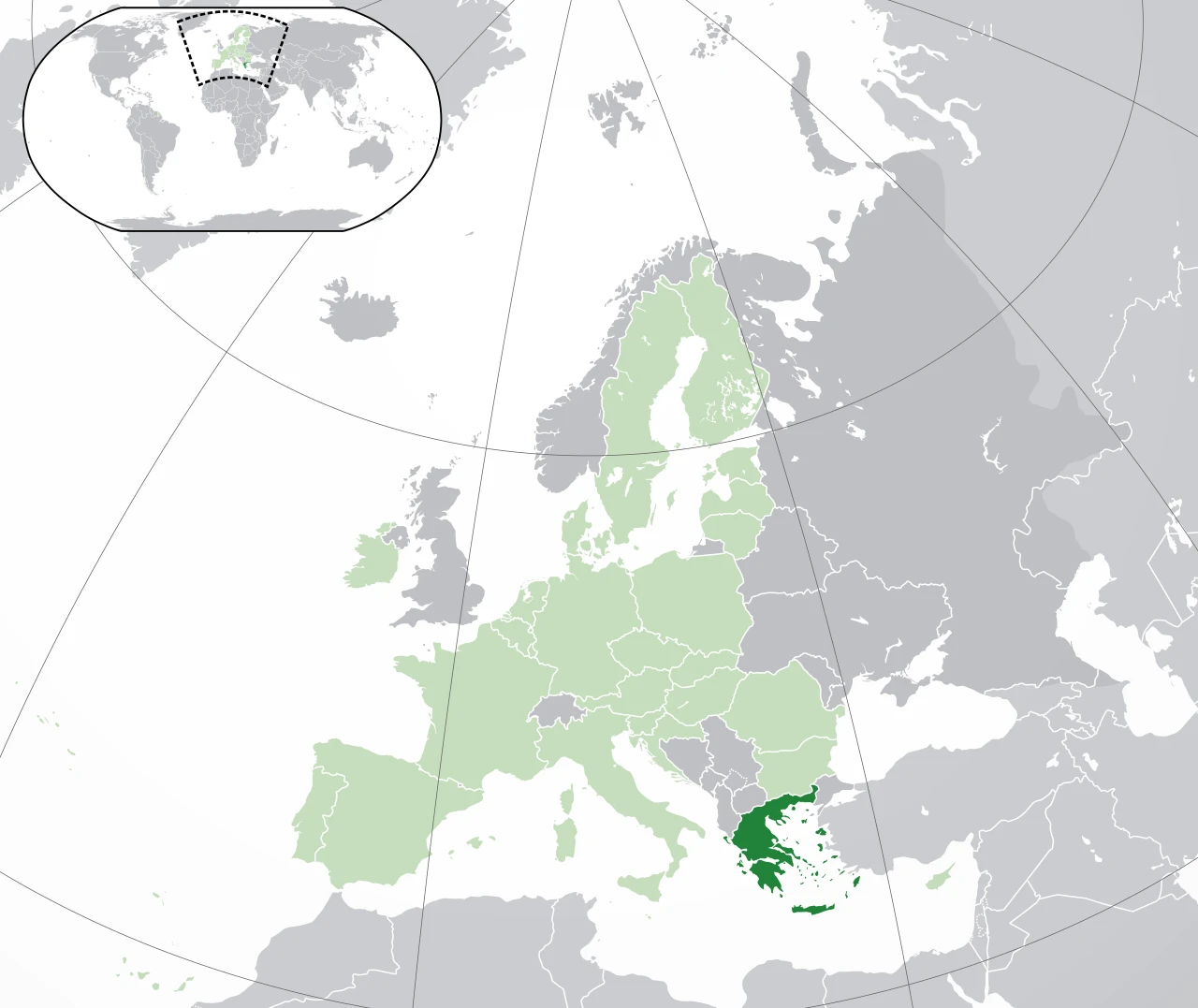
Salonika lost: surrendering the Metaxas Line
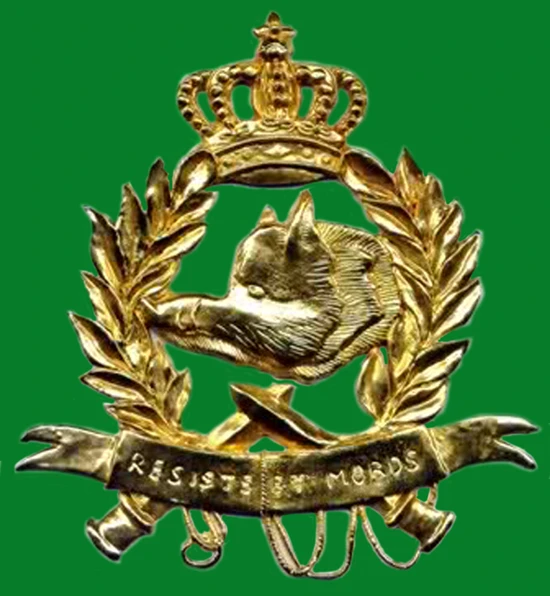
The abatis of the Chasseurs Ardennais
The ANZACs at Thermopylae
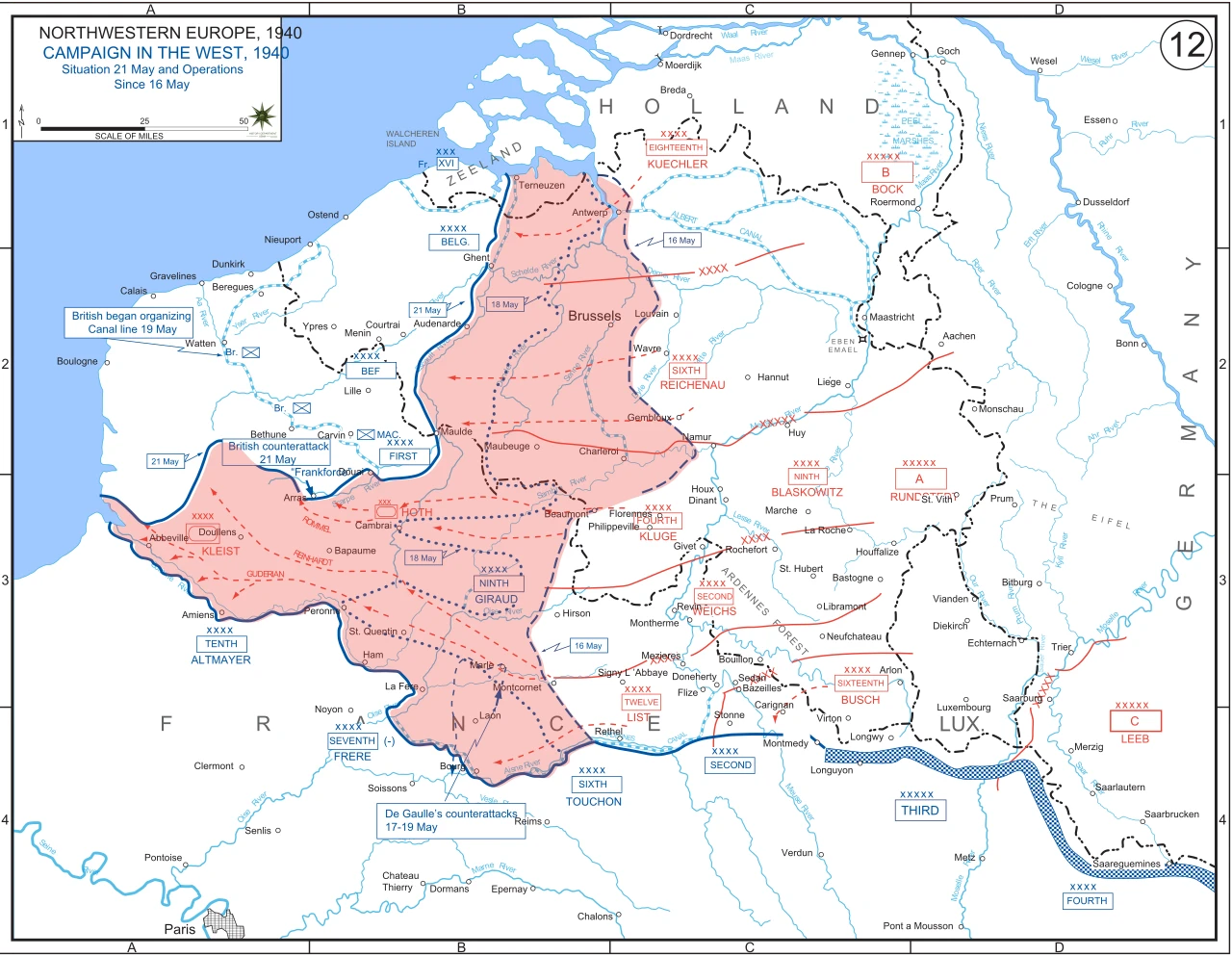
The Battle of the Lys
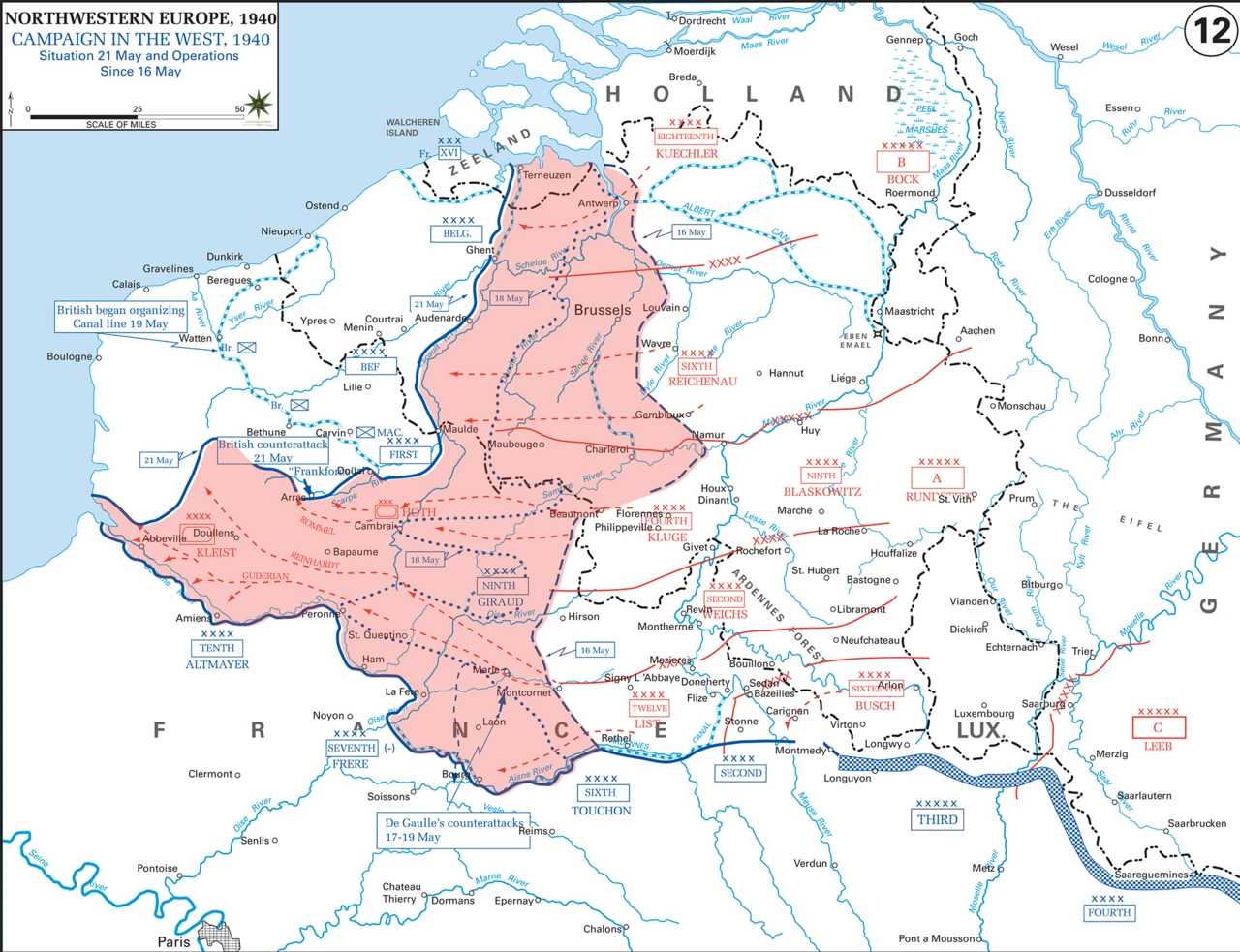
Boulogne — Fox-Pitt and the Guards facing the port
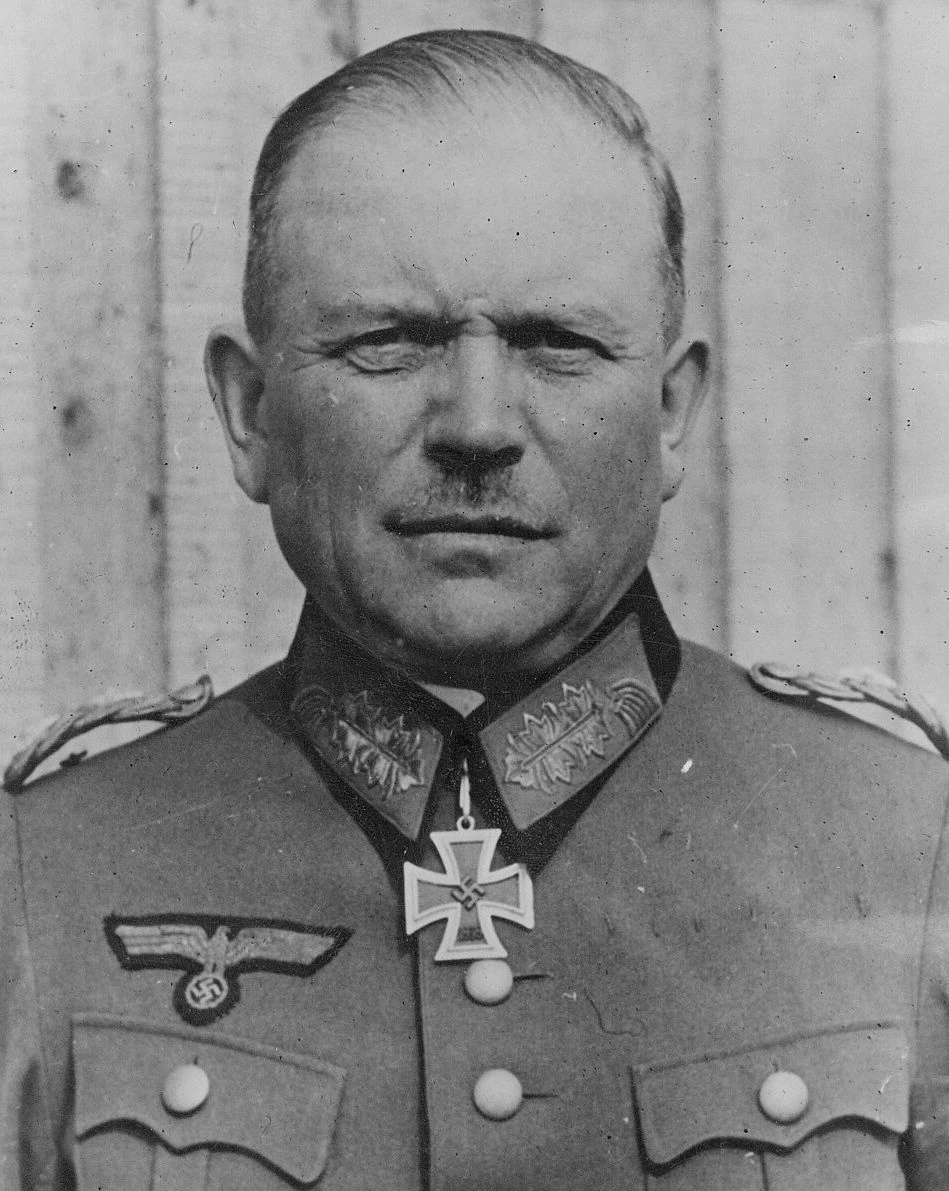
Brześć — Plisowski faces Guderian
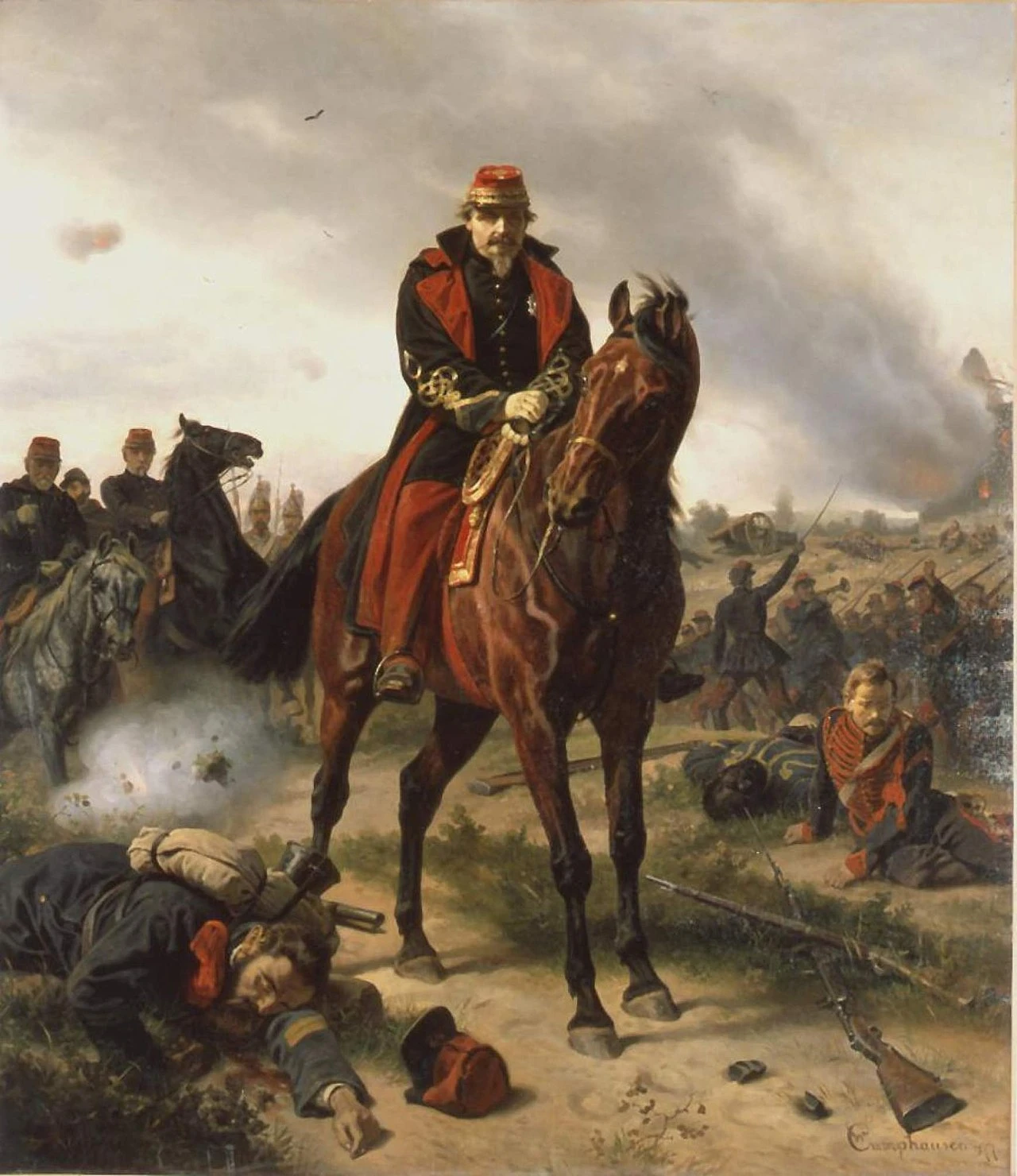
Bulson — Lafontaine and the 02:00 rumour
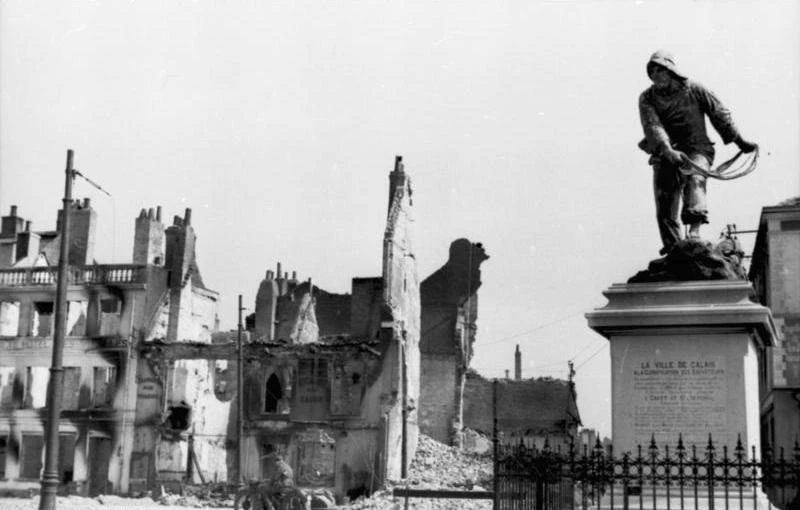
Calais — Nicholson facing the ultimatum
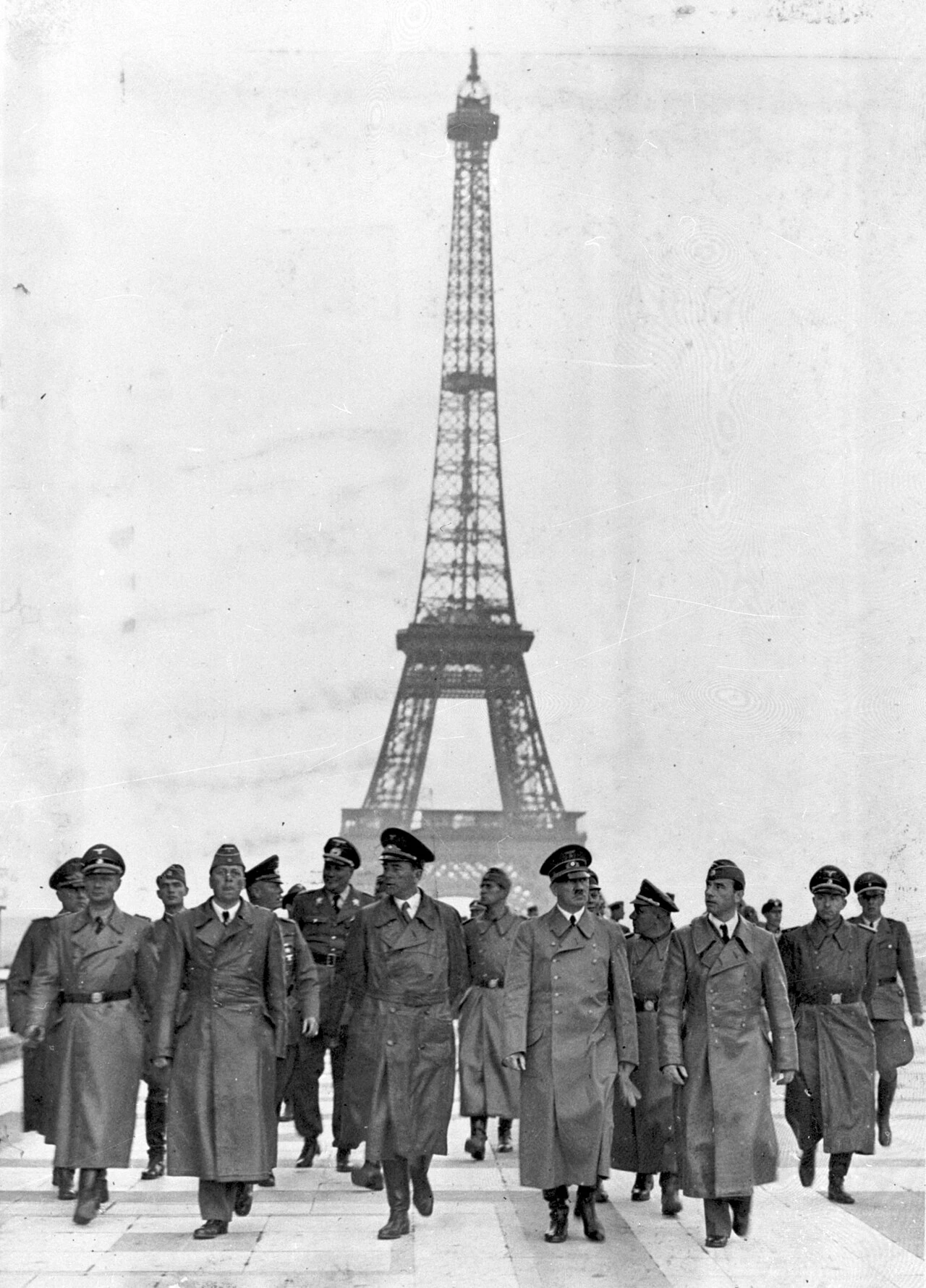
The Defence of Boulogne
Barbarossa — 3:15 a.m.
Salonika lost: surrendering the Metaxas Line
The abatis of the Chasseurs Ardennais
The ANZACs at Thermopylae
The Battle of the Lys
Boulogne — Fox-Pitt and the Guards facing the port
Brześć — Plisowski faces Guderian
Bulson — Lafontaine and the 02:00 rumour
Calais — Nicholson facing the ultimatum