
Lodz — sealing the ghetto
An official of the Litzmannstadt municipal administration — the German name imposed on Lodz after annexation to the Reichsgau Wartheland — applies in April 1940 a decision prepared since autumn. The city, Poland's second, holds the largest Jewish community in the incorporated territory.
Since the ghettoisation decree announced on 8 February 1940, the northern quarter, the most insalubrious — Baluty and the old town — has been designated to enclose some 160,000 people. The German health services demand a "hermetic" sealing in the name of epidemic risk; the administration sees it as a "provisional" measure, pending later expulsion or transfer.
The official has the figures before him: contemplated rations, density of overcrowding, the absence of any serious supply plan. To wall off this quarter is to cut 160,000 inhabitants off from the city, from their work, from their reserves, without his knowing what consequences will follow or on what timescale. The order to establish the cordon and barriers is ready for this 30 April 1940. Its perimeter and rigour remain to be decided.
Should you seal this quarter as planned, delay the operation, or limit its scope?
The official chose A. On 30 April 1940, the Lodz ghetto was hermetically sealed: some 160,000 Jews were enclosed behind barbed wire and guard posts, the first great sealed ghetto in occupied Europe. Cut off from everything, they depended on derisory rations: hunger became, in effect, a weapon. The "productionist" logic — making the ghetto work rather than letting it die at once — eventually prevailed locally: dozens of workshops were set up there. This did not lift the hunger. In 1941, more than 11,000 people died there from exhaustion and disease. The Lodz ghetto would be the most enduring in the Reich, liquidated only in the summer of 1944 toward Chelmno and Auschwitz. The administrative decision of 1940 inaugurated the model of confinement applied later to Warsaw and elsewhere.
Learn more about this event
Related polls
10
Serov — 10 February 06:00 at Lwów
AB Aktion — planning at the Wawel
Forster — Kashubians and Kociewiacy
Greiser — the Priority of the Wartheland
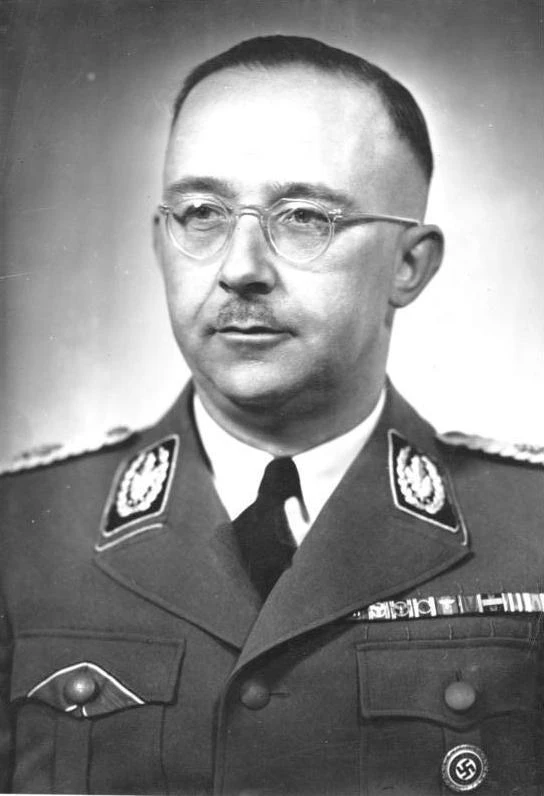
Himmler's memorandum to the Führer
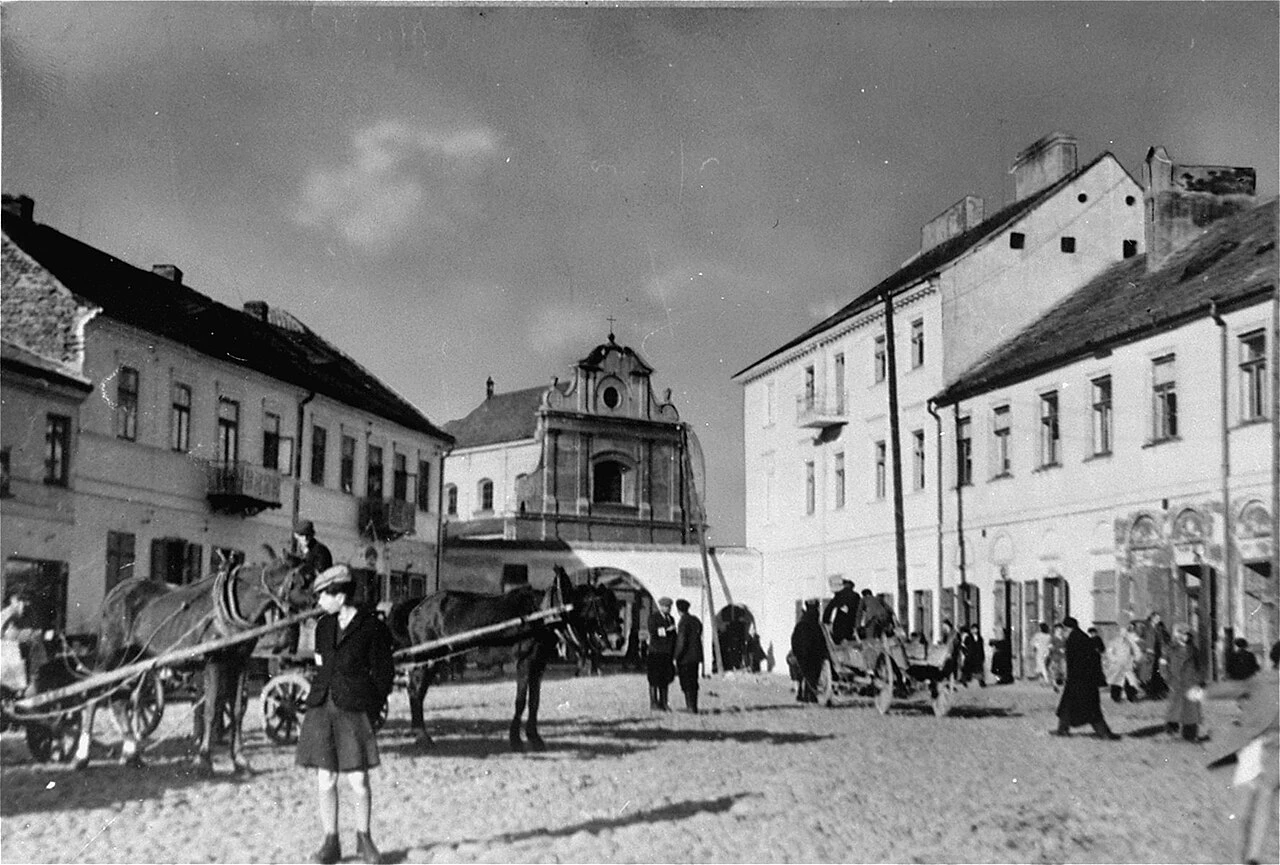
Piotrkow — Tenenberg Facing the Judenrat
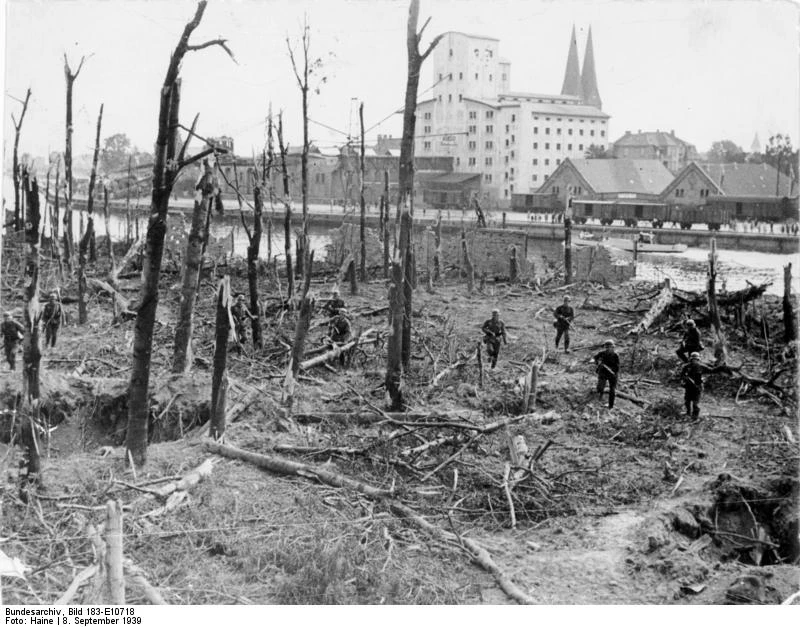
A Danzig Customs Officer on the Day of Annexation
The Madagascar Plan on paper
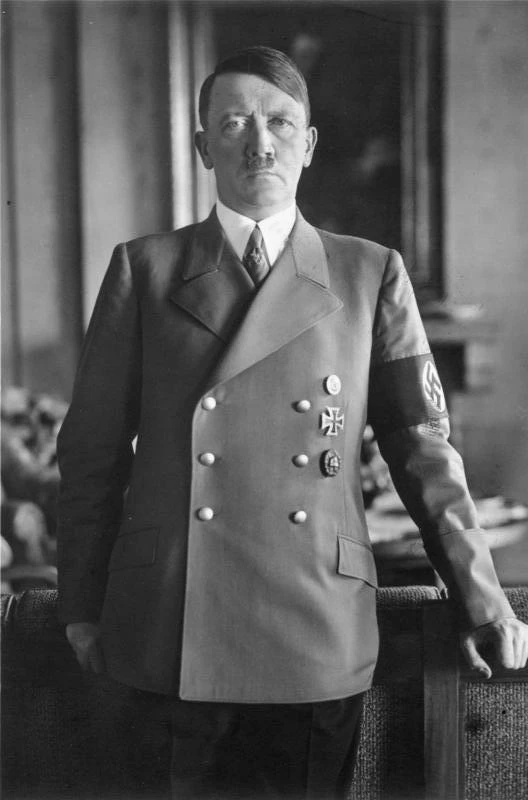
The Obersalzberg Speech
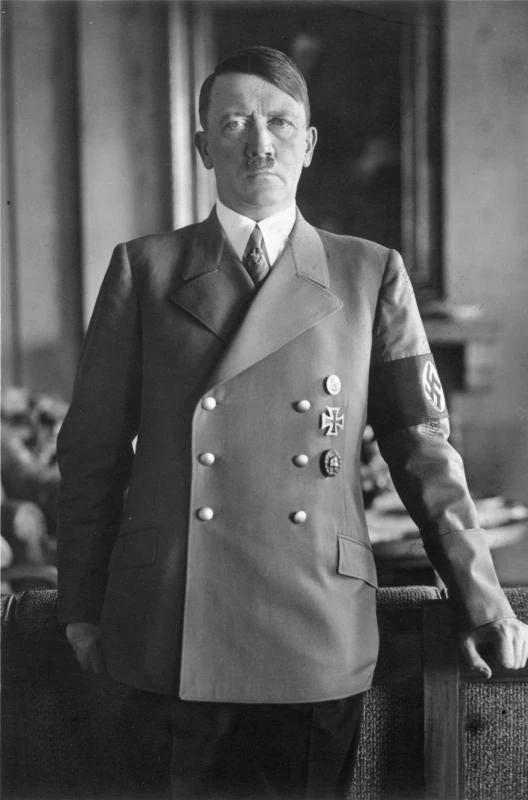
The Prophecy Speech
Serov — 10 February 06:00 at Lwów
AB Aktion — planning at the Wawel
Forster — Kashubians and Kociewiacy
Greiser — the Priority of the Wartheland
Himmler's memorandum to the Führer
Piotrkow — Tenenberg Facing the Judenrat
A Danzig Customs Officer on the Day of Annexation
The Madagascar Plan on paper
The Obersalzberg Speech