
The "Halt Order" before Dunkirk
On 24 May 1940, the German armoured divisions, after their lightning dash to the Channel, are no more than some twenty kilometres from Dunkirk, the last port through which the British Expeditionary Force and French troops can hope to escape. The prey seems within reach.
Yet the high command hesitates. The Panzers are worn out by two weeks of offensive operations, the Flanders terrain cut by canals is unfavourable to tanks, and they must be husbanded for the second phase of the campaign, against the bulk of the French army to the south. Göring, moreover, gives assurances that the Luftwaffe can annihilate the pocket on its own.
The German command must decide. It may halt the armour to preserve it and entrust the destruction of the pocket to the air force and the infantry. It may launch the Panzers immediately to storm the port and bar any evacuation. Or it may adopt an intermediate solution, cautiously tightening the noose. The decision will weigh on the fate of hundreds of thousands of encircled Allied soldiers.
Should the German command halt the Panzers before Dunkirk, launch them in an assault, or cautiously tighten the noose?
Hitler, endorsing a suggestion by Rundstedt, chooses A: the famous "halt order" (Haltbefehl) of 24 May immobilises the Panzers for several days before Dunkirk. This respite allows the Allies to organise a defence and to launch Operation Dynamo: nearly 338,000 men (British and French) will be evacuated to England between 26 May and 4 June. The Luftwaffe, hampered by bad weather and the RAF, fails to prevent the re-embarkation. The halt order remains one of the most debated decisions of the war: it saves the British army and, ultimately, the United Kingdom's capacity to continue the fight.
Learn more about this event
Related polls
10
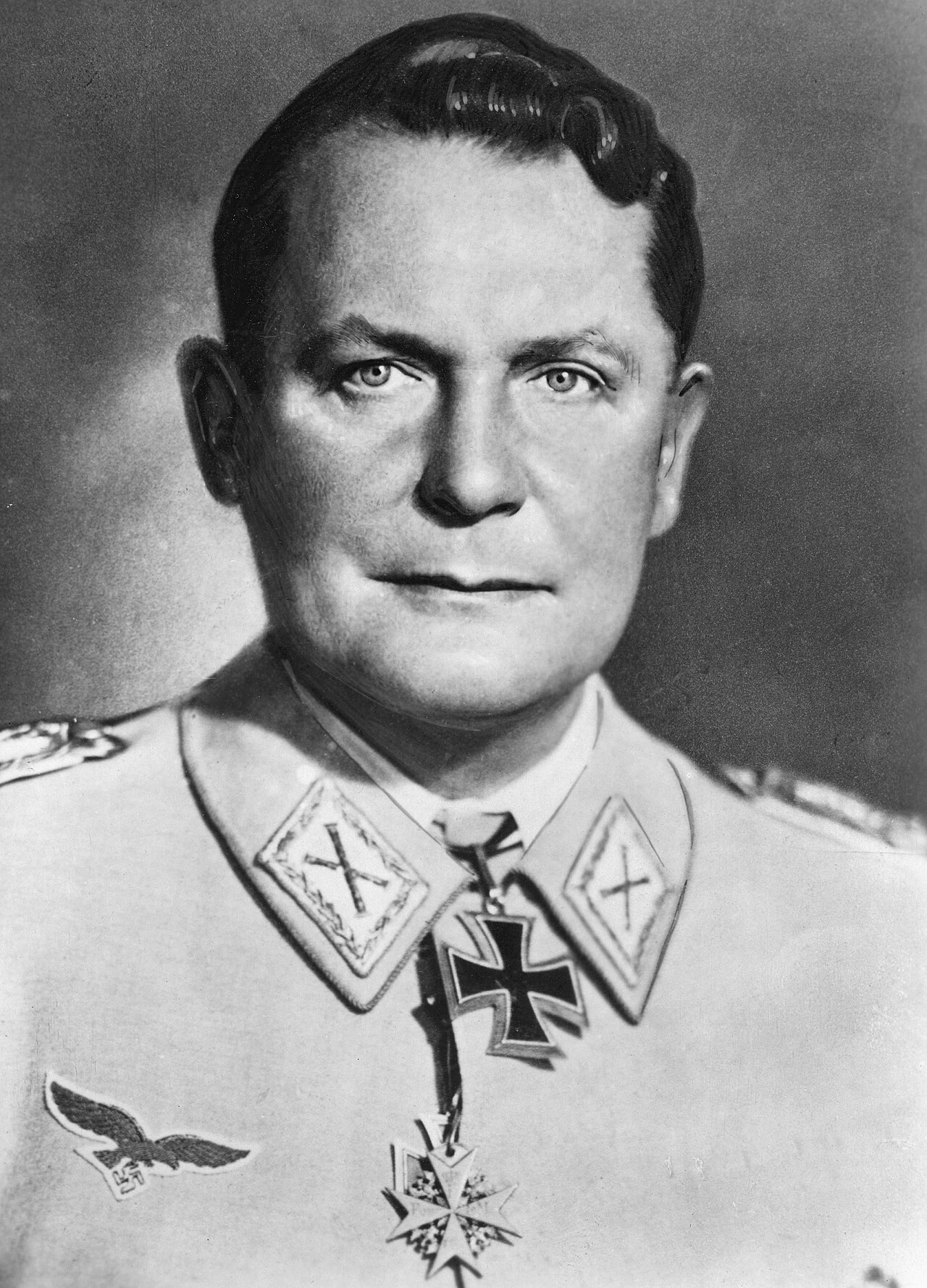
Goering at Carinhall — the promise to Hitler
Göring at Cap Gris-Nez — September 7
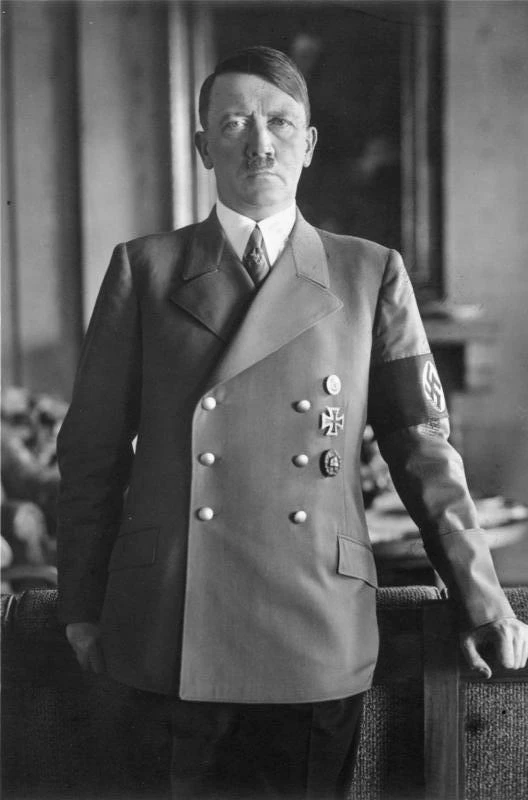
Hitler at the Felsennest — the anguish of the flanks
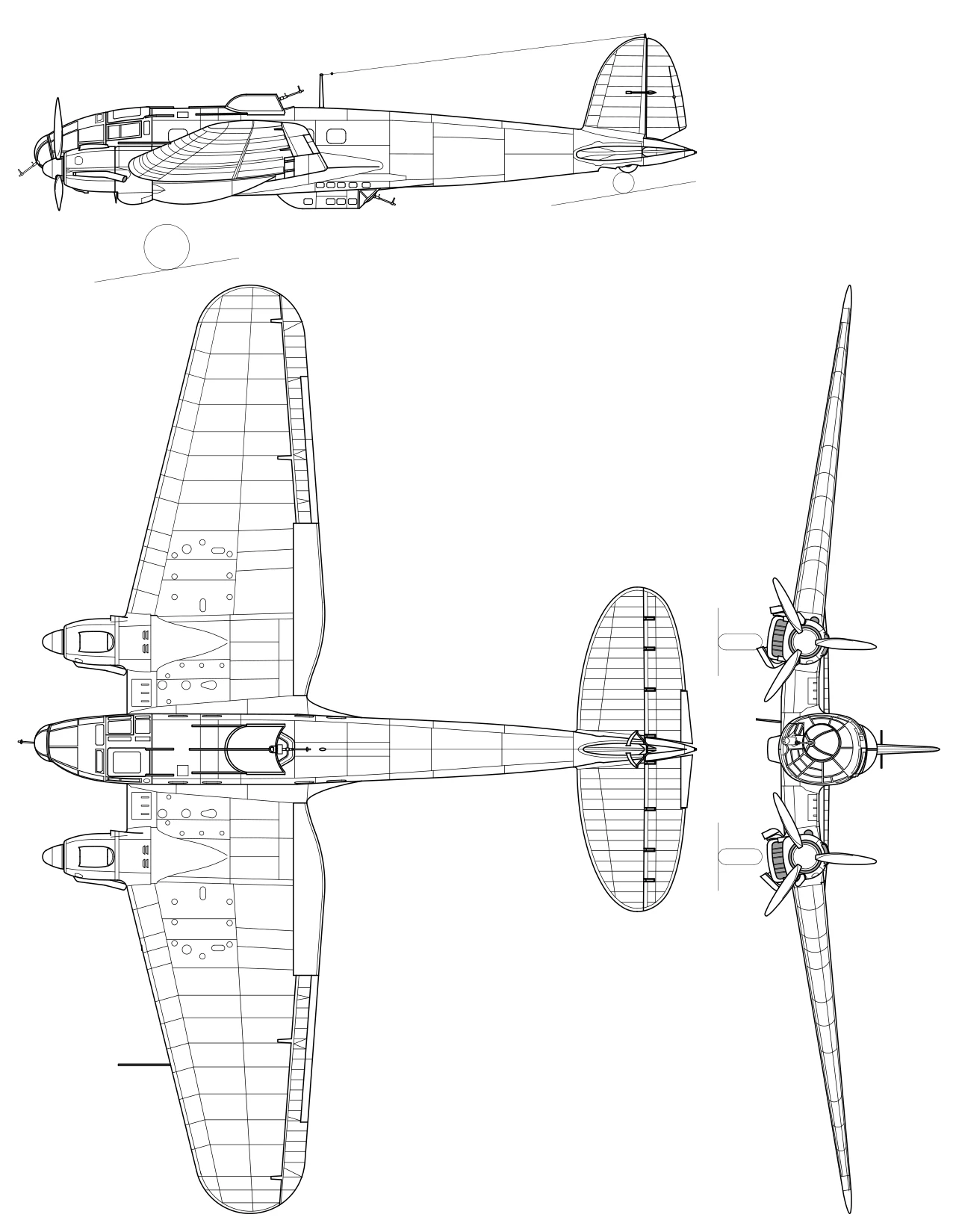
The doctrine of terror bombing
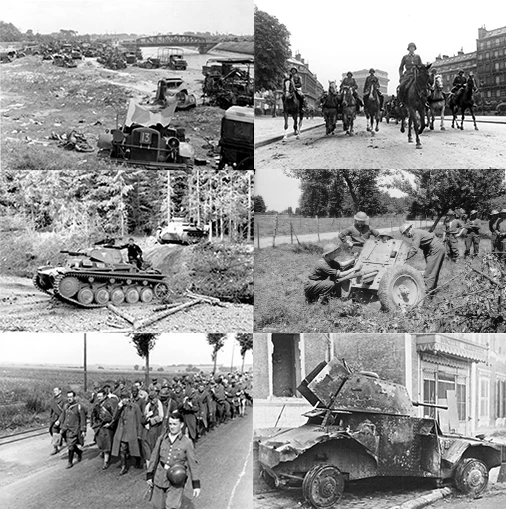
Fall Gelb — the order of 9 May 20:00
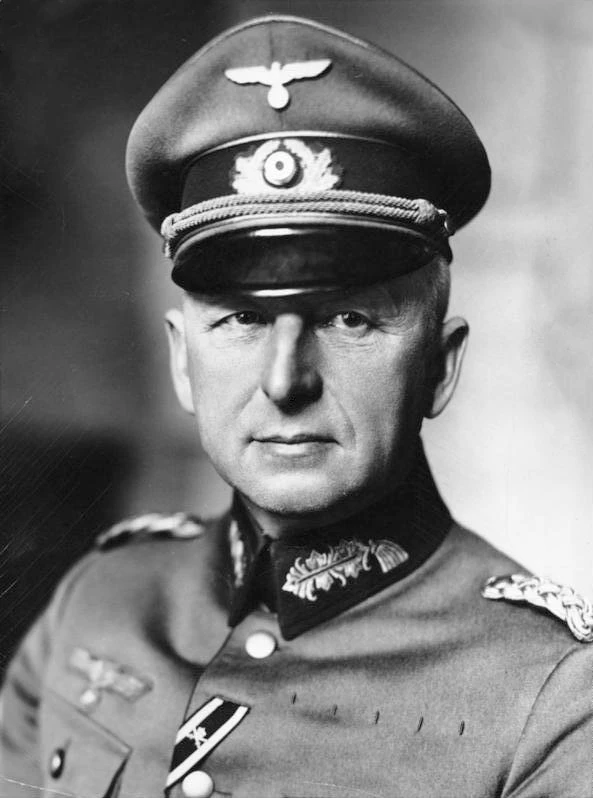
Manstein watches his plan — Koblenz, 10 May
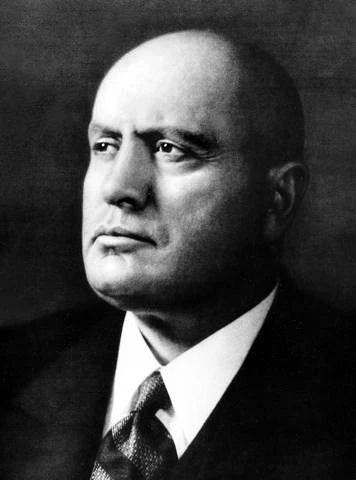
Mussolini and the entry into the war
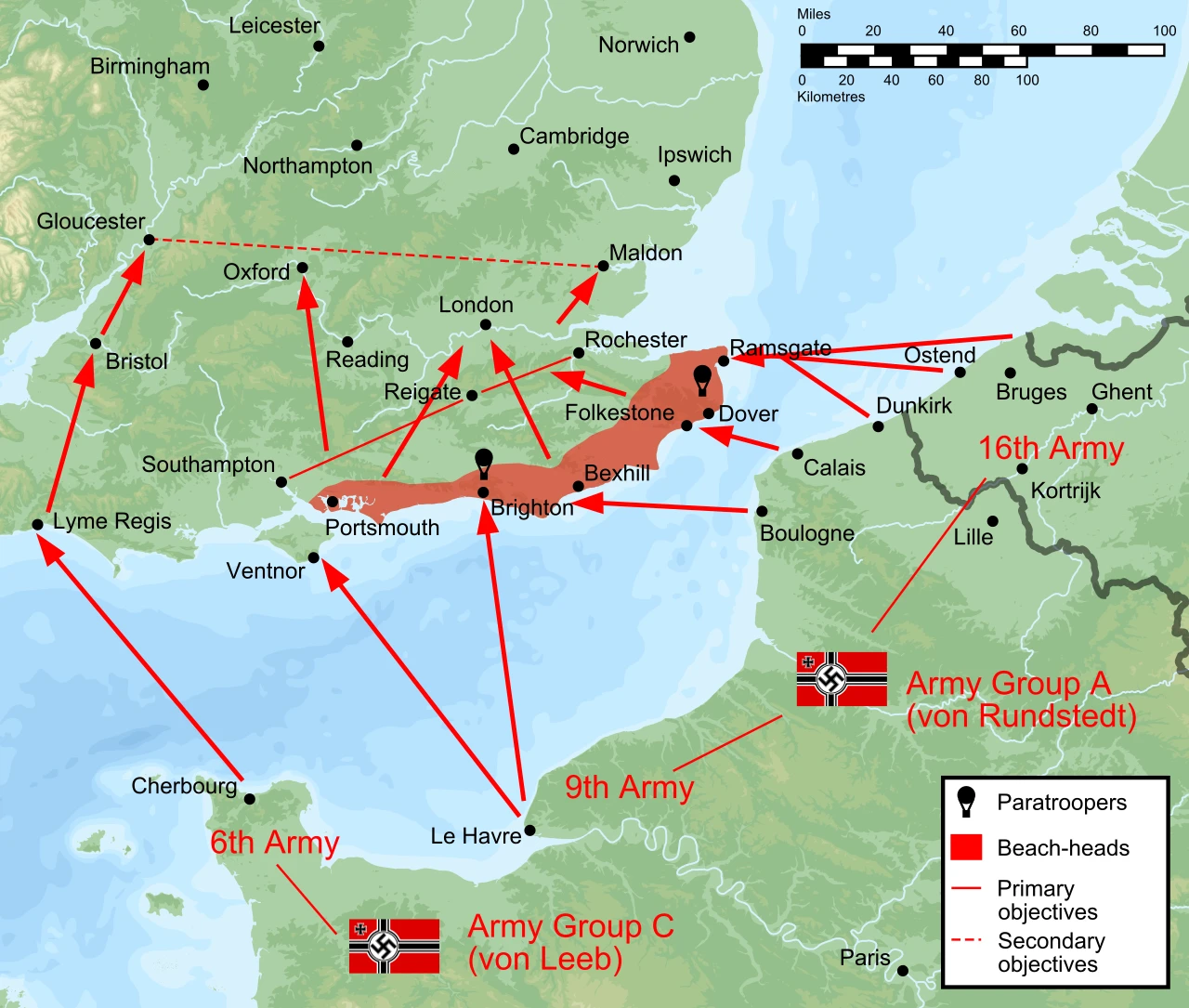
Sea Lion — Invade England?
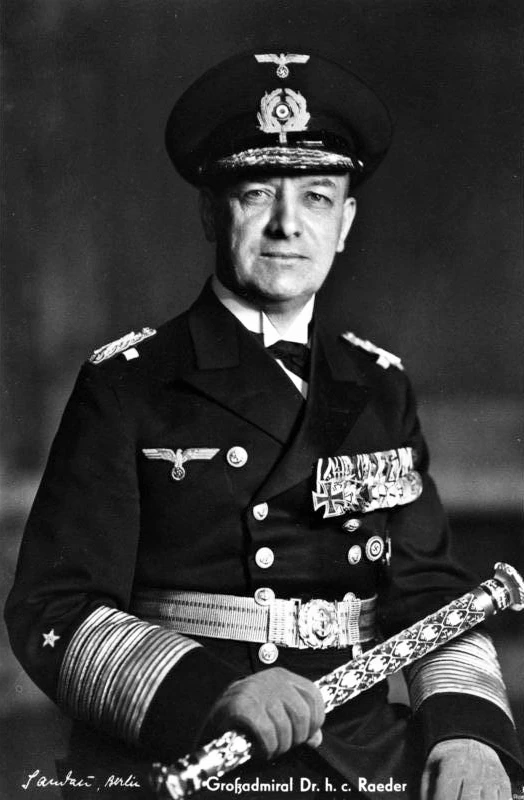
Raeder and the Seelöwe gamble
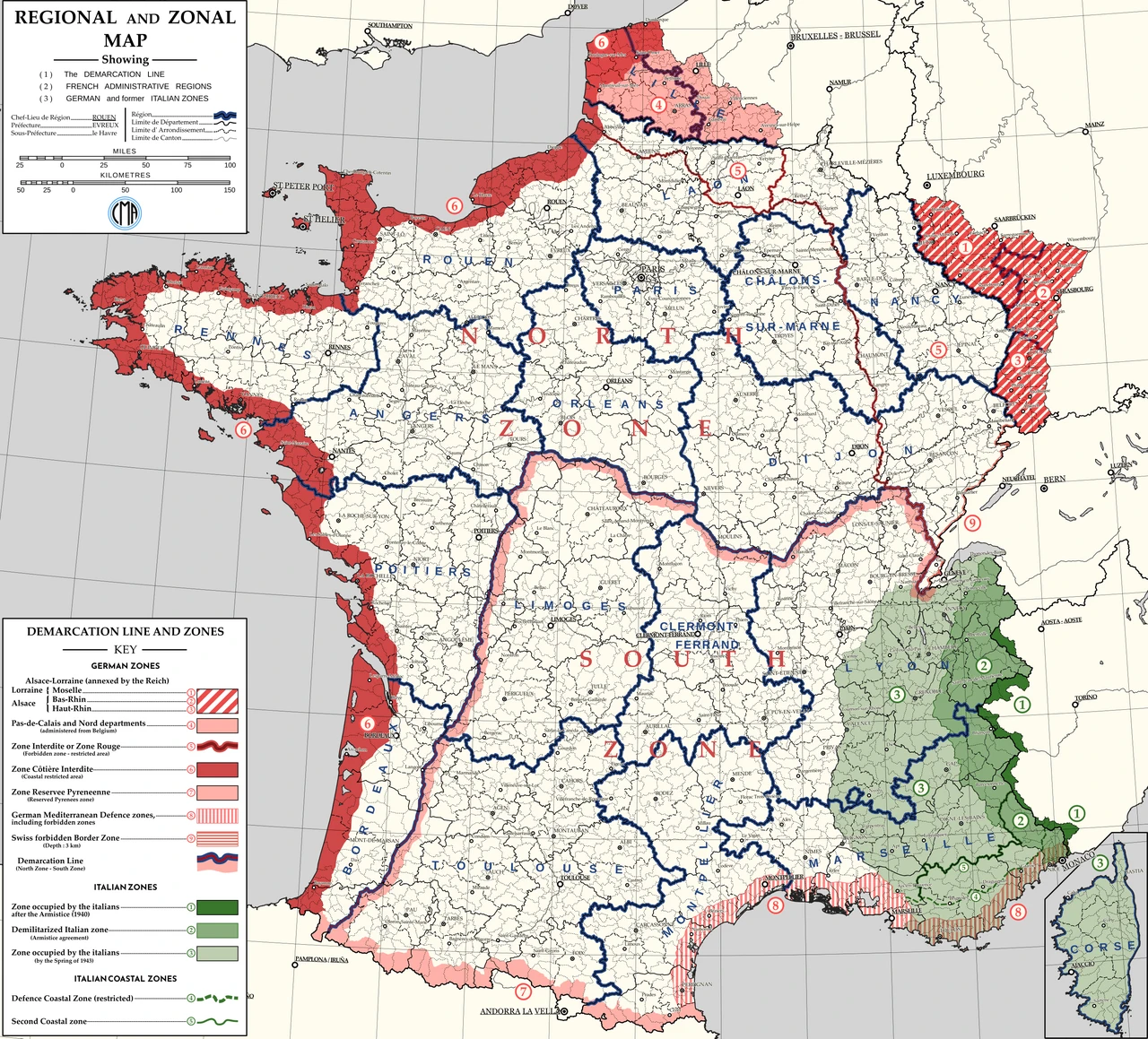
Wiesbaden — Tracing the Demarcation Line
Goering at Carinhall — the promise to Hitler
Göring at Cap Gris-Nez — September 7
Hitler at the Felsennest — the anguish of the flanks
The doctrine of terror bombing
Fall Gelb — the order of 9 May 20:00
Manstein watches his plan — Koblenz, 10 May
Mussolini and the entry into the war
Sea Lion — Invade England?
Raeder and the Seelöwe gamble