
The great winter at the front
Since the declaration of war in September 1939, the Western front had frozen: this was the "Phoney War", months of waiting without major fighting. In the winter of 1939–1940, one of the harshest of the century, hundreds of thousands of French soldiers shivered in the casemates of the Maginot Line and the outposts, amid the cold, the mud and the boredom.
For you, the soldier, the ordeal was not enemy fire but morale. The prolonged inaction, the separation from families and the doubt about the meaning of this war that never came weighed on the troops. Each man answered it in his own way: apathy for some, effort and training for others, the search for an escape for others still.
You could hold yourself to discipline and training, to stay ready and support your comrades. You could give in to wait-and-see resignation and boredom, in a demoralising routine. Or you could seek leave and ways to escape this life. In the cold of the outposts, each day of waiting tested your resolve.
Should our soldier hold himself to discipline and training, give in to wait-and-see resignation, or seek to escape this life?
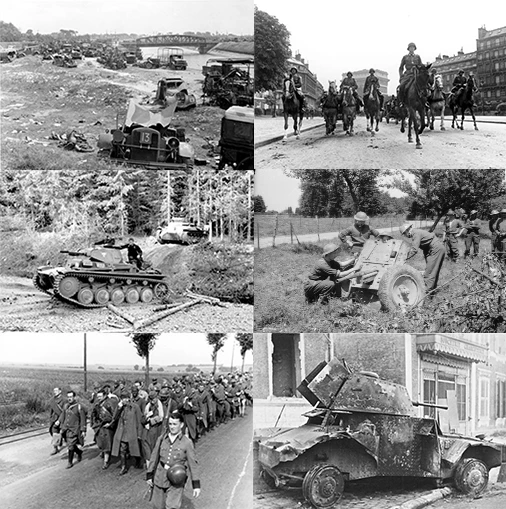
In many units, attitude B ended up prevailing: the long inaction of the Phoney War, combined with a very harsh winter and a command that was often poor at motivating, eroded the morale and training of the French army; some sank into apathy and drink, or even thought of deserting. Many observers — including in Strange Defeat — would point to this disintegration as one of the deep causes of the collapse of May–June 1940. Not all soldiers sank into it, far from it, and some units would remain combative; but the moral wear of the winter of 1939–1940 would weigh heavily on what followed. The enemy, for its part, had turned this respite to good use, refining its plan and training its troops.
Learn more about this event
Related polls
10
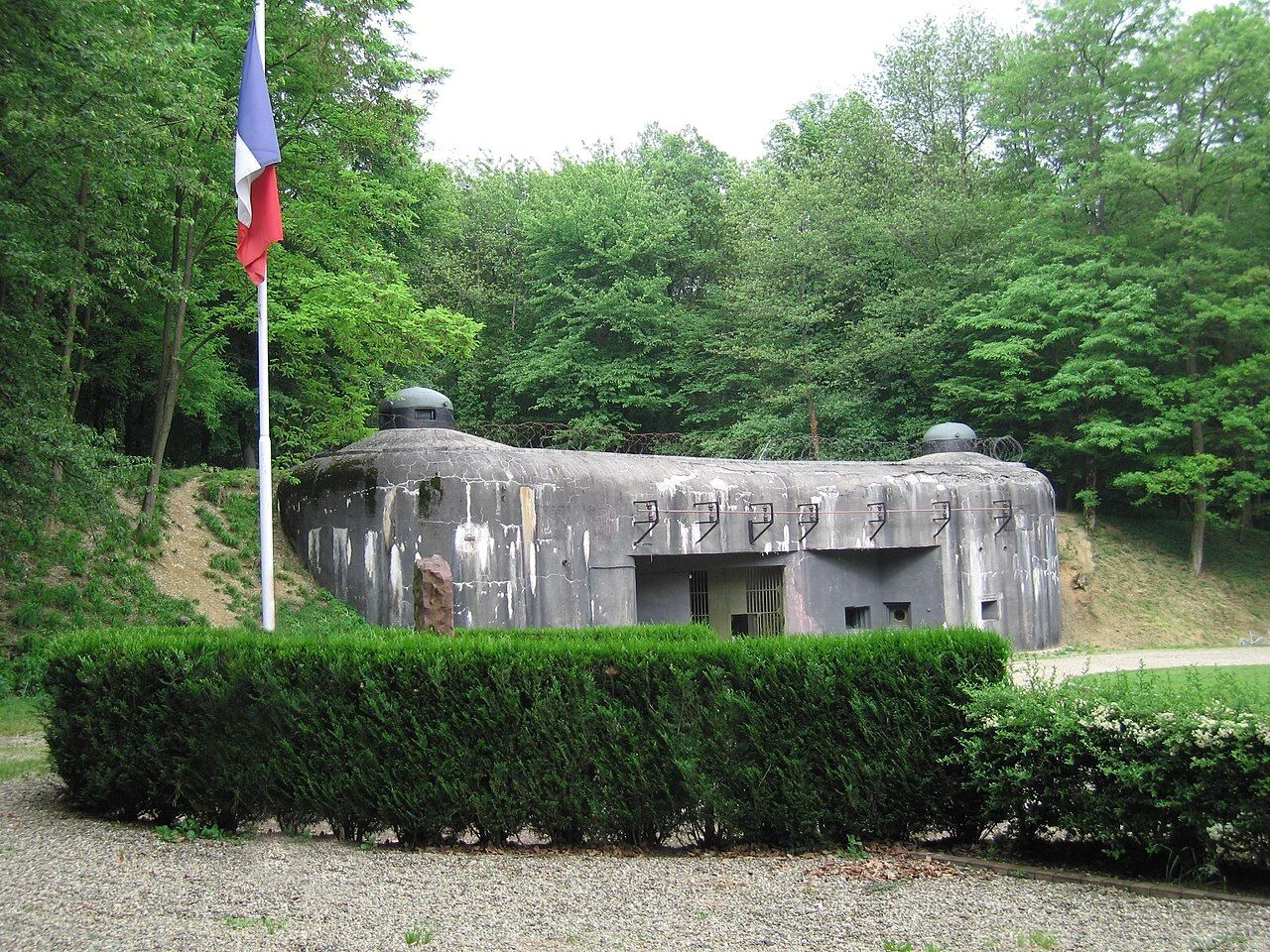
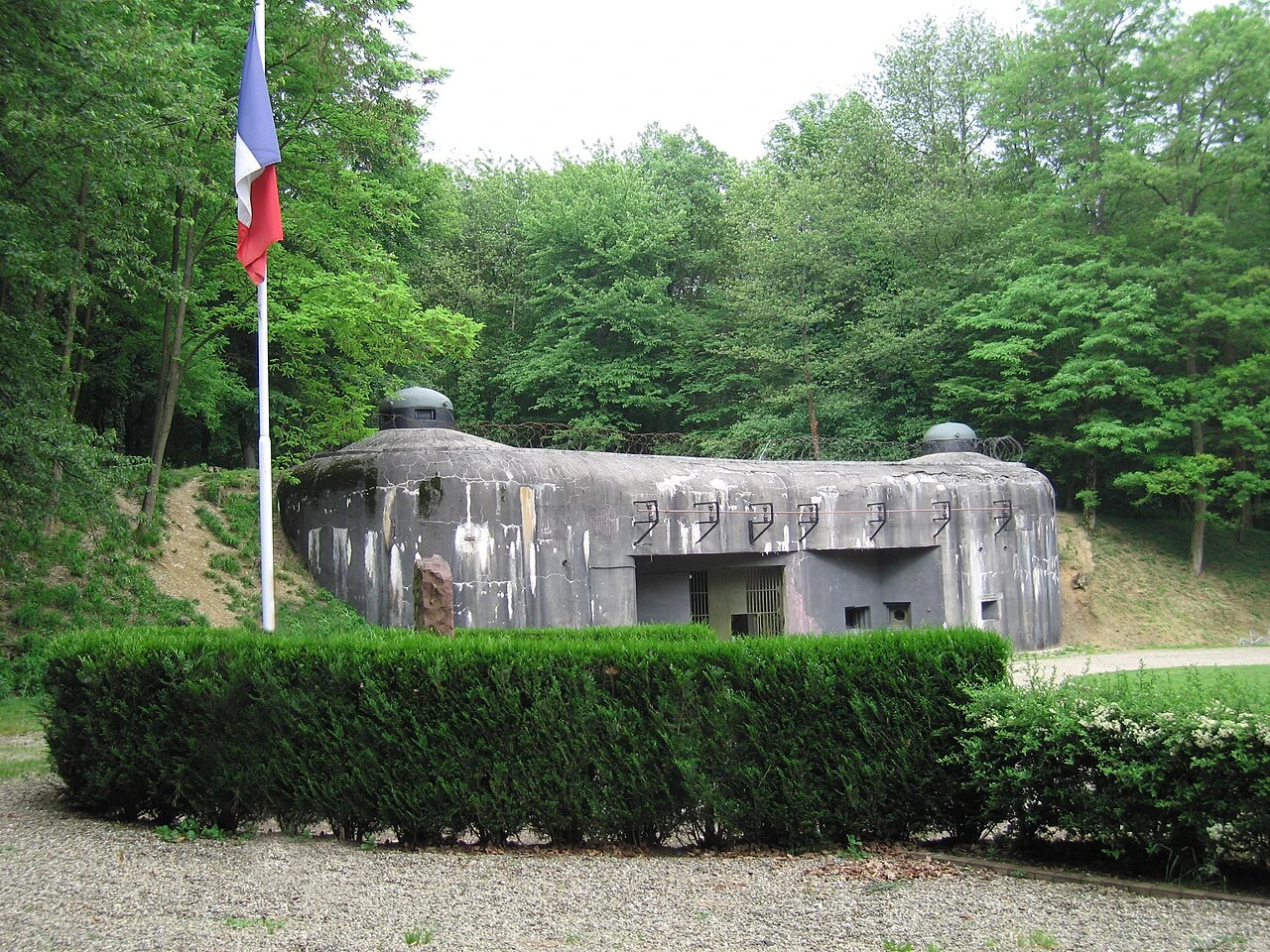
Hackenberg — a poilu on the Maginot
The Forbidden Zone of Alsace — what to do with the civilians of the Rhine?
Morale on the home front
The Foreign Volunteers

The Camps of the Retirada
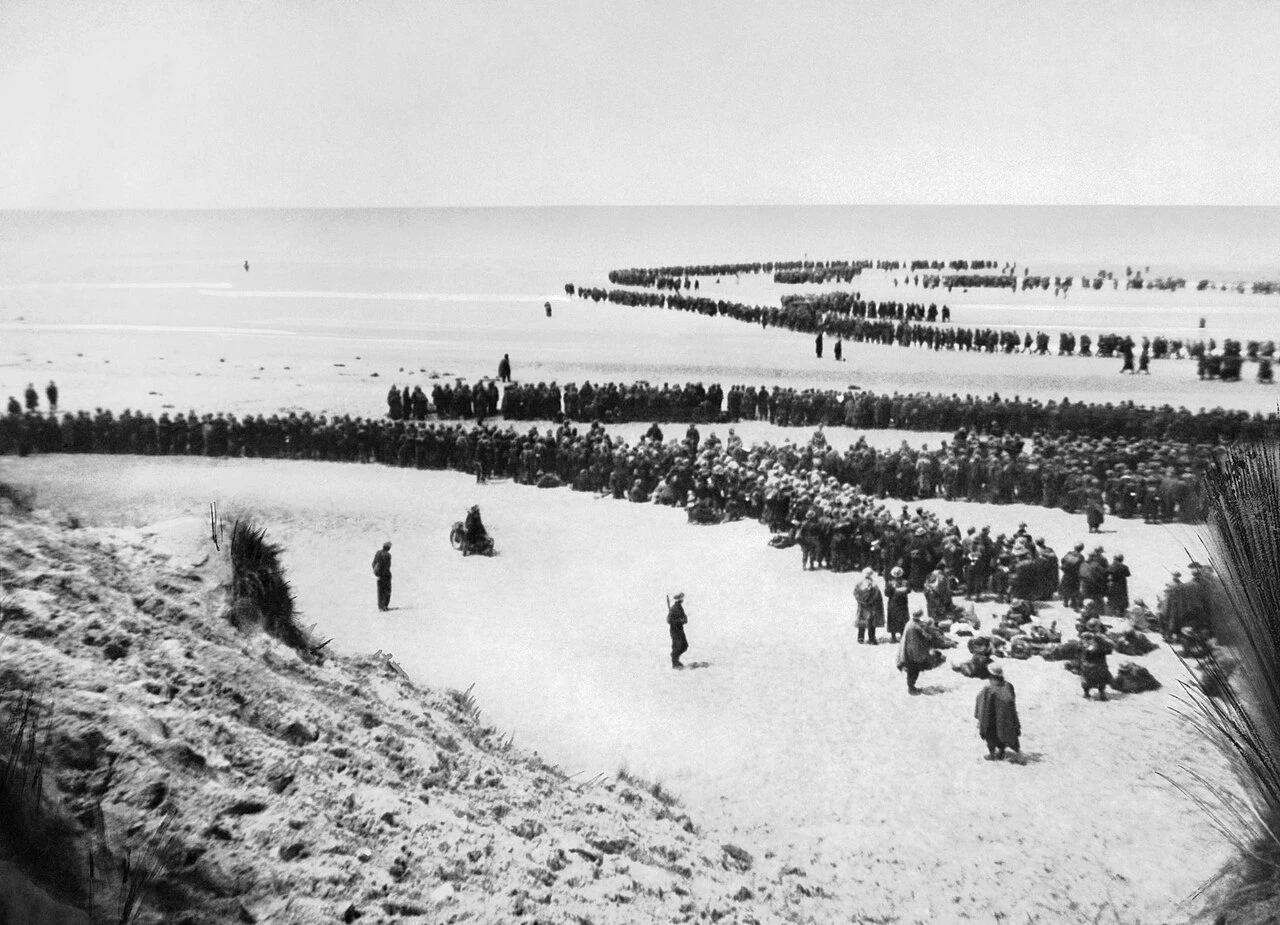
Dunkirk: holding the line under the bombs
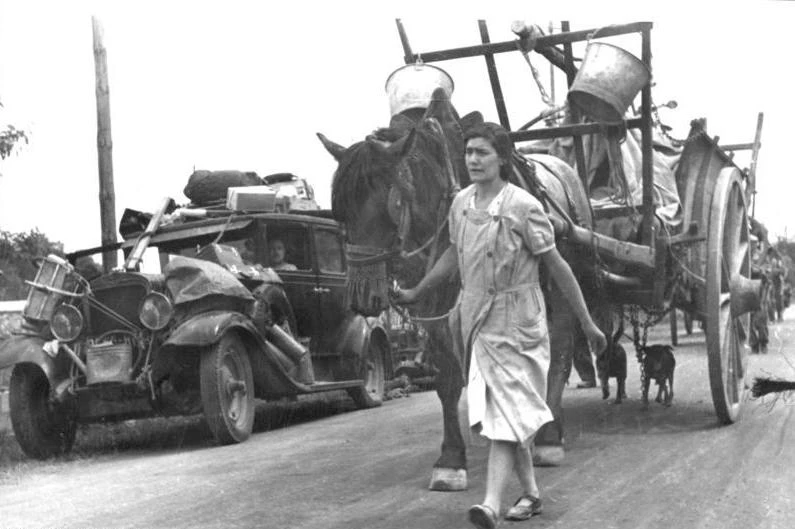
The French exodus
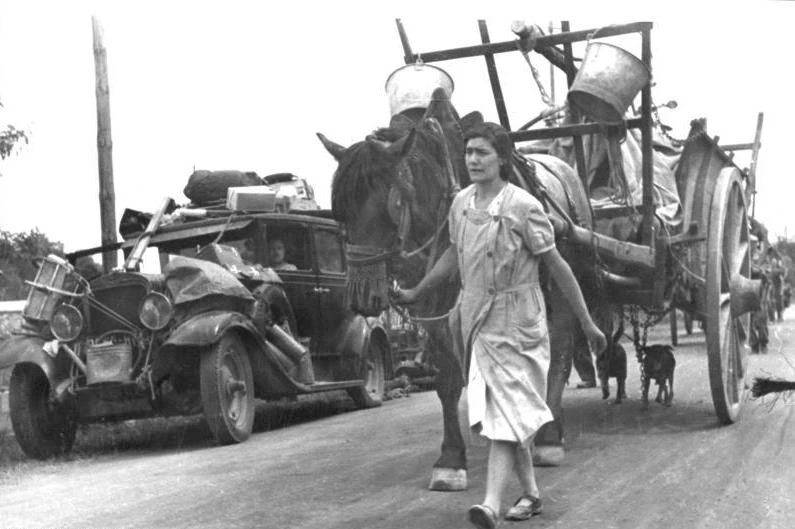
Belgian border — leave or wait out the storm
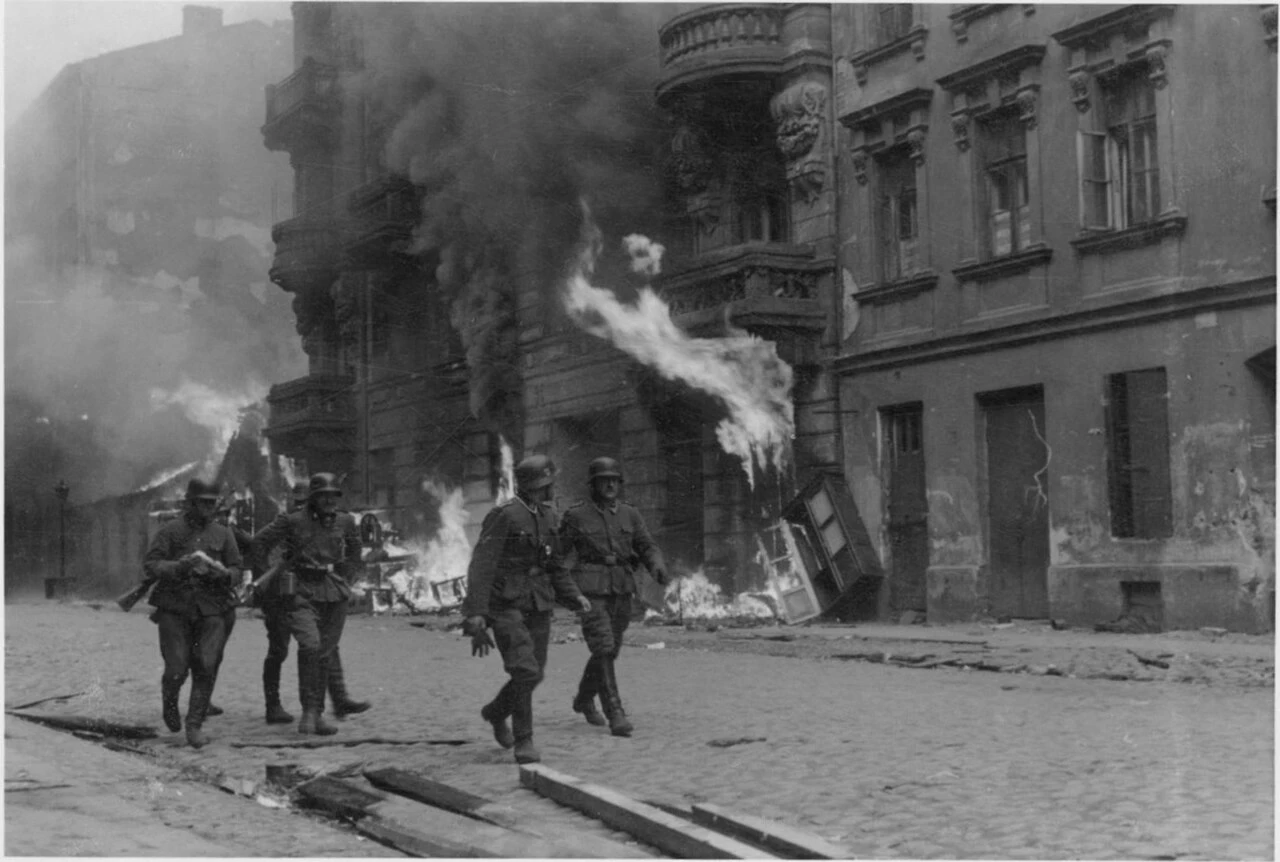
The Jewish Schoolteacher of Kazimierz
The Drawing of Lots at Rosendaël
Hackenberg — a poilu on the Maginot
The Forbidden Zone of Alsace — what to do with the civilians of the Rhine?
Morale on the home front
The Foreign Volunteers
The Camps of the Retirada
Dunkirk: holding the line under the bombs
The French exodus
Belgian border — leave or wait out the storm
The Jewish Schoolteacher of Kazimierz