
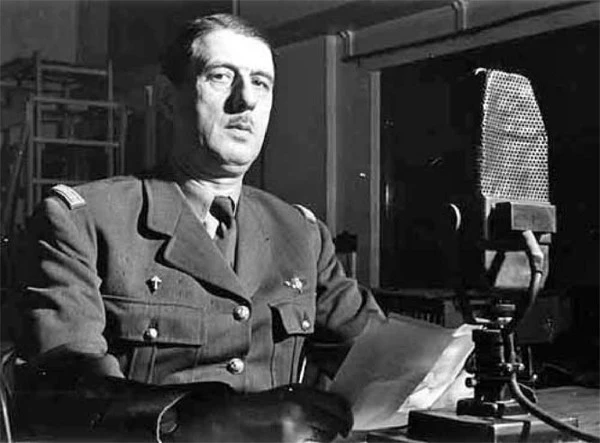
De Gaulle at the BBC microphone — 18 June, 18:00
Arrived in London the day before, on 18 June 1940 obtains permission to speak on the BBC. The authorization is far from automatic: within the British War Cabinet, Lord Halifax fears that a French voice calling for continued war would compromise any possibility of an understanding with the future Pétain government. Churchill rules in his favour.
De Gaulle is alone. A brigadier general on a temporary basis, an outgoing minister of a government that fell two days earlier, he officially represents no one: no parliamentarian, no major figure stands with him. He has drafted overnight a short text of about seven hundred words.
The choice before him is one of angle. Should he appeal to honour and morality, denouncing the armistice as a betrayal? Demonstrate coolly that this war is global, mechanical, industrial, and therefore winnable? Or issue a concrete call to rally all French citizens present in Great Britain? The recording has not been preserved; it is through the text that it will be handed down to history.
On what spring should de Gaulle base his Appeal of 18 June?
De Gaulle blends B and C. The Appeal of 18 June, delivered at 18:00 on the BBC, insists on the global dimension of the conflict — "For France is not alone! (...) this war is a world war" — and invites French servicemen and technicians present in the United Kingdom to make contact with him. The original recording has not been preserved; the text appears in the British press on 19 June, and it is the poster "To All Frenchmen" (slightly different) that will fix the memory. Heard by very few at the time, the Appeal becomes, in retrospect, the founding act of Free France and one of the great texts of national history.
Learn more about this event
Related polls
10
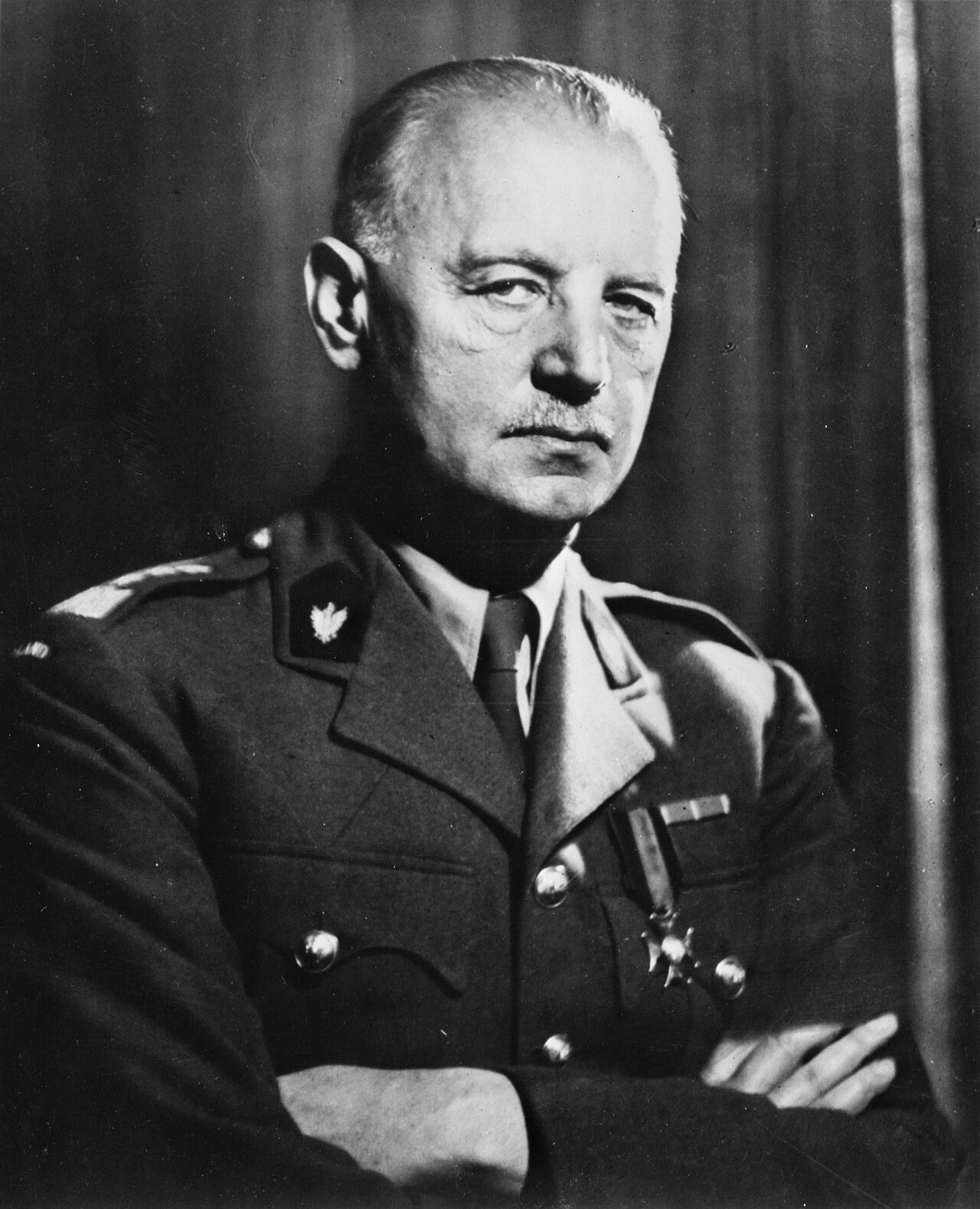
Sikorski leaves Bordeaux — 18 June
The Appeal of 18 June
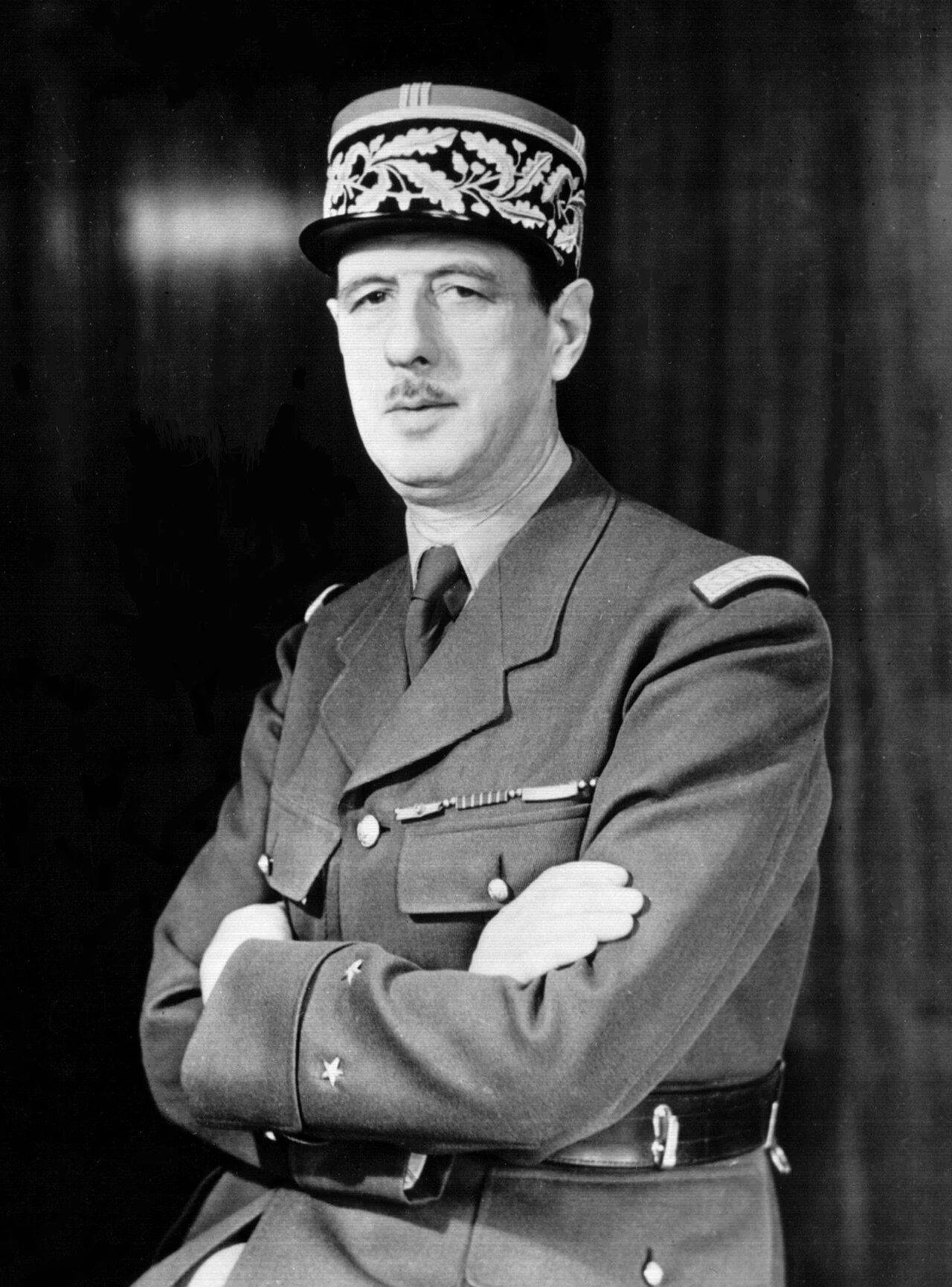
De Gaulle calls on Churchill — 9 June
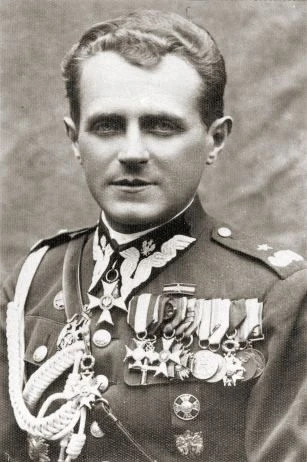
Karaszewicz-Tokarzewski — Founding the SZP
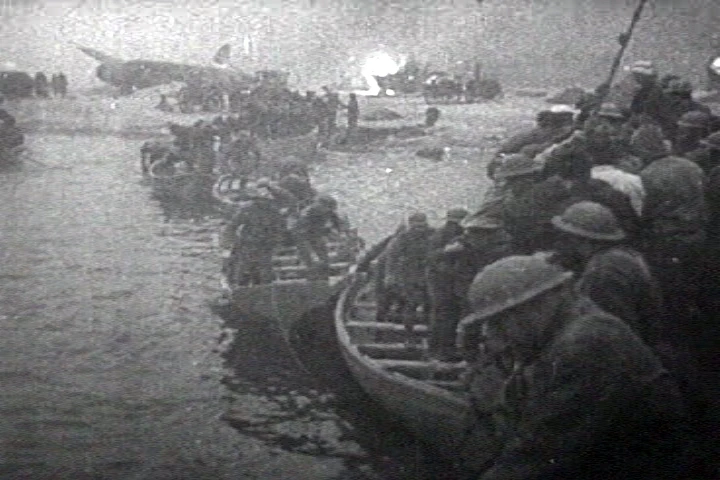
Ramsay — Dover, 14:23
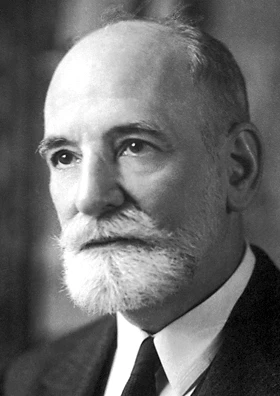
René Cassin Reaches London — 29 June
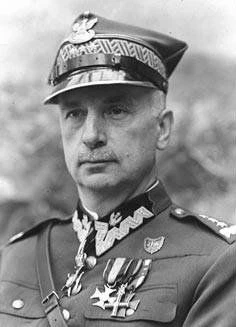
Sosnkowski — KSK, 27 November
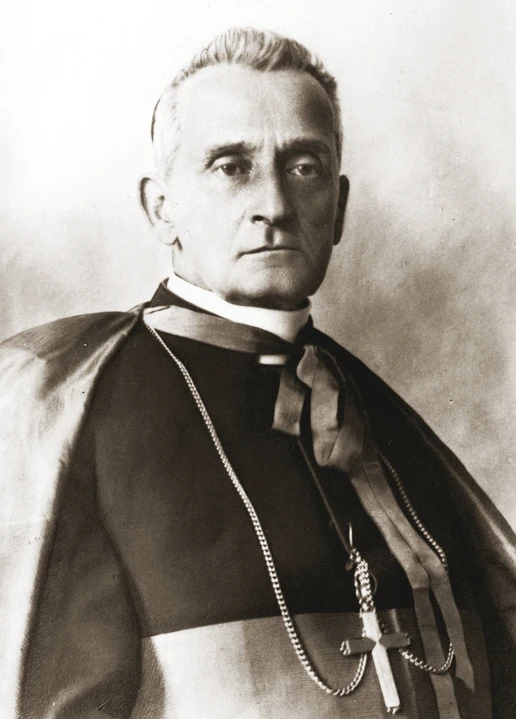
Cardinal Sapieha — Krakow under Occupation
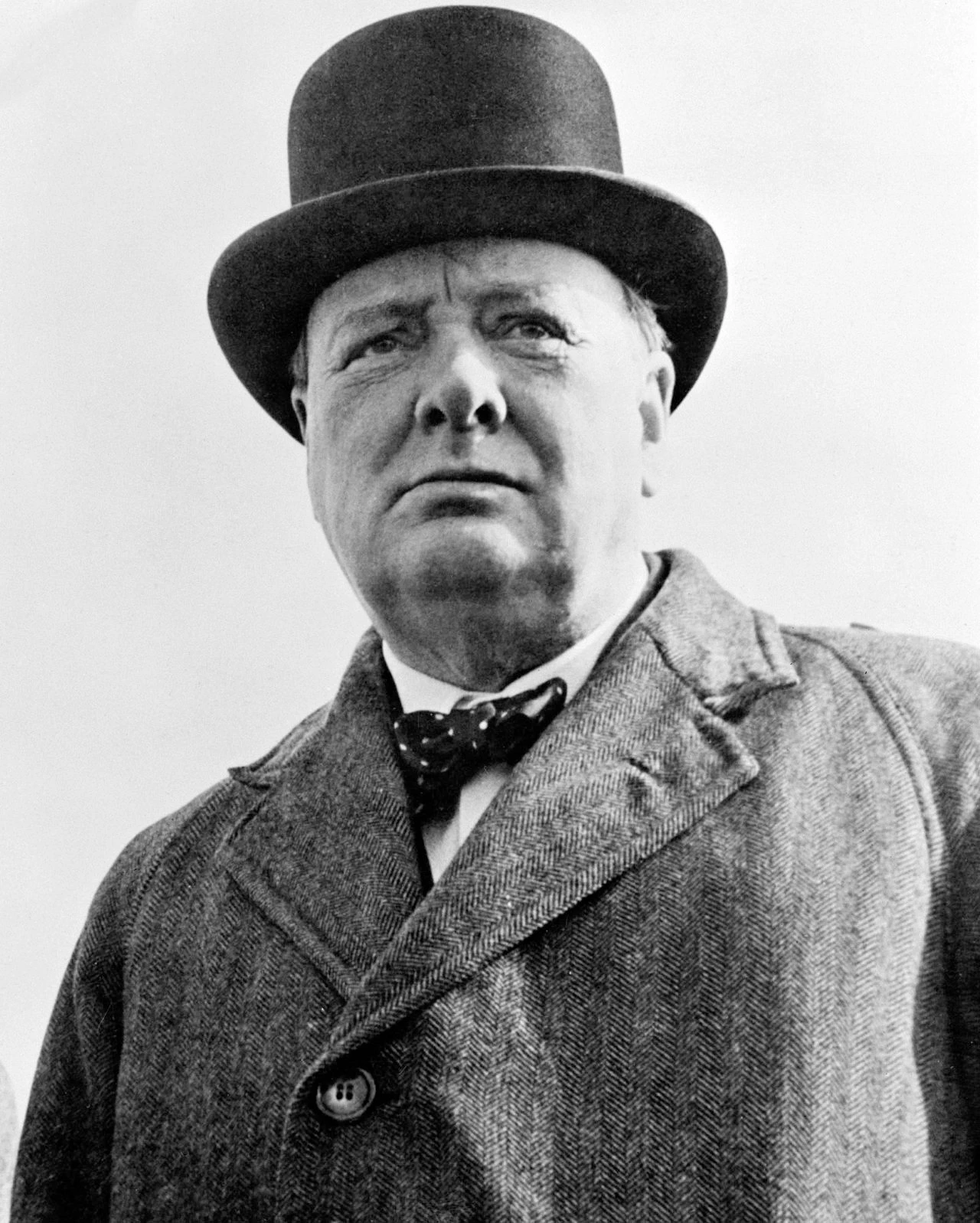
Churchill in power
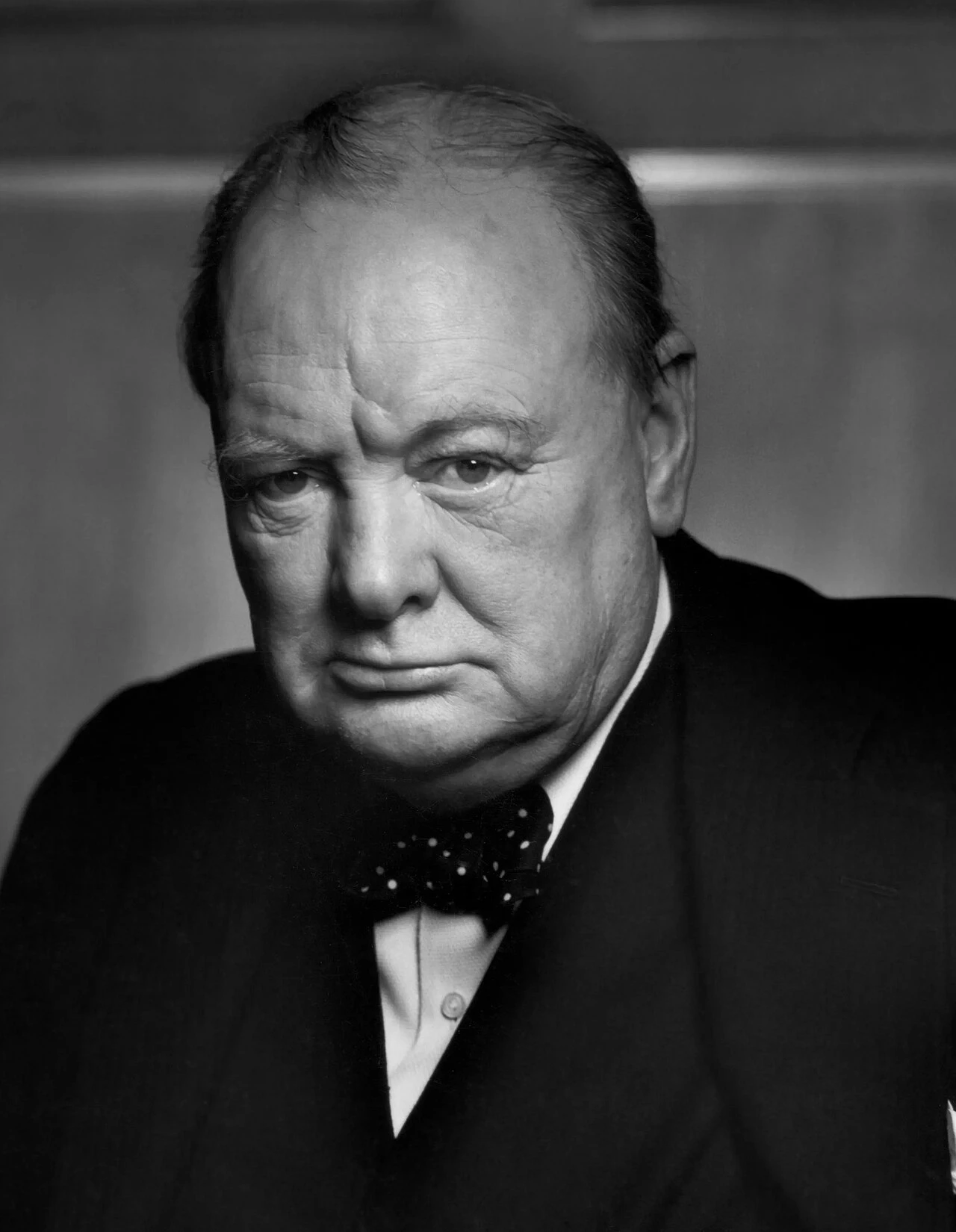
Churchill before the 25 ministers — 28 May 18:00
Sikorski leaves Bordeaux — 18 June
The Appeal of 18 June
De Gaulle calls on Churchill — 9 June
Karaszewicz-Tokarzewski — Founding the SZP
Ramsay — Dover, 14:23
René Cassin Reaches London — 29 June
Sosnkowski — KSK, 27 November
Cardinal Sapieha — Krakow under Occupation
Churchill in power