
The blockade of Germany
In the absence of a land offensive during the Phoney War, the Allies banked on an indirect weapon: the economic blockade of Germany, through command of the seas. The idea, inherited from 1914–1918, was to slowly strangle the German war economy by cutting off its access to raw materials (oil, ores, rubber) and to imports.
The Allied command had to define its economic strategy. To bank on the naval blockade and patience, wagering that economic asphyxiation would eventually force Germany's hand. To strike directly at the sources of supply (Swedish iron via Narvik, Romanian or Caucasian oil), at the risk of extending the conflict to neutral countries. Or to combine blockade and peripheral operations.
The wager of the blockade rested on duration and on the idea that time was on the Allies' side. But it overlooked the fact that Germany, bound to the USSR by the 1939 pact, could obtain supplies in the East, and that a swift victory in the West would render the blockade pointless. Economic warfare, a strategy of patience, presupposed that one had the time.
Should the Allies bank on the naval blockade and patience, strike at the sources of supply, or combine the two?
The Allies banked first on A, while contemplating B (the schemes against Narvik and Swedish iron, and even the oil of Baku): a Ministry of Economic Warfare organised the naval blockade of Germany. But the strategy of patience was ruined by two realities: Germany obtained supplies in the East thanks to the German–Soviet pact (oil, Soviet grain), and above all the lightning victory of 1940 rendered the blockade obsolete by giving the Reich control of the resources of the whole of Western Europe. The Allied wager that "time is on our side" collapsed along with France. The blockade, effective in the long run in 1914–1918, presupposed a long war — exactly what the "Blitzkrieg" avoided.
Learn more about this event
Related polls
10
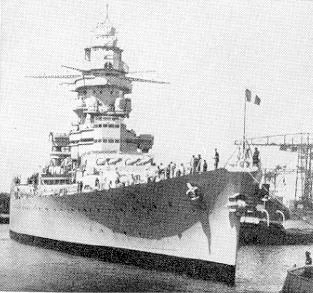
The Admiralty and the Strasbourg Rumour
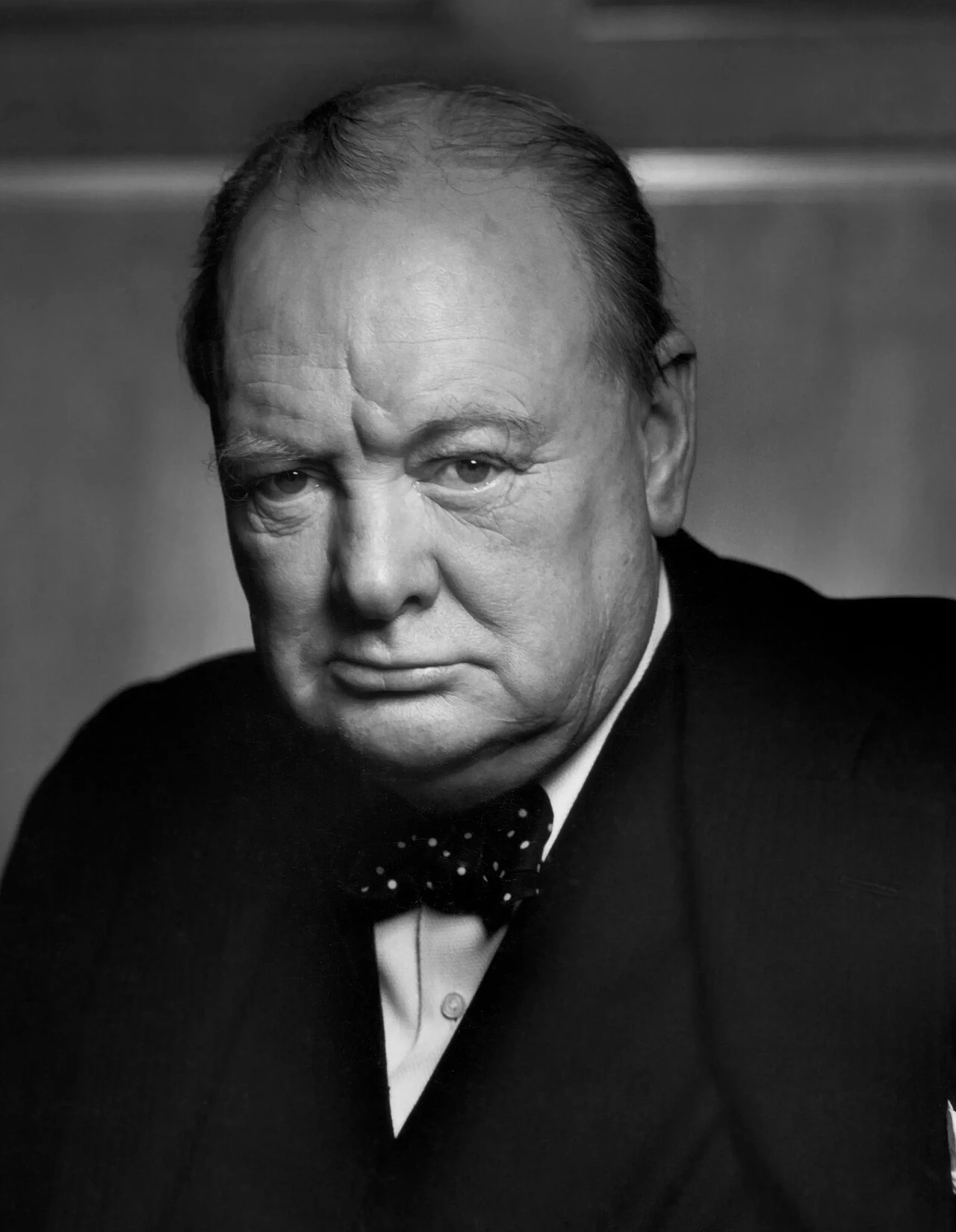
The Cabinet and Operation Catapult — 1 July
Mining the Rhine — Operation Royal Marine
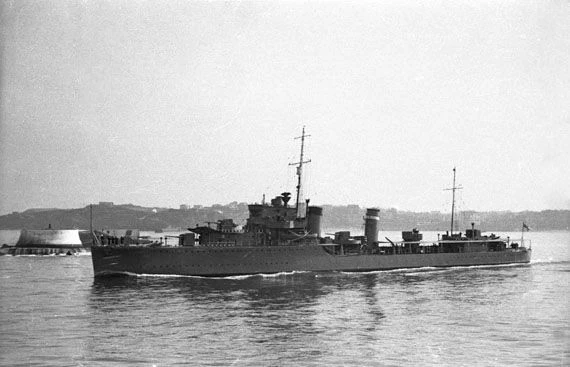
HMS Exmouth in the Moray Firth
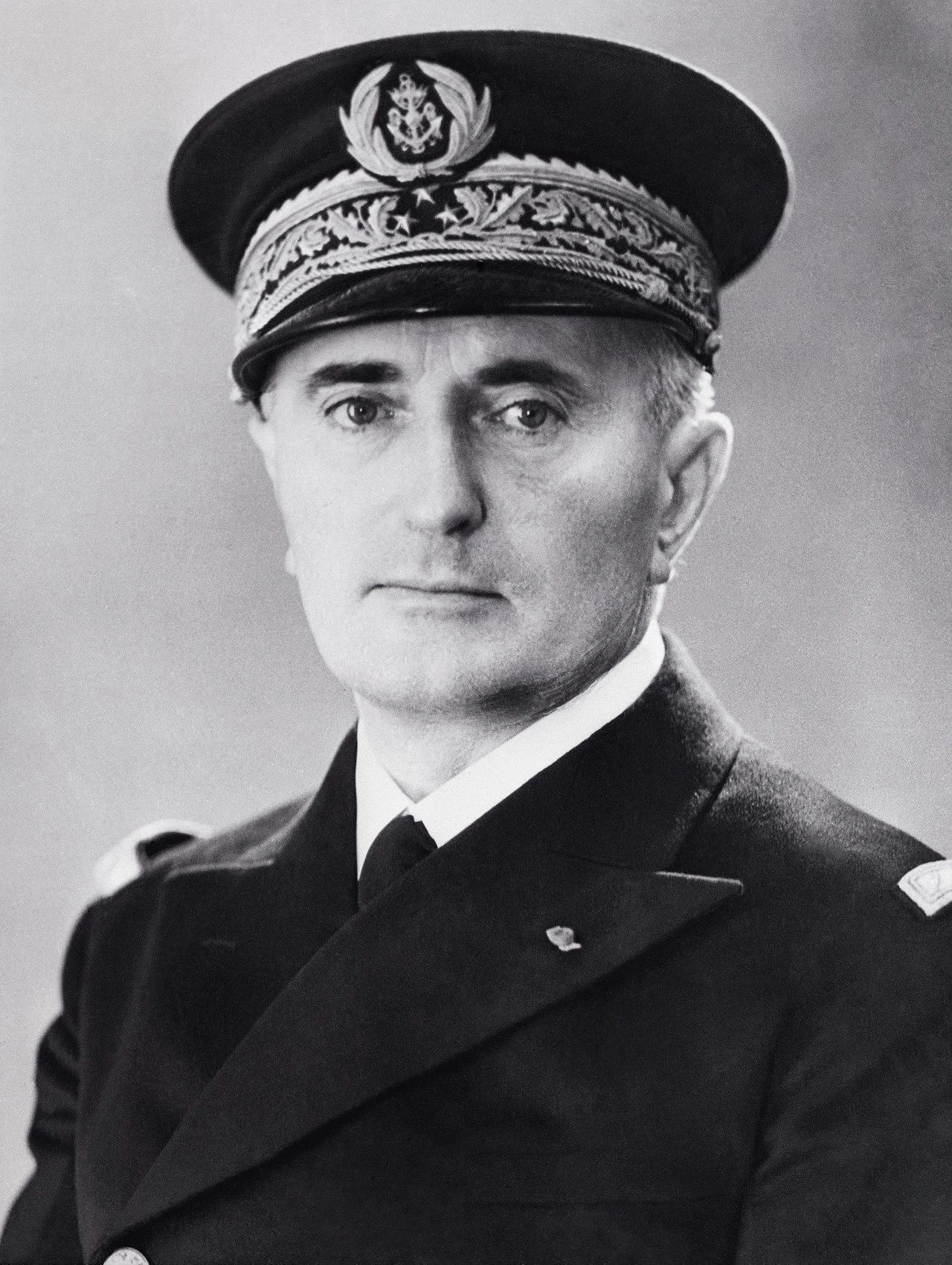
The French navy disperses
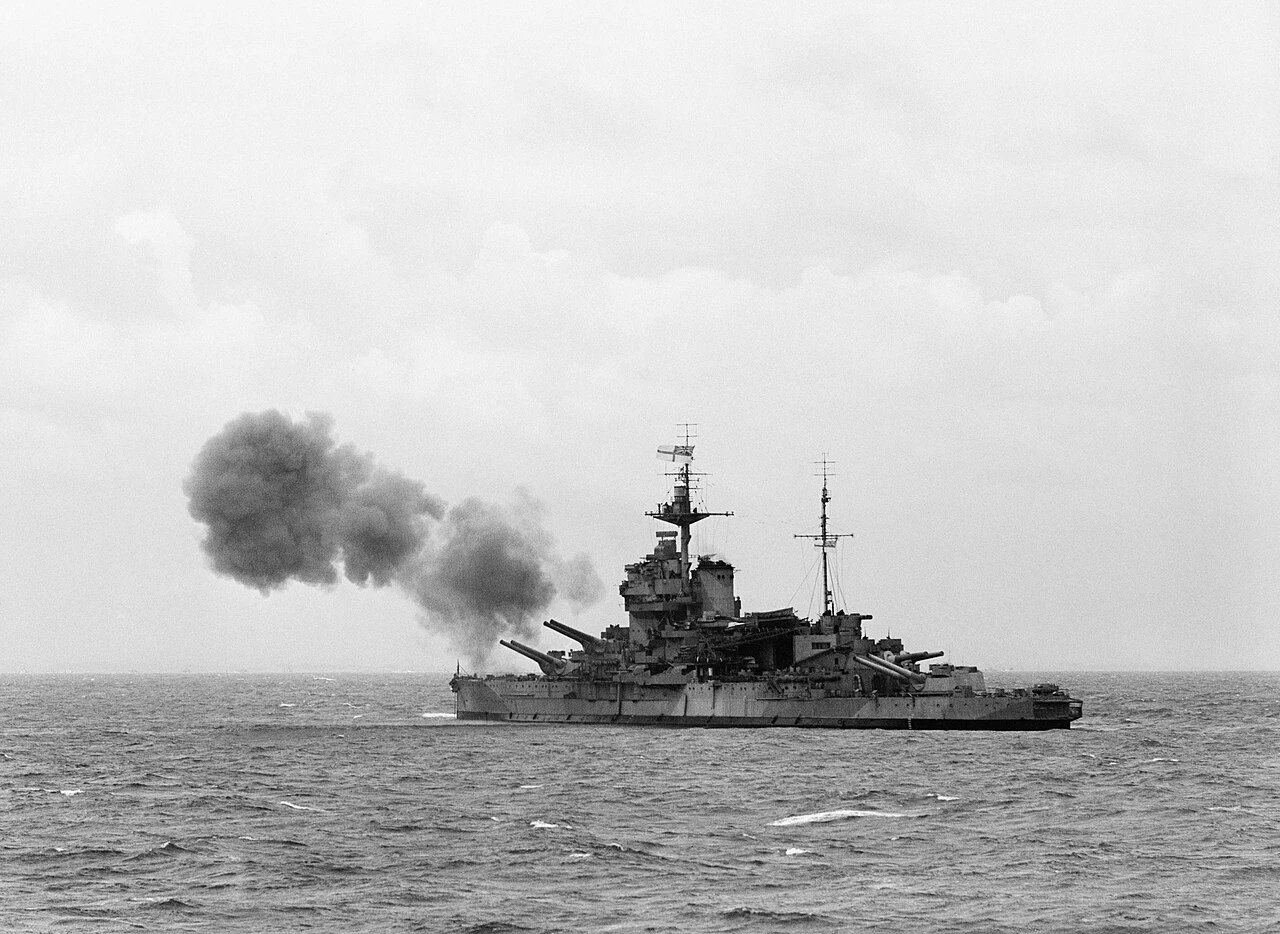
Narvik — too senior an admiral
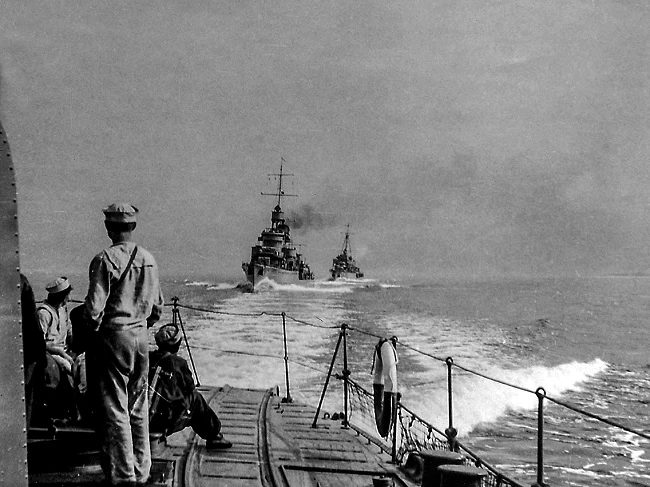
Operation Peking — Stankiewicz Facing the Sound
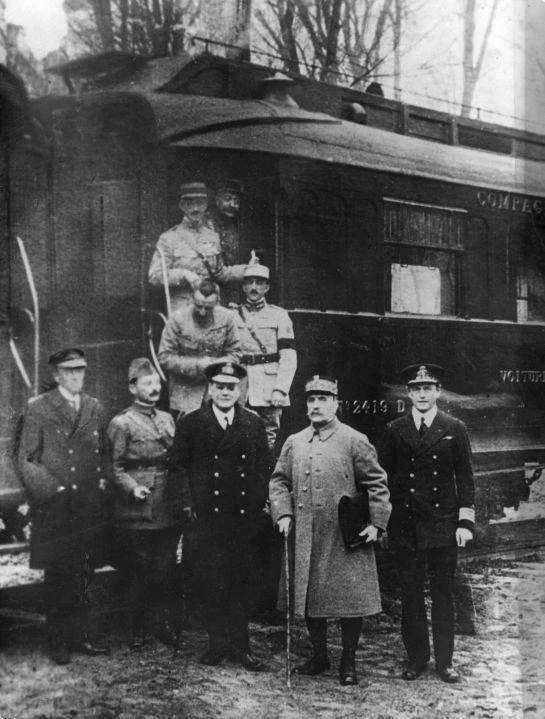
Rethondes — Article 8 on the Fleet
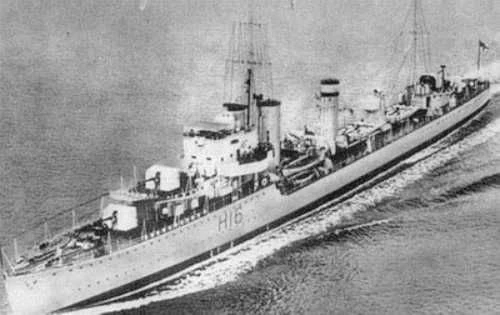
HMS Daring in the Pentland Firth

HMS Rawalpindi — Kennedy at 3:47 p.m.
The Admiralty and the Strasbourg Rumour
The Cabinet and Operation Catapult — 1 July
Mining the Rhine — Operation Royal Marine
HMS Exmouth in the Moray Firth
The French navy disperses
Narvik — too senior an admiral
Operation Peking — Stankiewicz Facing the Sound
Rethondes — Article 8 on the Fleet
HMS Daring in the Pentland Firth