
The Secretaries-General — Stay or Resign
With the capitulation of the army and the departure of the government for France and then London, Belgium found itself without executive power on its own soil. What remained were the secretaries-general, senior civil servants heading the administration of each ministry. The German occupier, who installed a military administration under General , had every interest in relying on them to keep the country running.
A law of 1939 had precisely anticipated this case: in the absence of the government, the secretaries-general could exercise the powers necessary for the continuity of the state. But the question remained a weighty one: to continue administering was to serve the population, but also to enter into a cooperation with the occupier that could slide towards the enforcement of unjust measures.
The secretaries-general had to decide. To remain in office to maintain public services, food supply and order, at the risk of having to carry out German orders. To resign in refusal of all cooperation, leaving the administration in the hands of the occupier or of collaborators. Or to stay while setting explicit limits on what they would agree to enforce. It was the doctrine of the "lesser evil" that was at play.
Should the secretaries-general remain in office under the occupier, resign, or stay while setting limits?
The secretaries-general mostly chose A: they remained in office, invoking the continuity of the state and the protection of the population — the doctrine of the "lesser evil". This presence made it possible to preserve essential services, but it exposed them to having to enforce the occupier's decisions, and the boundary between administration and collaboration would prove increasingly blurred as German demands hardened (compulsory labour, anti-Jewish measures). The "Committee of Secretaries-General" would become a central and controversial institution of the occupation, whose record would be bitterly debated at the Liberation.
Learn more about this event
Related polls
10
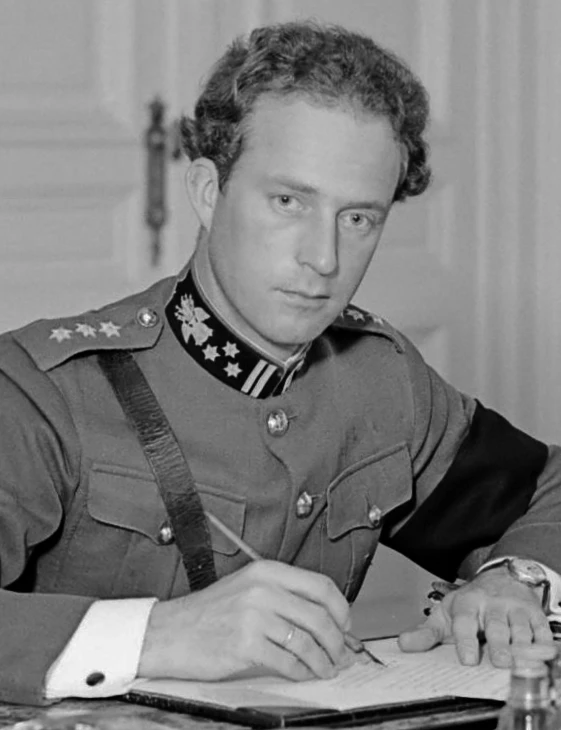
Leopold III takes command
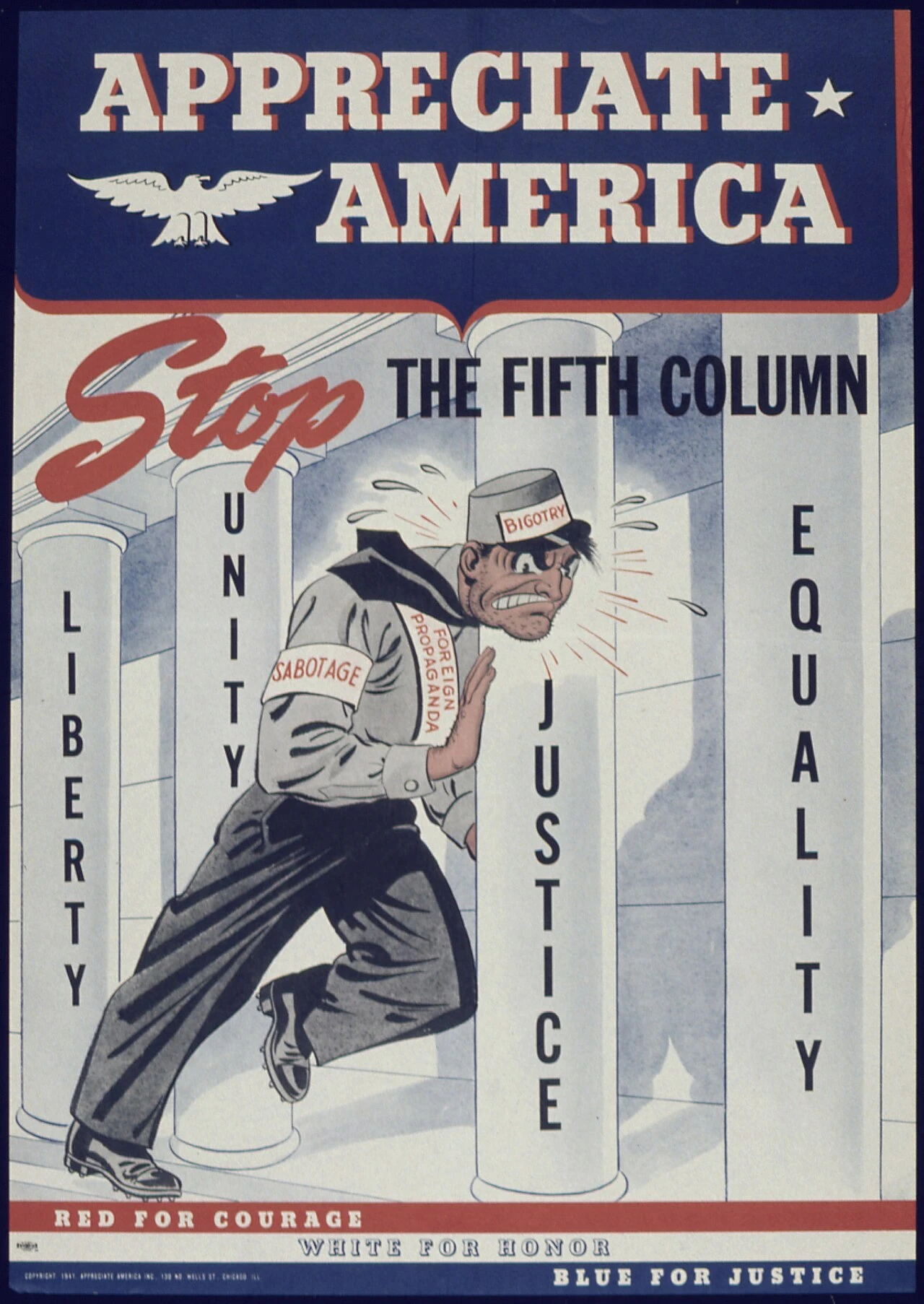
The fifth-column psychosis
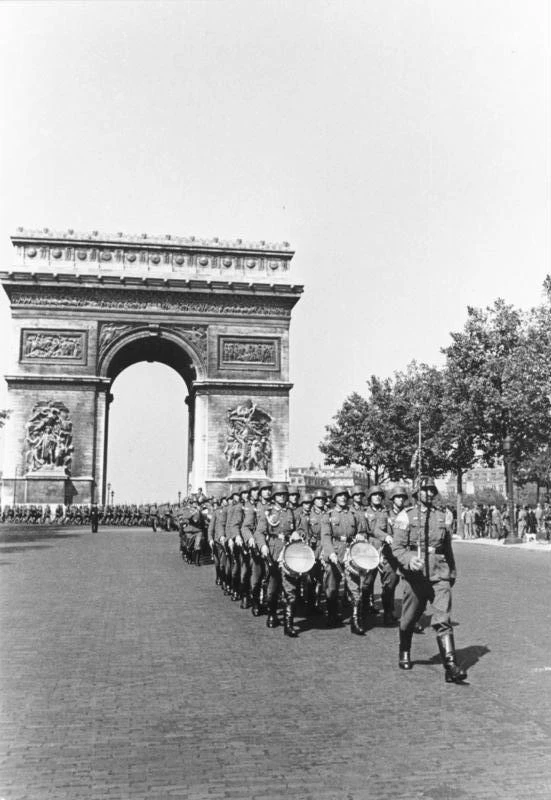
The Press under German Control
Joining the VNV or Rex
Neutral Belgium — let the Allies in?
The Capitulation of 28 May
Churchill in power
Churchill — Buckingham 10 May 18:00
War council — leave central Norway?
Léopold III — Wijnendaele 28 May
Leopold III takes command
The fifth-column psychosis
The Press under German Control
Joining the VNV or Rex
Neutral Belgium — let the Allies in?
The Capitulation of 28 May
Churchill in power
Churchill — Buckingham 10 May 18:00
War council — leave central Norway?