
The Otto Programme — expanding the rail network toward the East
In the autumn of 1940, the OKW launches the Otto Programme: modernizing the rail and road links of East Prussia and occupied Poland. The network inherited from Poland, single-track over long stretches, can carry only a fraction of the trains that a troop concentration toward the East would require.
The Reichsbahn's engineers must decide how to gain capacity quickly and with steel in short supply. Three paths are open to them: lay new strategic lines, reinforce and double the existing lines, or simply enlarge marshalling yards and water points without touching the layout.
The choice commits tens of thousands of workers and hundreds of thousands of tons of steel drawn from the army's allocation.
To increase the rail network's capacity toward the Soviet frontier, which method does the Reichsbahn choose under the Otto Programme?
The Reichsbahn chooses to reinforce and double the existing lines rather than build new layouts. The Otto Programme mobilizes around 30,000 workers and 300,000 tons of steel (taken from the Heer's allocation) to develop eight major axes toward the East, with target capacities of 24 to 72 train pairs per day depending on the line, amounting to nearly 400 pairs at the frontier. Actual capacity nonetheless often fell short of the objectives (about 80 trains/day in January 1941 against the 130 requested).
Learn more about this event
Related polls
10
Goering — the economic mobilization plan
The Reich's Coal: the State or the Barons of the Ruhr
Thirty submarines a month, or next to nothing
Making oil from coal
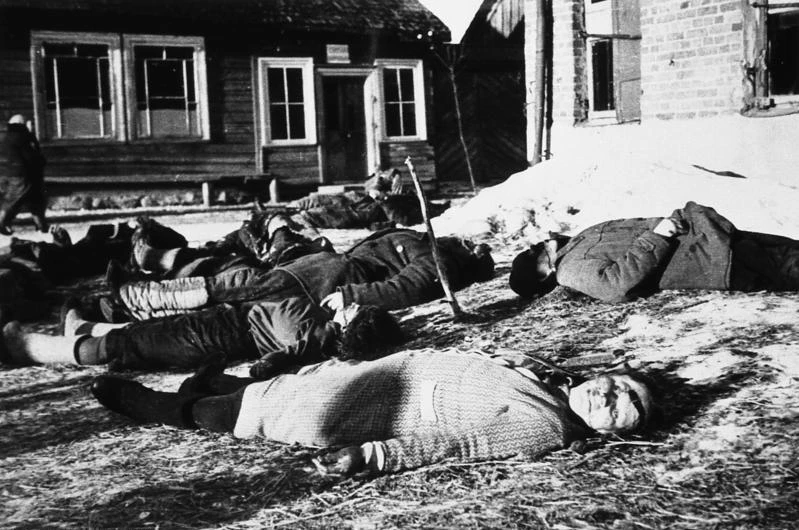
Generalplan Ost — the Hunger Plan
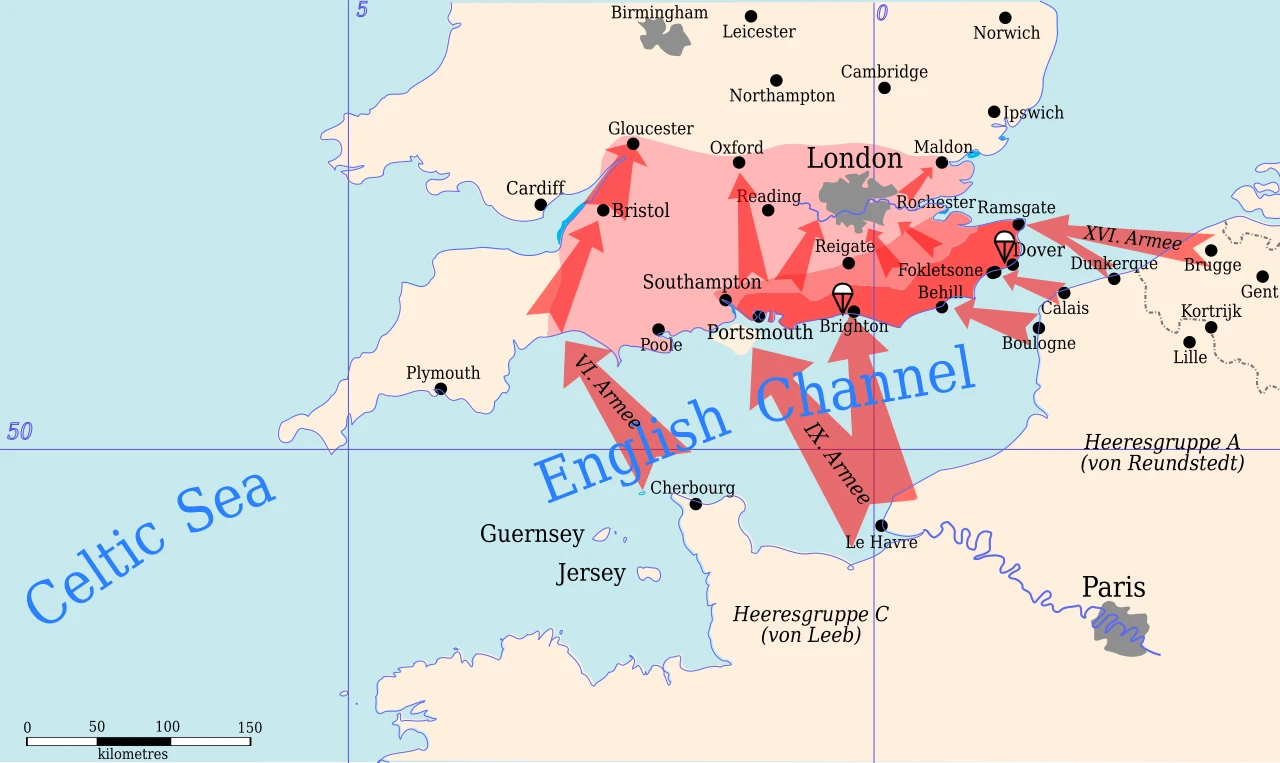
Hitler faces Sea Lion — September 17
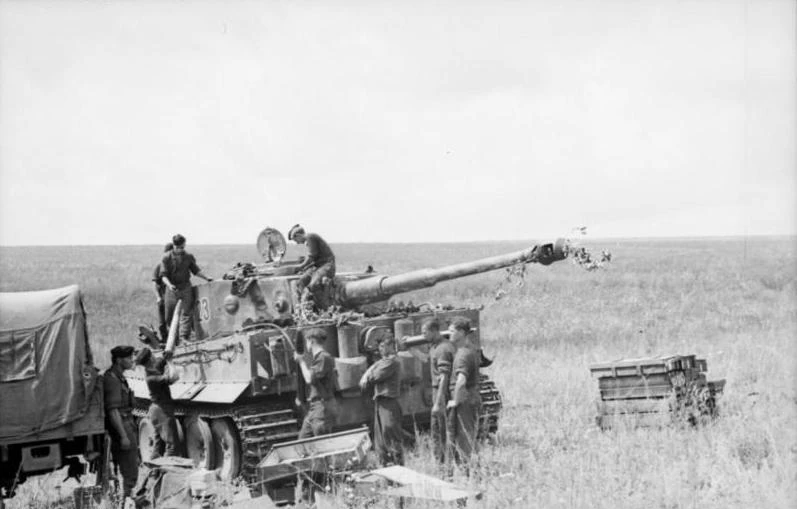
Krupp and the Beast's Cannon
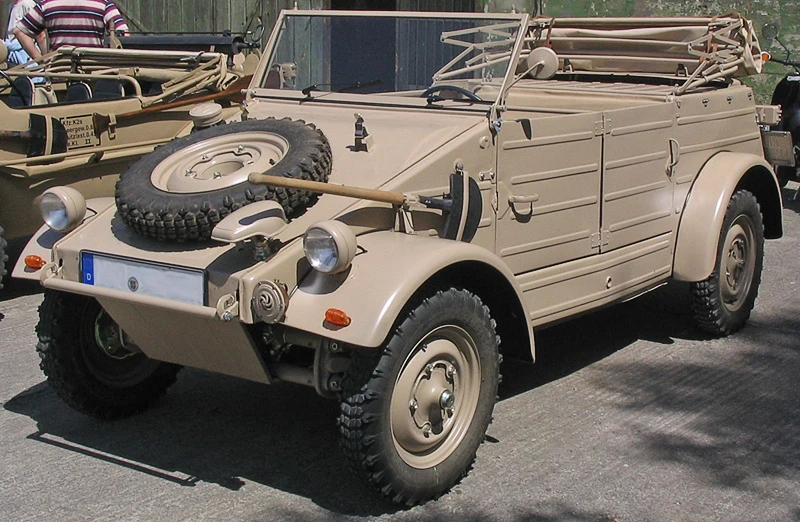
The People's Car Goes to War
The rubber that won't grow in the Reich
The metal without which cannons cannot be forged
Goering — the economic mobilization plan
The Reich's Coal: the State or the Barons of the Ruhr
Thirty submarines a month, or next to nothing
Making oil from coal
Generalplan Ost — the Hunger Plan
Hitler faces Sea Lion — September 17
Krupp and the Beast's Cannon
The People's Car Goes to War
The rubber that won't grow in the Reich